

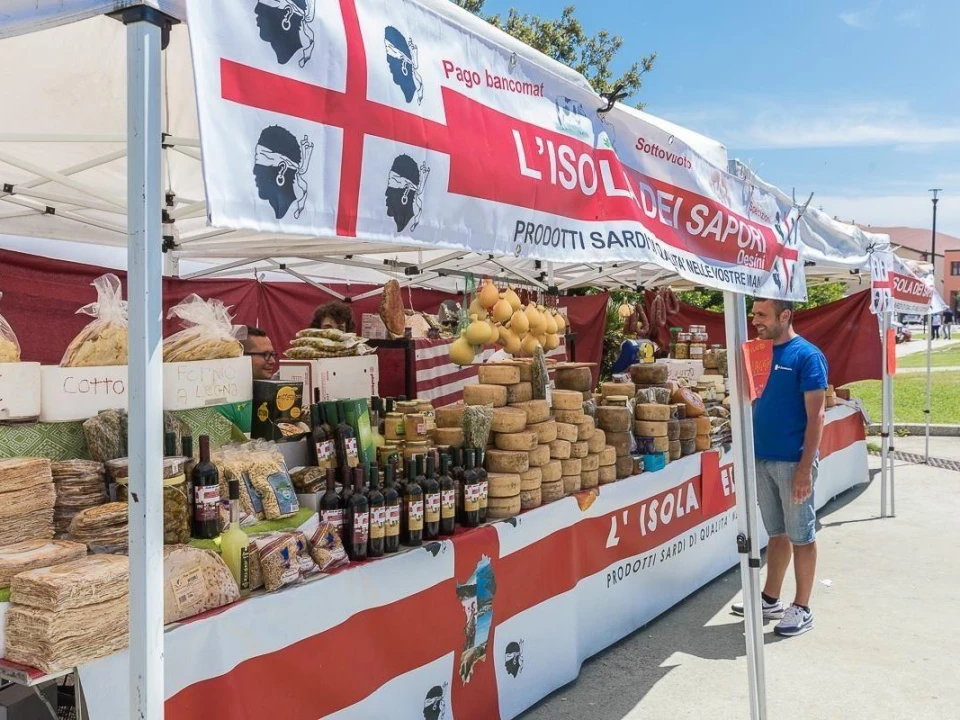

When people think of Sardinia, images of crystal-clear beaches, rugged mountains, and ancient villages often come to mind. Yet one of the island’s most fascinating treasures can be found in its street food culture, where centuries-old traditions, pastoral heritage, and Mediterranean flavors come together in every bite.
Unlike the bustling street food scenes of major Italian cities such as Naples or Palermo, Sardinian street food reflects the island’s rural identity. For centuries, shepherds, farmers, fishermen, and travelers needed simple, nutritious foods that could be prepared with local ingredients and enjoyed on the go. The result is a distinctive culinary tradition that remains deeply connected to the land and sea.
One of Sardinia’s most iconic street foods is pane carasau, often called “carta da musica” because of its thin, crisp texture. This traditional flatbread dates back hundreds of years and was originally created for shepherds who spent long periods away from home tending flocks in the island’s interior. Thanks to its long shelf life, pane carasau became an essential travel food. Today, it is commonly enjoyed as a snack, topped with olive oil, local cheeses, or cured meats at markets and festivals throughout Sardinia.
Another beloved specialty is panino con porchetta sarda, a sandwich filled with slow-roasted pork seasoned with local herbs such as myrtle, rosemary, and wild fennel. Roast suckling pig, known locally as porceddu, is one of Sardinia’s most famous dishes, and its flavors are often adapted into convenient street food versions sold during village celebrations and outdoor events.
Seafood also plays a central role in the island’s culinary identity. Along the coasts, visitors can find fried fish served in paper cones, featuring fresh anchovies, squid, shrimp, and small local fish. In fishing communities such as Alghero, Cagliari, and Carloforte, tuna-based snacks are particularly popular. Carloforte, located on the island of San Pietro, is internationally known for its centuries-old tuna fishing tradition and offers numerous street food specialties centered on this prized ingredient.
Among Sardinia’s most distinctive portable foods are its savory pastries. Panadas, originally from the town of Assemini, are round pastry pies filled with lamb, pork, eel, or vegetables. Their sturdy crust made them ideal meals for workers in the fields. Similar in spirit are empanada-like preparations found throughout the Mediterranean, yet Sardinian panadas maintain a unique identity thanks to local ingredients and recipes passed down through generations.
Street markets also showcase a variety of cheeses, perhaps the most famous being Pecorino Sardo. Produced from sheep’s milk, this cheese reflects the island’s long pastoral tradition. Vendors frequently serve small portions alongside local honey, bread, and olives, creating simple but unforgettable snacks. Sardinia is home to more than three million sheep, significantly outnumbering its population of approximately 1.6 million residents, highlighting the importance of sheep farming to the local economy and culture.
Sweet treats are equally important. Seadas, one of Sardinia’s most celebrated desserts, are fried pastries filled with fresh cheese and topped with honey. Though traditionally served as a dessert, they are commonly found at festivals and outdoor food events where visitors can enjoy them while strolling through historic streets. Other popular sweets include amaretti, made with almonds, and pabassinas, rich pastries prepared especially during holidays.
Throughout the year, Sardinia hosts hundreds of village festivals known as sagre, where local communities celebrate regional products and culinary traditions. These events provide the perfect opportunity to experience authentic street food while discovering the island’s diverse cultural heritage. From mountain towns in Barbagia to coastal villages overlooking the Mediterranean, each area offers its own specialties, recipes, and flavors.
What makes Sardinian street food truly special is its authenticity. Rather than following modern food trends, the island continues to preserve recipes rooted in centuries of history. Every sandwich, pastry, bread, or seafood snack tells a story of shepherds, fishermen, farmers, and families who have shaped Sardinia’s culture over generations.
For travelers seeking a deeper connection to the island, exploring Sardinia’s street food is far more than a culinary experience – it is a journey into the heart of one of Italy’s most distinctive and enduring traditions.