

In the elegant cafés and historic streets of Turin, a distinctive Italian tradition developed into one of the world's most influential contributions to drinking culture. Vermouth di Torino, an aromatized wine produced with a carefully balanced combination of herbs, spices, and botanicals, represents more than a celebrated beverage. It is the result of centuries of Piedmontese knowledge, entrepreneurial creativity, and a sophisticated appreciation of flavor.
The origins of aromatized wines reach back to antiquity. Greek and Roman civilizations infused wine with herbs and medicinal plants, creating beverages appreciated for their distinctive aromas and supposed therapeutic properties. However, the modern identity of vermouth emerged in Piedmont during the eighteenth century.
Turin provided an ideal environment for its development. The city was an important political and commercial center, while the surrounding region offered excellent wines and access to aromatic plants from the nearby Alps.
The name vermouth derives from the German word Wermut, meaning wormwood, the bitter herb belonging to the genus Artemisia that remains fundamental to the drink's identity.
According to a widely repeated tradition, Antonio Benedetto Carpano created a particularly successful commercial version of vermouth in Turin in 1786. Although aromatized wines existed before his time, Carpano's activity helped establish the product as a distinctive specialty associated with the city.
During the nineteenth century, vermouth production expanded rapidly. Companies such as Martini & Rossi, Cinzano, and Carpano developed products that reached international markets, helping transform a regional beverage into a recognizable expression of Italian taste.
Piedmont's winemaking tradition played an essential role in this development. Vermouth begins with a wine base, which is enriched with botanical extracts, sweetened when appropriate, and fortified with alcohol according to the desired style.
Its aromatic complexity comes from the combination of numerous ingredients. Wormwood provides characteristic bitterness, while other botanicals may include gentian, cinnamon, cloves, citrus peel, vanilla, cardamom, and various Alpine herbs.
The exact recipes are often closely guarded secrets, passed down through generations or developed through extensive experimentation.
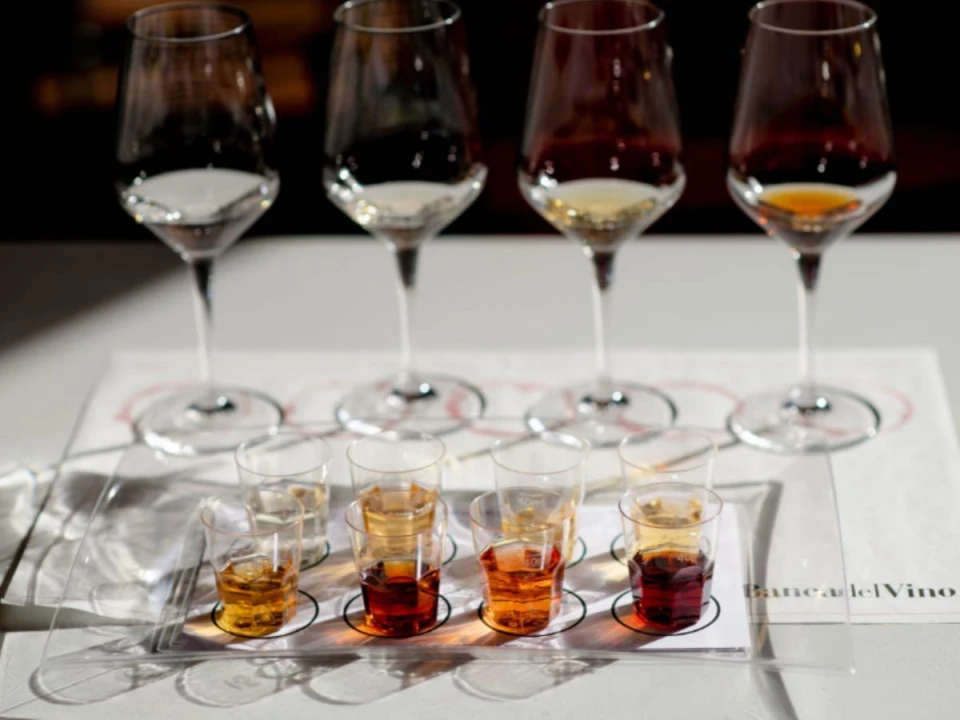
The resulting beverages offer a remarkable range of sensory experiences. Sweet red vermouth typically combines warm spices, herbal bitterness, and notes of caramel or dried fruit. White and dry styles emphasize different balances of sweetness, freshness, and aromatic intensity.
The traditional distinction between red, white, and dry vermouth does not simply reflect the color of the original wine. Coloring ingredients, botanical combinations, and production methods all contribute to the finished product's appearance and flavor.
In 2017, Vermouth di Torino received official recognition as a protected geographical indication within the European Union. Its production specifications establish a direct connection with Piedmont and require the use of Artemisia species among the characteristic botanicals.
The geographical indication distinguishes Vermouth di Torino from generic vermouth and reinforces the importance of its regional heritage.
The product's influence extends far beyond Italy. Vermouth became an essential ingredient in some of the world's most famous cocktails, including the Martini, Manhattan, and Negroni.
Its versatility helped shape international cocktail culture, particularly during the late nineteenth and early twentieth centuries, when sophisticated mixed drinks became increasingly popular in European and American cities.
In Turin, however, vermouth has always maintained a strong connection with the tradition of the aperitivo.
Served before a meal, often accompanied by small savory dishes, it represents a moment of relaxation and conversation. This social dimension remains central to the Italian appreciation of the drink.
Recent decades have brought renewed interest in traditional vermouth, with established producers and smaller companies exploring historical recipes, regional botanicals, and distinctive production techniques.
For Piedmont, this revival represents an opportunity to connect gastronomic heritage with contemporary consumer preferences.
Vermouth di Torino demonstrates how a product can preserve its historical identity while continually finding new audiences. From eighteenth-century Turin to cocktail bars around the world, its journey reflects the remarkable international influence of Italian beverage culture.