

Along the western stretch of Liguria, between the sea and the mountains, lies a landscape shaped as much by climate as by human ingenuity. Known as the Riviera dei Fiori, this area around Sanremo and the province of Imperia offers one of the most distinctive natural environments in Italy. Here, a unique microclimate has transformed a narrow coastal strip into one of Europe’s most important centers of floriculture.
The secret of this landscape lies in geography. The Ligurian Alps rise sharply just a few kilometers inland, forming a natural barrier that protects the coast from cold northern winds. At the same time, the Ligurian Sea moderates temperatures throughout the year. As a result, winter temperatures rarely drop below 8–10°C along the coast, while summers remain relatively mild compared to other Mediterranean regions. With over 300 days of sunshine annually and limited temperature variation, the conditions are ideal for cultivating delicate plant species that would not survive elsewhere in Italy.
This favorable climate has supported agricultural activity for centuries, but it was in the 19th century that floriculture began to develop on a large scale. By the early 20th century, the Riviera dei Fiori had already established itself as a major supplier of flowers across Europe. Today, Liguria accounts for approximately 60% of Italy’s total flower production and up to 90% for certain varieties, including cut flowers like ranunculus and anemones.
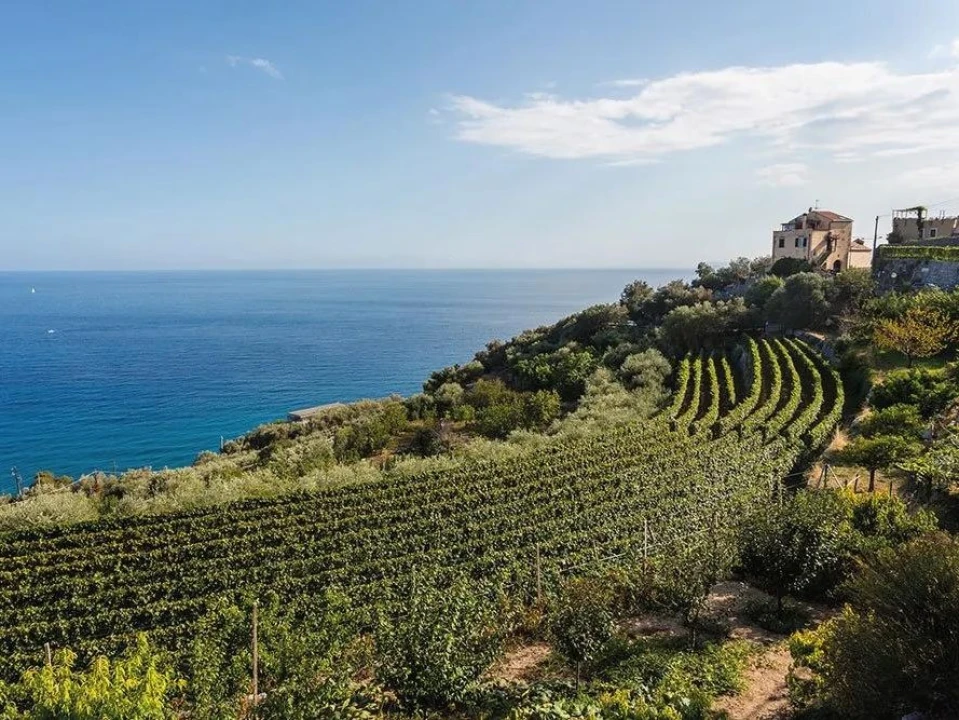
The landscape itself reflects this specialization. Hillsides are covered with greenhouses that cascade toward the sea, often built on narrow terraces supported by traditional dry-stone walls. These structures maximize exposure to sunlight while protecting crops from wind. In some areas, more than 70% of arable land is dedicated to floriculture, creating a patchwork of cultivated slopes that blend natural and human-made elements.
Sanremo, often associated with its famous music festival, is also the symbolic heart of this floral economy. The city hosts one of Italy’s most important flower markets, where millions of stems are traded each year. It is estimated that over 500 million individual flowers pass through the Ligurian supply chain annually, destined for domestic markets and international export. France, Germany, and the Netherlands are among the primary destinations, highlighting the region’s integration into the broader European economy.
Beyond its economic impact, the Riviera dei Fiori also represents a unique ecological balance. The combination of Mediterranean vegetation and cultivated species creates a rich biodiversity. Wild plants such as olive trees, maritime pines, and aromatic herbs coexist with carefully managed crops. This coexistence is made possible by the mild climate, which reduces the need for extreme agricultural interventions and allows for more sustainable practices compared to harsher environments.
However, this delicate system faces growing challenges. Climate change has begun to alter rainfall patterns and increase the frequency of extreme weather events. In recent years, periods of drought have alternated with intense storms, putting pressure on both infrastructure and crops. According to regional agricultural data, water availability has decreased by nearly 20% over the past two decades, forcing farmers to adopt new irrigation techniques and invest in more resilient plant varieties.
Urbanization also poses a threat. As coastal land becomes increasingly valuable for tourism and real estate, agricultural areas are shrinking. Since the 1960s, Liguria has lost a significant portion of its cultivated land, with some estimates suggesting a reduction of over 50% in certain coastal zones. This trend risks undermining not only the local economy but also the cultural identity tied to this landscape.
Despite these challenges, the Riviera dei Fiori continues to adapt. Innovation in greenhouse technology, sustainable water management, and organic cultivation methods is helping to preserve this unique system. At the same time, there is a growing awareness of the cultural and environmental value of this landscape, which goes far beyond its economic output.
In the Riviera dei Fiori, nature and human activity are inseparable. The microclimate provides the conditions, but it is centuries of adaptation and knowledge that have turned this narrow strip of land into a thriving floral region. It is a place where winter feels like spring, where the air carries the scent of blossoms even in January, and where the relationship between land and people remains as vital as ever.