

High in the Apennine Mountains of central Italy, a small legume has become one of the most recognizable agricultural products of the region of Umbria. The lentils grown on the plateau of Castelluccio di Norcia are famous for their flavor, size, and ability to grow in a challenging mountain environment. Cultivated at altitudes between about 4,300 and 4,900 feet, these lentils represent a unique example of how agriculture can adapt to high-altitude landscapes.
The production area lies within the Castelluccio plateau, a wide basin surrounded by mountains inside the Sibillini range. This agricultural zone covers roughly 3,000 acres and sits more than 4,000 feet above sea level. Winters are cold, and the growing season is relatively short, typically lasting from late spring to early autumn. These conditions limit crop diversity, but they create an ideal environment for lentils.
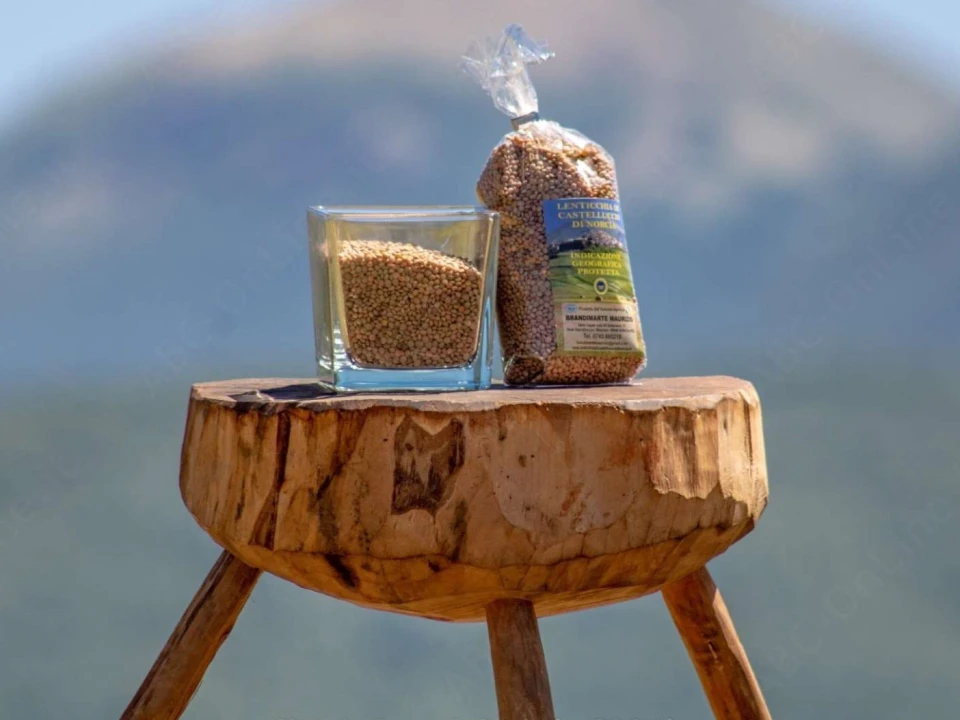
Castelluccio lentils are known for their small size and thin skin. Unlike larger varieties, they generally measure only 0.08–0.16 inches in diameter. Their color varies from light brown to green with subtle darker speckles. One distinctive characteristic is that they do not require soaking before cooking, and they maintain their shape during preparation.
Cultivation techniques remain relatively simple and are closely connected to the natural rhythm of the plateau. Farmers usually sow the seeds between March and May, depending on weather conditions. Harvesting typically takes place between late July and early August. Because the terrain is uneven and located at high altitude, mechanized farming is limited, and much of the work still depends on small-scale agricultural operations.
One of the most visually striking aspects of the region occurs during the flowering season. Between late May and early July, fields across the plateau bloom with a variety of plants grown alongside lentils, including poppies, cornflowers, and wild mustard. This seasonal transformation, often called the flowering of Castelluccio, creates bands of red, yellow, blue, and violet across the landscape. Each year thousands of visitors travel to the area to see this natural spectacle.
The lentils of Castelluccio have received official European recognition as a protected product. The IGP – Protected Geographical Indication – designation confirms that the crop must be grown within the defined production zone and according to specific standards. This certification helps protect the reputation of the product and supports local farmers in maintaining traditional cultivation methods.
Despite the relatively small scale of production, the lentils play an important role in the local economy. Annual output varies depending on weather conditions, but it generally ranges between several hundred and about 1,000 tons. Most of the harvest is sold within Italy, although demand has grown internationally as interest in regional foods and traditional agriculture continues to expand.
In the kitchen, Castelluccio lentils are valued for their delicate texture and slightly earthy flavor. They are often used in soups, salads, or simple dishes prepared with olive oil, garlic, and herbs. Because they hold their shape when cooked, they are also served as a side dish with meats or sausages.
Today the lentils of Castelluccio di Norcia represent more than just a local crop. They are part of a landscape where agriculture, environment, and cultural tradition intersect. On a mountain plateau where farming conditions are demanding, this small legume has become a symbol of regional identity and sustainable high-altitude agriculture.