
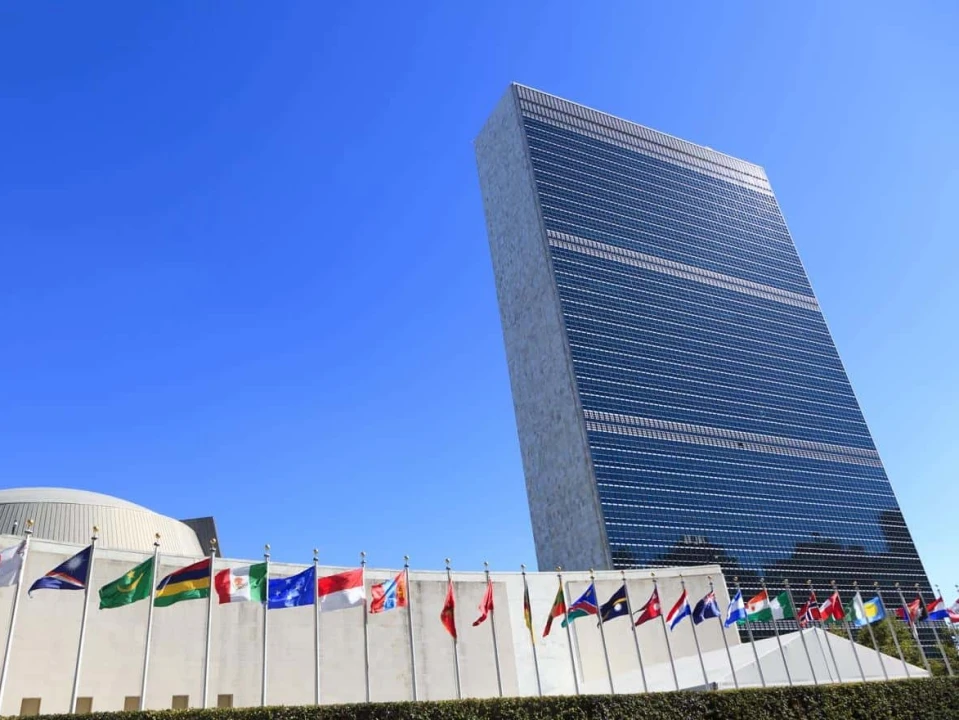
An Italian initiative born in the hills of Umbria is about to gain international visibility at the headquarters of the United Nations in New York.
From June 9 to 11, the UN will host the 19th annual Conference of States Parties to the Convention on the Rights of Persons with Disabilities (CRPD), bringing together governments, organizations, and advocates from around the world to discuss policies that promote inclusion and equal opportunities.
Opening Italy’s participation in the conference will be the exhibition Inclusion and Disability: The Solfagnano Charter – “Nothing About Us, Without Us.” The traveling exhibition draws inspiration from the Solfagnano Charter, the landmark document that emerged from the first-ever G7 dedicated to Inclusion and Disability, held in Italy in October 2024. The charter outlined eight key priorities aimed at advancing the rights, participation, and independence of people with disabilities.
The exhibition has already traveled through several international cities, including Geneva, London, Paris, and Berlin, and is scheduled to reach all G7 countries during 2026. Through illustrations, accessible language, and digital tools such as QR codes, it presents the charter’s principles in a way that can be understood by a broad audience, including people with visual impairments.
Italy’s delegation to the UN gathering will be led by Minister for Disabilities Alessandra Locatelli. During the conference, Italy will highlight initiatives that encourage full participation in society, focusing on areas such as sports, recreation, culture, independent living, and emergency protection for people with disabilities. Several side events will showcase practical examples of inclusion and personal development through social and athletic activities.
The Solfagnano Charter represents a significant milestone in international cooperation on disability rights. By bringing its message to the United Nations, Italy is helping transform commitments made at the G7 into a global conversation about accessibility, opportunity, and the recognition of every individual’s talents and potential.