


When travelers think of Piedmont, their minds often go immediately to the celebrated vineyards of Barolo and Barbaresco. Yet just across the Tanaro River lies a territory that remains one of northern Italy’s most fascinating hidden gems: the Roero. Rich in history, dramatic landscapes, renowned wines, and distinctive agricultural traditions, the Roero offers a different side of Piedmont – one that combines natural beauty with centuries of cultural heritage.
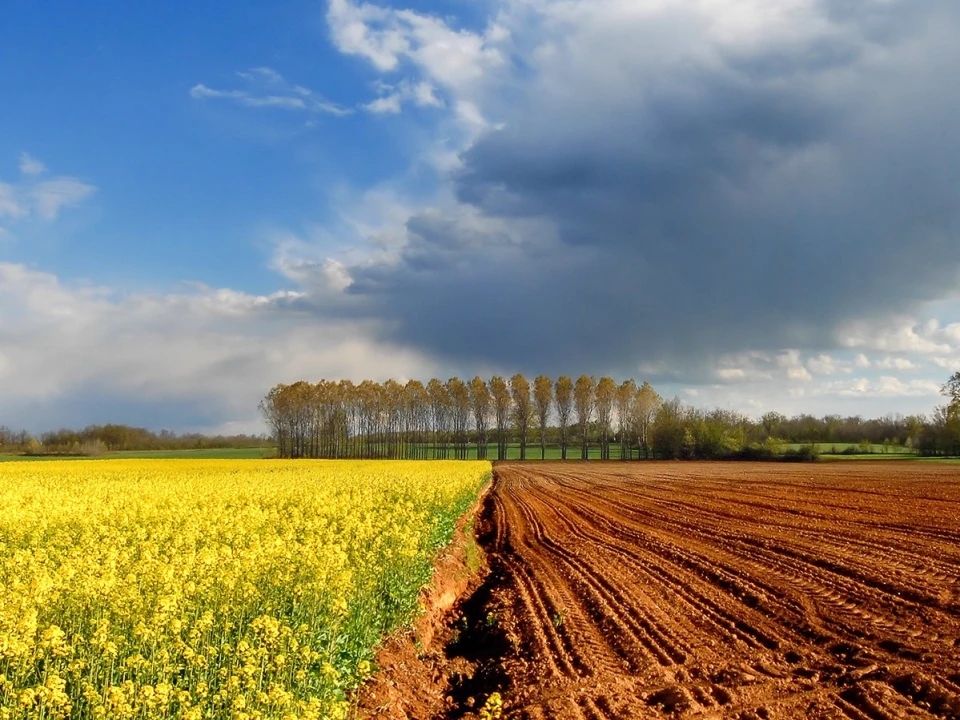
Located in the northeastern corner of the Province of Cuneo, the Roero stretches across rolling hills north of Alba. The Tanaro River forms its southern boundary, separating it from the neighboring Langhe. Although the two territories share a passion for wine, they possess very different identities. The Roero is characterized by a more varied landscape, where vineyards coexist with forests, orchards, and unique geological formations that cannot be found elsewhere in Italy.
The region takes its name from the Roero family, a powerful dynasty of bankers, merchants, and nobles from Asti who dominated the area for centuries during the Middle Ages. Their influence was so significant that the territory itself eventually adopted their name. Even today, castles, towers, and historic residences scattered throughout the countryside bear witness to their legacy.
One of the most extraordinary features of the Roero is the Rocche, a series of spectacular cliffs, ravines, and deep gorges that cut through the landscape for more than 20 miles. These formations were created by geological erosion over thousands of years and give the region an appearance unlike any other wine-growing area in Italy. Walking among the Rocche feels almost like exploring a miniature canyon system, where forests, vineyards, and steep walls coexist in a remarkable natural environment.
The geological history of the Roero is equally fascinating. Millions of years ago, much of this territory lay beneath an ancient sea. Evidence of that marine past can still be found today in fossil deposits and sandy soils that contribute to the character of the region’s wines. These soils differ significantly from those of the Langhe, giving Roero wines their own distinctive personality.
Wine remains the territory’s most famous resource. The Roero DOCG, produced primarily from Nebbiolo grapes, offers elegant reds that are often more approachable in their youth than neighboring Barolo wines. The region is equally celebrated for Roero Arneis, a white wine that has become one of Piedmont’s signature varieties. Fresh, aromatic, and mineral-driven, Arneis has experienced a remarkable revival over the last few decades and today represents one of the area’s greatest success stories. In 2005, Roero achieved DOCG status, Italy’s highest wine classification.
Beyond wine, agriculture remains central to local identity. The hills produce peaches, strawberries, hazelnuts, and the famous Madernassa pear, a local variety that originated in the late 18th century and remains one of the region’s culinary symbols. Seasonal markets and festivals celebrate these products throughout the year, reinforcing the connection between the land and its communities.
The Roero is also a land of castles and picturesque villages. Communities such as Canale, Guarene, Montà, Monteu Roero, and Santo Stefano Roero preserve historic centers that blend medieval architecture with rural traditions. Many of these villages occupy strategic hilltop positions that once controlled trade routes linking Turin, Asti, Alba, and the Ligurian coast.
International recognition arrived in 2014, when the wine landscapes of Langhe, Roero, and Monferrato were inscribed on UNESCO’s World Heritage List. UNESCO praised the area as an outstanding example of the interaction between people and nature, where centuries of viticulture have shaped both the landscape and local culture.
Today, the Roero remains one of Italy’s most authentic destinations. It lacks the crowds of more famous wine regions but offers visitors something equally valuable: a landscape where history, agriculture, nature, and tradition continue to coexist. It is a place where medieval castles overlook vineyards, where ancient seabeds produce world-class wines, and where every hill tells a story that stretches back centuries.
For those seeking the true soul of Piedmont, the Roero may be its best-kept secret.