

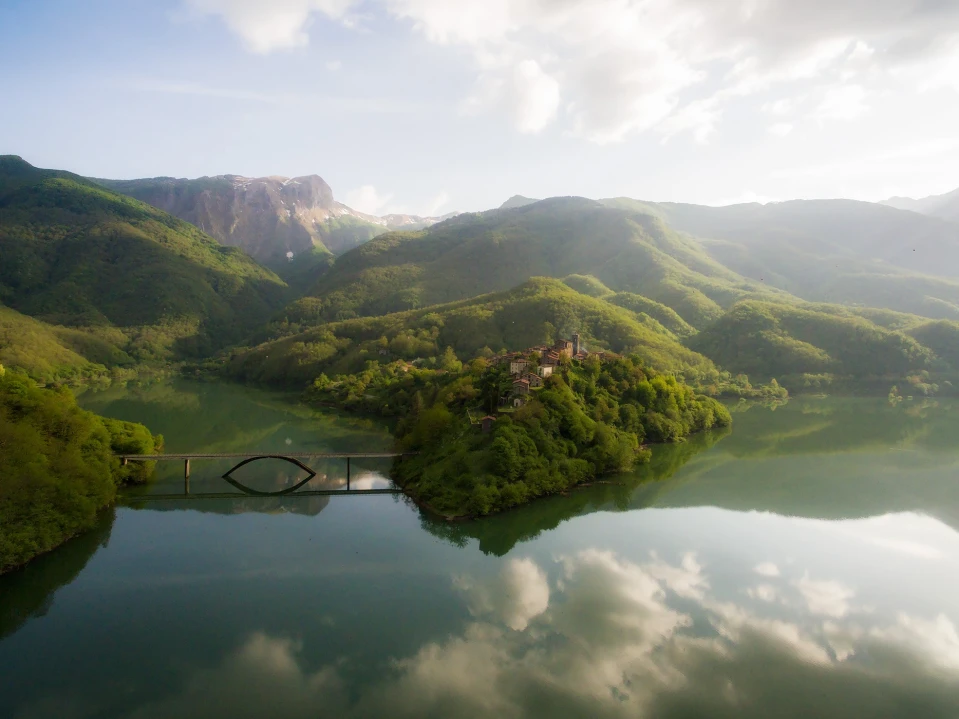

Tucked away in northern Tuscany, the Garfagnana is a slice of Italy often overlooked by tourists - a land shaped by mountains, forests, and centuries of history. This remote valley lies between the jagged Apuan Alps and the Tuscan-Emilian Apennines, with the Serchio River cutting through its heart and countless chestnut trees draping its slopes. Its rugged beauty, cultural treasures, and culinary traditions offer a timeless escape.
Land of layers and landscapes
The Garfagnana’s geography is striking. Its western side rises in rocky peaks of the Apuan Alps, while gentler, rolling hills define the eastern edge. The highest summit in Tuscany, Monte Prado (2,054 meters), stands guard over the region, and ancient chestnut forests blanket its valleys. These lands feel both wild and welcoming - perfect for hiking, mountain biking, or simply breathing in pristine, forest air.
Cultural echoes carved in stone
Pass through narrow roads and you’ll encounter medieval hill towns like Castelnuovo di Garfagnana and Barga, each perched against green-backdropped slopes. Castelnuovo, the valley’s largest town, is home to the centuries-old Rocca Ariostesca and a sturdy cathedral with Baroque touches. Barga, favored by poet Giovanni Pascoli, enchants with its red-roofed skyline and photogenic streets.
In San Romano you can hike to the dramatic Fortress of Verrucole, a commanding stronghold from Este times, now reachable via a humble rack railway. While browsing cobbled alleys, you may stumble across stories of local legends and ancient disputes - echoes of Garfagnana’s shifting loyalties through history.
Flavors rooted in tradition
Garfagnana’s cuisine leans into its agricultural heritage. Chestnut flour - used for treats like necci or castagnaccio - has been a staple since days when chestnuts were a primary food. The high-altitude farro, a hulled wheat variety, has remained in cultivation since ancient times and lends itself to soups, breads, or savory tarts.
These ingredients, layered into slow-cooked stews or rustic polenta dishes, are best enjoyed in local taverns where hearty fare meets alpine ambiance.
Untamed nature and hidden wonders
For lovers of the great outdoors, Garfagnana is a natural paradise. Beyond forests and peaks, unique sites beckon: the Devil’s bridge, the wind-carved depths of Grotta del Vento, the rugged chasm of Orrido di Botri, and myriad hiking routes threading through wild scenery. Streams and hidden lakes reflect Apuan summits while trails step lightly through fern-lined woodlands.
Seasonal changes bring vibrant transformations - from lush spring greens to chestnut-lit autumn tones - inviting year-round exploration.
Preservation amid change
Although remote, Garfagnana isn’t frozen in time. Local efforts are underway to revive small villages facing depopulation, with incentives and social hubs aimed at preserving life in the valley. These initiatives highlight a striking blend of resilience and tradition - villagers working to keep their mountain heritage alive.
Why Garfagnana matters
Amid Tuscany’s postcard views and Renaissance fame, the Garfagnana offers something different - authenticity, quiet beauty, and the echo of centuries. Here, every fortress, farm lane, and mountain pass feels alive with stories. It’s a place where history meets home and nature still writes the day's rhythm.
Whether you're tracing chestnut trees, sampling age-old recipes, or simply losing yourself in mist-topped valleys, Garfagnana invites a slower kind of discovery - one shaped by respect for land and time.