When we think about Made in Italy, the first word that comes to our mind is Fashion. It is an important part of the Italian lifestyle, and it represents some of the best talents of we, the Italians.
I've been searching for somebody who could explain to us and our readers why is that, and how this influenced the relationship between Italy and the US. The perfect person for the job is Professor Eugenia Paulicelli, an Italian scholar working and living in the US and author of several books about this important aspect of being Italian.
Eugenia, one of your books is called Writing Fashion in Early Modern Italy. From Sprezzatura to Satire. It seems a very interesting way of analyzing an important part of Italian history such as the renaissance, through fashion. Could you please tell us something more about this?
As a premise, I would like to say that my perspective on Italy and its culture, of which fashion is one of the most important manifestations, is based on two important factors.
One is that I am an Italian who lives in the US, secondly that I pay a lot of attention in my research to the relations between Italy and America. That said, it is clear that my perspective on Italy and things Italian might be slightly different from those Italians who have never left their country of origin. In fact, for me it has been an incredible experience to think of Italian identity and culture from this vantage point. This also has given me the chance to explore a number of features and characters of Italian identity.
For me, fashion is not only clothing. Rather, it is a system of social codes and behavior, lifestyles, aesthetic and political choices. And it is, of course, a powerful manufacturing industry. If we study the history of fashion with an eye to the history of Italian culture and its implications with social change, politics and the arts and design movements, we will get a richer picture. In this complex history, there are many points of intersection between Italy and the US. My approach has been interdisciplinary and with an international perspective.
This means reading scholarly works that belong to different domains to find the points of contact between them in order to corroborate my findings and also to study Italy not in isolation but in relation to other nationalities, cultures and countries. Indeed, Italy has been the site par excellence of this dialogue among different cultures and traditions harking back to classical antiquity.
Since Italian fashion was launched in the post-WWII years, one assumes that Italian fashion was born only when it began to compete with Parisian hegemony. But this I think is wrong because it prevents us from looking in depth at more distant periods of the past to find the deeper implications of the role of fashion had in the construction of Italy and Italians.
One important example is the concept of “sprezzatura,” which I have examined at length in my book Writing Fashion on the Renaissance.
Why the Renaissance? Because if we think about the Italian nation and the important periods for the conception of this idea of Italy and its culture, heritage and identity, we have to look at the Renaissance, which has been and still is crucial to understand this relationship. This is the phase of history in which nations and the idea of nations came to the fore. And why “sprezzatura”? The concept of was elaborated by Baldassarre Castiglione, a diplomat and politician, but also a very fine humanist and writer. Sprezzatura” is a staple in Italian culture, philosophy and aesthetics. It is a sense of style, knowing what you know and what you are and trying to work on it in order to reach the best you can.: a “constructed naturalness” that allows the individual to show him/herself at its best but without showing the work done to achieve that kind of image or style.
Castiglione applied this concept not only to dress, fashion and elegance, but also to writing, to behavior, even to dance. The perfect dancer, says Castiglione, is s/he who has a certain lightness, the perfect movement of the body in the space without showing all the effort that has been expended in order to achieve that kind of naturalness and grace.
It's a very fascinating concept, one that has been applied many times in Italian history. When I was doing my research for the book, I noticed that the term had been appropriated by the blogosphere. There were more than 50.000 hits containing the word "sprezzatura." These bloggers use the word in Italian mainly because it is hard to translate. Many of them were using it to talk about contemporary style, especially male suits and masculinity. "Sprezzatura" also describes the idea of coolness and beauty in Renaissance style, which Castiglione applies to both men and women. This is why I think it can be used to describe a certain Italian identity though the centuries. “Sprezzatura” is now a global passport indicating elegance and coolness that coincides in the imagination with Italian style.
Even cinema helps understanding this concept, right?
Recently I also published a book about Italian Cinema and Fashion, Italian Style: Fashion & Film. The book ends with an analysis of the film La Grande Bellezza by Paolo Sorrentino. The character Jep Gambardella, played by Toni Servillo, is a quintessential representation of the concept of “sprezzatura”: you can easily see it from the way he walks through the city of Rome! But besides being a philosophical and aesthetic concept, "sprezzatura" has also a great deal to do with material culture and fashion, with the variegated faces of the Made in Italy process.
When we think of Made in Italy, we usually think of the post-war years, the launch of Italian fashion, which, by the way, came to the fore because America and American journalists were involved in spreading the word. But Made in Italy as the idea of a fashion linked to the nation, its heritage and cultural history has a much longer history that goes back even to the botteghe artigiane of the Middle Ages that were operating in Italian cities at that time.
Besides, the Made in Italy is global and local at the same time. Global, because it has an impact on international culture. You can't understand the Made in Italy if you don't think about the appeal that, even today, it has on people from all over the world: think about America, or Asia. Local, because it is – yes - a collective brand, but one made up of many different local "Mades in Italy". The history of Italy is one of several diverse localisms: each Italian city and region has a very, very strong local identity and rich tradition, not only in culture and in arts, but also in artisanship, in craftsmanship. These are different skills, located from place to place, that artists and craftspeople have in practicing with their hands. These factors fascinate foreigner visitors and especially Americans.
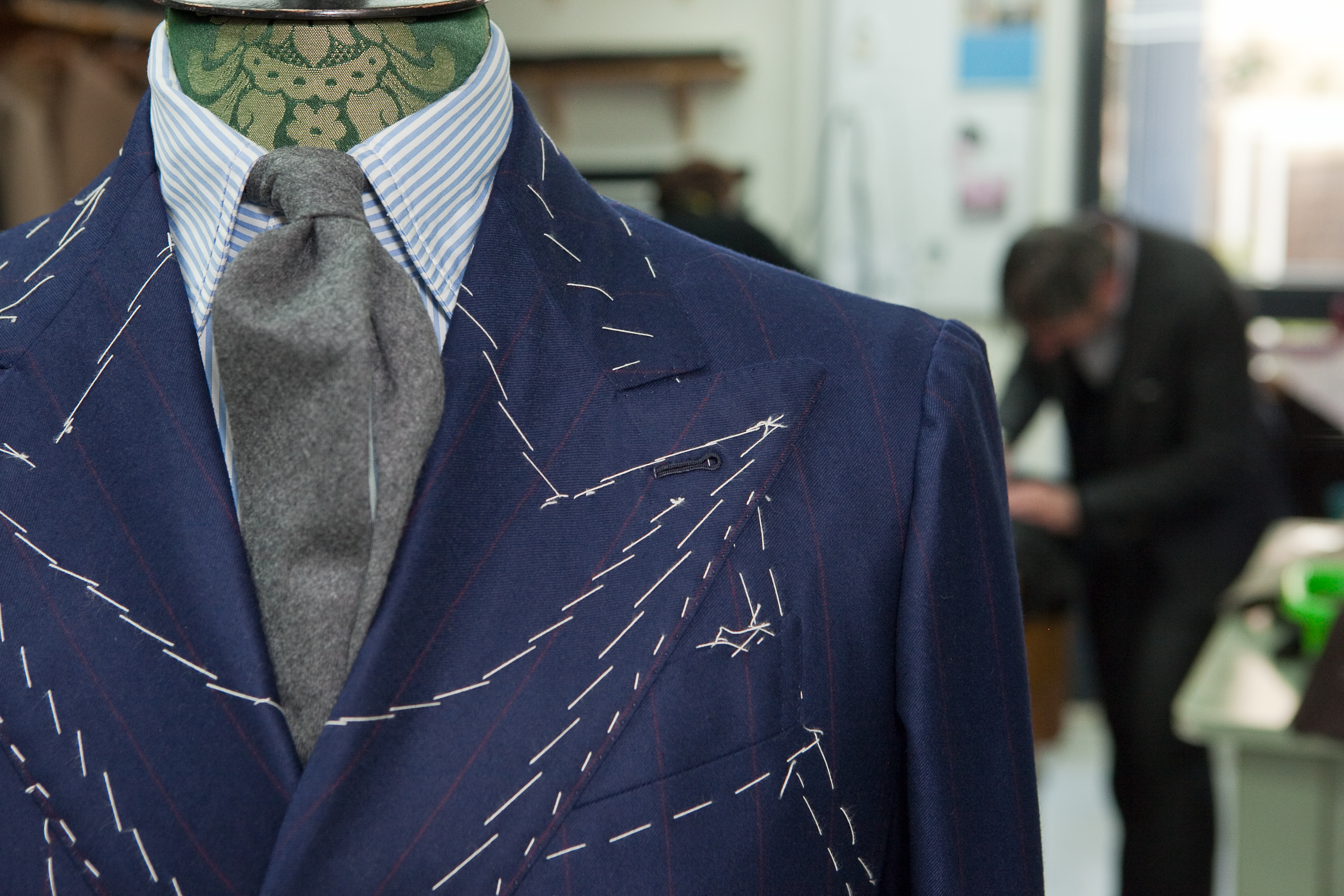
For example, Attolini promoting his idea of the Made in Naples: "La Sartoria Napoletana", which has a very, very distinct tradition in Italy. Italian American actors and celebrities are capitalizing and investing in Italy and in its multiple localities. John Turturro and Naples is one example, but there are many more.
Another example is Brunello Cucinelli: a very successful luxury brand that has been able to gain visibility through the stories it tells, all linked back to its territory, the Umbria region with its medieval tradition, the Renaissance castle. Cucinelli has never lost sight of the companies' local roots and is well-known for the way it treats his workers, practicing so-called "Capitalismo Umano" (Human Capitalism). You can't understand Cucinelli, and his Made in Italy, if you don't link it to Umbria and its particular geographical, cultural and traditional reality.
This is fundamental if we are to understand the Made in Italy and its value, because if we lose the ability of these skilled people, the artisans, the Made in Italy doesn't mean anything, especially to foreigners.
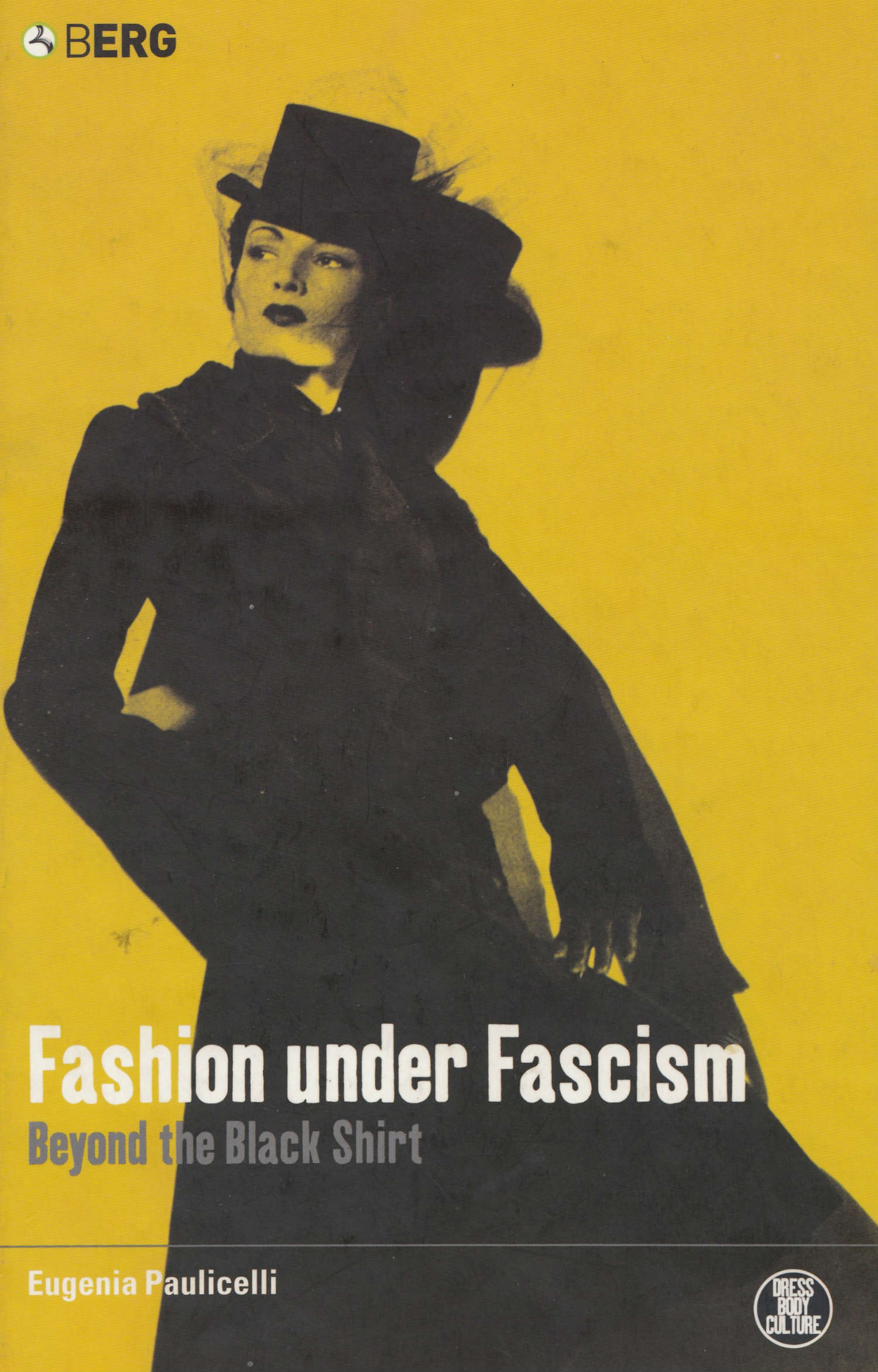
Another book you wrote examines fashion during Fascism: was there a specific Italian fashion back then?
It actually goes back to the other answer I gave you about the long history of Italian fashion and its implications with certain historical periods. Why fascism? Because it was in the 1930s that the fascist regime nationalized fashion. Mussolini wanted to create a "national official fashion" because Italy had an incredible number of artisans and artists but despite this the nation was not competing with Paris, which had established itself at that time as the world city of fashion.
Italian fashion didn't exist as a brand: so in the 1930s Mussolini created the "Ente Moda,” an institution designed to organize the different industries in this field (France had already boasted of one of these since the end of the 19th century). Italy was quite young compared to other European countries, and it was decided that the Italian fashion would give presence and visibility to Italy abroad. Besides, fashion was very instrumental in the fascist trend towards modernity.
Why are there so many Italians among the most important people in the fashion world? Is there something in our cultural heritage, maybe our DNA is particularly creative for a specific reason?
Well, I say this in a very humble way, but it is a fact that Italy is one of the most beautiful countries in the world: the arts, the monuments, the cities are just amazing. And I think that fashion is a part of it, because fashion has to do with aesthetics and beauty! There is a link right there, because you're surrounded by the richness of this beauty!
Now, about the DNA, I don't know, but it may be cultural, because we have important traditions of creativity: that, again, goes back to le botteghe of the Renaissance. The idea of the Made in Italy, of the workshop, the craftsmanship goes back to an idea that I think we have forgotten a little bit, while we should instead really cherish and defend it.
This approach is the same that our scientists and researchers are using looking ahead, towards the future: that is Italy, too. Nobody can use tradition the way we do, because it's in our history. Even other countries, France for example, now come and produce goods in Italy: so we have to develop this, not thinking about this skill in a nostalgic way, but in an innovative way. Teaching young Italians to specialize in this field, for instance. Again, Brunello Cucinelli is a good example, and he's not the only one: he established a school of crafts, "La Scuola dei Mestieri", where high school students can apply and receive a salary for 9 months in order to learn different kind of skills. I think that's important because we're living in a society in which more and more I think we need to connect hands with the brain ... it's our richness!
Fashion has also had a role in the integration of many thousands of Italians who emigrated to the US. In particular, many Italian women used to work in this sector, to bring a few bucks home while they were bringing up their children...
As you know there have been many different waves of immigration. If we go back to the end of the 19th century, the period of mass migration, and think of the fashion industry, all the American garments' industries were actually built by Italian and Jewish hands, by workers and skilled people who worked in terrible conditions. It’s enough to recall the Triangle Shirtwaist Factory fire in 1911, where 146 women died, and most of them Italian young girls.
At that time Italians were being stereotyped as "Mafiosi", while they desperately wanted to integrate into American society. This is why they wanted their children to speak English. Now things are completely different: Italians, and also Italian Americans, have received a great deal of recognition. They have contributed immensely to the development and construction of the American nation and its status as a super-power.
Even from a strictly commercial point of view, fashion and Made in Italy are a fundamental aspect of the relationship between Italy and the US. What can Italy do to improve exports in this sector to the US?
We can't just say "we're cool, we are the best!" It's a kind of empty propaganda, in my view. I think we need to show the way we work and really narrate the story of what's behind it all, not only the beautiful outcome. I am talking about the series of skills performed by craftspeople that bring us the high quality products that make up the Italian brand.
Besides, here in America we see a great deal of discussion about the minimum wage, the rights of the workers, the need to save the environment and to create a world where there is more equality and social justice. Some of these conversations are taking place in the world of fashion: Italy should be part of this.
Italy also has to improve its promotion of its young talents. Of course, the big brands an their big names deserve to be known and promoted, but what about the young designers, start-ups who have talent and creativity, but don't have the means in order to emerge into the fashion world? If we think about it, Italy is a small country, geographically, but it's so rich! I think that Italy and the US should work together in educating people, teaching them about fashion as a part of the cultural heritage just like food is. What we need is a more cohesive, far stronger bridge between universities and Italian and Italian American institutions abroad. I also think that the Italian government should invest in creating a serious map of what Italian language and culture programs are doing in the US.
"Italianness" also means care for appearances. If you grow up in Italy, you are surrounded by beauty, by a certain cultural life, by art. I think that there is a connection between the culture you grow up in, and the way you dress. In Italy, you didn't have to belong to the aristocratic class to dress up elegantly: even in peasant culture it was customary to put on a very nice suit or pair of pants and nice shoes for the holidays or to go for a walk in the center of the town. This is part of our cultural identity. Even today, in the US, there are many Italian Americans who maintain this level of attention and like to dress well, it is a sort of reconnection with the identity of their culture and their country!
I know that next fall in New York you will launch a Graduate Program on the Made in Italy. Could you tell us a bit more about it?
I've spent many of the last several years introducing the study of fashion into the academic environment. I founded and direct a Fashion Studies program in a Master of Liberal Studies at the CUNY Graduate Center. As I mentioned before, I think that fashion should be studied not only in fashion schools: to study its culture and history is equally important, if not more so. This has been my battle as an academic.
Italian Studies programs have been more centered on a traditional approach, towards literary studies. But many things are changing: we now have a Master in Italian Studies at Queens College, CUNY (City University of New York). I've been working on innovating the curriculum, which means studying Italian culture in a new framework, including visual culture, the concept and history of the Made in Italy and of the Italian fashion. I am also working with some graduate students to design Italian language courses using fashion: we held a workshop for High School teachers last February co-sponsored by IACE (Italian American Committee on Education).
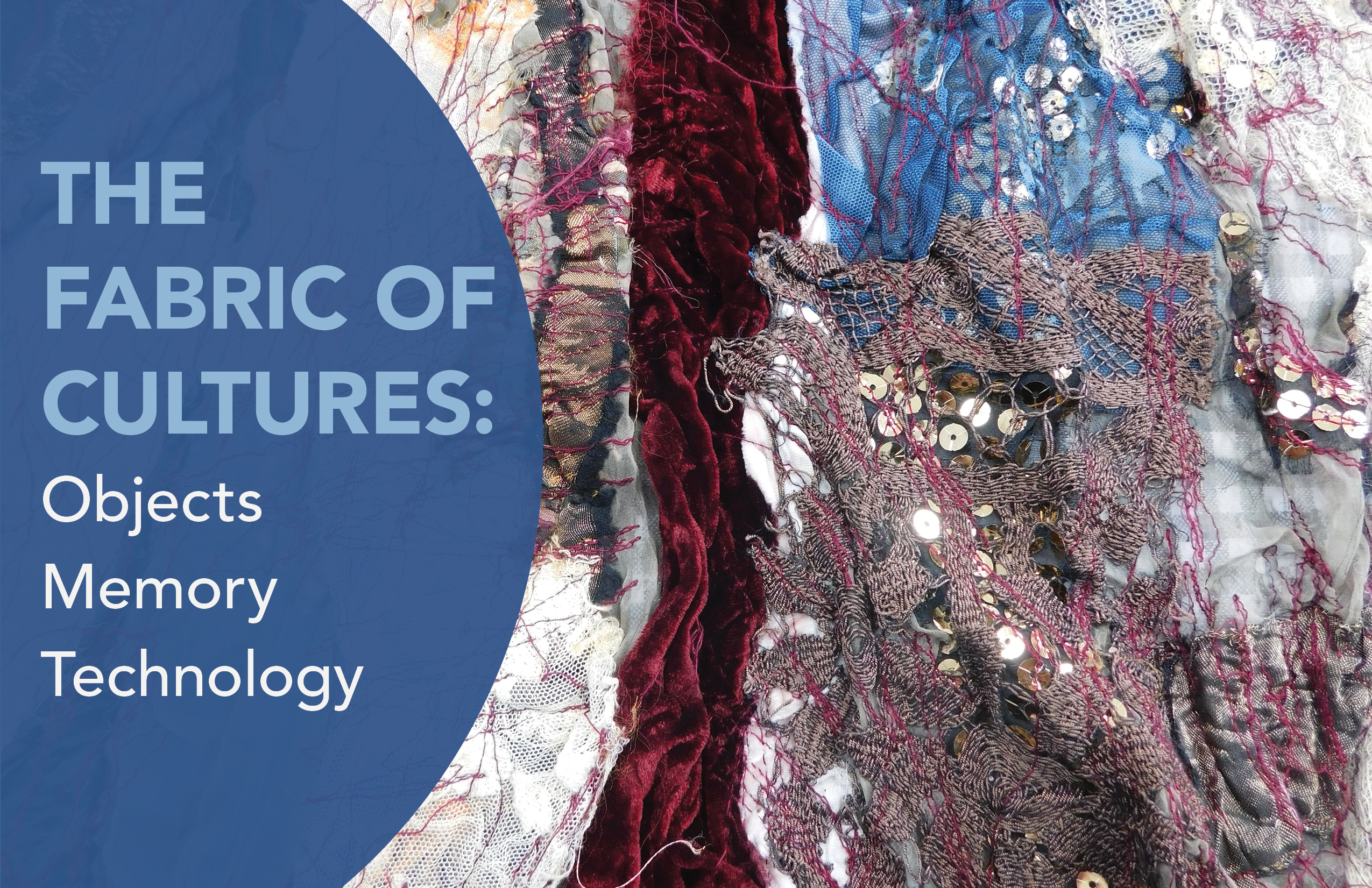
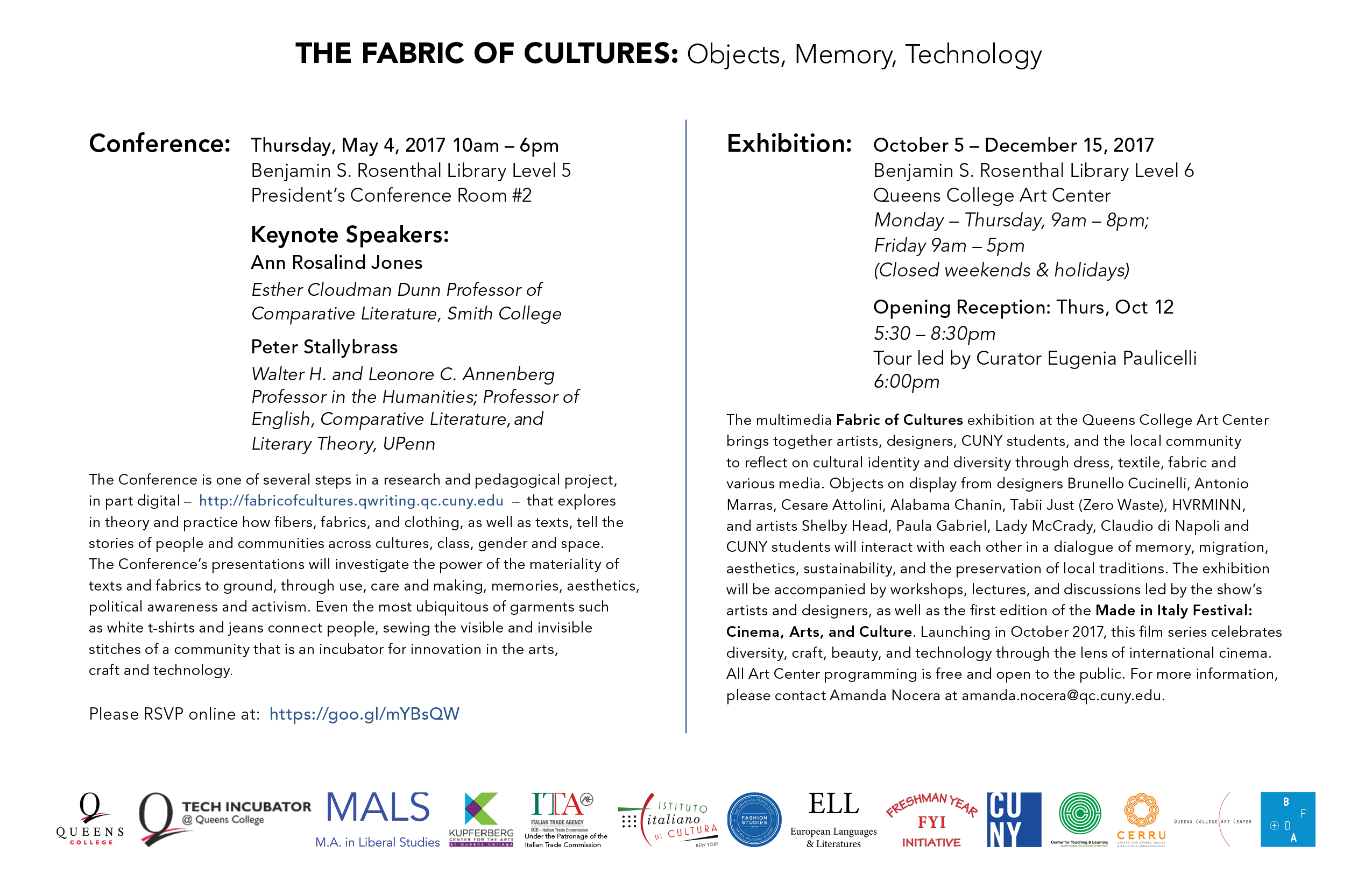
The new certificate program I have designed is called “Italian Culture in the 21st Century" (IC21) and will be launched in the fall of 2017 along with a Fabric of Cultures exhibition and a Made in Italy/Film Festival based at Queens College and the Graduate Center.
The program focuses on the study of Italian culture through the Made in Italy. We will connect students to industries and businesses, and have interdisciplinary classes: for example, courses on marketing and advertising. I am teaching a pilot class this semester that will be further developed next year. We are building a site where more information can be found. We have also just signed an internship agreement between CUNY and the Italian Trade Commission that will be linked to this new program.
What I would like to underline is how it is essential to understand that the Made in Italy needs to be studied and understood with a strong humanistic background, with the same kind of sensibility. We don't have to look at this only through numbers or business: the Made in Italy really is different from other brands, because it has that cultural manufacturing base that distinguishes us. If we don't understand that, if we don't have the background in order to analyze it, but also to sell it and to communicate it to the world, then we miss the point. As an educator, my role is also to form people who understand these important connections!
Quando pensiamo al Made in Italy, la prima parola che ci viene in mente è "Moda". È una parte importante dello stile di vita italiano e rappresenta alcuni dei migliori talenti di noi italiani.
Ho cercato qualcuno che potesse spiegarne il perché a noi e ai nostri lettori, e come questo ha influenzato il rapporto tra Italia e Stati Uniti. La persona perfetta per questo è la professoressa Eugenia Paulicelli, una studiosa italiana che lavora e vive negli Stati Uniti ed è autrice di diversi libri su questo importante aspetto di essere italiani.
Eugenia, uno dei tuoi libri si chiama Writing Fashion in Early Modern Italy. From Sprezzatura to Satire. Sembra un modo molto interessante di analizzare una parte importante della storia italiana come il Rinascimento, attraverso la moda. Potresti dirci qualcosa di più su questo tema?
Come premessa, vorrei dire che la mia prospettiva sull'Italia e sulla sua cultura, di cui la moda è una delle manifestazioni più importanti, si basa su due importanti fattori.
Il primo è che sono un'italiana che vive negli Stati Uniti; il secondo è che porto molta attenzione nella mia ricerca ai rapporti tra l'Italia e l'America. Detto questo, è chiaro che la mia prospettiva sull'Italia e sulle cose italiane potrebbe essere leggermente diversa da quella di un'italiana che non ha mai lasciato il proprio paese d'origine. Per me è un'esperienza incredibile quella di pensare all'identità e alla cultura italiane da questo punto di vista. Questo mi ha anche dato la possibilità di esplorare una serie di caratteristiche e particolarità dell'identità italiana.
Per me, la moda non è solo abbigliamento. Piuttosto, è un sistema di codici sociali e comportamenti, stili di vita, scelte estetiche e politiche. Ed è, ovviamente, un potente settore manifatturiero. Se studiamo la storia della moda mediante lo sguardo della storia della cultura italiana e delle sue implicazioni con il cambiamento sociale, la politica, le arti e il design, avremo un quadro più ricco. In questa complessa storia ci sono molti punti di intersezione tra l'Italia e gli Stati Uniti. Il mio approccio è stato interdisciplinare e con una prospettiva internazionale.
Ciò significa leggere differenti opere per trovare i punti di contatto tra di loro, per studiare l'Italia non in isolamento, ma in relazione ad altre nazionalità, culture e paesi. L'Italia è stata il luogo per eccellenza di questo dialogo tra diverse culture e tradizioni che risalgono fino all'antichità classica.
Poiché la moda italiana è stata lanciata negli anni dopo la seconda guerra mondiale, alcuni pensano che la moda italiana nasca solo quando comincia a competere con l'egemonia parigina. Ma questo credo sia sbagliato, perché ci impedisce di approfondire i periodi più lontani del passato per trovare le implicazioni più profonde del ruolo della moda nella costruzione dell'Italia e degli italiani.
Un esempio importante è il concetto di “sprezzatura”, che ho esaminato nel mio libro Writing Fashion sul Rinascimento.
Perché il Rinascimento? Perché, se pensiamo alla nazione italiana e ai periodi importanti per la concezione di questa idea dell'Italia e della sua cultura, patrimonio e identità, dobbiamo guardare al Rinascimento. Questa è la fase della storia in cui sono è venuta alla ribalta l'idea di nazione. E perché “sprezzatura”? Il concetto è stato elaborato da Baldassarre Castiglione, diplomatico e politico, ma anche ottimo umanista e scrittore. La "Sprezzatura" è un elemento fondamentale della cultura, della filosofia e dell'estetica italiane. E' lo stile di sapere ciò che sai e quello che sei e cercare di lavorare per raggiungere il meglio che puoi: una "costruita naturalezza" che permette all'individuo di presentarsi al suo meglio, ma senza mostrare il lavoro fatto per ottenere quel tipo di immagine o stile.
Castiglione applica questo concetto non solo al vestire, alla moda e all'eleganza, ma anche alla scrittura, al comportamento, persino al ballo. Il ballerino perfetto, dice Castiglione, è colui che ha una certa leggerezza, il perfetto movimento del corpo nello spazio, senza mostrare tutto lo sforzo che è stato speso per ottenere quel tipo di naturalezza e grazia.
È un concetto molto affascinante, che è stato applicato molte volte nella storia italiana. Quando stavo facendo ricerca per il mio libro, ho notato che la blogosfera si era appropriata di questo termine. C'erano più di 50.000 risultati contenenti la parola "sprezzatura". Questi blogger usano la parola "sprezzatura" in italiano, soprattutto perché è difficile da tradurre. Molti di loro la impiegavano per parlare di stile contemporaneo, in particolare maschile. Sprezzatura descrive anche l'idea di freschezza e di bellezza nello stile rinascimentale, che per Castiglione vale sia per gli uomini che per le donne. Questo è il motivo per cui ritengo che possa essere usato per descrivere una certa identità italiana anche nei secoli. La sprezzatura è oggi un passaporto globale che indica l'eleganza e l'essere "cool" che coincide con l'immaginazione dello stile italiano.
Anche il cinema aiuta a comprendere questo concetto, giusto?
Recentemente ho anche pubblicato un libro sul Cinema Italiano e Moda, Italian Style: Fashion & Film. Il libro si conclude con l'analisi del film La grande bellezza di Paolo Sorrentino. Il personaggio di Jep Gambardella, interpretato da Toni Servillo, è una perfetta rappresentazione del concetto di sprezzatura: si può facilmente vedere dal modo in cui cammina attraverso la città di Roma. Ma oltre ad essere un concetto filosofico ed estetico, la sprezzatura ha anche molto a che fare con la cultura e la moda materiale, con i variegati volti del processo del Made in Italy.
Quando pensiamo al Made in Italy, pensiamo generalmente agli anni del dopoguerra, il lancio della moda italiana: che - a proposito - è venuto in primo piano perché l'America e i giornalisti americani erano coinvolti nel diffonderlo. Ma il Made in Italy inteso come idea di una moda legata alla nazione, al suo patrimonio e alla sua storia culturale, ha una storia molto più lunga che risale addirittura alle Botteghe Artigiane del Medioevo che operavano nelle città italiane in quel momento.
Inoltre, il Made in Italy è globale e locale allo stesso tempo. Globale, perché ha un impatto sulla cultura internazionale. Non si può capire il Made in Italy se non si pensa al fascino che ancora oggi ha su persone provenienti da tutto il mondo: si pensi all'America o all'Asia. Locale, perché è - sì - un marchio collettivo, ma costituito anche da molti "Mades in Italy" locali. La storia d'Italia è quella di diversi localismi : ogni città e regione italiana ha una molto forte e ricca tradizione d'identità locale, non solo nella cultura e nelle arti, ma anche nell'artigianato. Queste sono competenze diverse, che cambiano da un luogo all'altro, che nascono dal lavoro con le mani di artisti e artigiani. Questi fattori affascinano molto i visitatori stranieri, soprattutto gli americani.
Ad esempio, Attolini promuovere la sua idea del Made in Napoli: "La Sartoria Napoletana", che ha una tradizione molto riconosciuta e particolare. Attori italoamericani, come ad esempio John Turturro a Napoli, stanno capitalizzando e investendo in Italia e nelle sue molteplici località.
Un altro esempio è Brunello Cucinelli: un marchio di lusso di grande successo che è stato in grado di ottenere visibilità attraverso le storie che racconta, tutte legate al suo territorio, la regione Umbria, con la sua tradizione medievale, il castello rinascimentale. Cucinelli non ha mai perso di vista le radici locali della sua azienda, ed è ben noto per il modo in cui tratta i suoi lavoratori, praticando il cosiddetto "Capitalismo Umano". Non si può comprendere Cucinelli, e il suo Made in Italy, se non si collega con l'Umbria e la sua particolare realtà geografica, culturale e tradizionale.
Questo è fondamentale se vogliamo comprendere il Made in Italy e il suo valore, perché se dimentichiamo la capacità di questi artigiani di talento, il Made in Italy non significa nulla, specialmente per gli stranieri.
Un altro libro che hai scritto, Fashion Under Fascism: Beyond the Black Shirt, esamina la moda italiana durante il fascismo: c'era una specifica moda italiana, allora?
Anche questo parla della storia della moda italiana e delle sue implicazioni con certi periodi storici. Perché il fascismo? Perché nel 1930 il regime fascista nazionalizzò la moda. Mussolini volle creare una "moda ufficiale nazionale" perché l'Italia aveva un numero incredibile di artigiani e artisti, ma nonostante questo l'Italia non era in competizione con Parigi, che si era affermata in quel momento come città principale della moda nel mondo.
La moda italiana non esisteva come un marchio: così nel 1930 Mussolini creò l'"Ente Moda", un istituto progettato per organizzare i diversi settori in questo campo (la Francia ne aveva già uno dalla fine del XIX secolo). L'Italia era abbastanza giovane rispetto ad altri paesi europei, e si decise che la moda italiana avrebbe dato all'Italia presenza e visibilità all'estero. Inoltre, la moda era molto strumentale nella tendenza fascista verso la modernità.
Perché ci sono così tanti italiani tra le persone più importanti del mondo della moda? C'è qualcosa nel nostro patrimonio culturale, forse il nostro DNA è particolarmente creativo per una ragione specifica?
Bè, lo dico in modo molto umile, ma è un dato di fatto che l'Italia è uno dei paesi più belli del mondo: le arti, i monumenti, le città sono semplicemente incredibili. E penso che la moda sia parte di ciò, perché la moda ha a che fare con l'estetica e la bellezza! Esiste un preciso collegamento, perché in Italia si è circondati dalla ricchezza di questa bellezza!
Ora, circa il DNA, non lo so, ma ci può essere un gene culturale, perché abbiamo una importante tradizione di creatività: che, ancora una volta, fa riferimento alle Botteghe del Rinascimento. L'idea del Made in Italy, del laboratorio artigianale, risale a un'idea che credo abbiamo un po' dimenticato, mentre dovremmo invece davvero riprenderla e difenderla.
Questo approccio è lo stesso che i nostri scienziati e ricercatori stanno usando guardando avanti, verso il futuro, anche in Italia. Nessun altro può usare la tradizione come facciamo, perché è nella nostra storia. Anche altri paesi, la Francia per esempio, ora portano il processo produttivo in Italia: quindi dobbiamo sviluppare questo principio, non pensare a questa abilità in modo nostalgico, ma in modo innovativo. Per esempio, bisogna insegnare ai giovani italiani a specializzarsi in questo campo. Anche in questo caso, Brunello Cucinelli è un buon esempio, e non è l'unico: ha fondato una scuola di artigianato, "La Scuola dei Mestieri", in cui gli studenti delle scuole superiori possono ricevere uno stipendio per 9 mesi al fine di imparare diversi tipi di abilità artigianale. Penso che sia importante perché stiamo vivendo in una società nella quale a mio avviso dobbiamo sempre più collegare le mani al cervello ... è la nostra ricchezza!
La moda ha anche avuto un ruolo nell'integrazione di molte migliaia di italiani emigrati negli Stati Uniti. In particolare, molte donne italiane lavoravano in questo settore per portare qualche dollaro a casa mentre crescevano i loro figli ...
Come è noto ci sono state diverse ondate di immigrazione. Se torniamo indietro alla fine del XIX secolo, il periodo della migrazione di massa e pensiamo all'industria della moda, tutte le industrie americane di abbigliamento furono realmente realizzate da mani italiane e ebraiche, da lavoratori e persone specializzate che lavoravano in condizioni terribili. Basta ricordare il fuoco della fabbrica Triangle Shirtwaist nel 1911, dove morirono 146 donne, e la maggior parte di loro erano giovani ragazze italiane.
A quel tempo lo stereotipo verso gli italiani li descriveva tutti come "mafiosi", mentre loro volevano disperatamente integrarsi nella società americana. Per questo vollero che i loro figli parlassero inglese. Ora le cose sono completamente diverse: gli italiani, e anche gli italoamericani, sono molto apprezzati per il loro immenso contributo allo sviluppo e alla costruzione della nazione americana e del suo status di superpotenza.
Anche dal punto di vista strettamente commerciale, la moda e il Made in Italy hanno fondamentale importanza allo sviluppo dei rapporti tra Italia e USA. Cosa può fare l'Italia per migliorare le esportazioni di questo settore negli Stati Uniti?
Non possiamo limitarci a dire "siamo a posto, siamo i migliori". E' un po' una vuota propaganda, a mio avviso. Penso che abbiamo bisogno di mostrare il nostro modo di lavorare, e di raccontare davvero la storia di ciò che c'è dietro, non solo il magnifico risultato. Sto parlando delle grandi e diverse abilità degli artigiani italiani, che realizzano i prodotti di alta qualità che costituiscono il marchio italiano.
Inoltre, qui in America c'è una grande discussione circa il salario minimo, i diritti dei lavoratori, la necessità di salvare l'ambiente e di creare un mondo dove c'è più uguaglianza e giustizia sociale. Alcune di queste conversazioni si svolgono nel mondo della moda: l'Italia dovrebbe essere parte di ciò.
Anche l'Italia deve migliorare la promozione dei suoi giovani talenti. Naturalmente, i grandi marchi meritano di essere conosciuti e promossi, ma che dire dei giovani designer, delle start-up che hanno talento e creatività, ma non hanno i mezzi per emergere nel mondo della moda? Se ci pensiamo, l'Italia è un piccolo paese, geograficamente: ma è così ricco! Penso che l'Italia e gli Stati Uniti dovrebbero lavorare insieme per educare la gente, introducendola al concetto di moda come parte del patrimonio culturale, proprio come il cibo. Ciò di cui abbiamo bisogno è un ponte più coeso e più forte tra le università e le istituzioni italiane, sia quelle in Italia che quelle all'estero. Ritengo inoltre che il governo italiano dovrebbe investire nella creazione di una seria mappa di quello che i programmi di lingua e cultura italiana stanno facendo negli Stati Uniti.
"Italianità" significa anche la cura per le apparenze. Se cresci in Italia, sei circondato dalla bellezza, da una certa vita culturale, dall'arte. Penso che vi sia una connessione tra l'ambiente culturale in cui si cresce e il modo in cui ci si veste. In Italia non era necessario appartenere alla classe aristocratica per vestirsi in modo elegante: anche nella cultura contadina era consuetudine mettere un vestito molto bello o un paio di pantaloni e scarpe ben fatti per le vacanze o per andare a fare una passeggiata nel centro della città. Questo fa parte della nostra identità culturale. Ancora oggi, anche negli Stati Uniti ci sono molti italoamericani che mantengono questo livello di attenzione e vogliono vestirsi bene, è una sorta di riconnessione con l'identità della loro cultura e del loro Paese!
So che nel prossimo autunno a New York lancerai un programma di laurea sul Made in Italy ...
Ho trascorso molti degli ultimi anni introducendo lo studio della moda nell'ambiente accademico. Ho fondato e diretto un programma di studi di moda nell'ambito di un Master di Liberal Studies presso il CUNY Graduate Center. Come ho già detto prima, penso che la moda dovrebbe essere studiata non solo nelle scuole di moda: studiarne la cultura e la storia è altrettanto importante, se non di più. Questa è stata la mia battaglia come accademica.
I programmi di Italian Studies sono più centrati su un approccio tradizionale, verso gli studi letterari. Ma molte cose stanno cambiando: ora abbiamo un Master in Italian Studies al Queens College, CUNY (City University of New York). Ho lavorato per innovarne il programma, di modo da studiare la cultura italiana in un nuovo contesto, comprendendo l'approccio visivo, il concetto e la storia del Made in Italy e della moda italiana. Sto lavorando anche con alcuni studenti laureati per progettare corsi di lingua italiana usando il punto di vista della moda: abbiamo tenuto un workshop per gli insegnanti di liceo lo scorso febbraio, promosso dallo IACE (Italian American Committee on Education).
Il nuovo programma che ho creato è chiamato “Cultura italiana nel XXI secolo" (IC21) e sarà lanciato nell'autunno del 2017 insieme ad una mostra chiamata "Fabric of Cultures" e ad un Made in Italy/Film Festival che si terrà al Queens College.
Il programma si concentra sullo studio della cultura italiana attraverso il Made in Italy. Collegheremo gli studenti con le imprese e avremo classi interdisciplinari: ad esempio, ci saranno corsi di marketing e pubblicità. Sto insegnando in questo semestre una classe pilota, che verrà poi ulteriormente sviluppata il prossimo anno. Stiamo anche realizzando un sito dove si possono trovare più informazioni. Abbiamo appena firmato un accordo con l'ICE di New York, collegato a questo nuovo programma.
Quello che vorrei sottolineare è quanto sia essenziale capire che il Made in Italy deve essere studiato e capito con un forte background umanistico, con lo stesso tipo di sensibilità, non solo attraverso numeri o attività: il Made in Italy è davvero diverso da altri marchi perché ha quella base di produzione culturale che ci distingue. Se non lo capiamo, se non abbiamo il background giusto per analizzarlo, ma anche per venderlo ed essere in grado di comunicarlo al mondo, allora stiamo perdendo di vista il vero obiettivo. Come educatore, il mio ruolo è anche quello di formare persone che capiscano queste importanti connessioni!