

In recent years, Italian television has undergone a quiet but significant transformation. What was once a largely domestic industry, rooted in traditional formats and local audiences, has evolved into a dynamic sector increasingly shaped by global platforms and cinematic ambition. The rise of streaming services has played a central role in this shift, opening Italian storytelling to international viewers and raising expectations in terms of visual style, narrative complexity, and production quality.
Platforms such as Netflix, Amazon Prime Video, and Disney+ have actively invested in Italian content, recognizing the appeal of stories deeply rooted in place yet universally accessible. Series that once might have remained within national borders are now traveling widely, subtitled and dubbed for audiences far beyond Italy. This global distribution has fundamentally changed how Italian series are conceived and produced.
One of the most emblematic examples is Mare Fuori, set in a juvenile detention center in Naples. Its success has extended well beyond Italy, driven by a combination of strong characters, a compelling emotional core, and a soundtrack that resonates with younger audiences. Actors such as Massimiliano Caiazzo and Carolina Crescentini have become widely recognizable, while the show itself demonstrates how local settings can generate global engagement.
Earlier productions helped pave the way. Suburra, released on Netflix, introduced international viewers to a darker, more complex vision of Rome, blending crime, politics, and personal drama. Directed in part by filmmakers like Michele Placido and featuring actors such as Alessandro Borghi, the series showcased a more cinematic approach to television, with high production values and layered storytelling.
At the same time, a new generation of creators is reshaping the language of Italian series. Directors like Sydney Sibilia and Francesca Mazzoleni are experimenting with tone and structure, blending genres and pushing beyond traditional television conventions. Their work reflects a broader trend in which the boundaries between cinema and television are increasingly blurred.
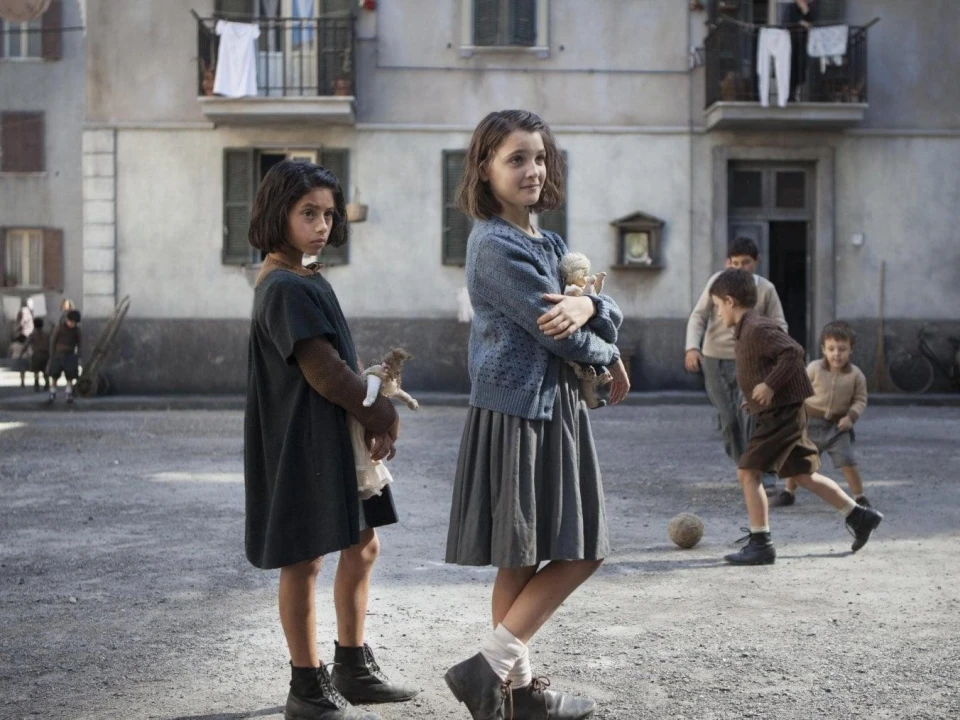
This evolution is also evident in the visual style of recent productions. Italian series today often feature carefully crafted cinematography, dynamic camera work, and attention to lighting and composition that rivals feature films. Projects like L'amica geniale, based on Elena Ferrante’s novels and directed by filmmakers including Saverio Costanzo, exemplify this shift. The series combines literary depth with a strong visual identity, creating a product that feels both intimate and expansive.
Actors, too, are navigating this changing landscape. Performers such as Matilda De Angelis and Eduardo Scarpetta move fluidly between cinema and television, reflecting a broader integration of the two industries. For emerging talents, streaming platforms offer visibility that was previously difficult to achieve, allowing them to reach audiences far beyond Italy.
The reasons behind this transformation are both economic and cultural. Streaming platforms bring increased budgets and international distribution, but they also demand stories that can travel. Italian creators have responded by focusing on themes that resonate globally – identity, power, youth, and social change – while maintaining a strong sense of place. Cities like Naples and Rome are not just backdrops but integral elements of the narrative, contributing to the authenticity that distinguishes Italian productions.
Yet this global expansion also presents challenges. As Italian series become more international, there is a risk of losing the specificity that makes them unique. Balancing local identity with global appeal remains a central tension. At the same time, competition is intense, with productions from around the world vying for attention on the same platforms.
Despite these challenges, the trajectory is clear. Italian television is no longer confined to a national framework. It is becoming part of a broader, interconnected entertainment landscape in which quality, originality, and visual ambition are essential. The shift toward more cinematic storytelling is not simply a stylistic choice but a reflection of deeper changes in how stories are produced, distributed, and consumed.
In this new context, Italian series are finding a voice that is both rooted and global. They are no longer just television – they are a form of storytelling that stands alongside cinema, capable of reaching audiences worldwide while preserving a distinct cultural identity.