There's a family that runs its history through the decades serving the town of San Francisco: before Joseph, then his daughter Angela, now her son Joseph. There's a project called Porziuncola Nuova that connected San Francisco to Saint Francis' town, Assisi. There's a square in front of a church in the North Beach, San Francisco's Little Italy, that is about to become a true Italian Piazza.
All these stories have someone in common: a force of nature, Angela Alioto.
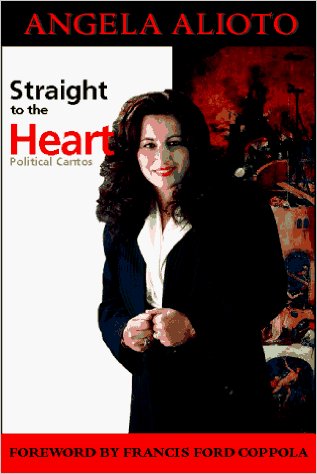
Angela, you come from a very important Italian American family: your father Joseph L. Alioto has been Mayor of San Francisco from 1968 to 1976, continuing a tradition of Italian Mayors that dates back to the glorious times of Angelo Rossi. You yourself were elected as President of the Board of Supervisors and you have even written a book about your experiences in San Francisco politics, called "Straight to the Heart". Now your son, Joseph Alioto Veronese serves as a San Francisco Police commissioner ... family, service, tradition, it is a typical Italian American story, right?
Yes, my father, Joseph Alioto, was mayor in San Francisco from 1968 to 1976. I have five brothers, no other sisters.
He was the son of a Sicilian fisherman, very poor. His father and his mother, Domenica Lazio, very focused on education, and they made sure that their three daughters and one son got educated. The determination of my grandmother Alioto was very important on my dad's side. He was definitely a mama's boy, and everything he did was focused on his roots. It is funny ... according to my father every great thing that has ever been done in history was done by an Italian!
My father ran for mayor in 1966. I was in school in Firenze, and I will never forget when he came and said: "We have to go home, I am going to run for the mayor elections in San Francisco". You know, I loved Florence ... but we went home and he ran for mayor and he won, and he had never held an elective office before: in '50s, he had been the President of the Board of Education, because he was catholic, and that was appointed by religion.
So, he was mayor for eight years: I didn't like politics that much because it took my father away from me. It is a very hard job, it's day and night, 24 hours a day, non-stop, and he's the best mayor San Francisco's ever had. He put his heart and his soul into it. I was not crazy about it, so I came to Italy and then bought my house in Fregene, near Rome, 40 years ago these days.
So, dad had eight years of politics, and after that I ran for the Board of Supervisors and I won in '88 and in '92, with the highest number of votes in the history of San Francisco. They were very exciting times, with a lot of activism. My father's time was incredible: his best talent in my opinion, as being mayor, was putting together coalitions, bringing together people of all thoughts, in the same room. I believe that stopped dividing.
My time was different: a calmer time with no killings of political leaders, a lot of activism, still: it was in the middle of the HIV outbreak, just discovering what HIV was, a lot of protest, a lot of pro-gay and anti-gay protest; a lot of anti-war protests because that's when we went to Kuwait, and I was running for mayor of San Francisco...
San Francisco to me is Italian American and Chinese: it has many different countries in it. When you ran for mayor of San Francisco, like my father always said, and I ran for mayor twice, it is very much like going around the world.
I am such an Italophile: for me San Francisco was built on the back of the Italians and of the Chinese, at that time and of course, the Latinos, but the Italians and the Chinese in San Francisco and in every major city have always had their areas next to each other. Chinatown and Little Italy in San Francisco, New York, Chicago: they are very similar. They both have tradition, family, values and respect for the elderly.
Please tell our readers something more about San Francisco's Little Italy, the North Beach
The North Beach has been and still is extremely important for the history of the city, for 150 years and more. Many Italians now have moved out, but the community wants to give back, to have an opportunity to put the Italian flag in the ground forever.
It's where being Italian started, to me ... when I was a little girl, every Thursday my mother would drive all of us down there to pick up the tortellini and the ravioli from Florence Ravioli. There were several Italian shops: Genova, George's store, Caffé Trieste "the first cappuccino on the West Coast" ... you know, community stores, and a lot of them are gone. I was only 6 years old but you know, it was the beginning of the café scene in San Francisco and it was very Italian. You could always go there to listen to Italian music.
So now there are Caffè Trieste, Caffè Puccini, Caffè Roma, you can go there and listen to Italian music like we used to when I was a kid; and then there's Pantarelli, Colosseo, Melissa and a lot of new Italians who have opened in the North Beach. So it's still very Italian.
In 2005 you created the Porziuncola Nuova. What is it?
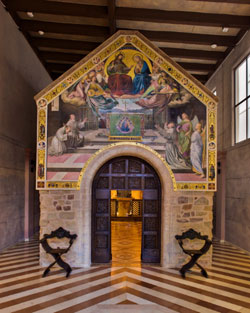
It started as an exact replica of the original in Assisi, where Saint Francis lived, where he created the Franciscan order, he consecrated Santa Chiara and he died there: but Porziuncola Nuova is not a replica anymore.
Porziuncola means "small portion of land" and refers to the Benedictine chapel Saint Francis restored when he was a young man. I have been a Franciscan since I was 15. In 2005, I went to Italy and I started measuring the original Porziuncola. I got all the stones, we got together several artisans and artists. A month before we opened, Pope Benedict did a decree to rename it "The Porziuncola Nuova" and he gave us the pardon of Saint Francis: we are the only chapel in the US with such a big pardon, there is only five in the world.
We opened on September 27, 2008. In the summer of 2008 I started the Knights of Saint Francis, which is a group of people to guard the Porziuncola, protect, maintain and take care of it. Their website is www.knightsofsaintfrancis.com: we're over 1215 now and we also visit and help the poor, we try to work on many different problems in the city.
What's the Piazza Saint Francis Project?
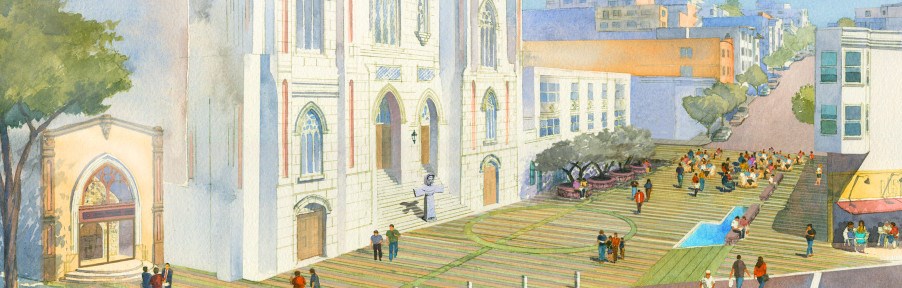
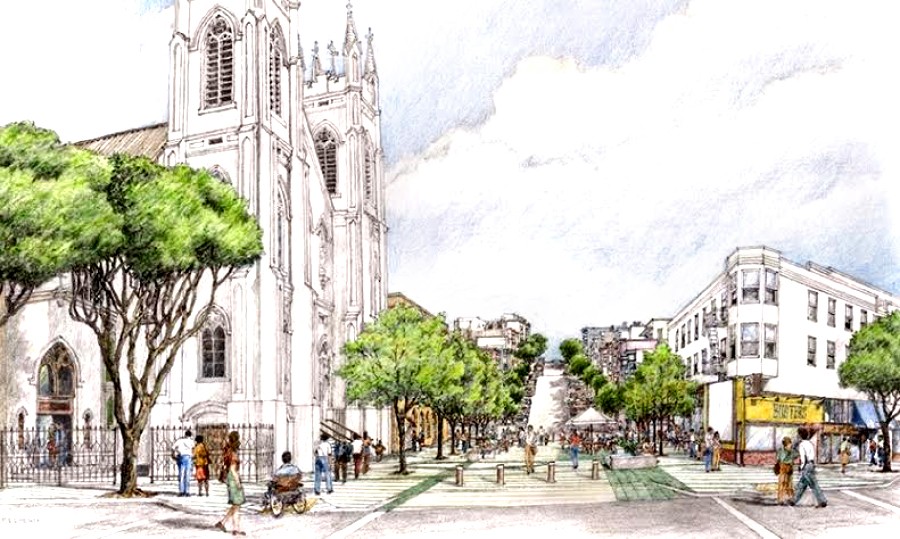
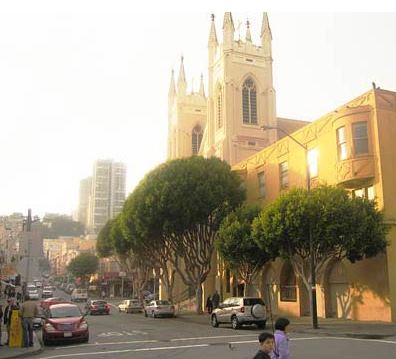
The "Piazza Saint Francis, The Poets Plaza" is envisioned as a simple piazza honoring Peacemakers and Poets, and the community of the North Beach. The piazza is going to be absolutely gorgeous. I just have come back from Forte dei Marmi, where the marble will come from: actually it's not marble, it's serpentine. It is an incredible green. This piazza is going to be the most gorgeous piazza in the United States. The website is www.piazzasf.org
The piazza will be green and white, green and white stripes. In the stripes, there will be quotes from about eighteen poets, in bronze. Then there will be a "circle of peace" in front of the church, one big piece of green serpentine that will make it look like the world. And around it there will be bronze representations of Mahatma Gandhi, Martin Luther King, Nelson Mandela, Mother Theresa, and of course Saint Francis.
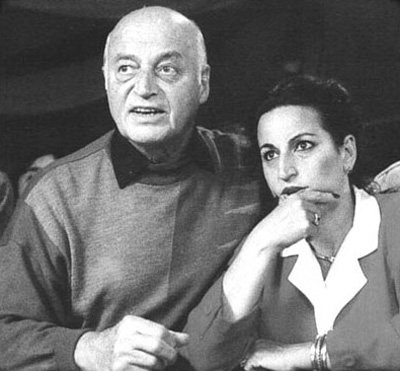
I am working on this with Lawrence Ferlinghetti, and let me tell you, working with Lawrence Ferlinghetti has been incredible. It's not easy to work with someone who is a poet, 96 years old and every word, EVERY WORD he says means something. So it's been an amazing experience.
When the Piazza Saint Francis Project will be completed?
We are going to close the Piazza in September, so everybody gets used to it being closed to traffic. Then we have the festa for Saint Francis and the Knights of Saint Francis in October. And then the works for the permanent Piazza will begin on January 14th : all the water pipes, the electricity and the new foundations. I hope it will be finished by July or August. It would be wonderful if Pope Francis would come to the inauguration! We already know that the Dalai Lama will be there.
Are you fundraising among the Italian American community for this project?
I'm trying to, but it's not easy.
What about the church?
Not gonna happen. This is a three and a half million dollars Piazza, but the church is not going to participate in this. I raised two and a half million for the Porziuncola, so we will do it. There are many very wealthy Italians in San Francisco. We will definitely do it. The Knights of Saint Francis are willing to maintain and take care of Piazza San Francesco, so we will be raising money for a long time to make sure that the piazza stays beautiful, polished, you know, a place where everybody wants to be.
Why is the concept of "piazza" so important? Is it just an architectural or urbanistic thing, or there is something else there? Maybe a tribute to Italy, too?
It is a tribute to Italy, and it's a tribute to the concept of communication. Especially today, with all the telephones, the computers and tablets ... this is communication, one on one. Even Papa Francesco says, in the Enciclica Laudato Si, that the piazzas of this world are very important. I couldn't believe it when I read it, how amazing is such an important concept to bring people together. I remember the afternoons in Florence, in Piazza della Repubblica, all those people debating politics, exchanging ideas about the world, talking about every important topic. The Piazza, in Italy, is traditionally a place to communicate.
C'è una famiglia che per decenni ha visto un suo membro a servizio della città di San Francisco: prima Joseph, poi sua figlia Angela, ora il figlio di lei, Joseph. C'è un progetto chiamato Porziuncola Nuova, che collega San Francisco ad Assisi, la città di San Francesco. C'è uno spazio di fronte a una chiesa nel North Beach, la Little Italy di San Francisco, che sta per diventare una vera piazza italiana.
Tutte queste storie hanno qualcuno in comune: una forza della natura, Angela Alioto.
Angela, la tua è una famiglia italoamericana molto importante: tuo padre Joseph L. Alioto è stato sindaco di San Francisco dal 1968 al 1976, continuando lì una tradizione di sindaci italiani che risale ai tempi gloriosi di Angelo Rossi. Tu sei stata eletta due volte Vice Sindaco ed hai anche scritto un libro sulle tue esperienze nella politica di San Francisco, chiamato "Straight to the Heart" (Dritto al Cuore). Ora tuo figlio, Joseph Alioto Veronese è assessore alla sicurezza e alle forze di polizia ... c'è la famiglia, la tradizione, e il servizio nelleistituzioni. E' una tipica storia italoamericana, giusto?
Sì, mio padre, Joseph Alioto, è stato sindaco di San Francisco dal 1968 al 1976. Io ho cinque fratelli, e sono l'unica figlia femmina.
Mio padre era il figlio di un pescatore siciliano, molto povero. Suo padre e sua madre, Domenica Lazio, cercarono in ogni modo di far studiare i loro figli (tre femmine e un maschio). La determinazione di mia nonna Alioto è stata molto importante nell'educazione di mio padre: lui le era molto affezionato, e tutto ciò che faceva era focalizzato sulle sue radici. E' divertente ... secondo lui ogni grande cosa mai fatta nella storia era merito di un italiano!
Mio padre decise di candidarsi nel 1966. Io ero a scuola a Firenze, e non dimenticherò mai quando venne e disse: "Dobbiamo tornare a casa, ho intenzione di correre per le elezioni sindaco di San Francisco". Io amavo Firenze ... ma siamo tornati a casa e lui ha vinto le elezioni, pur non avendo mai corso per alcuna altra carica elettiva. Negli anni '50 era stato il Responsabile per l'Educazione, che è una carica derivante dalla propria religione, e lui era cattolico.
Così, è stato sindaco per otto anni: non mi piaceva la politica, perché teneva mio padre lontano da me. Si tratta di un lavoro molto difficile, giorno e notte, 24 ore al giorno non-stop, e lui è stato il miglior sindaco che San Francisco abbia mai avuto. Ci ha messo il cuore e l'anima. Io non ero felice, così venni in Italia e comprai la mia casa a Fregene, vicino a Roma, 40 anni fa proprio in questi giorni.
Tuttavia, una volta conclusa l'esperienza politica di mio padre mi sono candidata per alcune cariche elettive, e sono stata eletta Vice Sindaco nel 1988 e nel 1992, con il maggior numero di voti nella storia di San Francisco. Erano tempi molto eccitanti, con molto attivismo. I tempi di mio padre furono incredibili: il suo miglior talento come sindaco, a mio parere, era quello di mettere insieme e far convivere diverse persone, con opinioni diverse. Credo che questo abbia contribuito a fermare le divisioni esistenti.
I miei tempi erano diversi: più tranquilli, senza le uccisioni dei leader politici che caratterizzarono gli anni '60, ma ancora con moltissimo attivismo: si era nel periodo di espansione dell'AIDS, c'erano molte proteste pro-gay e anti-gay; e anche proteste contro la guerra, perché gli Stati Uniti intervennero in Kuwait, proprio mentre io ero candidata a sindaco di San Francisco ...
San Francisco per me è insieme italoamericana e cinese. Mio padre diceva sempre che candidarsi a sindaco di San Francisco è molto simile a fare il giro del mondo.
Io sono molto innamorata dell'Italia, e per me San Francisco è stata costruita dagli italiani e dai cinesi, e naturalmente anche dagli ispanici; ma gli italiani e i cinesi a San Francisco e in tutte le principali città hanno sempre avuto le loro aree una accanto all'altra. Chinatown e Little Italy sono simili tra di loro e vicine a San Francisco, a New York, a Chicago. In entrambe si trovano la tradizione, la famiglia, i valori e il rispetto per gli anziani.
Puoi dire qualcosa ai nostri lettori a proposito del North Beach, la Little Italy di San Francisco?
Il North Beach è stato ed è estremamente importante per la storia della città, per 150 anni e più. Molti italiani ora si sono trasferiti, ma la comunità lavora per migliorarlo e prendersi cura del quartiere, dove ci sono sempre bandiere italiane.
È il luogo dove essere italiani ha sempre avuto un senso, per me ... quando ero bambina, ogni giovedì mia madre ci portava laggiù in macchina per comprare i i tortellini e ravioli da Florence Ravioli. C'erano diversi negozi italiani: Genova, George's store, il Caffé Trieste "il primo cappuccino sulla West Coast" ... sai, negozi di comunità, e molti di loro non ci sono più. Avevo solo 6 anni ma quello era l'inizio del periodo d'oro dei bar a San Francisco, un periodo molto italiano. Si poteva sempre andare lì per ascoltare la musica italiana.
Così ora ci sono Caffè Trieste, Caffè Puccini, Caffè Roma, e ancora oggi si può andare lì e ascoltare la musica italiana come una volta, quando ero bambina; e poi c'è Pantarelli, Colosseo, Melissa e molti nuovi italiani che hanno aperto nel North Beach. Quindi è ancora molto italiano.
Nel 2005 hai creato la Porziuncola Nuova. Cos'è?
E' iniziata come una replica esatta dell'originale ad Assisi, dove San Francesco visse, creò ll'ordine francescano, consacrò Santa Chiara e morì: ma oggi la Porziuncola Nuova non è più una replica.
Porziuncola significa "piccola porzione di terra" e si riferisce alla cappella benedettina di San Francesco ripristinata da giovane. Sono una francescana da quando avevo 15 anni e nel 2005 andai in Italia e iniziai a misurare la Porziuncola originale. Ho messo insieme tutte le pietre, riunito insieme diversi artigiani e artisti. Un mese prima che aprissimo la Porziuncola a San Francisco, Papa Benedetto ha fatto un decreto per rinominarla "La Porziuncola Nuova" e ci ha dato il perdono di San Francesco: siamo l'unica cappella negli Stati Uniti con un'investitura del genere, ce ne sono solo cinque al mondo.
Abbiamo aperto il 27 settembre 2008. Nell'estate del 2008 ho anche dato vita ai Cavalieri di San Francesco, che è un gruppo di persone a guardia della Porziuncola per proteggerla, conservarla e prendersi cura di essa. Il loro sito è www.knightsofsaintfrancis.com: siamo oltre 1215 e ora visitiamo e aiutiamo anche i poveri, e cerchiamo di aiutare su diversi problemi della città.
Cos'è il progetto Piazza Saint Francis?
La "Piazza Saint Francis e i Poeti" è un progetto che vuole realizzare una piazza per onorare portatori di pace e poeti, e la comunità di North Beach. La piazza sarà assolutamente stupenda. Sono appena tornata da Forte dei Marmi, da dove verrà il marmo – anzi, la serpentina. Si tratta di un verde incredibile. Questa piazza sarà la più bella piazza negli Stati Uniti. Il sito web è www.piazzasf.org
La piazza sarà a strisce verdi e bianche. Nelle strisce ci saranno citazioni di circa diciotto poeti, in bronzo. Poi ci sarà un "circolo della pace" di fronte alla chiesa, un grosso pezzo di serpentina verde che rappresenterà il mondo. E attorno ad esso ci saranno rappresentazioni in bronzo del Mahatma Gandhi, Martin Luther King, Nelson Mandela, Madre Teresa, e naturalmente San Francesco.
Sto lavorando su questo con Lawrence Ferlinghetti, e lascia che te lo dica, lavorare con Lawrence Ferlinghetti è incredibile. Non è facile lavorare con qualcuno che è un poeta, ha 96 anni e ogni parola, intendo ogni singola parola che dice ha un grande significato.
Quando verrà ultimato il progetto?
Stiamo per chiudere la piazza nel mese di settembre, in modo che tutti si abituino al fatto che non ci sia più traffico. Poi abbiamo la festa per San Francesco e dei Cavalieri di San Francesco, nel mese di ottobre. E poi i lavori per la Piazza inizieranno 14 gennaio: tutti i tubi di acqua, l'elettricità e le nuove fondamenta. Spero che sarà ultimata entro luglio o agosto. Sarebbe meraviglioso se Papa Francesco potesse intervenire all'inaugurazione! Sappiamo già che il Dalai Lama ci sarà.
Stai raccogliendo fondi nella comunità italoamericana per questo progetto?
Sto cercando di farlo, ma non è facile.
E la chiesa, partecipa?
No. Si tratta di un progetto da tre milioni e mezzo di dollari, ma la chiesa non ha intenzione di partecipare. Ho raccolto due milioni e mezzo per la Porziuncola, riuscirò a realizzare anche questo progetto. Ci sono molti italiani molto ricchi a San Francisco, ce la faremo sicuramente. I Cavalieri di San Francesco sono disposti a mantenere e a prendersi cura della Piazza, in modo che la raccolta di fondi possa assicurare che per un lungo periodo di tempo la piazza rimanga bella, pulita, un luogo dove tutti vogliano passare del tempo.
Perché il concetto di "piazza" è così importante? C'è solo l'aspetto architettonico e urbanistico, o c'è qualcos'altro? Forse un omaggio all'Italia?
E' sicuramente un omaggio all'Italia, ed è un omaggio al concetto di comunicazione. Soprattutto oggi, con tutti i telefoni, i computer e i tablet ... questo progetto parla di comunicazione uno verso l'altro. Anche Papa Francesco dice, nella Enciclica Laudato Si, che le piazze di questo mondo sono molto importanti. Non riuscivo a crederci quando l'ho letto, come la piazza sia un concetto così importante per unire le persone. Ricordo i pomeriggi a Firenze, in Piazza della Repubblica, tutte quelle persone a discutere di politica, a scambiarsi idee sul mondo, a parlare di ogni argomento importante. La piazza, in Italia, è tradizionalmente un luogo per comunicare