
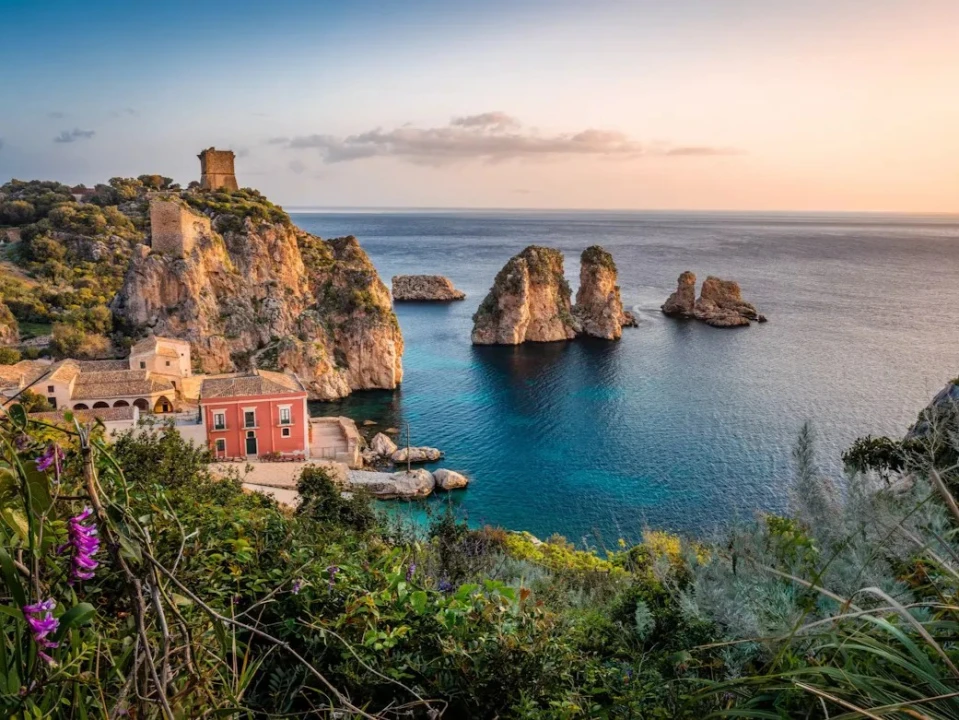
Sicily has always resisted a single historical label. The island sits between Europe and North Africa, between western and eastern Mediterranean routes, and its cities, temples, tombs, markets, and mountain villages still carry traces of the peoples who arrived by sea, settled, ruled, traded, prayed, built, and left fragments behind.
That is why Sicily’s most unusual locations rarely feel like isolated curiosities. A mosaic ceiling, a rock-cut tomb, a volcanic shrine, or a macabre burial chamber can reveal larger stories about power, migration, memory, and survival.