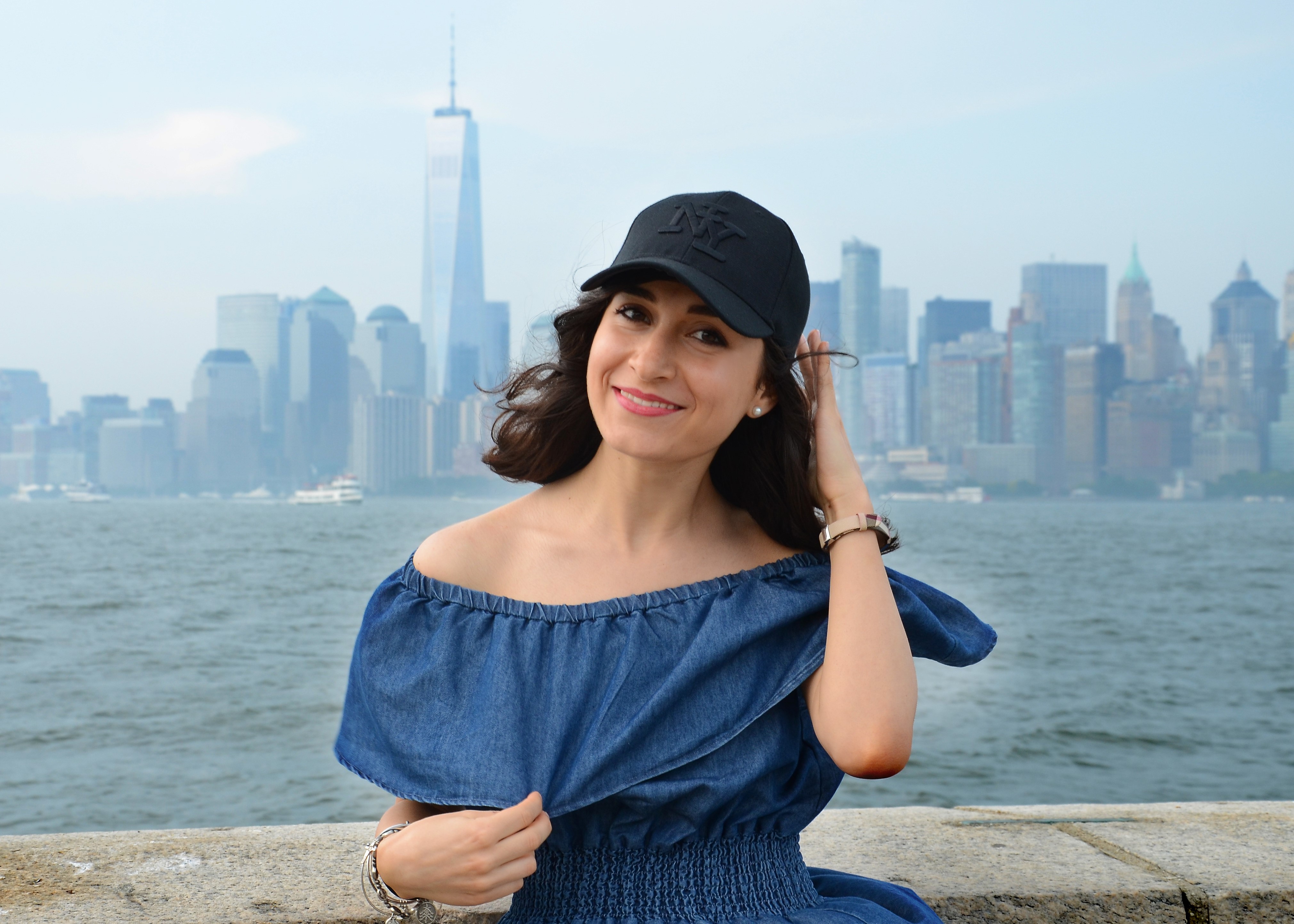
Let's go back to the topic of regional emigration and after Sicily, Abruzzo and Puglia, this time we talk about the emigration from Lucania (Basilicata) to America.
We do this thanks to a documentary produced and realized, with the contribution of the Basilicata Region, by a young talented Lucanian, Ileana Disabato, whom we thank and to whom we give our warm welcome on We the Italians.
Ileana, you are the author of the documentary "On the road to Little Lucania". Tell us about your project
The idea of the documentary "On the road to Little Lucania" comes from the desire to tell the stories of emigration from my land: Basilicata. I define myself as a girl very attached to her origins and the theme of emigration is very dear to me. My youngest years have always been accompanied by stories of emigration. I heard them at the table, during the holidays, when my grandparents told me about that long journey by ship to reach the "foreign land". They told me about their first impressions, the difficulties and the three different works that my grandfather did.
I grew up asking my grandmother questions about how she had communicated with people in Canada, while she was used to speaking her own dialect. Then it was a trip to the United States, at the age of just six, that left an indelible mark on me. I am convinced, that was when and where it was signed that there would be room in my life for stories of emigration. It was on Ellis Island that I hardly wrote, on a blank page register, the date of December 2000 and that my great-grandfather had landed there. In addition, my studies in foreign languages have allowed me to deepen my knowledge of the theme of emigration by completing my three-year degree thesis entitled “Italiani d’America: il rapporto interculturale con il Nuovo Mondo e la nuova lingua”. (Italians of America: the intercultural relationship with the New World and the New Language).
"On the road to Little Lucania" thus stems from this awareness. It is a docu-film that manages to convey authentic emotions of Lucanians of various generations, who emigrated to the United States from Basilicata. My role is that of a young girl who decides to immerse herself in those Lucanian microcosms present in America and tell of emigration in bright and simple tones. A young look and a genuine language bring out positive feelings, giving, moreover, to this topic a different appeal to younger people. Every single word of this work is nourished by feelings, memories and that light in their eyes that I perceive when someone from my "family of America" reaches us to oxygenate and yearn, even if for a while, all our Lucanian world.
We are curious to know about the characters in the documentary...
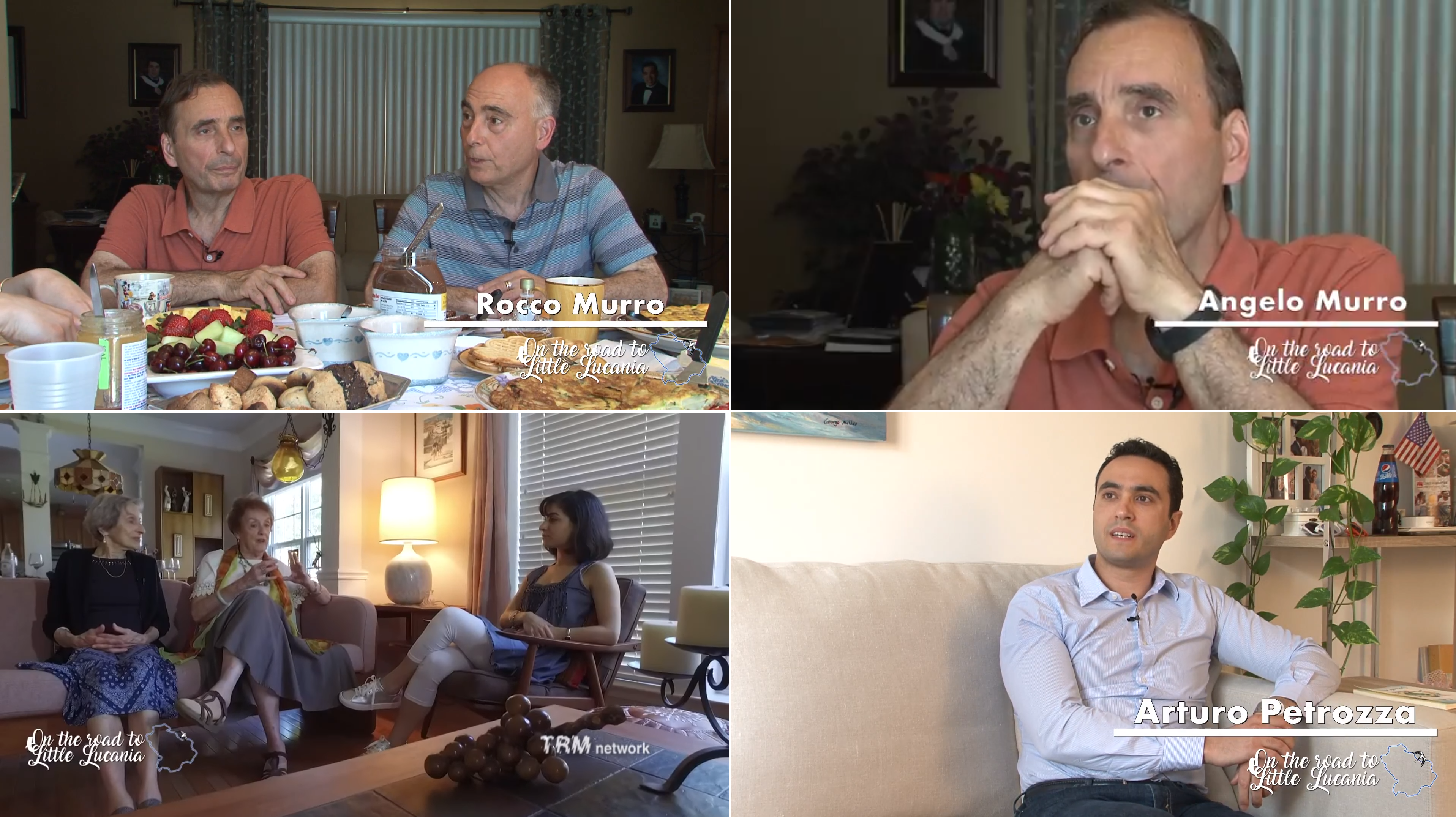
Eight different stories of emigration, but united by the same indissoluble bond with Lucania: from the young Arturo Petrozza, who became manager for Pepsi in Manhattan, to that of the tailor of divas, Michele Angelo Musillo, who emigrated to the United States in 1920. Stories of the past that intertwine with those of today, demonstrating how emigration is a highly topical issue, albeit to be placed in a context where we, young people, feel that we are citizens of the world.
The interview given by the President of the Statue of Liberty-Ellis Island Foundation, Stephen Briganti, also the son of Lucanian emigrants, was very interesting. From his words emerged not only aspects concerning the arrival of emigrants on Ellis Island and the construction of the museum, but also a special link with Basilicata, the land of his grandparents. A journey which also goes through the stories of the second generation Lucanians who dream of returning to the country of origin of their parents, places where you can breathe tranquility, eat good food and feel the warmth of the people ... perfect places to build a small refuge in which to spend a few months a year. There are many other exciting stories I could tell you about, but I wouldn't like to reveal the whole docu-film...
Are there data that help us understand how many Italian Americans are of Lucanian origin, and if there are places in America that host a significant concentration of them?
The Italians who emigrated from 1861 to 1961 are 26 million, however, there are no specific data indicating how many are precisely the Lucanians, because many departures were made illegally. There is certainly another Basilicata in the United States.
At the time of the arrivals, the concentration of Italian immigrants in certain districts was not accidental; the accommodation was almost always located in districts where there were other Italian immigrants and close to the main places of employment. Hence the birth of Little Italies. To animate those streets were villagers and comrades, always ready to support each other, a single great soul that fed on festivals, processions, good food and good music in order to soothe the nostalgia for home. A community of solidarity, in which mutual aid was fundamental and very strong.
Places that today host a significant concentration are certainly New Jersey and the State of New York. There are also many Italian Americans of Lucanian origin who have kept up the name of Basilicata and continue to do so. The encounter between two different cultures is never easy, it is almost always an encounter/clash: there are stereotypes and discrimination. Over the years, Italians have been able to demonstrate how their presence was actually an added value for the American community. The spirit of adaptation, initiative, brotherhood that has always distinguished the Lucanians have made it possible for our community to realize the American dream for real, a dream made of sacrifices, successes and satisfaction.
For example, I’m thinking about Anthony Cilibrizzi, who emigrated from the province of Potenza in 1910 and became mayor of Cleveland and then the first Italian to hold the role of minister during the term of J.F.Kennedy. Or Leonard Covello, an important pedagogist who fought for the integration of the children of Italian emigrants by promoting the teaching of Italian in American schools.
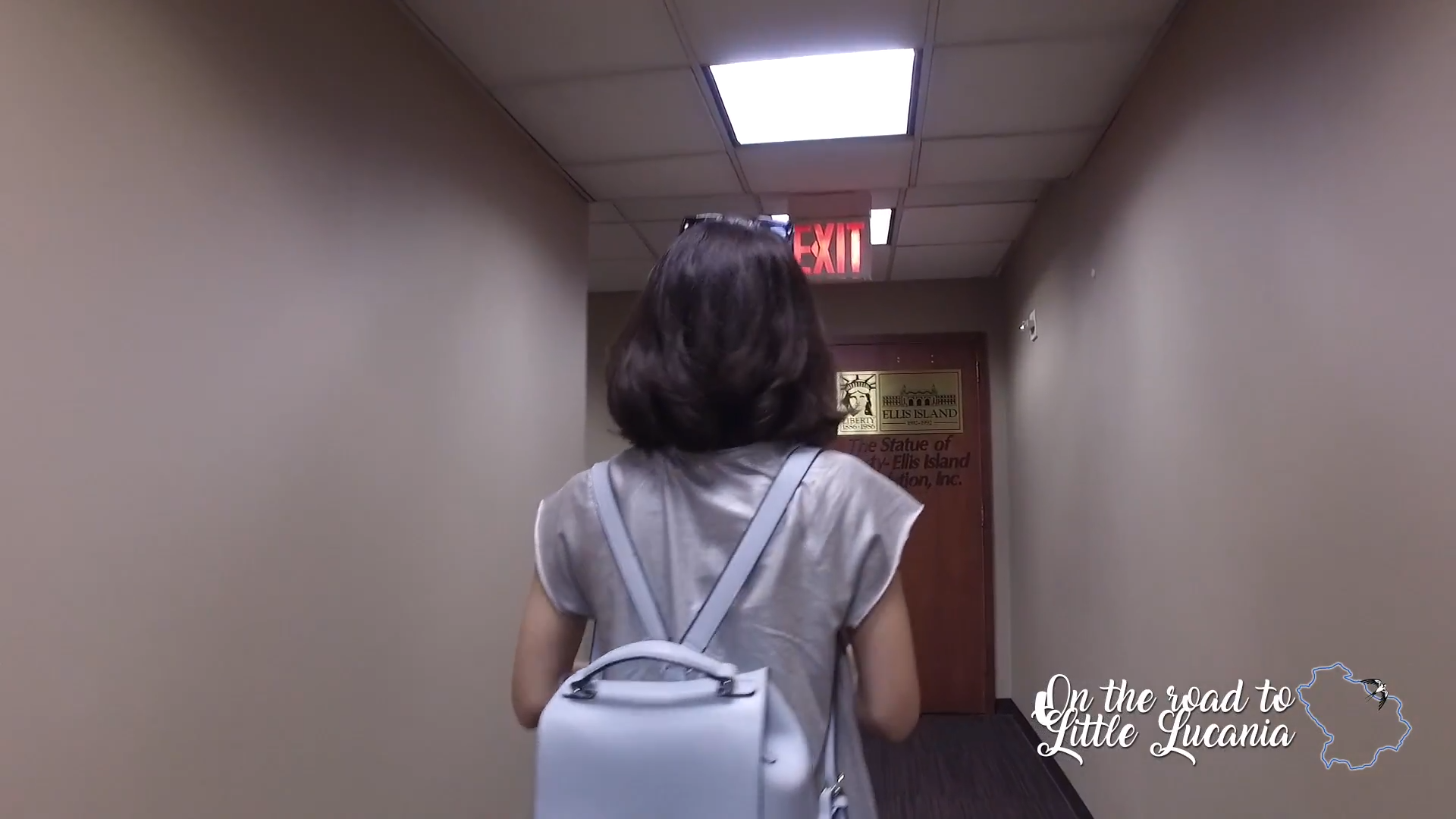
Up to Bill de Blasio mayor of New York and Stephen Briganti, president of the foundation of Ellis Island and Statue of Liberty, who just last month received us in his office to sign an important agreement with the coordinator of the Museo dell’Emigrazione Lucana, Luigi Scaglione.
Please tell us at least one anecdote of which you have become aware during your research activity
I can mention the one told me by the nice Sario Petrozza, who emigrated to New Jersey in the 50s. It was a winter evening when Sario was leaving from Montescaglioso, in the province of Matera, for the port of Naples, from which he would then board for the United States. Despite the cold, the very young Sario didn't have a coat with him, so one of his cousins, without hesitation, took his off and gave it to him as a gift. A gesture that Sario told me with emotion and the humility of those who left without having anything, building a better life in the land of great opportunities, without ever forgetting their roots. A man of good heart, who makes us smile for his likeability, but at the same time reflect on the living conditions of the South of those years.
Are there associations in America that specifically represent someone or a place in Basilicata?
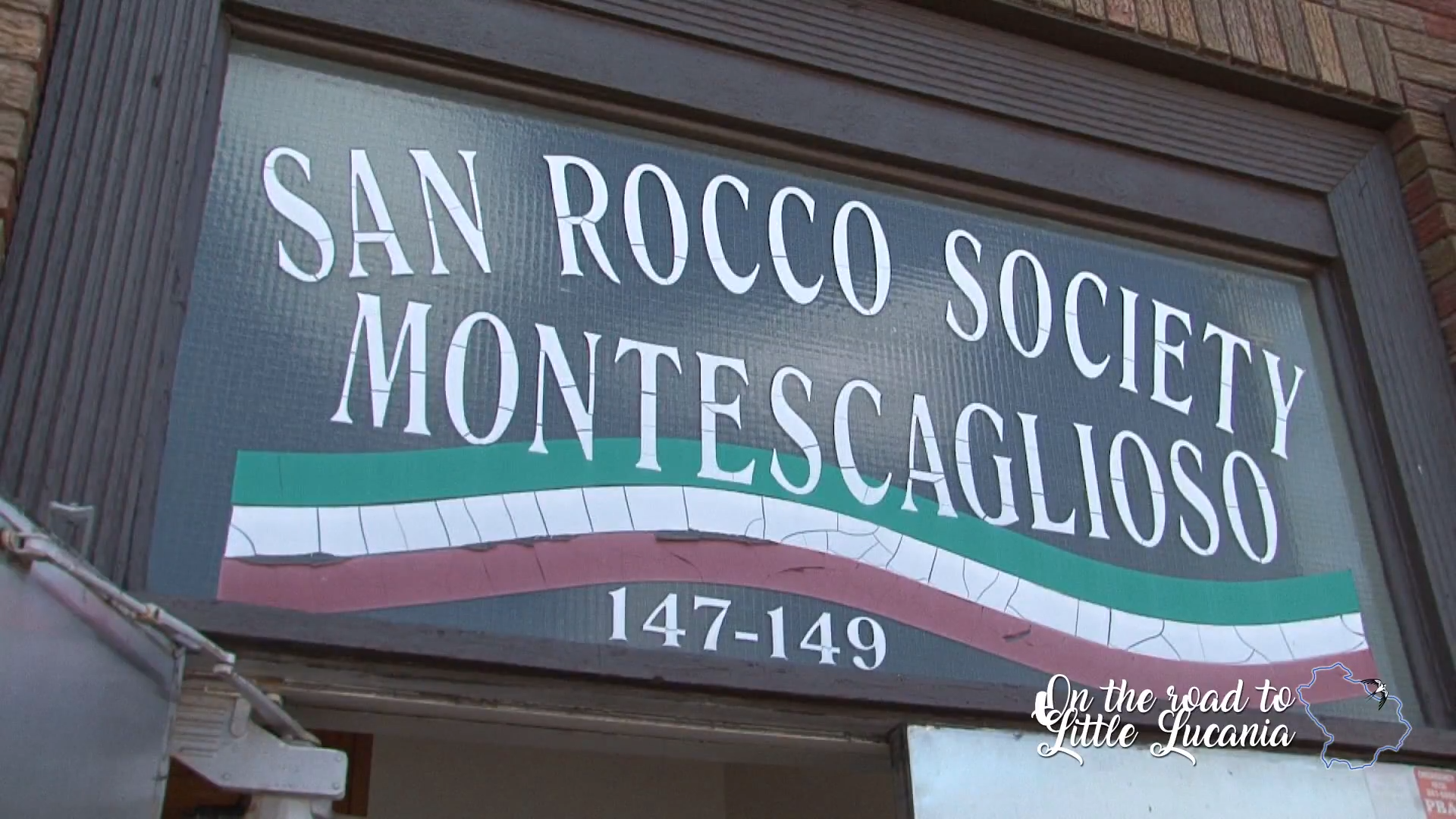
Yes, there are numerous associations of Lucanians scattered throughout the United States, and a Federation present in New York. In particular, I had the opportunity to get in touch with the Mutual Aid Society - San Rocco Montescaglioso of Paterson, New Jersey, part of which is recounted in the docu-film "On the road to Little Lucania". A true Lucanian microcosm and a reference point for the mountain community, a place where Basilicata's values and traditions are kept alive. A historical society, founded in 1928, whose 90th anniversary is celebrated this year.
So, We the Italians wishes them all the best! What are the relations between the Lucanians living in Basilicata and those living in America today?
I would say that remoteness does make this link even stronger. I can see that directly with my family which lives in the United States. With them it is as if their sense of belonging to this land has tripled, so much so that they can still smell the scent of bread or the sound of the city band on holidays. I must say that it is thanks to them that I was able to really understand the value of my roots and my love for this land, which on the one hand forced them to emigrate, but on the other constantly reminds them of themselves as a mother does with her children.
When they return to Basilicata in the summer months you can almost touch their happiness, read it in the eyes, in the serenity of the way of speaking, in the smile. They know they have a second home in Basilicata, a safe haven where the value of the family is rooted in principles such as respect, hospitality and generosity.
One of the Lucanian things that the protagonists of your documentary miss the most is the food of your places...
Food is life, family, sharing and even a single perfume can recall memories of one's past childhood or happy moments spent in the land of origin. This is what happens to the Lucanians of America. In the United States you can find really everything, but perhaps the unique flavors of extra virgin olive oil, cold cuts or cheeses typical of Basilicata make everything a little more nostalgic. But that's why there are relatives visiting from Italy, whose suitcases very often hide Lucanian delicacies that are worth a thousand emotions.
In addition, I have found a great desire to learn the art of Lucanian cuisine, especially in the new generations, increasingly curious and eager to regain possession of their roots. The return trips are becoming more frequent year after year and in this regard comes to mind the experience of my cousin Tyler, whose grandparents emigrated from Montescaglioso in the 50s. A few years ago he decided to leave for Italy, live in the places that have seen his grandparents grow and know his Lucana family. Here he found welcome, human warmth, so much authenticity and authentic flavors; intrinsic values of our people that have rekindled in him the pride of being Lucanian, as well as the desire to return and make known this wonderful land.
Do you have any other projects for the future?
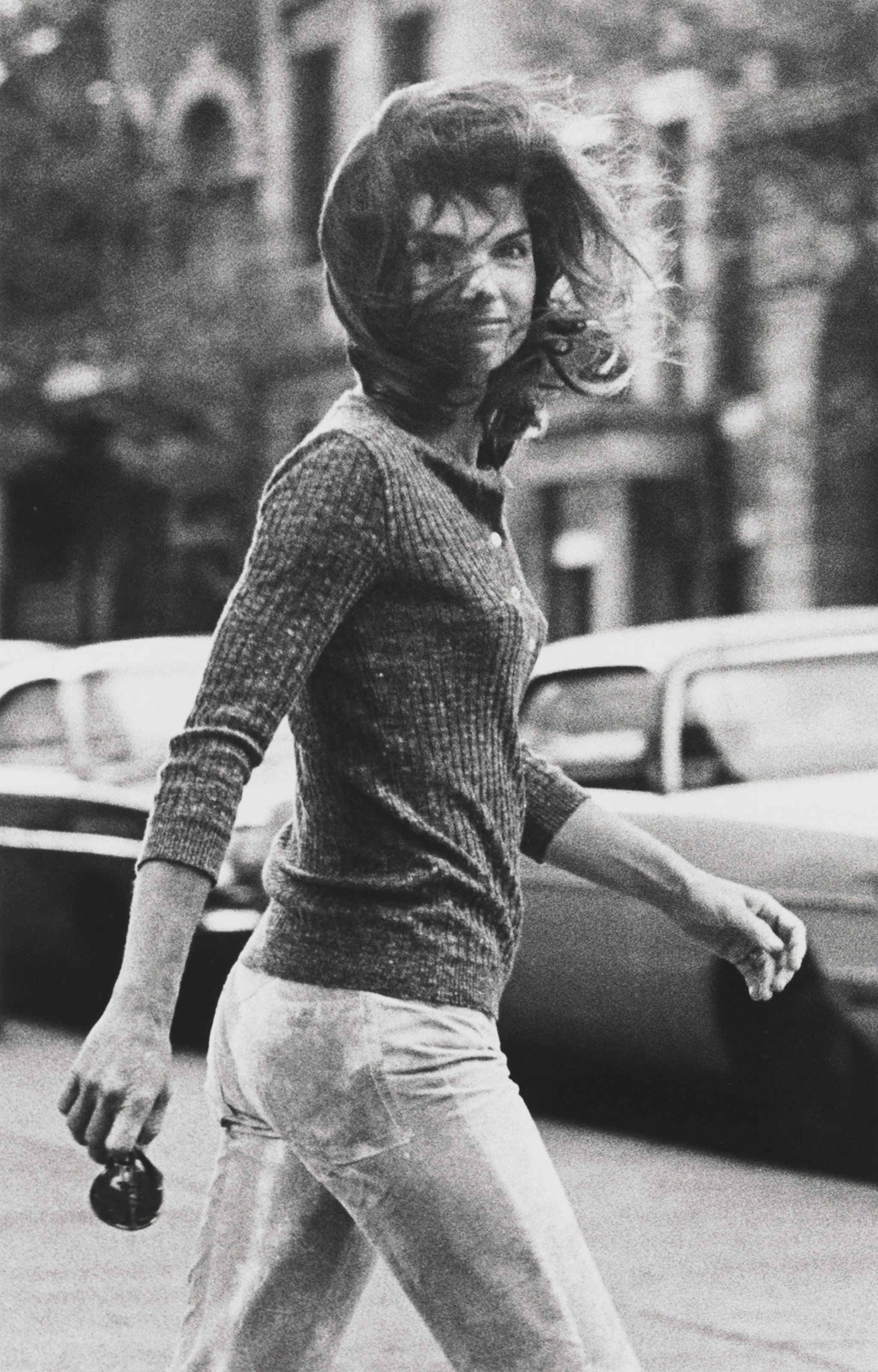
As for the projects of this year, it was very interesting to video interview Ron Galella, the king of the American paparazzi. His most famous shot is without a doubt "Windblown Jackie", which portrays a Jacqueline Kennedy caught by surprise, in a completely natural pose with her hair that, upset by the wind, caresses her face. Stories of an incredible life, spent chasing the stars and capturing their true essence, beauty and spontaneity. Sophia Loren, Frank Sinatra, Marlon Brando, Catherine Deneuve, Liz Taylor, John Lennon, David Bowie: these are just some of the celebrities he photographed.
A very genuine man who always remembers his origins in Lucania with great affection. In the interview he tells me about some of his shots, but also the moment when his father, very young, left Muro Lucano, in the province of Potenza, looking for a job and when he himself returned, discovering with surprise a unique and welcoming land. The interview will soon be available online.
Torniamo ad affrontare il tema dell’emigrazione da una particolare regione italiana, e dopo la Sicilia, l’Abruzzo e la Puglia, questa volta ci occupiamo dell’emigrazione lucana in America.
Lo facciamo grazie ad un documentario prodotto e realizzato, con il contributo della Regione Basilicata, da una giovane talentuosa lucana, Ileana Disabato, che ringraziamo e alla quale diamo il benvenuto su We the Italians.
Ileana, tu sei l’autrice del documentario “On the road to Little Lucania”. Ci parli del tuo progetto?
L’idea del documentario “On the road to Little Lucania” nasce dal desiderio di raccontare le storie di emigrazione della mia terra: la Basilicata. Mi definisco come una ragazza molto legata alle sue origini e il tema dell’emigrazione è per me molto caro. La mia giovane età è stata sempre accompagnata da racconti di emigrazione. Li sentivo a tavola, durante le feste, quando i miei nonni mi raccontavano di quel lungo viaggio in nave per raggiungere la “terra straniera”. Raccontavano delle loro prime impressioni, delle difficoltà e dei tre diversi lavori che mio nonno svolgeva.
Sono cresciuta facendo domande a mia nonna su come avesse fatto in Canada a comunicare con la gente, abituata a parlare il suo dialetto. Poi è stato un viaggio negli Stati Uniti, all’età di soli sei anni, a lasciare un segno indelebile in me. Sono convinta che lì sia stato scritto che nella mia vita ci sarebbe stato posto per le storie di emigrazione. Fu a Ellis Island che scrissi a fatica, su un registro dalle pagine bianche, la data di quel dicembre 2000 e che in quel luogo era sbarcato il mio trisnonno. Inoltre, il mio percorso di studi in lingue straniere mi ha permesso di approfondire il tema dell’emigrazione realizzando la mia tesi di laurea triennale dal titolo “Italiani d’America: il rapporto interculturale con il Nuovo Mondo e la nuova lingua”.
“On the road to Little Lucania” nasce dunque da questa consapevolezza. Si tratta di un docu-film che riesce a trasmettere emozioni autentiche di lucani di varie generazioni, emigrati negli Stati Uniti dalla Basilicata. Il mio ruolo è quello di una giovane ragazza che decide di immergersi in quei microcosmi lucani presenti in America e raccontare dell’emigrazione con toni vivaci e semplici. Uno sguardo giovane e un linguaggio genuino fanno emergere sentimenti positivi, conferendo, inoltre, a questo argomento un diverso appeal nei confronti dei più giovani. Ogni singola parola di questo lavoro si nutre di sentimenti, di ricordi e di quella luce negli occhi che percepisco quando qualcuno della mia “famiglia d’America” ci raggiunge per ossigenarsi ed anelare, anche se per poco, tutto il nostro mondo lucano.
Siamo curiosi di conoscere i personaggi presenti nel documentario…
Otto storie di emigrazione diverse, ma unite dallo stesso legame indissolubile con la Lucania: dal giovane Arturo Petrozza, diventato manager per la Pepsi a Manhattan, a quella del sarto delle dive, Michele Angelo Musillo, emigrato negli Stati Uniti nel 1920. Storie di ieri che si intrecciano con quelle di oggi, a dimostrazione di come l’emigrazione sia un tema fortemente attuale seppure da inserire in un contesto dove noi giovani ci sentiamo cittadini del mondo.
Molto interessante l’intervista rilasciata dal Presidente della Fondazione Statua della Libertà-Ellis Island, Stephen Briganti, anch’egli figlio di emigranti lucani. Dalle sue parole sono emersi non solo aspetti riguardanti l’arrivo degli emigranti a Ellis Island e la costruzione del museo, ma anche un legame particolare con la Basilicata, la terra dei suoi nonni. Un viaggio anche nelle storie delle seconde generazioni che sognano di tornare nel paese di origine dei propri genitori; luoghi in cui si respira la tranquillità, si mangia buon cibo e si percepisce il calore della gente…posti perfetti per costruirsi un piccolo rifugio in cui trascorrere qualche mese all’anno. Ci sono tante altre storie emozionanti di cui potrei parlarvi, ma non vorrei svelarvi tutto il docu-film…
Esistono dati che ci aiutino a capire quanti sono gli italoamericani di origine lucana, e se esistono luoghi in America che ne ospitano una concentrazione significativa?
Gli italiani che emigrarono dal 1861 al 1961 sono 26 milioni, tuttavia, non ci sono dati specifici che indichino quanti siano precisamente i lucani, poiché molte partenze avvenivano in modo clandestino. Di certo c’è un’altra Basilicata negli Stati Uniti.
All’epoca degli arrivi, la concentrazione degli immigrati italiani in determinati quartieri non era casuale; l'alloggio si trovava quasi sempre in quartieri in cui vi erano altri immigrati italiani e vicino ai principali luoghi di impiego. Di qui la nascita delle Little Italies. Ad animare quelle strade vi erano paesani, compari e comare, sempre pronti a sostenersi l'un l'altro; un'unica grande anima che si nutriva di feste, processioni, buon cibo e buona musica al fine di lenire la nostalgia di casa. Una comunità solidale, in cui il mutuo soccorso la faceva da padrona.
Luoghi che ad oggi ospitano una concentrazione significativa sono sicuramente il New Jersey e lo Stato di New York. Numerosi sono, poi, gli italoamericani di origine lucana che hanno tenuto e continuano a tenere alto il nome della Basilicata. L’incontro tra due culture diverse non è mai semplice, si tratta quasi sempre di un incontro-scontro: ci sono stereotipi e discriminazioni. Con il passare degli anni gli italiani sono riusciti a dimostrare come la loro presenza fosse in realtà un valore aggiunto per la comunità americana. Lo spirito di adattamento, intraprendenza, fratellanza che da sempre contraddistingue i lucani hanno fatto sì che la nostra comunità realizzasse il sogno americano per davvero, un sogno fatto di sacrifici, di successi e soddisfazioni.
Pensiamo, per esempio, ad Anthony Cilibrizzi emigrato nel 1910 dalla provincia di Potenza e divenuto sindaco di Cleveland e primo italiano a ricoprire il ruolo di ministro durante il mandato di J.F. Kennedy; o ancora, Leonard Covello, un importante pedagogista che si è battuto per l'integrazione dei figli degli emigranti italiani promuovendo l’insegnamento dell’italiano nelle scuole americane.
Fino a Bill de Blasio sindaco di New York e Stephen Briganti, presidente della fondazione di Ellis Island e Statua della Libertà, che proprio il mese scorso ci ha ricevuti nel suo ufficio per firmare un importante accordo con il coordinatore del Museo dell’Emigrazione Lucana, Luigi Scaglione.
Ti chiediamo di raccontarci qualche aneddoto del quale sei venuta a conoscenza nel corso della tua attività di ricerca
Penso subito a quello raccontatomi dal simpatico Sario Petrozza, emigrato nel New Jersey negli anni 50. Era una sera d’inverno quando Sario stava partendo da Montescaglioso, in provincia di Matera, verso il porto di Napoli, dal quale si sarebbe poi imbarcato per gli Stati Uniti. Nonostante il freddo, il giovanissimo Sario non aveva con sé un cappotto, al che un suo cugino, senza esitare, se lo tolse di dosso e glielo regalò. Un gesto che Sario mi ha raccontato con emozione e con l’umiltà di chi è partito senza avere nulla, costruendosi una vita migliore nella terra delle grandi opportunità, senza mai dimenticare però le proprie radici. Un uomo di buon cuore, che fa sorridere per la sua simpatia, ma allo stesso tempo riflettere sulle condizioni di vita del Meridione di quegli anni.
Esistono Associazioni in America che rappresentano specificatamente qualcuno o un luogo della Basilicata?
Si, vi sono numerose associazioni di lucani sparse per tutti gli Stati Uniti e una Federazione presente a New York. In particolare, ho avuto l’opportunità di entrare in contatto con la Società di Mutuo Soccorso – San Rocco Montescaglioso presente a Paterson, New Jersey, di cui in parte si racconta nel docu-film “On the road to Little Lucania”. Un vero microcosmo lucano e un punto di riferimento per la comunità dei montesi, un luogo dove si mantengono vivi valori e tradizioni della Basilicata. Una società storica, nata nel 1928, di cui quest’anno si festeggia il 90° anniversario.
E allora We the Italians fa loro tantissimi auguri!! Come sono oggi i rapporti tra i lucani che vivono in Basilicata e quelli che vivono in America?
Direi che la lontananza non fa altro che rendere questo legame ancora più saldo. Lo vivo personalmente con la mia famiglia presente negli Stati Uniti. In loro è come se il senso di appartenenza a questa terra sia triplicato, tanto da poter ancora sentire il profumo del pane o il suono della banda cittadina nei giorni di festa. Devo dire che è grazie a loro se ho potuto realmente capire il valore delle mie radici e l’amore nei confronti di questa terra, che se da un lato li ha costretti ad emigrare, dall’altro li richiama costantemente a sé come una madre fa con i propri figli.
Quando ritornano in Basilicata nei mesi estivi puoi quasi toccare con mano la loro felicità, gliela leggi negli occhi, nella serenità nel modo di parlare, nel sorriso. Sanno di avere una seconda casa in Basilicata, un porto sicuro in cui il valore della famiglia è ben radicato in principi come il rispetto, l’ospitalità e la generosità.
Una delle cose lucane che mancano di più ai protagonisti del tuo documentario è il cibo delle vostre parti...
Il cibo è vita, famiglia, condivisione e anche un solo profumo può richiamare alla mente ricordi della propria infanzia passata o momenti felici trascorsi nella terra d’origine. Questo è ciò che accade ai lucani d’America. Negli Stati Uniti puoi trovare davvero di tutto, ma forse i sapori unici dell’olio extravergine d’oliva, dei salumi o dei formaggi tipici della Basilicata rendono il tutto un po’ più nostalgico. Ma per questo ci sono i parenti in visita dall’Italia, nelle cui valigie molto spesso si nascondono prelibatezze lucane che valgono mille emozioni.
Inoltre, ho riscontrato una grande voglia di apprendere l’arte della cucina lucana, soprattutto nelle nuove generazioni, sempre più curiose e desiderose di riappropriarsi delle proprie radici. I viaggi di ritorno stanno diventando di anno in anno più frequenti e a tal proposito mi viene in mente l’esperienza di mio cugino Tyler, i cui nonni emigrarono da Montescaglioso negli anni 50. Qualche anno fa ha deciso di partire per l’Italia, vivere i luoghi che hanno visto crescere i suoi nonni e conoscere la propria famiglia lucana. Qui ha trovato accoglienza, calore umano, tanta genuinità e sapori autentici; valori intrinsechi del nostro popolo che hanno riacceso in lui l’orgoglio di essere lucano, nonché il desiderio di ritornare e far conoscere questa terra meravigliosa.
Hai altri progetti in mente?
Per quanto riguarda i progetti di quest’anno, molto interessante è stata la video intervista a Ron Galella, il re dei paparazzi americani. Il suo scatto più celebre è senza dubbio “Windblown Jackie” che vede ritratta una Jacqueline Kennedy colta di sorpresa, in una posa del tutto naturale con i capelli che, scompigliati dal vento, le accarezzano il viso. Storie di una vita incredibile, trascorsa a inseguire le star e catturare la loro vera essenza, la bellezza e la spontaneità. Sophia Loren, Frank Sinatra, Marlon Brando, Catherine Deneuve, Liz Taylor, John Lennon, David Bowie: sono solo alcune delle celebrità da lui fotografate.
Un uomo autentico che ricorda sempre con grande affetto le sue origini lucane. Nell’intervista mi racconta alcuni dei suoi scatti, ma anche del momento in cui suo padre, giovanissimo, lasciò Muro Lucano, in provincia di Potenza, alla ricerca di un lavoro e di quando lui stesso vi è ritornato, scoprendo con sorpresa una terra unica e accogliente. L’intervista sarà a breve disponibile online.