Rhode Island is the smallest state in the United States by area, but it is also home to the city with the highest percentage of Italian Americans: Johnston, where approximately 50% of the town’s 30,000 residents are of Italian descent. Since the office of Mayor of Johnston was established in 1974, there has never been a mayor who was not Italian American.
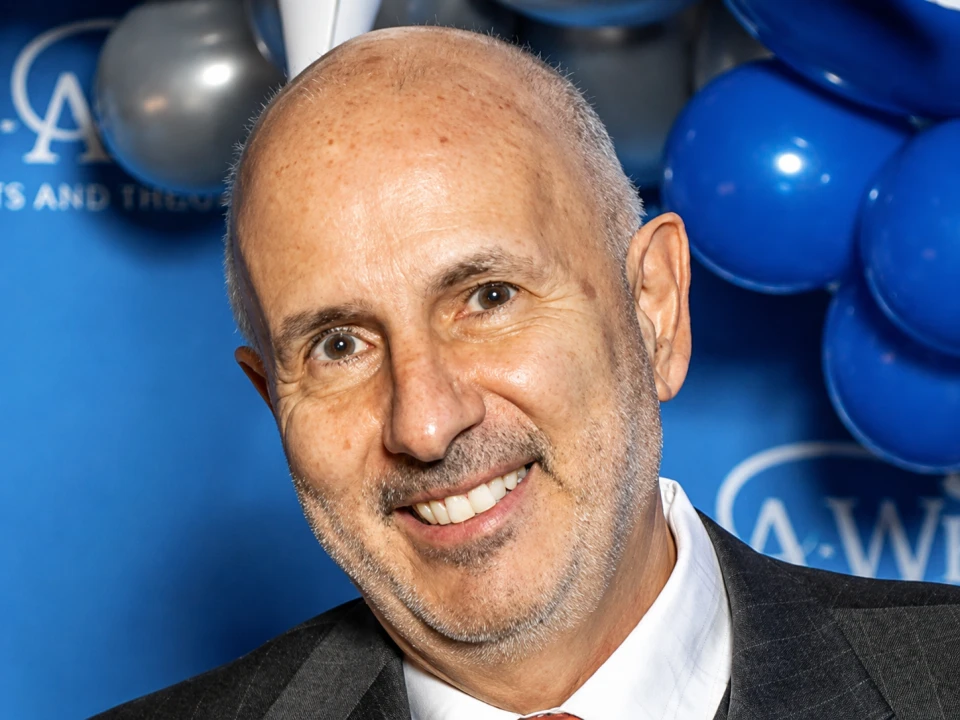
The history of Italian immigration to Rhode Island is a fascinating one, and we are grateful to our Ambassador in the Ocean State for sharing it with us. Joe Rocco, President of the Rhode Island Italian American Hall of Fame, joins us on We the Italians, and we are delighted to welcome him.
Joe, please tell us about your Italian roots, where your ancestors came from in Italy, and how that heritage shaped your life growing up in Rhode Island
All four of my grandparents emigrated to the United States from Italy and the province of Avellino. My paternal grandparents were from Serino, a small town 51 km from Naples. My maternal grandparents were from Avella. My parents were born in Massachusetts in the early 1900’s.
I grew up in a suburb north of Boston, but have lived in Rhode Island and on the Rhode Island Massachusetts border for the past 41 years. A position as a television sportscaster at the NBC affiliate in Providence brought me to Rhode Island in 1985. As a proud Italian American, I learned early on mostly fom my parents the value of family, loyalty and a strong work ethic.
Italian Americans played a major role in the history and development of Rhode Island. Who were the first large Italian communities to arrive there, and what kinds of work and businesses helped them build a future in the state?
Industrial laborers were among the first to arrive in Rhode Island among large scale immigration that occurred between the 1880’s and 1910’s. Many settled mostly in Providence in a neighborhood known as Federal Hill, Rhode Island’s "Little Italy”. They were Tuscan fresco painters, plasterers and sculptors.
Many more settled in the Knightsville section of Cranston, a city just 10 minutes south of Providence. This area saw a massive influx of immigrants specifically from Itri, a town near Naples. These immigrants brought traditions that remain highly visible and popular such as the historic Feast of Saint Mary and the establishment of St. Mary's Church.
Italian immigrants, mostly from Calabria and Cosenza, including the town of Acri, settled in the southern Rhode Island town of Westerly. These immigrants transitioned from unskilled laborers to prominent business owners, building the state’s infrastructure and commercial backbone. Westerly’s Calabrian immigrants worked as skilled stonecutters supplying the granite used for major monuments across the United States. Families in West Warwick and Providence provided the heavy manual labor driving the state’s massive textile industry.
Immigrants flooded Providence’s Jewelry District working as molders, tool makers and bench workers in what was once regarded as the "Jewelry Capital of the World”. Entrepreneurs opened markets and bakeries on Federal Hill. Successful laborers formed construction companies while in Cranston and Johnston Italian families established commercial vegetable farms and orchards.
When people think about Italian Americans in Rhode Island, certain neighborhoods and cities immediately come to mind. Which places have historically been the heart of the Italian American community, and what made them so important culturally and socially?
Federal Hill (Providence), Knightsville (Cranston) and the North End (Providence) are well established as the core anchors of the Rhode Island Italian American community. For a spiritual anchor one can look no further than the church of the Holy Ghost in Providence, which provided massive social cohesion. It served as a community meeting ground and center for native language services.
The oldest chartered Italo American club in the United States, which began in 1896 in Providence, was a key social setting for new citizens. It remains a vibrant organization today with hundreds of members.
How is Made in Italy in Rhode Island? Is there room for more goods imported from Italy?
Made in Italy in Rhode Island is a deeply rooted, vibrant and authentic experience. Many of its towns and cities thrive through historic bakeries, specialized markets and a cuisine that blends southern Italian tradition with local ingredients. Federal Hill is well known for its outstanding Italian restaurants, bakeries and markets. Popular stores like Tony's Colonial and Venda Ravioli are staples for imported goods. D. Palmieri’s Bakery in nearby Johnston is famous for its tomato pie while a few miles away at Catanzaro’s Pizzeria in Cranston Sicilian style pan pizzas are popular.
With Rhode Island having the highest percentage of residents with Italian ancestry per capita of any state in the country at approximately 16% of the states population, about 164,000 Rhode Islanders of Italian descent there is undoubtedly room for more products imported from Italy.
You are the President of the Rhode Island Italian American Hall of Fame, which plays an important role in preserving memory and identity. What inspired its creation, and what is its mission today?
The Rhode Island Italian American Hall of Fame began in 1987 as a chapter of the National Italian American Sports Hall of Fame (NIASHF) in Chicago. North Providence boxing promoter and well-known former restauranteur Jimmy Burchfield started the chapter after an inspirational trip to Chicago to attend a NIASHF event honoring Joe DiMaggio. Jimmy became the Rhode Island chapter of the National Italian American Sports Hall of Fame’s first president and remains a proud member today.
The Rhode Island chapter broke its ties with the Chicago organization in 1996 to branch off and become the Rhode Island Italian American Hall of Fame. It’s mission, as has been the case since 1987, remains to provide college scholarship assistance to local and worthy college bound students, honor accomplished Italian Americans from Rhode Island and throughout the country and promote its rich Italian heritage. More than a half million dollars have been awarded to exceptional college bound students from all ethnic backgrounds. Mario Andretti, Jay Leno, Leon Panetta, Dan Marino, Lidia Bastianich, Tom Lasorda, Phil Esposito, Joe Paterno, Rick Pitino are among the many prominent Italian Americans who have been honored at prestigious RIIAHF events. All have attended these prestigious and memorable affairs. Some of the memorable moments from these events over the past 39 years are featured in the Hall of Fame’s signature video "Champions for all Seasons”, which can be viewed on our website.
Over the decades, Italian Americans in Rhode Island contributed to politics, education, business, religion, and the arts. Are there any figures or stories from the community that you believe deserve to be better known today?
Among the many accomplished Rhode Island Italian Americans from six stand out starting with Gina Raimondo who became the first woman governor of Rhode Island in 2015. After serving for six years, she was selected by President Biden to be the Secretary of Commerce, a position she held from March 2021 to January 2025.
The late Frank Caprio, a real - life Providence municipal judge became a global television and online sensation for compassionate courtroom moments as star of his show, “Caught in Providence.” Judge Caprio passed away in 2025. Caprio was chief judge of the Providence municipal court and chairman of the Rhode Island Board of Governors for Higher Education. He was a popular and well-respected gentleman. Soon after he retired in 2023 the Providence City Council passed legislation to rename his former courtroom, “The Chief Judge Frank Caprio Courtroom”.
Antonio Cirino was a Rhode Island painter whose work reflected both academic training and local scenery, bridging European artistic traditions with New England life.
A key historical figure is mandolin virtuoso Giuseppe Pettine. He grew up in Providence after emigrating from Italy and became a nationally recognized performer and teacher. His work reflects how Italian musical traditions adapted to American life while retaining strong cultural identity.
Another important Rhode Islander is sculptor Aristide Berto Cianfarani, who trained at the Rhode Island School of Design and produced public monuments that reflect classical and religious artistic traditions carried from Italy into American civic spaces.
Many younger Italian Americans feel a connection to Italy, but sometimes in a different way than previous generations. What do you think is the best way to keep Italian heritage alive for future generations in Rhode Island and across the United States?
I think it can start with local Italian American organizations like the Sons of Italy, Italo American Club, RI Italian American Hall of Fame and others to commit the time and energy to engage with and educate the younger generation about their rich Italian heritage. This will be challenging, but possible with programs and events that offer information and activities that will be of interest to young Italian Americans.
Il Rhode Island è il più piccolo stato degli Stati Uniti d'America per superficie, ma è anche quello che ospita la città con la maggiore percentuale di italoamericani, Johnston: il 50% circa dei trentamila abitanti ha origini italiane. Da quando esiste la figura del sindaco di Johnston, ovvero dal 1974, non c’è mai stato un sindaco non italoamericano.
La storia dell’emigrazione italiana in Rhode Island è affascinante, e ringraziamo il nostro Ambassador nell’Ocean State per raccontarcela: Joe Rocco è il Presidente della Rhode Island Italian American Hall of Fame e gli diamo il benvenuto su We the Italians.
Joe, ci racconti delle tue radici italiane, da quali luoghi d’Italia provenivano i tuoi antenati e in che modo questa eredità ha influenzato la tua vita crescendo nel Rhode Island?
Tutti e quattro i miei nonni emigrarono negli Stati Uniti dall’Italia, dalla provincia di Avellino. I miei nonni paterni erano originari di Serino, una piccola cittadina a 51 km da Napoli. I miei nonni materni provenivano invece da Avella. I miei genitori nacquero in Massachusetts nei primi anni del Novecento.
Sono cresciuto in un sobborgo a nord di Boston, ma vivo nel Rhode Island e nell’area di confine tra Rhode Island e Massachusetts da 41 anni. Nel 1985 un incarico come giornalista sportivo televisivo presso l’emittente affiliata NBC di Providence mi portò nel Rhode Island. Da orgoglioso italoamericano, ho imparato fin da giovane, soprattutto dai miei genitori, il valore della famiglia, della lealtà e di una forte etica del lavoro.
Gli italoamericani hanno avuto un ruolo fondamentale nella storia e nello sviluppo del Rhode Island. Quali furono le prime grandi comunità italiane ad arrivare nello Stato e quali attività lavorative e imprenditoriali permisero loro di costruirsi un futuro?
Tra i primi immigrati arrivati in massa nel Rhode Island tra gli anni 1880 e 1910 vi furono gli operai industriali. Molti si stabilirono a Providence, soprattutto nel quartiere noto come Federal Hill, la “Little Italy” del Rhode Island. Tra loro vi erano affrescatori toscani, stuccatori e scultori.
Molti altri si insediarono nel quartiere di Knightsville a Cranston, una città situata a soli dieci minuti a sud di Providence. Quest’area vide un enorme afflusso di immigrati provenienti in particolare da Itri, cittadina vicina a Napoli. Questi immigrati portarono tradizioni ancora oggi molto vive e popolari, come la storica Festa di Santa Maria e la fondazione della chiesa di St. Mary.
Immigrati italiani provenienti soprattutto dalla Calabria, dalla provincia di Cosenza e dalla città di Acri si stabilirono invece a Westerly, nel sud del Rhode Island. Da lavoratori non qualificati divennero importanti imprenditori, contribuendo alla costruzione delle infrastrutture e del tessuto economico dello Stato. I calabresi di Westerly lavoravano come esperti scalpellini e fornivano il granito utilizzato per importanti monumenti in tutti gli Stati Uniti. Le famiglie insediate a West Warwick e Providence fornirono invece la forza lavoro che alimentò la grande industria tessile del Rhode Island.
Molti immigrati affluirono nel Jewelry District di Providence lavorando come modellisti, fabbricanti di utensili e artigiani in quello che un tempo era considerato la “Capitale mondiale della gioielleria”. Gli imprenditori aprirono negozi alimentari e panifici a Federal Hill. Lavoratori di successo fondarono imprese edili, mentre a Cranston e Johnston molte famiglie italiane crearono aziende agricole specializzate nella coltivazione di ortaggi e frutteti.
Quando si pensa agli italoamericani del Rhode Island, alcuni quartieri e città vengono immediatamente in mente. Quali luoghi sono stati storicamente il cuore della comunità italoamericana e perché sono stati così importanti dal punto di vista culturale e sociale?
Federal Hill a Providence, Knightsville a Cranston e il North End di Providence sono da tempo considerati i principali punti di riferimento della comunità italoamericana del Rhode Island. Sul piano spirituale, il punto centrale è senza dubbio la chiesa dello Holy Ghost a Providence, che ha svolto un ruolo fondamentale nel creare coesione sociale. Era il luogo di incontro della comunità e il centro in cui si svolgevano funzioni religiose nella lingua d’origine.
Il più antico club italoamericano ufficialmente riconosciuto degli Stati Uniti, fondato nel 1896 a Providence, rappresentò inoltre un importante punto di aggregazione per i nuovi cittadini. Ancora oggi è un’organizzazione molto attiva con centinaia di membri.
Come sta il Made in Italy nel Rhode Island? C’è spazio per una maggiore presenza di prodotti italiani importati?
Il Made in Italy nel Rhode Island è una realtà radicata, vivace e autentica. Molte città prosperano grazie a panifici storici, mercati specializzati e una cucina che unisce la tradizione dell’Italia meridionale agli ingredienti locali. Federal Hill è famosa per i suoi eccellenti ristoranti, panifici e negozi italiani. Attività come Tony’s Colonial e Venda Ravioli sono punti di riferimento per i prodotti importati dall’Italia. Il panificio D. Palmieri’s Bakery, nella vicina Johnston, è celebre per la sua tomato pie, mentre a pochi chilometri di distanza, da Catanzaro’s Pizzeria a Cranston, sono molto apprezzate le pizze in teglia in stile siciliano.
Poiché il Rhode Island ha la più alta percentuale di residenti di origine italiana pro capite negli Stati Uniti – circa il 16% della popolazione, pari a circa 164.000 persone – esiste senza dubbio spazio per l’importazione di un numero ancora maggiore di prodotti italiani.
Tu sei il Presidente della Rhode Island Italian American Hall of Fame, che svolge un ruolo importante nella conservazione della memoria e dell’identità. Cosa ha ispirato la sua creazione e qual è oggi la sua missione?
La Rhode Island Italian American Hall of Fame nacque nel 1987 come sezione locale della National Italian American Sports Hall of Fame di Chicago. Il promotore di pugilato di North Providence ed ex ristoratore Jimmy Burchfield fondò il capitolo dopo un viaggio a Chicago per partecipare a un evento dedicato a Joe DiMaggio. Jimmy divenne il primo presidente della sezione del Rhode Island e continua ancora oggi a esserne un membro orgoglioso.
Nel 1996 l’organizzazione si separò dalla struttura di Chicago e divenne la Rhode Island Italian American Hall of Fame. La sua missione, rimasta invariata dal 1987, è offrire borse di studio a studenti meritevoli, onorare italoamericani di successo del Rhode Island e dell’intero Paese e promuovere il patrimonio culturale italiano. Sono stati assegnati oltre 500.000 dollari in borse di studio a studenti di ogni origine etnica.
Tra i tanti italoamericani illustri premiati figurano Mario Andretti, Jay Leno, Leon Panetta, Dan Marino, Lidia Bastianich, Tom Lasorda, Phil Esposito, Joe Paterno e Rick Pitino. Tutti hanno partecipato agli eventi della Hall of Fame. Molti dei momenti più significativi degli ultimi 39 anni sono raccolti nel video “Champions for all Seasons”, disponibile sul nostro sito.
Nel corso dei decenni, gli italoamericani del Rhode Island hanno contribuito alla politica, all’istruzione, all’economia, alla religione e alle arti. Ci sono figure o storie che meriterebbero di essere maggiormente conosciute?
Tra i tanti italoamericani di successo del Rhode Island spicca Gina Raimondo, che nel 2015 è diventata la prima donna governatrice dello Stato. Dopo sei anni di mandato, il Presidente Biden l’ha nominata Segretaria al Commercio degli Stati Uniti, incarico ricoperto dal marzo 2021 al gennaio 2025.
Un’altra figura molto amata è stato Frank Caprio, giudice municipale di Providence diventato celebre a livello mondiale grazie al programma televisivo “Caught in Providence”, che raccontava episodi di straordinaria umanità all’interno della sua aula di tribunale. Caprio è scomparso nel 2025. Dopo il suo pensionamento, nel 2023, il Consiglio comunale di Providence ha deciso di intitolargli la sua storica aula.
Antonio Cirino fu un pittore del Rhode Island le cui opere unirono la formazione accademica alle vedute locali, creando un ponte tra le tradizioni artistiche europee e la vita del New England.
Una figura storica di grande rilievo è il virtuoso del mandolino Giuseppe Pettine. Cresciuto a Providence dopo essere emigrato dall’Italia, divenne un musicista e insegnante di fama nazionale. La sua attività rappresenta un esempio di come le tradizioni musicali italiane si siano adattate alla vita americana mantenendo una forte identità culturale.
Un altro importante esponente della comunità è lo scultore Aristide Berto Cianfarani, formatosi alla Rhode Island School of Design e autore di monumenti pubblici che portarono nelle città americane la tradizione artistica classica e religiosa italiana.
Molti giovani italoamericani sentono ancora un forte legame con l’Italia, ma spesso in modo diverso rispetto alle generazioni precedenti. Qual è il modo migliore per mantenere viva l’eredità italiana per le future generazioni nel Rhode Island e negli Stati Uniti?
Credo che tutto debba partire dalle organizzazioni italoamericane locali, come i Sons of Italy, l’Italo American Club, la Rhode Island Italian American Hall of Fame e molte altre. Devono impegnarsi a dedicare tempo ed energie per coinvolgere e formare le nuove generazioni sul ricco patrimonio culturale italiano.
Sarà una sfida, ma è possibile attraverso programmi, iniziative ed eventi capaci di offrire informazioni, esperienze e attività che possano interessare i giovani italoamericani e rafforzare il loro legame con le proprie radici.