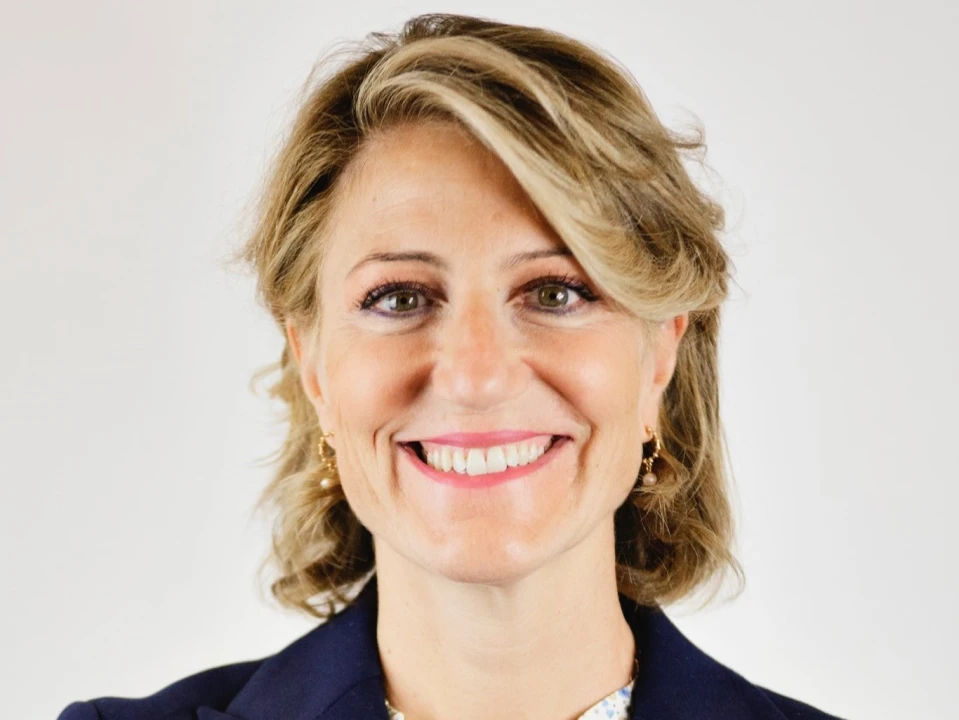
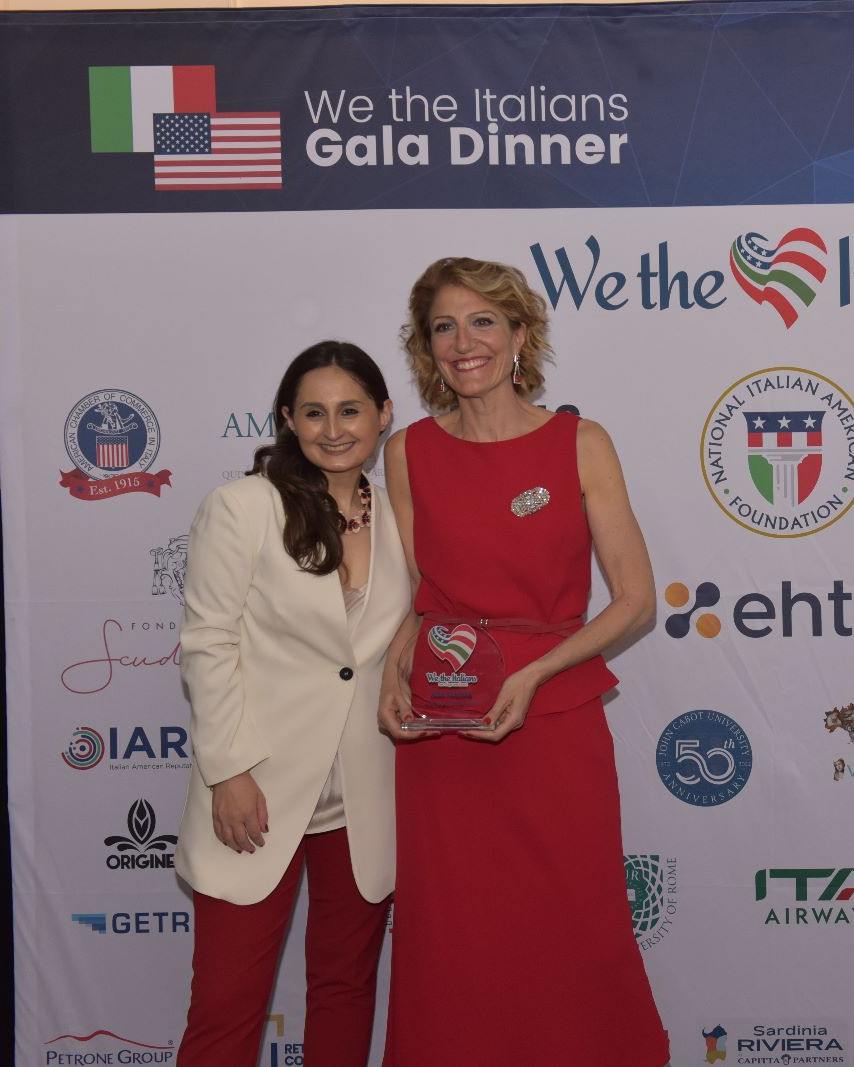
One of the many advantages of leading We the Italians is that of knowing and collaborating with truly extraordinary people, who also here in Italy contribute to improving and maintaining the rapport of friendship between Italy and the United States. One of these wonderful people is Giulia Ghia.
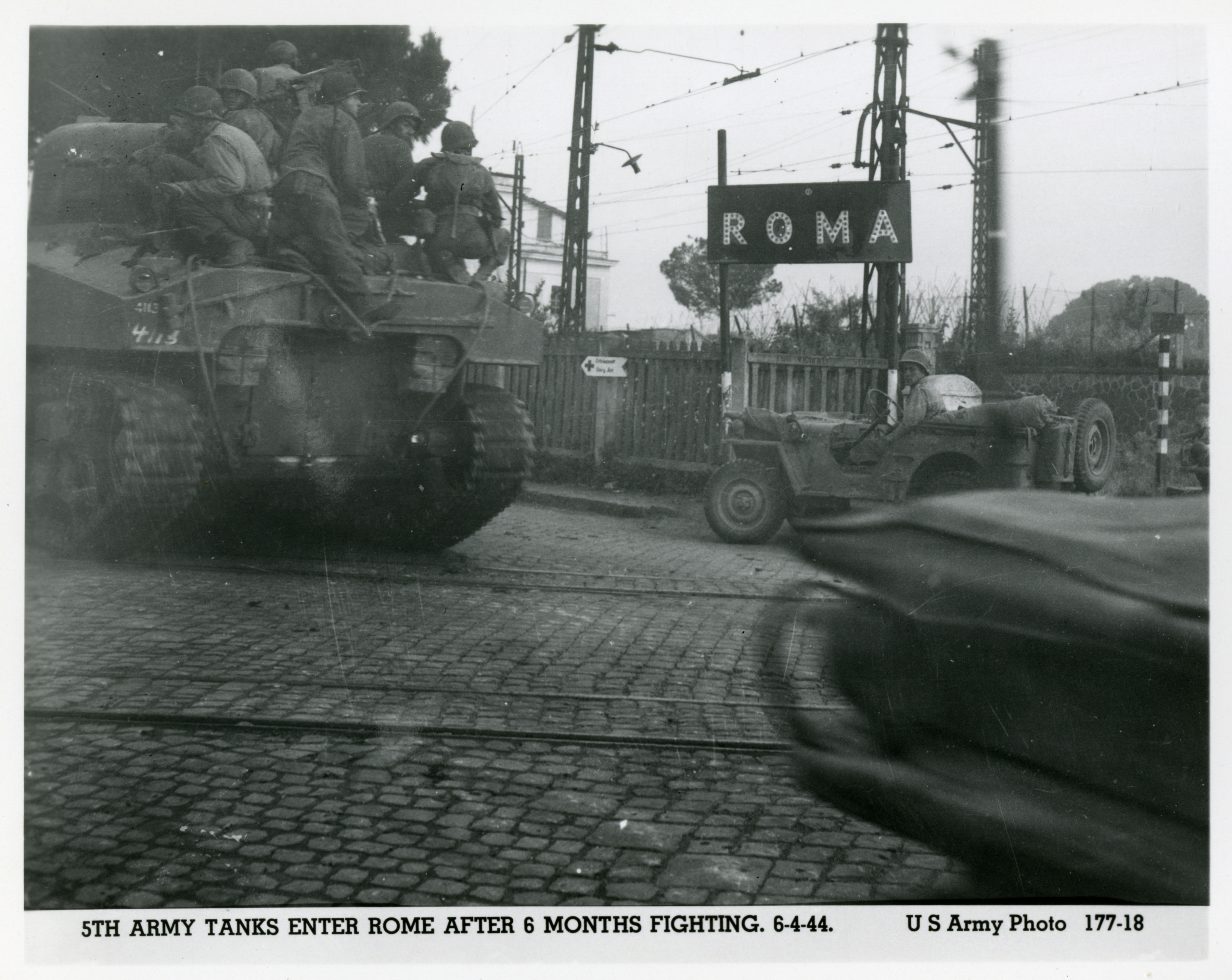
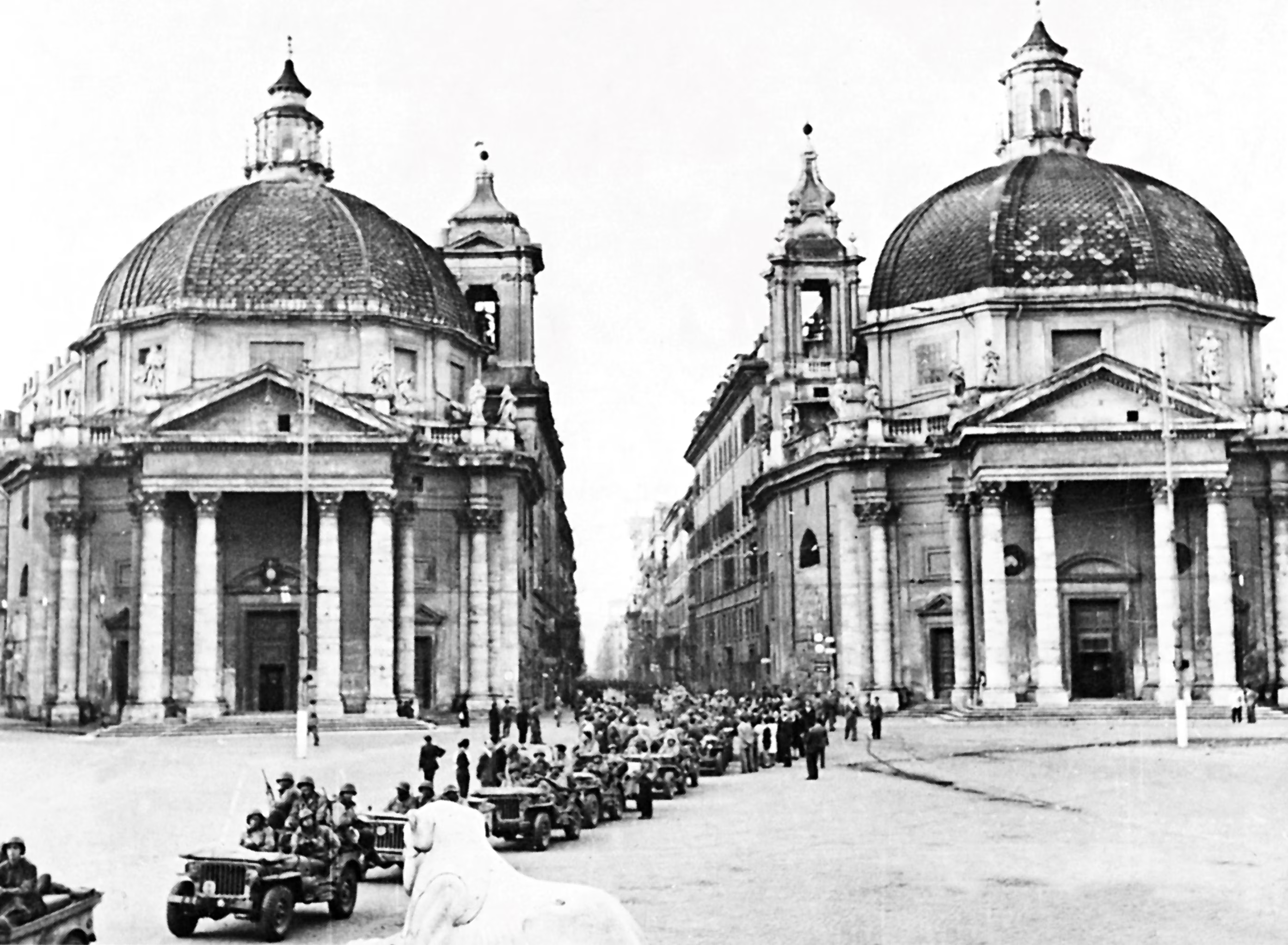
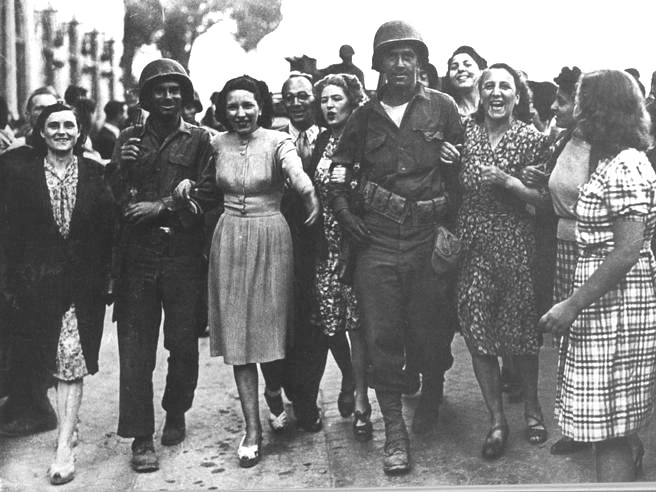
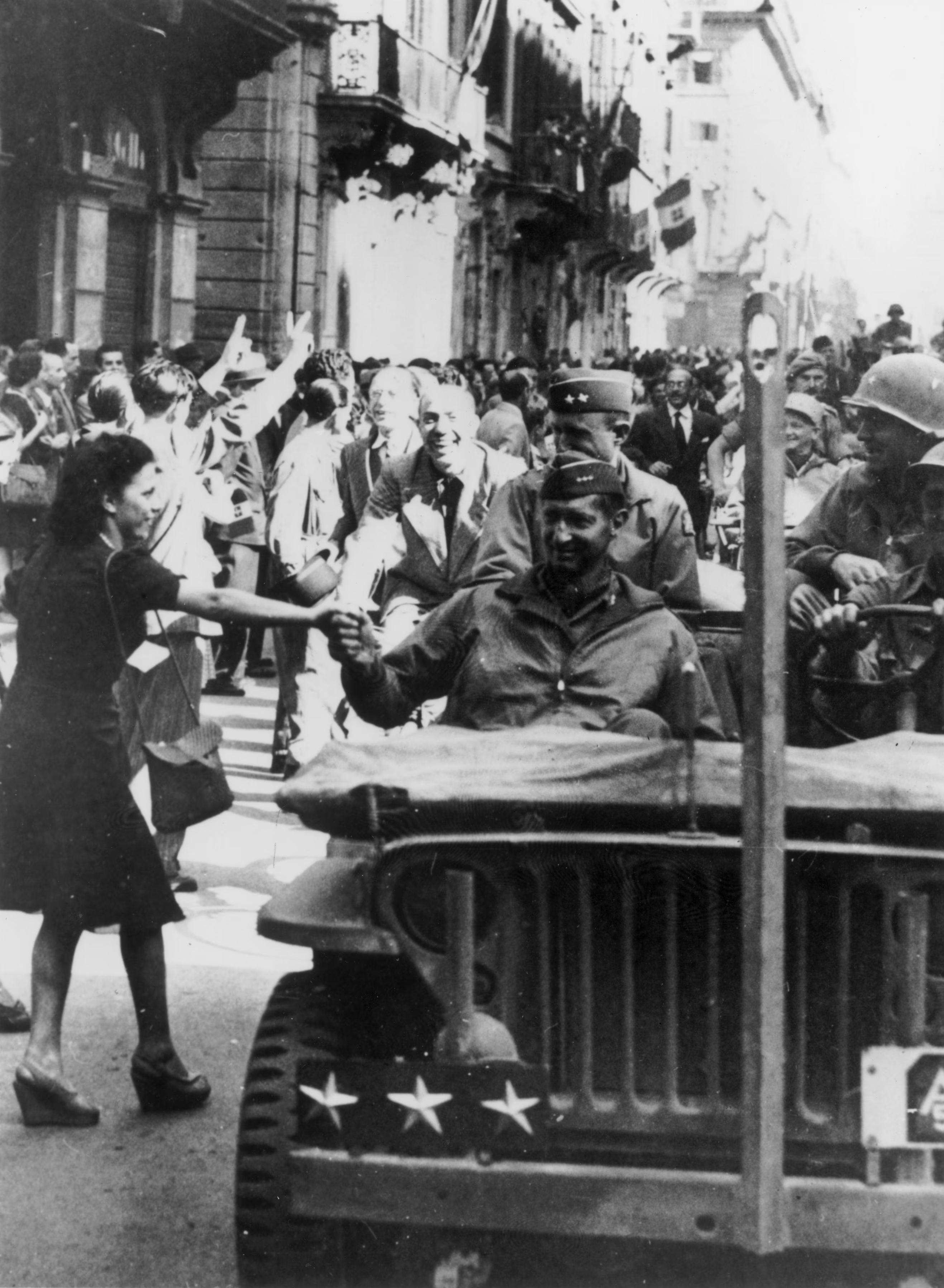
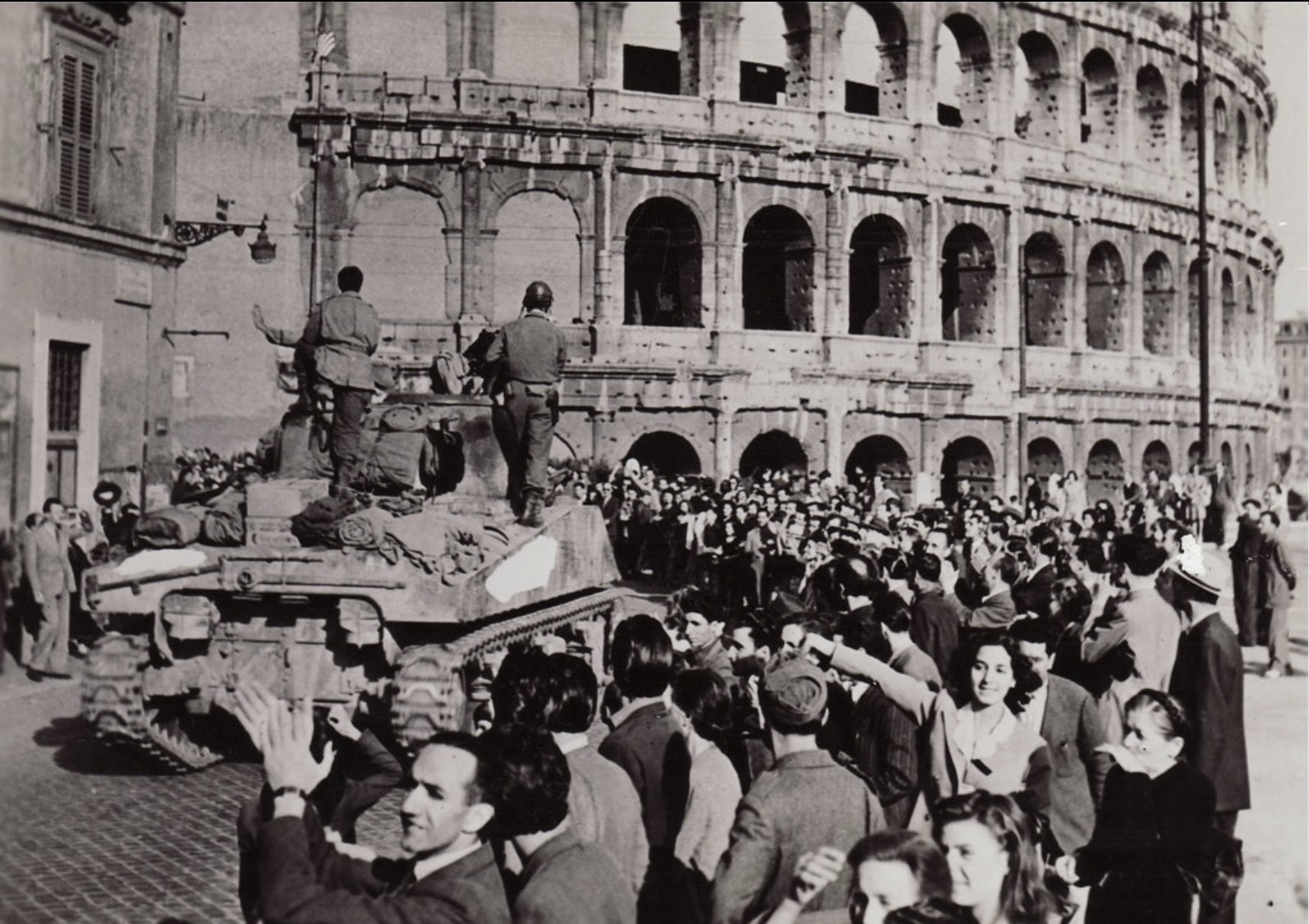
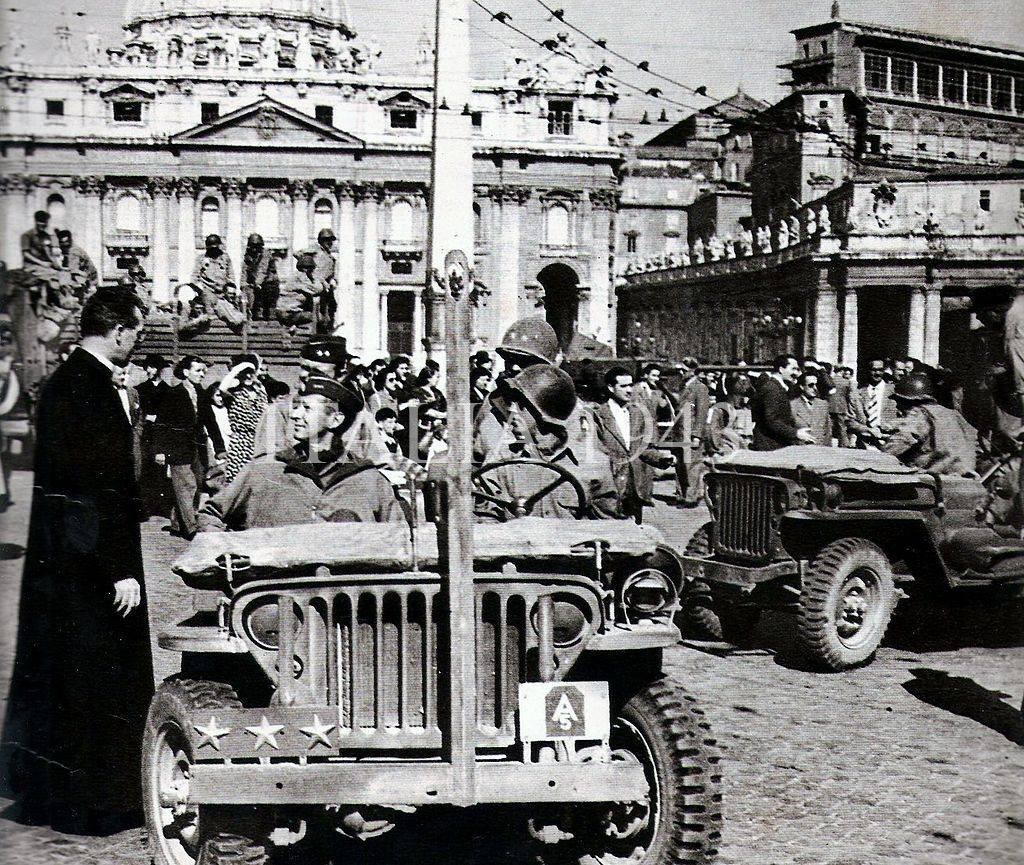
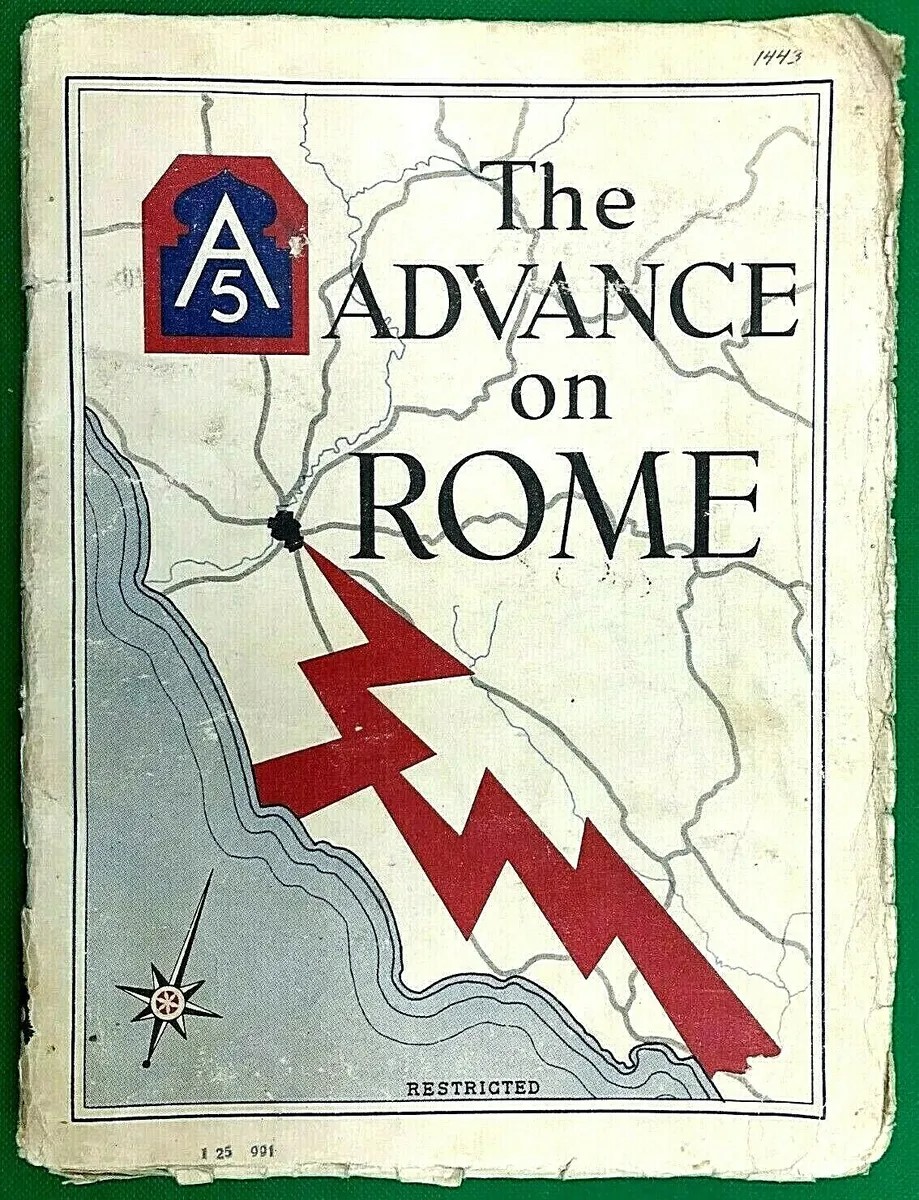
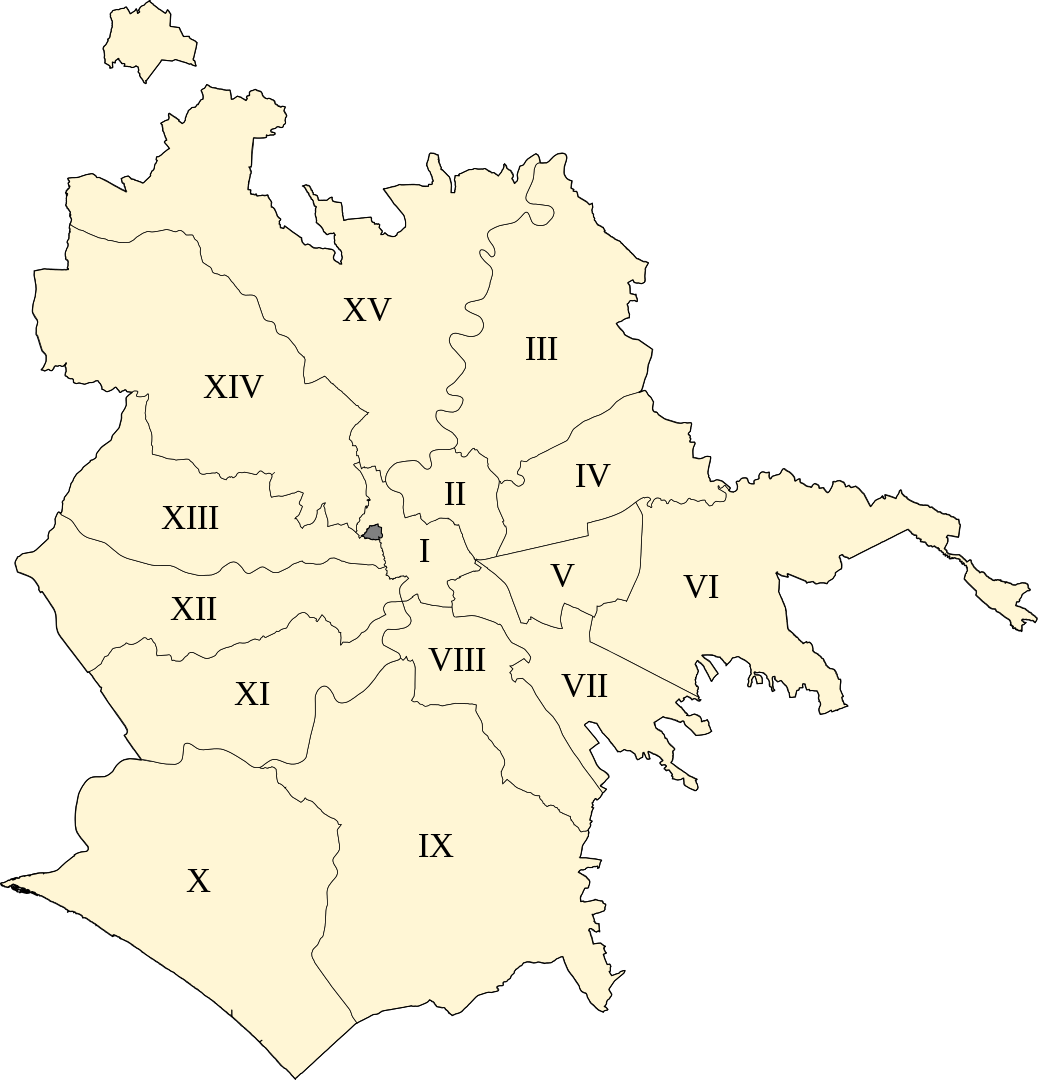
I call her Minister, because being Councilor for Culture of the 1st Municipality of Rome is equivalent to being responsible for a cultural heritage that in Europe is probably inferior only to France and Spain, and perhaps not even to these two countries. I am very grateful to Giulia Ghia for everything she does, and in particular for representing the city of Rome today as we remember the eightieth anniversary of the liberation of Rome by the American Fifth Army.
Dear Giulia, the first question I ask you concerns you and your family, who seem to me to be at least as interested in relations between Italy and the United States as you are... it's nice to meet people who share, like me, this great love for the two best countries in the world (personal opinion...)
The connection with the United States is long-standing. An ancestor of my mother's family lived in San Francisco; he moved towards the end of the 19th century and the villa where he lived still exists. I also have a very vivid memory of a wonderful South American aunt, Aunt Elita, an artist in the true sense of the word who, when she came to visit us in Italy, enchanted me with her stories of this wonderful country. Then numerous trips made with my parents and sisters since we were little.
Until at a certain point my father was appointed to represent Italy in one of the Uncitral commissions at the United Nations. And so more than once a year we began to frequent and get to know the city of New York. Today I have a sister who has lived in San Diego for about 17 years and works as a researcher for the Cancer Institute of the University of San Diego and I don't think she will return to Italy soon; she even got married there! I myself married a social anthropologist who wrote a PhD thesis on Native Americans and is now a professor and also Assistant Dean for Student Academic Affairs at John Cabot University in Rome.
My association with this city has allowed me to develop part of my career in this country and I can confidently say that even today if you have a valid idea that you believe in, you will be able to realize it in this country. The know-how of being Italian is a priceless added value and in the USA, you understand it very well because you are outside of Italy.
Among your merits is also that of having helped We the Italians celebrate and thank the United States for the 80th anniversary of the liberation of Rome by the Fifth United States Army. We at We the Italians are pleased to have made our contribution... Representing the city of Rome, what do you feel like saying in this regard to the friends (Italian-Americans and otherwise) who read us?
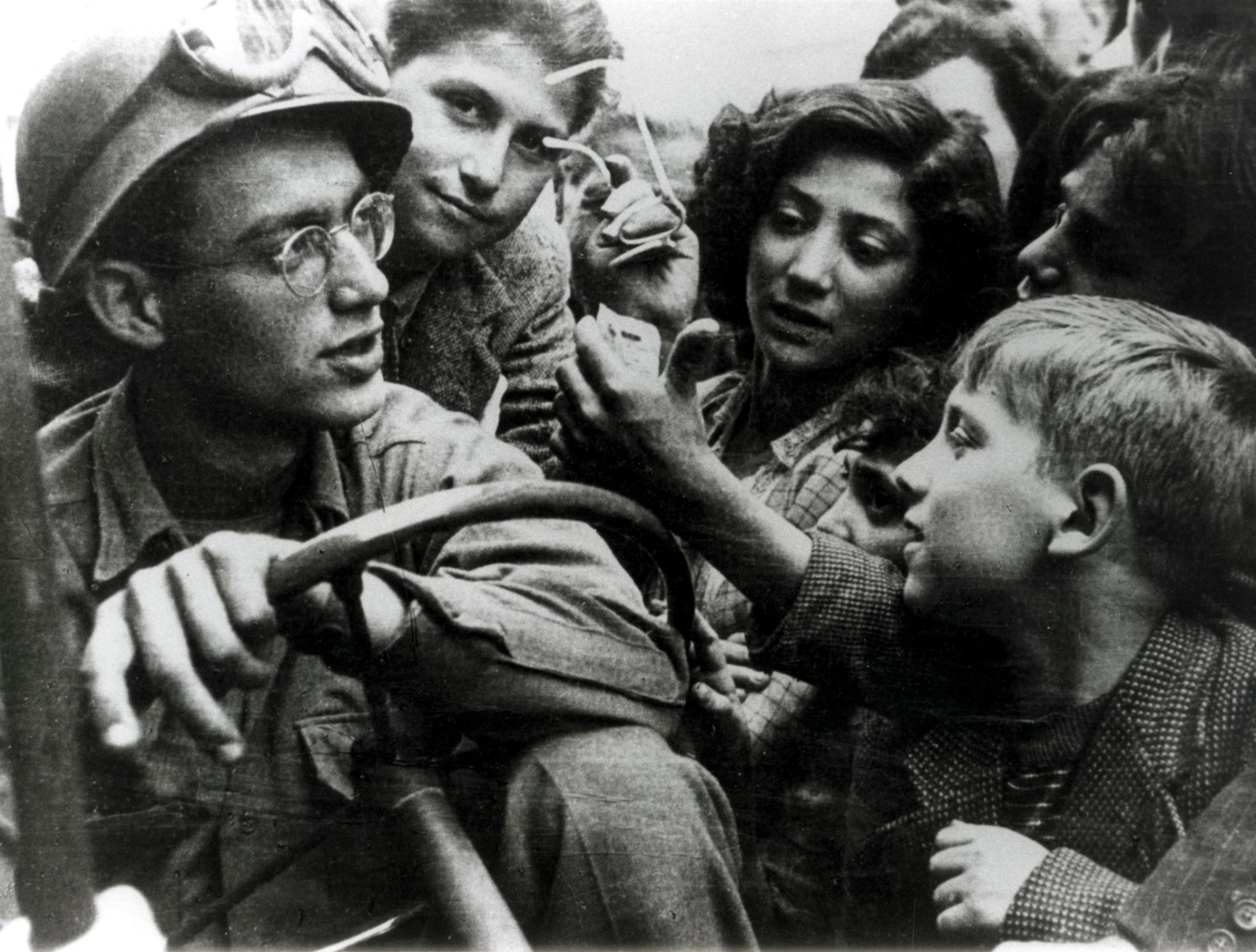
We could not fail to celebrate this very important event, because without the Americans, there would no longer be an Italy. I am the daughter of a generation that was born during the Second World War and that still has vivid memories of what happened. My grandfather was a general in the Italian army and as long as he lived, he told me about that moment. America helped us, that same America where so many Italians had emigrated. We are two countries inextricably linked by history.
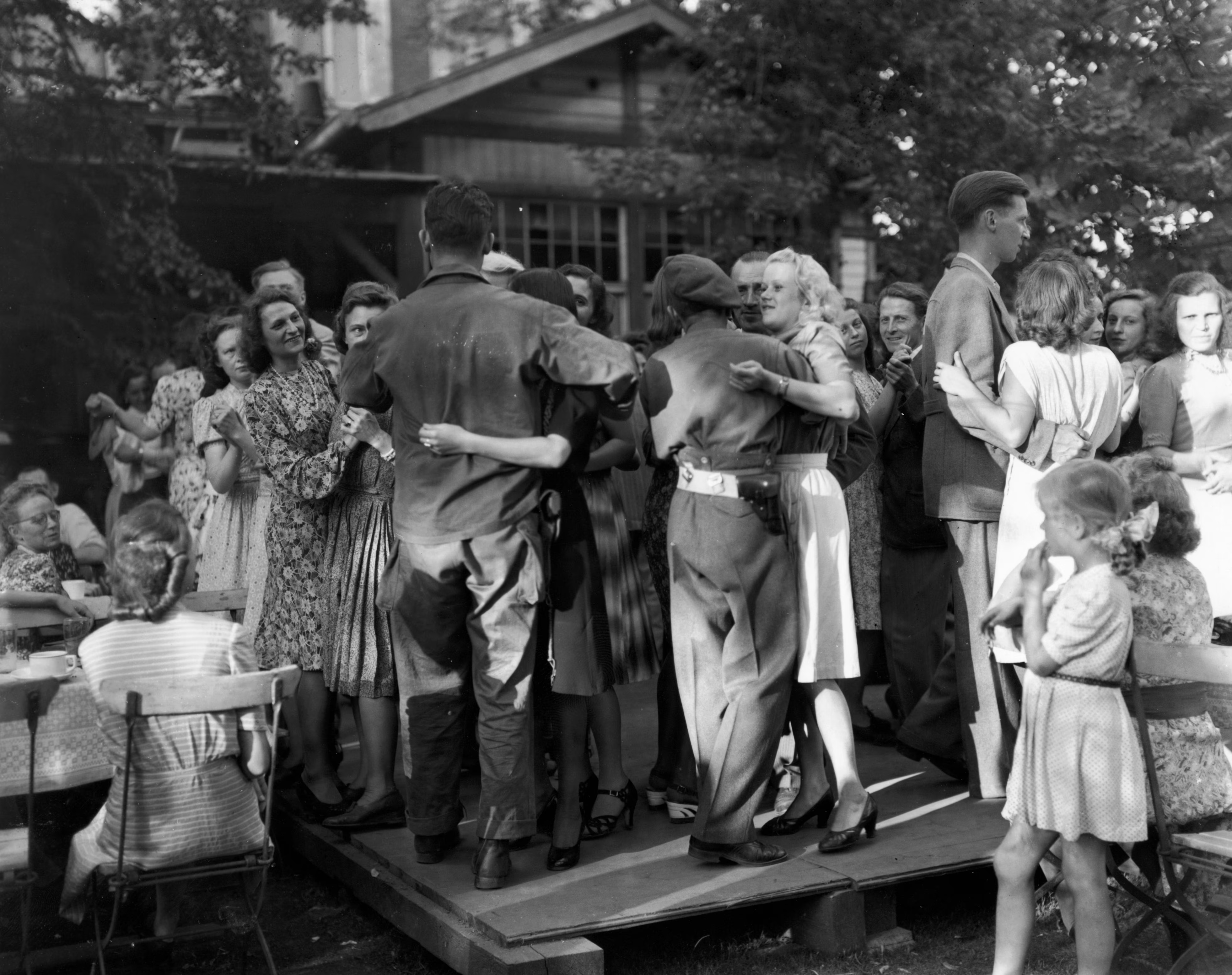
Of that June 4th 80 years ago, there are some wonderful images in the photographic archives of the Municipality of Rome, most of which are unpublished. Perhaps with this occasion it will be time to put together a beautiful publication that can help our young generations to remember the origins of the strong bond between these two countries.
Since November 2021 you have been Councilor of the 1st Municipality of Rome with responsibility for Culture, Education, Sport, and Youth Policies. What is the experience of holding such a prestigious and stimulating role?
It is an experience that certainly overwhelms you, which tends to engulf every aspect of your life. Being on the front line in a territory is very complicated and especially so in a city like Rome. Like all the historic centers of the largest European capitals, the city of Rome also suffers from the desertification by its residents, from the proliferation of B & Bs, from large events which often abuse the most fragile and delicate territory of the capital, unknowingly allowing and promoting its incorrect utilization.
But on the other hand, it is extremely stimulating because you have to defend the most beautiful area of Rome in the world from ignorance and neglect. You must try to implement policies that benefit residents of all ages, to ensure that culture can be that link between the contemporary and the ancient past, to give a new meaning to public places so that people can reclaim them with the right awareness and the right respect.
Let's discount the fact that Rome has been at a standstill in many respects for too many years. I often feel like I'm stopping the wind with my hands but then I just need to look outside to find the energy to fight for this wonderful city.
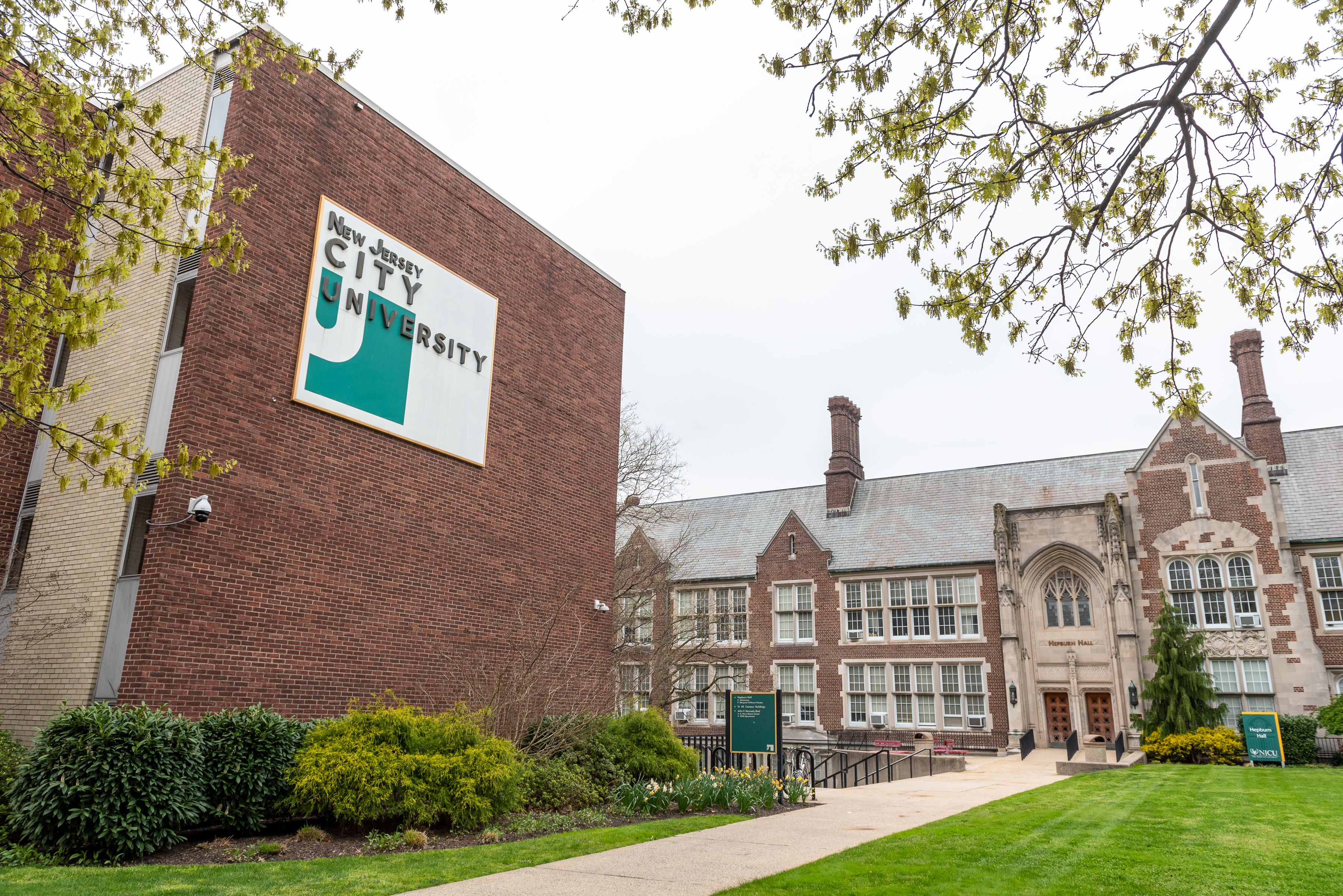
Your relationship with the United States materializes with many initiatives. One of these was your position as associate professor of “Italian art beyond the boundaries of the visible” at New Jersey City University…
I was an adjunct professor for 4 years. Now since I have had the institutional role, I have had to stop due to lack of time to dedicate to my updating and adequate preparation of the lessons, as well as the impossibility of staying in New York for part of the year.
During Covid I remember that I taught lessons from Italy and actually took the kids inside the places whose history I told them. With my iPad and portable wi-fi connection I took them into churches, squares, and museums, always having the director’s authorization to connect. Precisely during these lessons in this particular format, I understood how complicated it is for children to understand that the on-site specific concept was not born with contemporary artists but has centuries of history.
When I gave lessons from New York I took them to the Metropolitan trying to explain to them the difference between an Altarpiece and a painting from a private collection; they couldn't understand the specific context that generated that work. By doing lessons remotely and inside the sites, the children understood more easily the meaning of an altarpiece inserted inside a chapel in dialogue with the frescoes and therefore with the narrative theme of the entire decoration of those spaces.
It was a truly exciting experience.
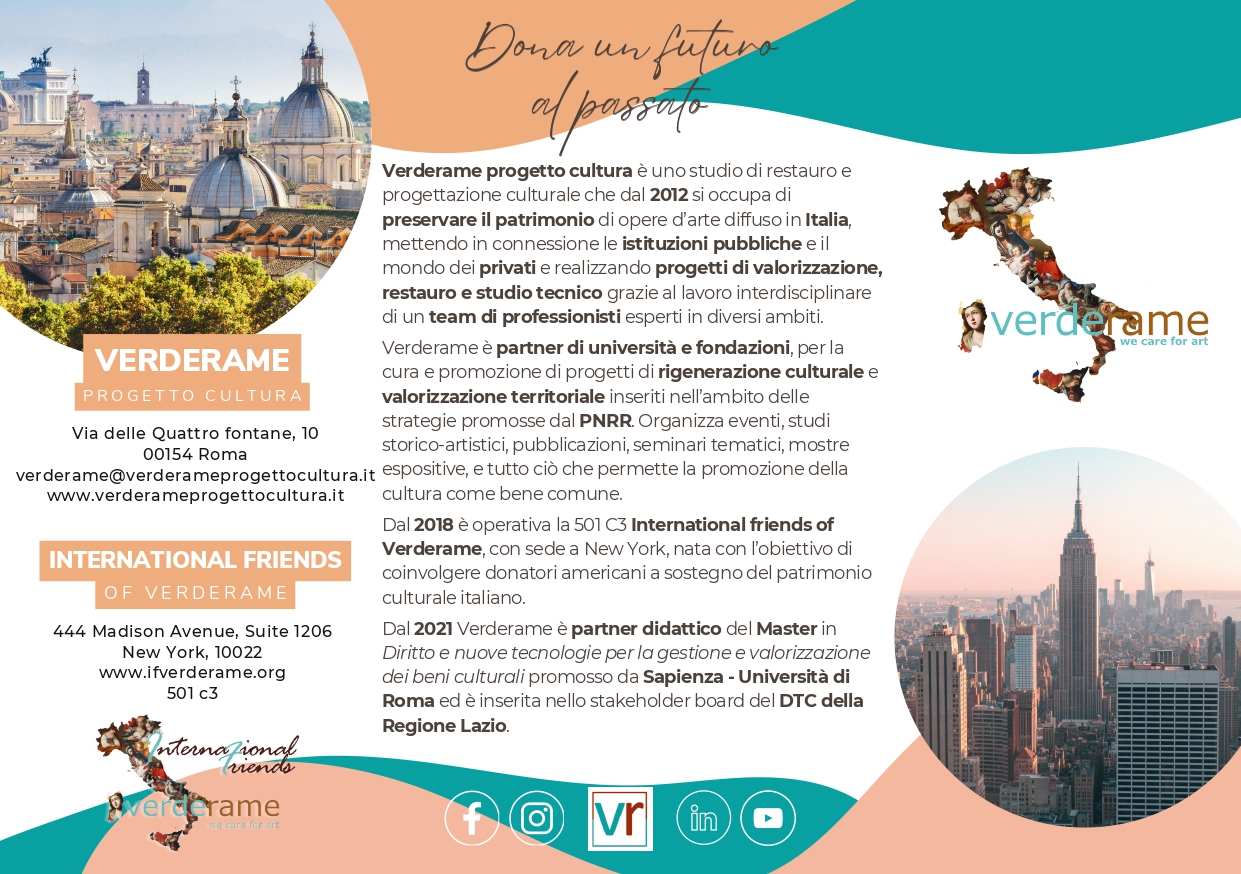
You also created "Verderame project culture", a non-profit company based both in Italy and in the United States which carries out planning, fundraising and implementation of its own projects and those proposed by third parties linked to the cultural sector
Building bridges between the public and private sectors, or rather between the Italian cultural heritage and the world of profit, has always been a passion of mine. Probably my familiarity with the United States made me understand what prospects there could have been in Italy on this topic too.
After completing my second degree, I tried to specialize in a subject that today is called cultural economics, but at the beginning of the 2000s no one was talking about cultural heritage from an entrepreneurial perspective.
I remember that I ended up doing a first Master's degree in marketing with the hope that I could find some kind of connection to the world of culture. It was a kind of nightmare which, however, given my stubbornness, I completed and I must say that in the end this Master's degree was much more useful to me than the second one I took in Cultural Heritage Management which was finally offered in Rome at the Lumsa University.
At that point, thanks to my preparation, I founded the non-profit "Verderame cultural project" precisely with the aim of having private financing through the possible forms of the time, and I'm talking about 2012, projects aimed at knowledge, restoration and valorization of cultural heritage. No one had ever dealt with this aspect and it was really, above all, a truly arduous undertaking at the beginning.
The most difficult thing was finding people within the institutions who could understand the mission I had set for myself. But the time was ripe for this change. In 2014 the art bonus was proposed in Italy for the first time, which was then confirmed in 2016. And from here all the reforms occurred regarding sponsorship and therefore fundraising which take place through the crowdfunding mechanism.
As part of Verderame's activities, you collaborated with the National Italian American Foundation for a wonderful project: the restoration of Villa Farnesina... can you tell us more?
A few years after the birth of the Italian non-profit, I worked to found a "sister" in the United States. A few years later, International Friends of Verderame (IFV) was born. It is a 501c3, this is the code that non-profits have in the United States. In this way I put Americans in a position to donate according to their tax exemption system.
There were many relationships that I had developed over the years with some personalities in New York, starting from the Universities, the Italian Consulate and the Italian Cultural Institute, with which the collaboration has never stopped.
Thanks to We The Italians I was able to meet Robert Allegrini, President of the NIAF, and we immediately got on well. I requested his help in launching a fundraiser for a restoration to be carried out at Agostino Chigi's Villa, known as Villa Farnesina. The NIAF accepted the request and granted a grant to IFV with which we organized an event in Rome to raise funds which we allocated to the restoration of two works of art which are kept in the church near Villa Farnesina, a strategic church for the next Jubilee.
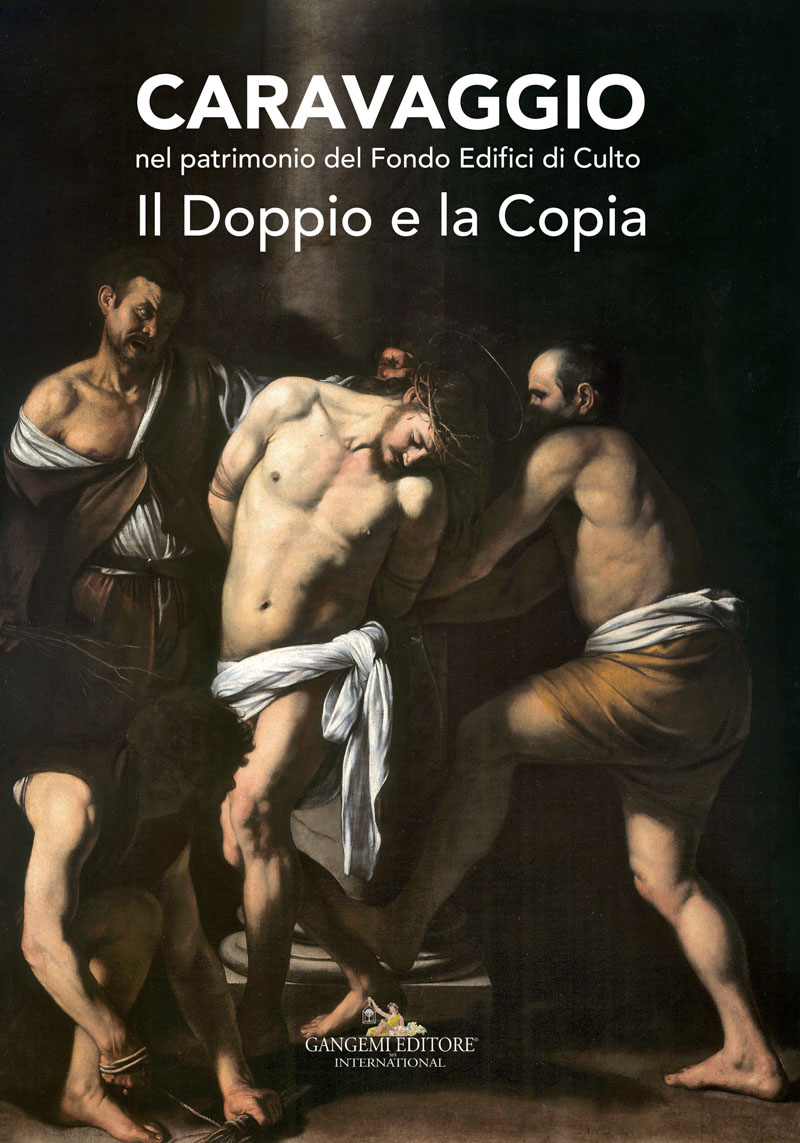
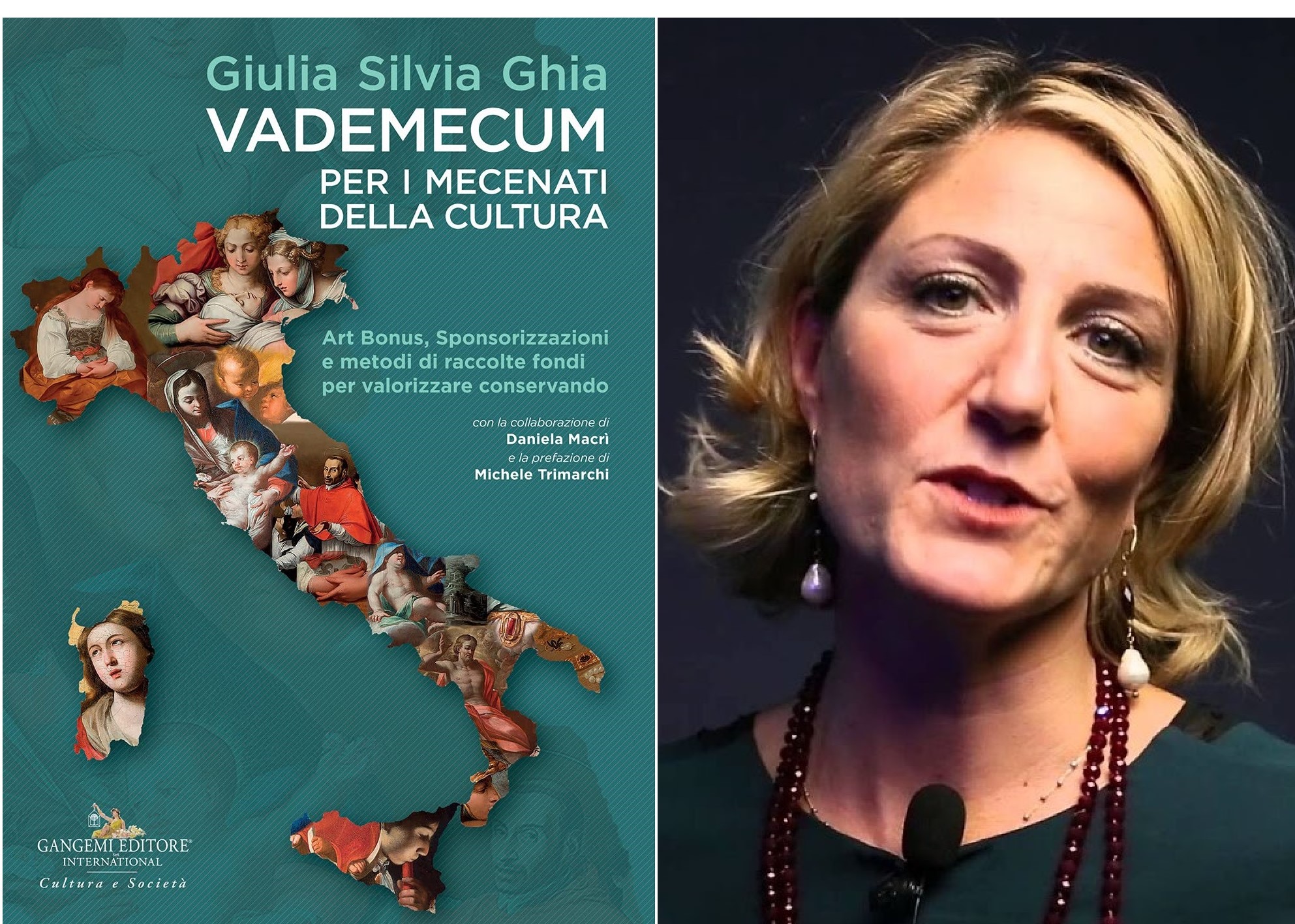
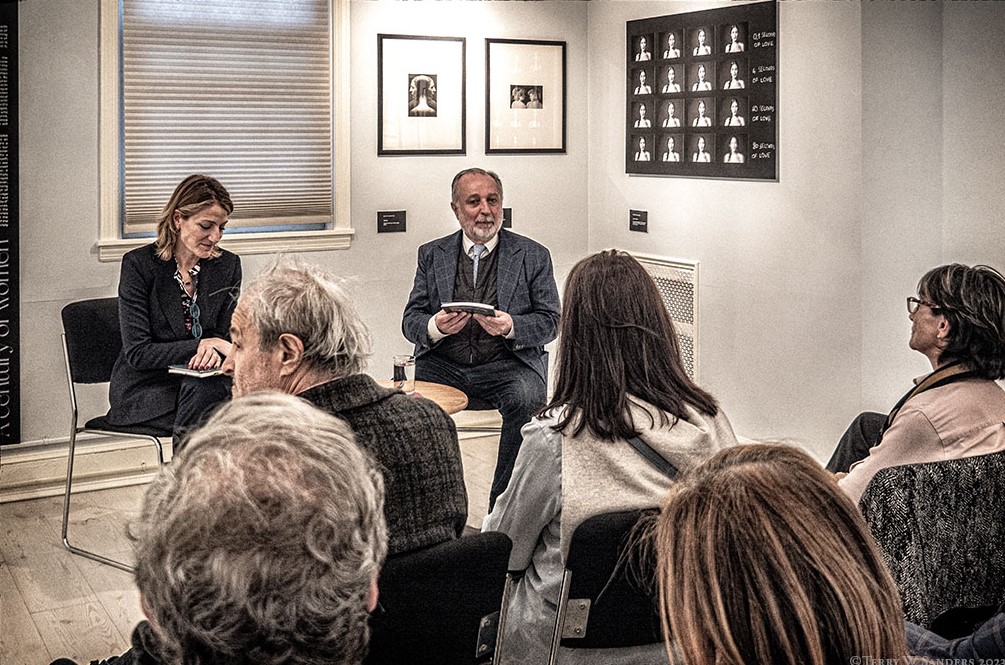
Finally, I would ask you about your books on art. The first is "Caravaggio in the Heritage of the Cult Buildings Fund: The Double and the Copy". The second is “Handbook for patrons of culture. Art Bonus, sponsorships and fundraising methods to enhance while preserving", which you also presented last year at the Italian Cultural Institute in New York...
During my first degree in art history, I became particularly passionate about the constituent materials of paintings, especially of the paintings created from the Renaissance to the 1600s. In that period, each artist began to detach himself from the rules and methods consolidated by the academies to develop absolutely personal creative processes.
I dedicated 7 years of my life to studying the execution technique of Michelangelo Merisi da Caravaggio, on the twenty-two canvases that are still kept in the city of Rome today. The publication of two volumes resulted, an incredible journey through the layers of this extraordinary artist's works of art.
Through diagnostic investigations carried out with the most modern technologies we were able to reconstruct the creative process of these twenty-two works starting from the canvas used for the preparation, the preparatory drawing, the choice of pigments and the way in which they were spread and applied by the artist. We thus discovered that Caravaggio drew with two techniques: if the preparation was light through the use of charcoal, if the preparation was dark, he created the drawing using a metal tip and therefore creating the contour lines of the figures by engraving them on the preparation. We discovered his regrets, changes of subject, reuse of unfinished canvases perhaps by other artists present in the workshop he frequented at the time; in short, many elements that are all told in this content-rich publication.
I wrote my other book during Covid. I needed to put my notes in order for the lessons of the Master's degree in Law and new technologies for the valorization of cultural heritage at the Faculty of Law of the La Sapienza University of Rome, where I teach "Museums, exhibitions and events: management of cultural heritage and the main mechanisms of fundraising."
This publication emerged, which is a milestone in what has almost been an obsession of mine since the beginning of my professional experience, namely that of helping all those people who, each according to their own possibilities, want to be part of the conservation, knowledge, of the valorization of our cultural heritage.
If in the first part I analyze, starting from jurisprudence, the mechanisms for being a patron of the arts in Italy, the second part is dedicated to projects that have seen the implementation of the laws and which have concretely led to results shared by the territories involved. It is a topic that I have discovered is of extreme interest, to my great surprise, even overseas.
Uno dei tanti pregi di guidare We the Italians è quello di conoscere e collaborare con persone davvero straordinarie, che anche qui in Italia contribuiscono a migliorare e mantenere saldo il rapporto di amicizia tra Italia e Stati Uniti. Una di queste meravigliose persone è Giulia Ghia.
Io la chiamo Ministro, perché essere Assessore alla Cultura del I Municipio di Roma equivale ad essere responsabile di un patrimonio culturale che probabilmente in Europa è inferiore solo a Francia e Spagna, e forse nemmeno a questi due Paesi. Sono molto grato a Giulia Ghia per tutto quello che fa, e in particolare per rappresentare la città di Roma oggi che ricordiamo l’ottantesimo anniversario della liberazione di Roma da parte della Quinta Armata americana.
Cara Giulia, la prima domanda che ti faccio riguarda te e la tua famiglia, che mi sembra sia interessata ai rapporti tra Italia e Stati Uniti almeno quanto te... è bello conoscere persone che condividono come me questo grande amore per i due Paesi migliori del mondo (parere personale…)
Il legame con Gli Stati Uniti e di lunga data. Un antenato della famiglia di mia mamma viveva a San Francisco, si è trasferito verso la fine dell'Ottocento ed esiste ancora la villa dove lui viveva. Inoltre ho un ricordo molto vivo di una meravigliosa zia sudamericana, zia Elita, un'artista nel vero senso della parola che quando veniva a trovarci in Italia mi incantava con i suoi racconti di questo meraviglioso Paese. Poi numerosi viaggi fatti con i miei genitori e le mie sorelle sin da quando eravamo piccole.
Finché ad un certo punto arrivò la nomina di mio padre a rappresentare l'Italia in una delle commissioni dell'Uncitral alle Nazioni Unite. E così più di una volta all'anno abbiamo cominciato a frequentare e a conoscere la città di New York. Oggi ho una sorella che vive a San Diego da circa 17 anni e lavora come ricercatrice per il Cancer Institute dell'università di San Diego e non credo che tornerà presto in Italia si è anche sposata li! Io stessa ho sposato un antropologo sociale che ha scritto una tesi di Phd sui Nativi Americani e ora è professore e anche Assistant Dean for Student Academic Affairs alla John Cabot University di Roma.
La frequentazione con questa città mi ha permesso di sviluppare parte della mia carriera in questo paese e posso tranquillamente affermare che ancora oggi se hai un'idea valida in cui credi in questo paese potrai realizzarla. Il know how di essere italiana è un valore aggiunto priceless e negli USA lo comprendi molto bene perché sei fuori dall’Italia.
Tra i tuoi meriti c’è anche quello di aver aiutato We the Italians a celebrare e ringraziare gli Stati Uniti per gli 80 anni dalla liberazione di Roma da parte della Quinta Armata dell’esercito americano. Noi di We the Italians siamo lieti di aver dato il nostro contributo… In rappresentanza della città di Roma, cosa ti senti di dire a questo proposito agli amici (italoamericani e non) che ci leggono?
Non potevamo non celebrare questo importantissimo appuntamento, perché senza gli americani non ci sarebbe stata più un'Italia. Io sono figlia di una generazione che è nata durante la Seconda guerra mondiale e che ha ancora vivi i ricordi di quello che è accaduto. Mio nonno è stato un generale dell'esercito italiano e finché è vissuto mi ha raccontato di quel momento. L'America ci ha aiutati, quella stessa America dove erano emigrati tantissimi italiani. Siamo due paesi indissolubilmente legati dalla storia.
Di quel 4 giugno di 80 anni fa negli archivi fotografici del Comune di Roma ci sono delle immagini meravigliose la maggior parte delle quali sono inedite magari con questa occasione sarà il caso di mettere insieme una bella pubblicazione che possa aiutare le nostre giovani generazioni a ricordare le origini del forte legame fra questi due Stati.
Dal novembre del 2021 sei Assessore del I Municipio di Roma con delega alla Cultura, Scuola, Sport e politiche giovanili. Che esperienza è quella di ricoprire un ruolo così prestigioso e stimolante?
È un'esperienza che certamente ti sovrasta, che tende a fagocitare ogni aspetto della tua vita. Essere in prima linea sul territorio è molto complicato e lo è soprattutto in una città come Roma. Come tutti i centri storici delle più grandi capitali europee anche la città di Roma soffre della desertificazione dei suoi residenti, del proliferare dei B & B, dei grandi eventi che spesso abusano del territorio più fragile e delicato della capitale permettendone e promuovendone un uso errato e inconsapevole.
Ma d'altro canto è estremamente stimolante perché devi difendere dall'ignoranza e dall'incuria l'area di Roma più bella del mondo. Devi cercare di attuare delle politiche che vadano in favore dei residenti di ogni età, a far sì che la cultura possa essere quel tramite fra la contemporaneità e l'antico passato, a dare un nuovo senso ai luoghi pubblici affinché le persone possano tornare a riappropriarsene con la giusta consapevolezza e il giusto rispetto.
Scontiamo il fatto che Roma è stata ferma sotto diversi punti di vista da troppi anni. Spesso mi sembra di fermare il vento con le mani ma poi mi basta guardare fuori per ritrovare l'energia per combattere in favore di questa meravigliosa città.
Il tuo rapporto con gli Stati Uniti si concretizza con molte iniziative. Una di queste è stata la tua cattedra di professore associato di “Arte italiana oltre i confini del visibile” presso la New Jersey City University…
Sono stata professore aggiunto per 4 anni, ora da quando ho l'incarico istituzionale ho dovuto sospendere per mancanza di tempo da dedicare al mio aggiornamento e alla preparazione adeguata delle lezioni, nonché dell'impossibilità di restare per parte dell'anno A New York. Spero davvero di tornare dai miei ragazzi al termine di questa esperienza.
Durante il Covid mi ricordo che facevo lezione dall’Italia e portavo concretamente i ragazzi dentro ai luoghi di cui raccontavo loro la storia. Con il mio Ipad e la connessione wi-fi portatile li ho portati dentro alle chiese, alle piazze e ai musei sempre facendomi autorizzare per la connessione dai direttori. Proprio durante queste lezioni in questo formato particolare, ho compreso quanto sia complicato per i ragazzi comprendere che il concetto on site specific non è nato con gli artisti contemporanei ma ha secoli di storia.
Quando facevo lezione da New York li portavo al Metropolitan cercando di spiegare loro la differenza fra una Pala d'altare e un dipinto da collezione privata, non riuscivano quindi a comprendere il contesto specifico che ha generato quell'opera. Facendo lezioni a distanza e dentro ai siti i ragazzi comprendevano con più facilità il senso di una Pala d'altare inserita all'interno di una cappella in dialogo con gli affreschi e dunque con il tema narrante di tutta la decorazione di quegli spazi.
E’ stata un'esperienza davvero entusiasmante.
Hai anche dato vita a “Verderame progetto cultura”, una no profit che ha sede sia in Italia che negli Stati Uniti e che svolge attività di progettazione, fundraising e realizzazione di progetti propri e proposti da terzi legati all'ambito culturale.
La costruzione di ponti fra il pubblico e il privato o meglio tra il patrimonio culturale italiano e il mondo del profit è sempre stato un mio pallino. Probabilmente la frequentazione con gli stati uniti mi ha fatto comprendere quali prospettive ci sarebbero potute essere in Italia anche su questo argomento.
Terminata la mia seconda laurea ho cercato di specializzarmi in una materia che oggi si chiama economia della cultura, ma agli inizi degli anni 2000 nessuno parlava del patrimonio culturale con un'ottica imprenditoriale.
Mi ricordo che finii col fare un primo master in marketing con la speranza che potessi trovare un qualche taglio legato al mondo della cultura. Fu una specie di incubo che però data la mia caparbietà portai a termine e devo dire che alla fine mi servì molto di più questo master che non il secondo che presi in Management del patrimonio culturale che finalmente venne proposto a Roma presso l’università Lumsa.
A quel punto, forte della mia preparazione, ho fondato la no profit “Verderame progetto cultura” proprio con l'obiettivo di far finanziare dai privati attraverso le forme possibili di allora, e parlo del 2012, progetti rivolti alla conoscenza, al restauro e alla valorizzazione di beni culturali. Nessuno si era mai occupato di questo aspetto e fu davvero agli inizi soprattutto un'impresa veramente ardua.
La cosa più difficile è stata trovare persone all'interno delle istituzioni che potessero comprendere la missione che mi ero posta. Ma i tempi erano maturi per questo cambiamento. Nel 2014 venne proposto in Italia per la prima volta l'art bonus, che venne poi confermato nel 2016. E da qui poi si sono succedute tutte le riforme realizzate in merito alla sponsorizzazione, e quindi alle raccolte fondi che avvengono attraverso il meccanismo del crowdfunding.
Nell’ambito delle attività di Verderame, hai collaborato con la National Italian American Foundation per un progetto meraviglioso: il restauro di Villa Farnesina… ci dici di più?
Qualche anno dopo la nascita della no profit italiana, mi sono adoperata per fondare una “sorella” negli Stati Uniti. Qualche anno dopo nasce International Friends of Verderame (IFV). Si tratta di una 501c3, questo è il codice che hanno le no profit negli Stati Uniti. In questo modo ho messo gli americani nelle condizioni di donare secondo il loro sistema di defiscalizzazione.
Tanti erano i rapporti che avevo maturato negli anni con alcune personalità di New York partendo dalle Università, dal Consolato Italiano e dall’Istituto Italiano di Cultura, con cui la collaborazione non si è mai interrotta.
Grazie a We The Italians ho potuto conoscere Robert Allegrini, Presidente della NIAF, con cui siamo entrati subito in sintonia. Gli proposi un aiuto per lanciare una raccolta fondi per un restauro da eseguire presso la Villa di Agostino Chigi, nota come Villa Farnesina. La NIAF ha accolto la richiesta è ha concesso un grant a IFV con cui abbiamo organizzato un evento a Roma per raccogliere fondi che abbiamo destinato al restauro di due opere d’arte che sono custodite nella chiesa vicino alla Villa Farnesina. Una chiesa strategica per il prossimo Giubileo.
Infine, ti chiederei di due tuoi libri sull’arte. Il primo è “Caravaggio nel patrimonio del Fondo Edifici di Culto: Il doppio e la Copia”. Il secondo è “Vademecum per i mecenati della cultura. Art Bonus, sponsorizzazioni e metodi di raccolte fondi per valorizzare conservando”, che hai presentato lo scorso anno anche all’Istituto Italiano di Cultura di New York…
Durante la mia prima laurea in storia dell'arte mi sono particolarmente appassionata dei materiali costitutivi dei dipinti. Soprattutto dei dipinti realizzati dal Rinascimento al 600 in quel periodo in cui ogni artista ha cominciato a distaccarsi dalle regole e dai metodi consolidati dalle accademie per maturare dei procedimenti creativi assolutamente personali.
Ho dedicato 7 anni della mia vita a studiare la tecnica esecutiva di Michelangelo Merisi da Caravaggio, sulle ventidue tele che sono ancora oggi custodite nella città di Roma. Ne è scaturita la pubblicazione di due volumi. Un viaggio incredibile tra gli strati delle opere d'arte di questo straordinario artista.
Attraverso le indagini diagnostiche realizzate con le più moderne tecnologie siamo riusciti a ricostruire il processo creativo di queste ventidue opere partendo dalla tela utilizzata dalla preparazione, dal disegno preparatorio, dalla scelta dei pigmenti e dalla modalità con cui venivano stesi ed applicati dall'artista. Abbiamo scoperto così che Caravaggio disegnava con due tecniche: se la preparazione era chiara attraverso l'utilizzo di un carboncino, se la preparazione era scura realizzava il disegno utilizzando una punta metallica e dunque realizzando le linee di contorno delle figure incidendole sulla preparazione. Abbiamo scoperto i suoi pentimenti, cambi di soggetto, riuso di tele non finite magari da altri artisti presenti nella bottega che in quel momento frequentava. Insomma, tantissimi elementi che sono raccontati tutti in questa pubblicazione densa di contenuti.
L'altro mio libro l'ho scritto durante il covid. Avevo necessità di rimettere ordine negli appunti per le lezioni del master Diritto e nuove tecnologie per la valorizzazione dei Beni Culturali presso la facoltà di Giurisprudenza della Università La Sapienza di Roma, dove insegno “Musei, mostre ed eventi: management dei beni culturali e principali meccanismi di raccolte fondi”.
Ne è emersa questa pubblicazione che è una pietra miliare su quella che è stata quasi una mia ossessione sin dall'inizio della mia esperienza professionale, ovvero quello di aiutare tutte quelle persone che, ognuna secondo le proprie possibilità, vogliono fare parte della conservazione, della conoscenza, della valorizzazione del nostro patrimonio culturale.
Se nella prima parte analizzo partendo dalla giurisprudenza quelli che sono i meccanismi per essere un mecenate in Italia, la seconda parte è dedicata a progetti che hanno visto la messa in pratica delle leggi e che hanno portato concretamente a dei risultati partecipati dai territori coinvolti. È un argomento che ho scoperto di estremo interesse, con mia grande sorpresa, anche oltreoceano.