

Over the past decade, Italy has been marketed abroad in two radically opposite - yet equally misleading - ways. On one side, there are the crime headlines and cautionary chronicles, the kind that make any foreign country feel intimidating if you only experience it through the news.
On the other, there is the glossy dream: television shows, lifestyle features and reality formats where charming villages appear frozen in time, renovation projects wrap up in weeks, and local builders speak fluent English while smiling patiently at confused newcomers.
Reality, as usual, lives somewhere else entirely.
The now-famous €1 homes story became the perfect container for this contradiction. For many Americans - especially Italian Americans - it sounded like the convergence of everything they were looking for: roots, beauty, affordability, reinvention. Add to that a steady stream of articles in major US media outlets, YouTube channels documenting “my Italian house journey,” and social media posts promising a simpler life, and the narrative was complete.
A house in Italy, for almost nothing. What could possibly go wrong?
Between headlines and happy endings
Recent news stories in Italy have reminded everyone that things can, in fact, go wrong. Judicial investigations linked to property schemes and renovation incentives have made headlines and inevitably reached international audiences. That is understandable - and, frankly, unavoidable. Every country has its share of bad actors, opportunists and outright fraud.
Italy is no exception. But Italy is also not unique.
If you invest in real estate remotely, without understanding the system, the language, the timelines and the culture, risk exists everywhere - from Florida to Portugal, from Mexico to Eastern Europe. The problem is not Italy. The problem is distance combined with illusion.
At the opposite extreme, popular reality shows and viral videos have created the impression that buying and restoring a home in Italy is mostly a lifestyle upgrade with a charming soundtrack. That you can land, pick a village, hire a contractor who speaks perfect English, and be sipping wine on your restored terrace before the season ends.
Anyone who has actually done it knows how fictional that picture is.
Italy is not hard - but it is real
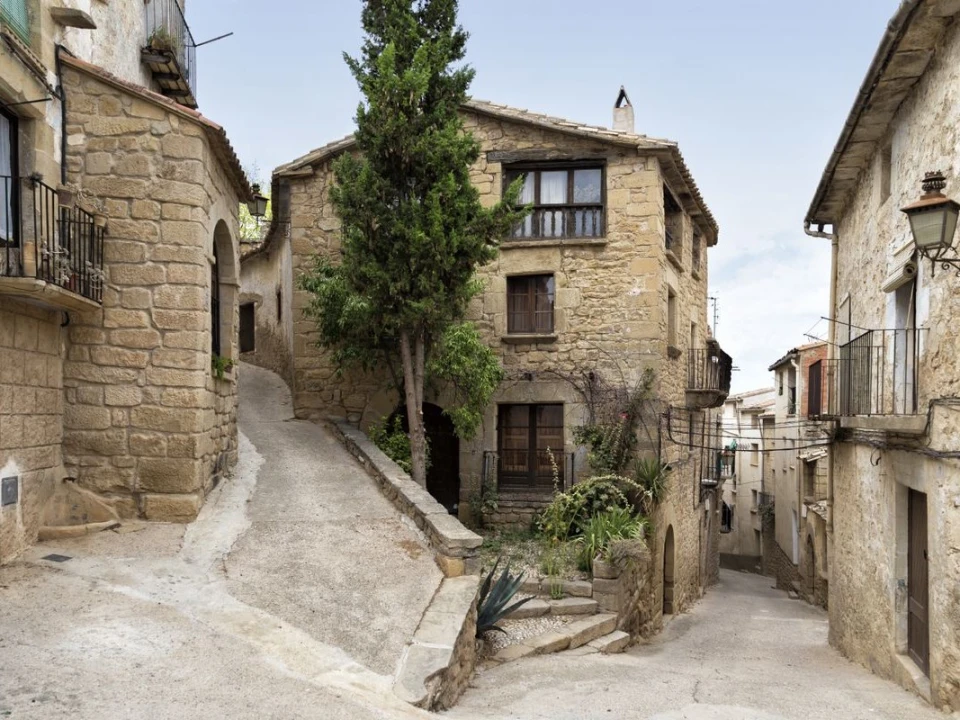
Italy’s villages are not hostile places. They are not traps. They are not scams waiting to happen. But they are real.
Living in a small Italian town is not an “extended vacation.” It means adapting to local rhythms, limited services, regional differences, and a bureaucracy that values procedure over speed. Renovation projects involve layers of planning permission, historical constraints, technical surprises and delays that no television edit will ever show.
This does not mean things do not work. It means they work differently.
Projects in villages are slow. They often change course. Sometimes they stall. This is not failure - it is the baseline condition of working in historic, fragile contexts. What should raise red flags are promises of speed, simplicity and guaranteed outcomes.
Complexity is normal. Deception is not.
The real misunderstanding: investment before life
One of the most common mistakes made by foreign buyers - particularly Americans - is starting from the wrong question.
The question is not: “Is this house a good deal?”
The question should be: “Do I want to live here - and doing what?”
Italy is not a plug-and-play country. Where you live matters enormously. What you plan to do matters even more. A beautiful house in the wrong place, or without a clear life project, quickly turns into a distant, illiquid and stressful investment.
This is why the healthiest paths always look the same:
People come first to experience, not to buy.
They rent.
They stay for months, not weeks.
They test daily life outside the tourist season.
They deal with documents, residency, healthcare, visas, taxation - properly and legally.
Only after that does property begin to make sense.
Skipping this phase is how Italy turns from a life choice into “just another investment,” only farther away, harder to manage, and emotionally loaded.
Italy is affordable - not cheap
Another illusion worth dismantling is the idea of Italy as a bargain country.
Italy can be affordable. In many areas, you can still find extraordinary places where €100,000 goes a very long way. That is real. But affordability does not mean cheap, and it certainly does not mean effortless.
Italy is not a cultural outlet store. It is not a clearance sale of landscapes, food and identity.
Places are affordable precisely because they ask for something in return: time, commitment, presence, adaptation. When Italy is approached as a discount opportunity, expectations inflate and disappointment follows.
And disappointment, everywhere in the world, attracts the wrong incentives.
Less social media, more soil under your shoes
Social media is not the enemy. But it is a terrible decision-making tool.
What Italy asks for is presence. Walking the streets in February, not August. Standing in line at a local office. Learning how people actually live, work, complain and cooperate.
Less scrolling. More listening.
This is why, whenever I speak with people considering a move or an investment, I always suggest the same thing: do not start with the house. Start with the place. With the community. With the question of what that location can offer you - and what you can realistically offer in return.
Only then does real integration begin.
Roots, health, rhythm - and then value
For many Italian Americans, this journey is also about rediscovering roots. That adds depth and emotion, but also responsibility. Returning to a place of ancestry is not about recreating a postcard from the past. It is about becoming part of a present.
Italy can offer extraordinary improvements in quality of life: food, rhythm, relationships, proximity, meaning. For many, it also brings tangible benefits in health and wellbeing. These are not secondary outcomes - they are often the real return on investment.
Economic value can follow. Many people build successful projects, businesses and properties over time. But that value grows slowly, from engagement, not from shortcuts.
Not fear - discernment
So, should people be afraid of €1 homes, village projects or small-town Italy? No.
But they should be discerning.
Italy is neither a crime scene nor a fairy tale. It is a complex, generous, demanding country that gives back in proportion to what you put in - not to what you expect to extract.
Do not let headlines scare you away. But do not arrive as easy prey either.
Italy rewards those who come prepared, curious and grounded. Those who treat it not as a deal, but as a relationship.
Because in the end, whether a house costs one euro or one hundred thousand, the real investment is the same everywhere:
Your time.
Your presence.
Your life.
And that is not something you should ever buy on impulse.