

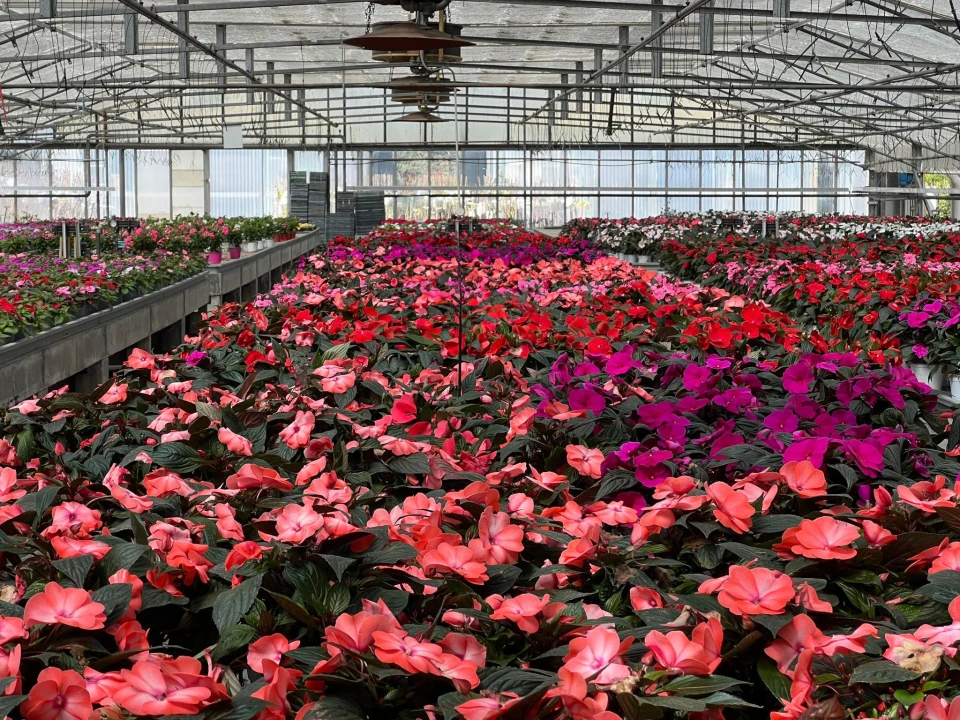

Few agricultural districts in Italy are as deeply connected to their territory as the Pistoia Nursery District. Located in the heart of Tuscany, between Florence and Lucca and at the foot of the Apennine Mountains, it is one of Europe’s most important centers for ornamental plant production. For more than 150 years, nursery cultivation has been the economic engine of this area, shaping its landscape, local identity, and international reputation.
The roots of Pistoia’s nursery industry date back to the second half of the nineteenth century. In 1859, the first organized cultivation of ornamental plants began, supplying villas and gardens throughout Tuscany. Local growers soon realized that the area possessed exceptional natural advantages: a mild climate, abundant water resources, fertile alluvial soils, and the protection provided by the nearby mountains. These conditions allowed plants to grow vigorously and consistently achieve high-quality standards.
Throughout the twentieth century, the sector expanded dramatically. Nursery operations gradually spread beyond the city limits and into the surrounding countryside, transforming the Pistoia plain into an enormous productive landscape dedicated to ornamental horticulture. Following the two World Wars, advances in cultivation techniques, plant preservation, and varietal research further strengthened the district’s leadership position.
Today, the district extends primarily across the Ombrone Valley and includes the municipalities of Pistoia, Quarrata, Agliana, Serravalle Pistoiese, and Montale. Pistoia alone accounts for roughly two-thirds of the district’s nursery-growing area. In this region, plant cultivation is not simply an agricultural activity – it is an integral part of everyday life and the local environment.
The numbers illustrate the district’s importance. Approximately 1,500 companies operate within the cluster, cultivating more than 5,000 hectares and employing over 5,500 people directly, in addition to thousands of jobs in logistics, transportation, agricultural machinery, and specialized services. Annual production exceeds €500 million, with a significant portion destined for international markets. The district accounts for roughly 35% of Italy’s ornamental nursery sector and represents one of Tuscany’s most valuable agricultural assets.
Specialization is one of the characteristics that makes Pistoia unique. Local nurseries cultivate thousands of species and varieties, including shade trees, shrubs, conifers, evergreens, roses, climbing plants, and ornamental citrus trees. Some products, particularly large conifers and mature ornamental specimens, are internationally recognized for their quality and commercial value. These plants are often selected for prestigious landscaping projects throughout Europe and beyond.
Another distinctive feature of the district is its connection to Tuscany’s historic gardening traditions. The cultivation of potted citrus trees, exotic plants, and topiary art – the practice of shaping plants into decorative forms – remains an important component of local production. This combination of agricultural expertise, artistic sensibility, and landscape culture creates a unique identity that is difficult to replicate elsewhere.
The production process itself is highly specialized. Over the decades, Pistoia’s growers have invested heavily in varietal research, mechanization, technological innovation, and environmental sustainability. Many companies operate according to international quality standards and environmental certification systems, ensuring both product excellence and responsible resource management.
Innovation has become increasingly important as the industry adapts to modern challenges. Precision irrigation systems, digital monitoring technologies, and sustainable cultivation methods are helping producers improve efficiency while reducing environmental impact. These innovations are particularly important as climate change and water management become central concerns for agriculture worldwide.
The district’s success is closely linked to its international outlook. Plants grown in Pistoia can be found in private gardens, public parks, urban landscaping projects, and environmental restoration initiatives across dozens of countries. Export activity plays a crucial role in the local economy and continues to demonstrate the competitiveness of Pistoia’s producers on global markets. In recent years, exports have remained at historically high levels, confirming the district’s position among Europe’s leading nursery-growing centers.
Looking ahead, the district faces both challenges and opportunities. Climate change, the spread of plant diseases, sustainable water management, and increasing international competition require continuous investment in research and innovation. At the same time, growing global interest in urban greening, biodiversity, reforestation, and sustainable landscape design is creating significant new market opportunities.
Cities around the world are increasingly investing in parks, green infrastructure, and climate-resilient landscapes. These trends align perfectly with the expertise developed in Pistoia over generations. As urban planners and governments seek solutions to improve environmental quality and livability, demand for high-quality ornamental plants is expected to continue growing.
The strength of the Pistoia Nursery District lies in its ability to combine tradition and innovation. On one hand, it preserves more than a century and a half of accumulated knowledge and craftsmanship. On the other, it continues to embrace new technologies, sustainable practices, and international markets.
This balance between heritage and progress has made Pistoia not only Italy’s capital of ornamental horticulture but also one of Europe’s premier nursery-growing districts. It is a remarkable example of how a local tradition can evolve into a global success story, bringing the name of Tuscany – and Italian excellence – to landscapes around the world.