

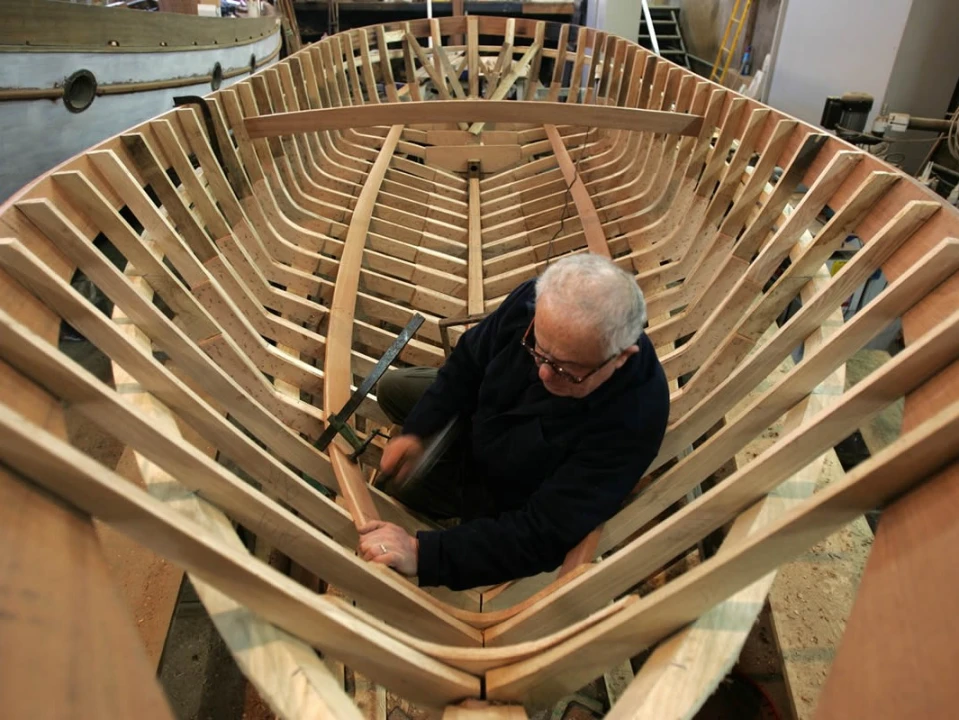

In the coastal towns of Campania, the figure of the Maestro d’Ascia - the master shipwright - remains a symbol of skill, heritage, and deep connection to the sea. These artisans are the keepers of an ancient craft: the construction of wooden boats shaped by hand with the precision of traditional tools, especially the axe from which their title derives.
A Maestro d’Ascia is more than a boatbuilder. He is a master of wood, able to select the right tree, read the grain, and know instinctively how each piece will behave in water. The craft involves shaping frames, ribs, and keels without relying on industrial molds. Every cut is guided by experience and an understanding of both the material and the sea it will face.
Along the Sorrentine Peninsula, the Cilento coast, and the islands of the Gulf of Naples, small boatyards continue to echo with the rhythm of this work. Here, wooden fishing boats and leisure craft are still built, and historic vessels - sometimes with remarkable pasts - are restored to their former glory. These yards are often located just steps from the water, their slipways running straight into the sea, creating a seamless connection between land-based craftsmanship and maritime life.
In Cilento, towns like Castellabate and Marina di Pisciotta have long been centers of wooden boatbuilding. The masters here still follow time-honored methods, from shaping the curved ribs to assembling the hull plank by plank. Many of their boats are designed to suit the local waters, with forms adapted for stability in the region’s coastal currents.
Becoming a Maestro d’Ascia in Campania requires years of apprenticeship. Traditionally, young men would spend seasons in the yard learning not only how to cut and join wood, but also how to read weathered blueprints, design hulls, and maintain a vessel throughout its life. The final step is a rigorous examination that grants the license to work independently and design vessels up to a significant tonnage without the oversight of a naval engineer.
The story of one craftsman illustrates the path. After losing his job in metalwork, he returned to the material he loved most - wood - and trained for years under an experienced master in coastal boatyards. His dedication led him to earn his license, and his first independent project was the construction of an eight-meter wooden fishing boat. That vessel, crafted with patience and precision, became a personal testament to the resilience of the craft itself.
Elsewhere in Campania, some shipwrights have embraced both tradition and innovation. In Salerno, for example, a certified master oversees a yard specializing in the restoration of wooden boats, the construction of new ones in classic planking styles, and even the refitting of vessels in mixed materials. This blending of old and new reflects the adaptability required to keep the profession alive in a changing maritime world.
Despite its prestige, the craft faces serious challenges. The spread of fiberglass and mass-produced boats has greatly reduced demand for wooden construction. Where once entire communities depended on local shipwrights for fishing vessels, tourism boats, and cargo craft, many yards now survive mainly through restoration work or by catering to a niche market of enthusiasts.
Yet the atmosphere of a working yard in Campania still captures the essence of the craft. Visitors may find themselves enveloped in the scent of freshly cut timber, the sound of axes and adzes striking wood, and the sight of shavings curling to the ground. The boats themselves seem to grow organically in these spaces - keels laid, ribs rising, planks fastened - until the final launch into the harbor marks the end of one journey and the beginning of another.
The Maestri d’Ascia of Campania are also storytellers. Their work preserves not just techniques, but also the history of local fishing fleets, the traditions of coastal navigation, and the identity of seaside communities. Every vessel they produce is tied to its place of origin, reflecting both the natural resources of the region and the aesthetic sensibilities passed down through generations.
In many cases, the boats they build are designed to endure decades of service. Well-maintained wooden hulls can last for generations, each repair and refit adding another layer to the vessel’s life story. These boats are not disposable products but companions of the sea, shaped by human hands and sustained by care.
While the number of practicing masters in Campania has diminished, those who remain are committed to passing on their knowledge. Some take on apprentices, others work with maritime museums or participate in cultural festivals that celebrate the region’s seafaring traditions. Their dedication ensures that the craft, though rare, is not forgotten.
The survival of the Maestro d’Ascia’s art in Campania depends on both passion and adaptation. Wooden boatbuilding may no longer be the primary economic engine of coastal towns, but as long as there are people who value tradition, beauty, and the intimate bond between artisan and vessel, this heritage will endure. In the hands of these masters, each boat remains a living expression of the sea’s history - an enduring link between past and present, between the shores of Campania and the waters they have navigated for centuries.