

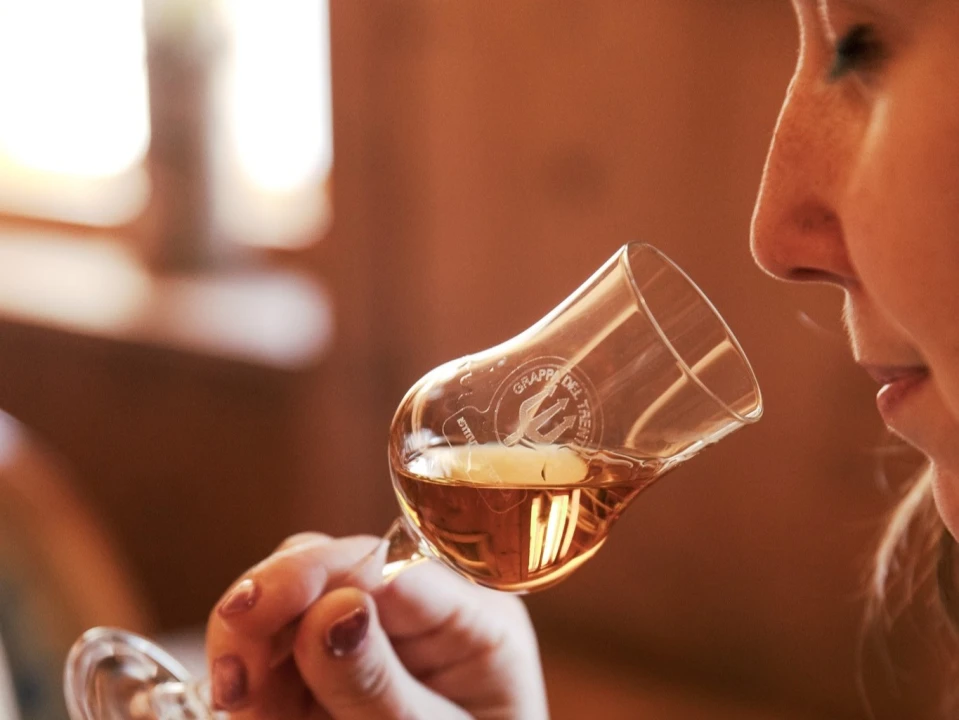

Grappa Trentina is a treasured spirit that captures the essence of the vineyards and the culture of the Trentino region in northern Italy. It is a type of grappa – a grape marc brandy born from the leftover skins, seeds, and stems of grapes after pressing for wine – but in Trentino it becomes something uniquely expressive and tied deeply to local land and history.
At its core, grappa is created by steaming or heating fermented grape pomace in a still and then cooling the vapors to collect the alcohol and aromatic compounds. Although spirits made from such leftovers have existed for centuries in various places, the way Trentino has refined grappa production makes the region’s version stand out both for quality and character.
In Trentino, the tradition of making grappa goes back generations, evolving from a simple use of winemaking by‑products to a respected artisanal craft. Local distillers developed methods over time that allowed them to extract nuanced flavors while preserving the purity of the raw material. Around the early 20th century, advances in distillation technique significantly improved the process, enabling producers to control heat more precisely and handle smaller batches with greater care. This careful, labor‑intensive approach helps yield cleaner, more expressive spirits that reflect the particular grapes from which they originate.
A defining feature of Grappa Trentina is its connection to the land. Only grape pomace sourced from vineyards within the province is used, and many producers choose fruit from high‑altitude slopes and cool valley sites where aromatic varieties thrive. These vinacce are picked up quickly after pressing and taken straight to distilleries, where master distillers work to retain their delicate scents and flavors.
The identity of Grappa Trentina is protected by strict quality standards. Producers who meet those standards earn a specific territorial certification, a recognizable mark that assures consumers this grappa was fully crafted within the Trentino area and meets rigorous quality checks. That commitment to provenance and excellence gives these grappas an authenticity that is rare even among other Italian grappas.
Most Grappa Trentina starts as a clear, colorless spirit. If left to rest in inert containers like stainless steel or glass, it preserves the pure aromatic character of the grapes. However, if aged in wooden barrels, the distillate slowly takes on richer colors ranging from pale gold to deep amber. The wood also imparts new layers of complexity – notes of vanilla, spice, and dried fruit become more pronounced over time. These aged versions are often referred to as “riserva” or “barricata,” and are prized by enthusiasts for their depth and smoothness.
Taste profiles in Trentino grappas can vary widely. Some are bright and floral, with fresh hints of grape varietals like Chardonnay or Müller‑Thurgau. Others reveal more robust, textured notes shaped by barrel aging. A well‑made grappa offers balance – it carries strength without harshness and delivers a lively but refined finish.
Grappa in Trentino isn’t just a drink – it’s a link to local culture and memory. Historically, such spirits were consumed after heavy meals to help with digestion, and they remain a classic digestivo in Italian dining. Beyond this, grappa has woven itself into the fabric of daily life and celebrations, held in small glasses passed among friends and family at festive tables. In times past, it was even carried by soldiers in the mountains, valued both for warmth and for the sense of home it represented.
Travellers exploring Trentino often seek out grappa as part of the region’s rich culinary landscape. Distillery visits and tastings offer a chance to see the craftsmanship firsthand and understand how subtle differences in grapes, terrain, and technique can shape the spirit. Many local producers will talk enthusiastically about their vineyards, their stills, and the stories behind each expression they make. These experiences help visitors appreciate grappa not just as an alcoholic drink, but as a distilled symbol of the valleys and vineyards that nurture it.
When paired with food, Grappa Trentina can elevate a meal. Lighter, fruitier styles cut through rich cheeses and charcuterie, while more mature, wood‑aged versions complement desserts or fine chocolate. Some local traditions even include pouring a splash into espresso, adding warmth and complexity to the cup.
In every case, what defines Grappa Trentina is its sense of place – a reflection of mountain soils, cool winds, and the patient hand of generations of distillers who have shaped this drink into a refined expression of Trentino’s soul.