
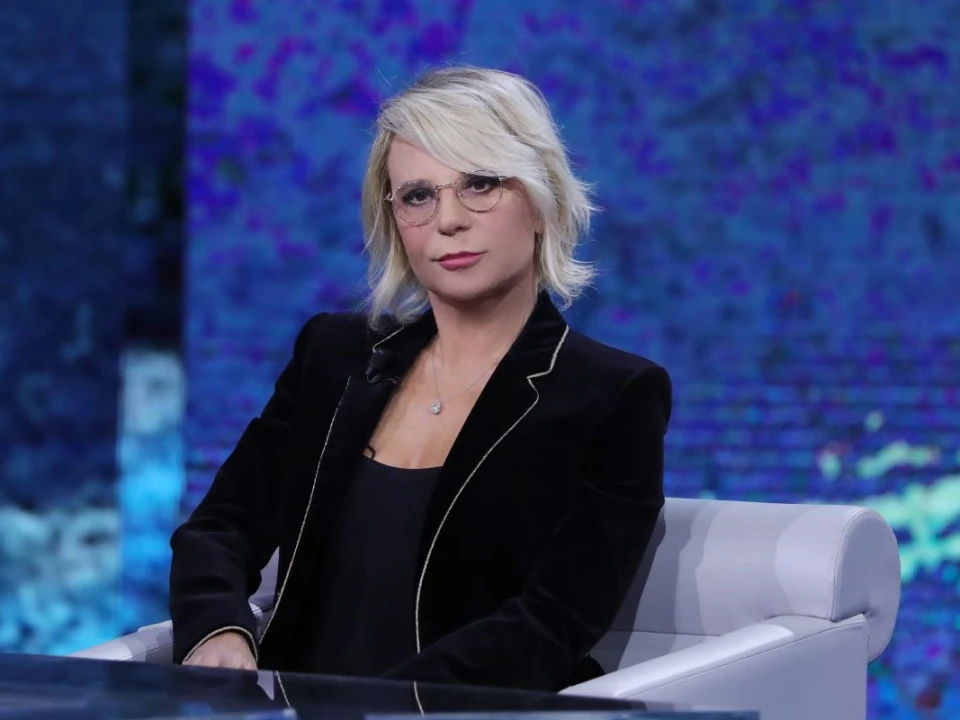

Italian television has many stars, but only one undisputed queen. For decades, Maria De Filippi has managed to capture the attention of millions of viewers with shows that consistently dominate ratings. She does not rely on dazzling beauty or flashy on-screen presence - she rarely appears in front of the camera compared to the celebrities she helps launch. Instead, her power lies in her instinct for understanding what audiences want and in her ability to turn simple ideas into cultural phenomena. Three of her most successful programs - Amici, Uomini e Donne, and C’è Posta per Te - explain why she remains at the center of Italian entertainment.
Before having this huge success, Maria started becoming famous when she married Maurizio Costanzo, one of Italy’s most influential journalists and television hosts. But then she started shining on her own because of her talent.
Amici: Turning Young Talent Into Stars
When Amici first aired, it broke away from the usual format of talent competitions. Rather than focusing on one-off performances, the show built a school-like environment where young singers, dancers, and performers trained day after day under the guidance of professionals. This approach allowed the audience to watch talent grow and evolve in real time.
The appeal of Amici lies in the emotional investment it creates. Viewers are not just watching contestants sing or dance; they witness the struggles, setbacks, and triumphs of young people chasing their dreams. Every episode feels like part of a larger story, and fans become attached not only to the performances but also to the personalities behind them.
The program also offers a springboard to genuine careers. Many of today’s most popular Italian singers and entertainers got their start on that stage, proving that the show doesn’t just produce television - it produces stars. In a media landscape often filled with fleeting fame, Amici has distinguished itself by turning raw potential into long-term success stories.
Uomini e Donne: Romance, Drama, and Real Emotions
Another jewel in De Filippi’s crown is Uomini e Donne, a dating program that has redefined how love stories are told on television. At first glance, it might seem like a typical matchmaking show. But what makes it unique is the way it blends authenticity with entertainment.
Unlike many dating formats that feel overly staged, Uomini e Donne thrives on unpredictability. The participants are real people with strong personalities, and their interactions often lead to explosive arguments, heartfelt confessions, or unexpected romances. The conversations feel raw and unscripted, giving viewers the impression that they are witnessing genuine moments of vulnerability and passion.
Over the years, the show has also expanded its reach by including different types of participants. From young adults searching for their first big love to older individuals looking for companionship later in life, the program reflects the diversity of relationships in contemporary society. This inclusiveness has kept the format fresh and allowed multiple generations to see themselves on screen.
Ultimately, Uomini e Donne succeeds because it taps into a universal desire: the search for love. By combining humor, tension, and authenticity, it keeps audiences glued to their screens season after season.
C’è Posta per Te: Stories That Touch the Heart
While Amici highlights ambition and Uomini e Donne thrives on passion, C’è Posta per Te is built on empathy. This program gives people the chance to reconnect with lost family members, reconcile after conflicts, or deliver long-overdue messages to loved ones. At its core, it is about communication, forgiveness, and second chances.
The format is simple but powerful: an envelope is delivered, someone opens it, and a deeply personal story unfolds. What makes the show unforgettable is the emotional intensity. Tears, hugs, and sometimes rejections play out in front of millions of viewers, reminding everyone of the complexities of human relationships.
Audiences are drawn to C’è Posta per Te not only because of the dramatic revelations but also because of the catharsis it provides. Watching others face their past, ask for forgiveness, or declare love encourages viewers to reflect on their own lives. The show creates a sense of shared humanity, proving that everyone, regardless of status or background, experiences joy, pain, and longing.
The Secret of De Filippi’s Success
The triumph of these three programs reveals the qualities that make Maria De Filippi such a dominant force. First, she understands storytelling. Whether it’s the journey of a performer, the unpredictability of romance, or the drama of family reunions, each show revolves around narratives that viewers can connect to on a personal level.
Second, she trusts authenticity. Even when the settings are constructed for television, the emotions are real. Audiences sense that the tears, laughter, and conflicts are not scripted but emerge naturally from the participants’ lives.
Finally, she constantly adapts. Over the years, De Filippi has fine-tuned her formats to reflect cultural changes and evolving audience tastes. This flexibility allows her shows to remain relevant while others fade into memory.
A Lasting Legacy
Maria De Filippi’s genius is not about chasing trends but about shaping them. Amici, Uomini e Donne, and C’è Posta per Te demonstrate her ability to touch on universal themes - dreams, love, and forgiveness - while packaging them in formats that feel fresh and compelling.
In a world where television faces competition from countless digital platforms, she continues to prove that strong storytelling and genuine emotion can still bring millions together in front of the screen. Her shows are not just programs; they are cultural touchstones, and their continued success confirms that De Filippi’s reign as the queen of Italian television is far from over.