

In the late 1970s and early 80s, Italian television audiences were captivated by Portobello, a variety program that broke away from traditional formats and became a nationwide ritual. Every Friday evening, millions of families would gather around their sets to watch Enzo Tortora – the charismatic presenter with a mix of warmth, elegance, and understated irony – guide viewers through a kaleidoscope of human stories.
Unlike rigid quiz shows or scripted dramas, Portobello offered unpredictability. The program created a virtual marketplace where people could showcase inventions, sell unusual objects, or search for missing relatives. A segment might feature a farmer introducing a homemade contraption, followed by an emotional reunion appeal or a quirky performance from an amateur artist. The effect was both eclectic and profoundly human – a window into the aspirations and eccentricities of ordinary Italians.
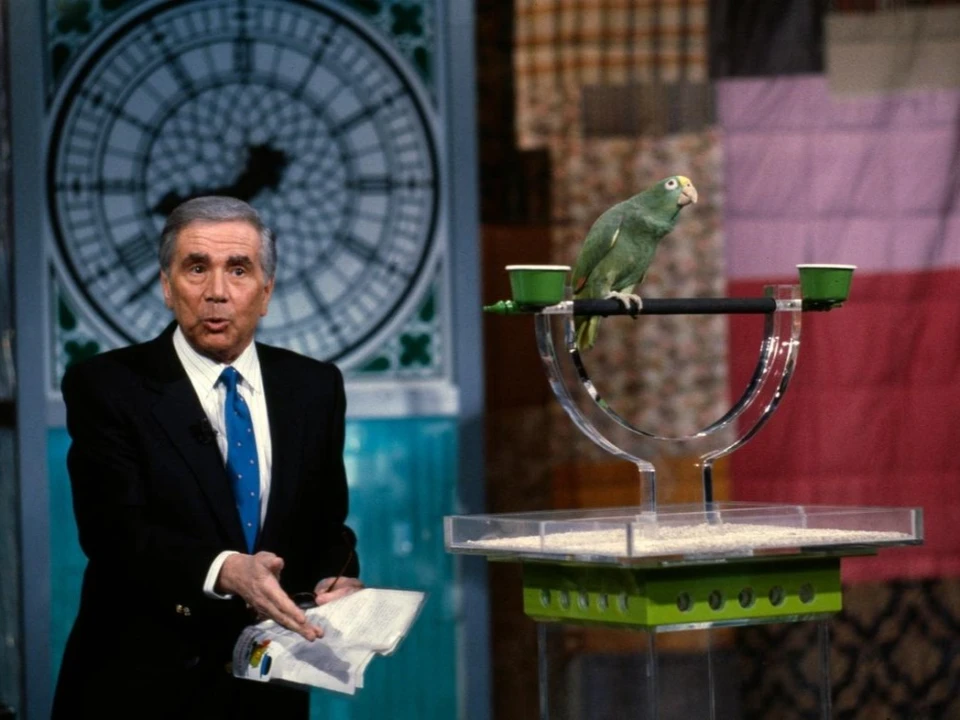
One of the show’s most recognizable elements was the parrot mascot, who sat on stage and would sometimes interrupt with shrill cries. If the bird repeated the caller’s chosen phrase, the deal was sealed – if not, suspense hung in the air. This playful touch, combined with Tortora’s natural ability to improvise, created a relaxed and welcoming atmosphere. It made the audience feel like participants in a national living room rather than spectators of a polished studio product.
Beyond entertainment, Portobello carried social weight. Letters arrived from prisons, hospitals, and distant provinces. For many, it was a rare chance to be seen and heard. Tortora became a trusted figure who connected people across social classes, regions, and generations. His show didn’t shy away from touching real emotions, whether joy, hope, or frustration. That authenticity became its hallmark and helped it draw staggering viewership numbers – sometimes more than 25 million people.
At its peak, Portobello wasn’t just a program – it was a cultural phenomenon. It blended variety, commerce, and storytelling in ways that anticipated today’s hybrid formats. More importantly, it underscored the role of television as a bridge between Italy’s diverse realities – urban and rural, wealthy and working-class. Through humor, compassion, and a touch of spectacle, Tortora and his team created something enduring: a shared national memory that still resonates decades later.
The extraordinary success of Portobello made Enzo Tortora one of the most recognizable figures in Italy. But in 1983, his career and personal life were shattered when he was arrested on charges of association with the Camorra and drug trafficking. The accusations stemmed from testimonies by mafia informants – most notoriously Giovanni Pandico, a prisoner with a grudge against the presenter.
From the start, the evidence was fragile, often absurd. A knitted lace doily sent to the program for auction was interpreted as coded communication. The name “Tortora” was confused with that of actual underworld figures. Yet despite the flimsy foundation, the case was pursued aggressively, turning the beloved TV host into a national scapegoat.
The arrest was highly publicized – cameras rolled as Tortora was handcuffed, an image that deeply shocked the country. After years of legal battles, he was eventually acquitted, but the ordeal left lasting scars. Tortora returned briefly to television, determined to reclaim his dignity, but his health declined, and he passed away in 1988. His story endures as one of Italy’s most notorious miscarriages of justice, raising questions about media spectacle, judicial responsibility, and the fragility of public trust.
Marco Bellocchio’s new miniseries Portobello, set for global release on HBO Max in 2026, brings Tortora’s story back into the spotlight. The six-episode project combines meticulous historical reconstruction with the director’s signature style – austere, probing, and morally urgent.
The show interweaves two contrasting worlds: the vibrant stage of Tortora’s television triumph and the bleak institutions that later consumed him. Fabrizio Gifuni portrays Tortora with restraint and gravitas, capturing both his charisma and his torment. Around him, a strong ensemble gives depth to prosecutors, informants, colleagues, and family members.
Rather than sensationalizing, Bellocchio emphasizes the mechanics of injustice. He shows how a beloved entertainer could be transformed into a criminal figure through flawed testimony and public hysteria. The transition from applause in the studio to jeers in the courtroom unfolds with quiet inevitability – echoing a Greek tragedy staged under television lights.
By revisiting the case, the series not only honors Tortora’s memory but also invites viewers to reflect on the dangers of institutional abuse and the ease with which reputations can be destroyed. It’s both a historical drama and a timely meditation on truth, power, and the complicity of media in shaping collective judgment.