

In a cinematic landscape often dominated by massive Hollywood franchises, a quiet revolution recently took over the Italian box office. While the rest of the world was engulfed in the "Barbenheimer" craze, Italian audiences were flocking to theaters for something entirely different: a homegrown, black-and-white movie. Titled C'è ancora domani (There’s Still Tomorrow), the film not only outperformed American blockbusters but shattered historical box-office records to become a monumental cultural phenomenon. At the helm of this masterpiece is Paola Cortellesi. But how did a first-time director captivate an entire nation?
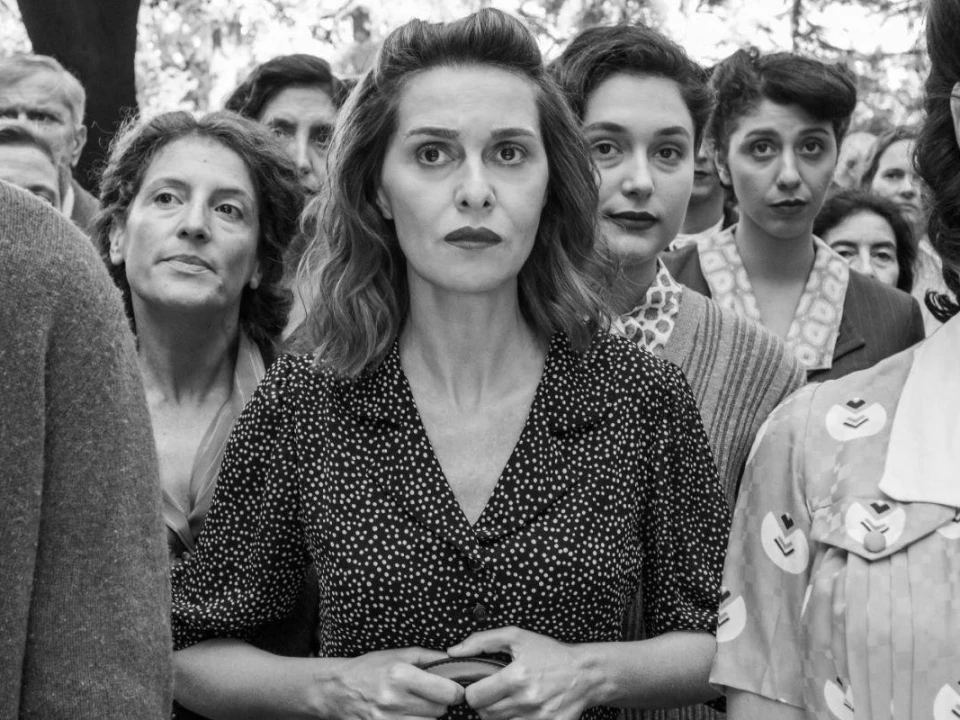
To fully grasp this triumph, American readers need to step back into the golden age of Italian cinema. After World War II, Italian filmmakers pioneered "Neorealism"—think of the gritty, unvarnished streets in Vittorio De Sica’s Bicycle Thieves or Roberto Rossellini's Rome, Open City. These movies captured the raw struggle of everyday people living in the rubble of a war-torn country. Cortellesi masterfully revives this striking black-and-white aesthetic, but she filters it through a historic subgenre known as "Neorealismo rosa" (Pink Neorealism). This uniquely Italian style takes the harshness of real life and softens it with warmth, sharp irony, and uplifting popular comedy.
The story is set in Rome in 1946, a highly pivotal year. Italy is battered, navigating the presence of American GI soldiers, and on the brink of a historic referendum. Most importantly, it is the year Italian women are granted the right to vote for the very first time. We follow Delia, played by Cortellesi herself, a tireless working-class mother trapped in a fiercely patriarchal society and an abusive marriage.
Yet, rather than delivering a suffocating historical tragedy, Cortellesi brilliantly subverts the narrative. She translates moments of domestic trauma into surreal, choreographed musical sequences, using anachronistic contemporary pop and rock music to express the suppressed anger and yearning of her protagonist.
This deeply original blend of poetry and dark humor is exactly what makes C'è ancora domani so revolutionary. It is a powerful tale of female empowerment that bridges the gap between generations. By looking at the systemic sexism of the 1940s, Cortellesi holds a mirror up to modern society. She highlights the silent, daily heroism of the grandmothers and great-grandmothers who paved the way for the civil rights modern women enjoy today. She tackles heavy, painful themes without ever losing her sense of hope, resilience, or vibrant, biting wit.
The timing of this cinematic phenomenon couldn't be more poignant. This past June marked exactly 80 years since that historic 1946 election when Italian women finally cast their very first ballots. In light of this monumental 80th anniversary, Cortellesi's work transcends being just a box-office hit; it becomes a vital act of remembrance. For American audiences, who might not be familiar with the timeline of Italian women's suffrage, the film serves as a powerful reminder of how recent these hard-won freedoms actually are. It elevates Delia’s personal journey into a collective celebration of the millions of women whose quiet defiance eight decades ago forever altered the course of a nation.
Paola Cortellesi’s record-breaking success sends a clear message far beyond Italy's borders. It proves that contemporary Italian cinema is vibrantly alive and more than capable of holding its own against global studio giants. By courageously rediscovering its historic cinematic roots, Italy has found a fresh, poetic way to tell universal stories. Cortellesi didn’t just direct a movie; she sparked a national conversation, proving that true empowerment can be both profoundly moving and wonderfully entertaining.