In 2026, We the Italians celebrates “Two Anniversaries, One Heart” – the 250th anniversary of the United States and the 80th anniversary of the Italian Republic. This article is part of the “Happy Birthday USA: Unsung Italian Heroes” project, in which we share how, in every corner of the United States, an Italian has made a positive impact on their local community.
---
The Italian artist who shaped Texas
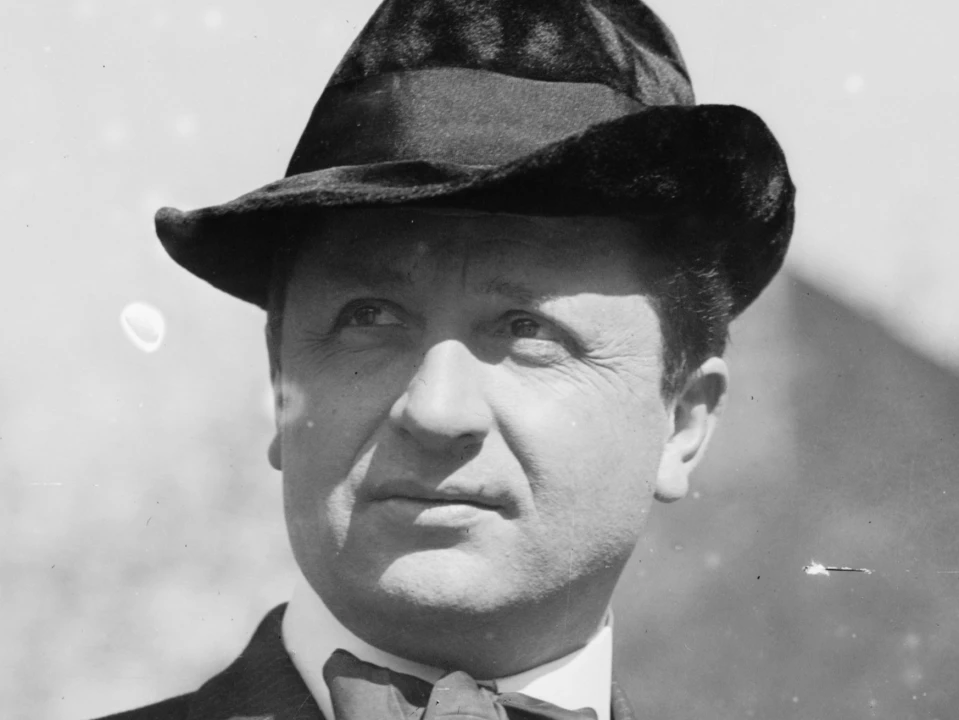
Enrico “Henry” Coppini was an Italian American sculptor who left a deep mark on the cultural landscape of Texas and, indirectly, also on the Dallas area. Born in Tuscany in 1870, he arrived in Texas at the beginning of the twentieth century and chose the state as his new home, bringing with him the Italian artistic tradition and applying it to public monuments that still tell the story of Texas today.
Coppini created numerous monumental works celebrating key episodes in Texas identity. Among the most important are the Littlefield Fountain at the University of Texas at Austin and the large cenotaph dedicated to the fallen of the Alamo in San Antonio. At a time when Texas was seeking to define its modern image, his sculptures offered strong, recognizable symbols capable of uniting historical memory with a European artistic language.
Through bronze and stone, Coppini transformed squares and university campuses into places of civic education, inviting citizens to reflect on the sacrifices and values underlying the birth of the State.
Coppini’s contribution is also significant for the Dallas area. His works and his reputation paved the way for an appreciation of monumental art throughout Texas, influencing patrons, architects, and artists working in major cities, including Dallas.
At Fair Park in Dallas, for example, there is a statue of Prospero Bernardi, an Italian who fought in the Battle of San Jacinto, serving as evidence of how the visual narrative built by Italian-Texan artists also found a place in the northern Texas metropolis.
Coppini’s activity fits into the broader context of Italian immigration to Texas, made up of farmers, artisans, entrepreneurs, and professionals who contributed to the state’s economic and cultural growth. In a territory often perceived as “new” and lacking monumental memory, his sculptures gave physical form to historical narratives, offering Texans - old and new alike - a tangible point of reference through which to recognize themselves as a community.
For those who live and work in the Dallas area today, Coppini’s figure is an example of how Italian talent can integrate into the local fabric and, through one’s craft, leave a lasting legacy. His story shows that the meeting of Italian roots and Texan land can generate works capable of speaking to different generations, building bridges between cultures and contributing to the quality of urban life.
Nel 2026 We the Italians celebra Two Anniversaries One Heart, i 250 anni degli Stati Uniti e gli 80 anni della Reubblica Italiana. Questo articolo fa parte del progetto Happy Birthday USA: The Unsung Italian Heroes, in cui raccontiamo perchè in ogni angolo degli Stati Uniti qualcuno italiano ha lasciato un impatto positivo per il singolo territorio.
---
L'artista italiano che plasmò il Texas
Pompeo Luigi Coppini fu uno scultore italoamericano che lasciò un segno profondo nel paesaggio culturale del Texas e, indirettamente, anche dell'area di Dallas. Nato in Toscana nel 1870, arrivò in Texas all'inizio del Novecento e scelse questo Stato come nuova casa, portando con sé la tradizione artistica italiana e applicandola a monumenti pubblici che ancora oggi raccontano la storia texana.
Coppini realizzò numerose opere monumentali che celebrano episodi chiave dell'identità del Texas. Tra le più importanti ci sono il Littlefield Fountain all'Università del Texas ad Austin e il grande cenotafio dedicato ai caduti di Alamo, a San Antonio. In un'epoca in cui il Texas stava cercando di definire la propria immagine moderna, le sue sculture offrirono simboli forti e riconoscibili, capaci di unire memoria storica e linguaggio artistico europeo.
Attraverso il bronzo e la pietra, Coppini trasformò piazze e campus universitari in luoghi di educazione civica, invitando i cittadini a riflettere sui sacrifici e sui valori alla base della nascita dello Stato.
Il contributo di Coppini è importante anche per l'area di Dallas. Le sue opere e la sua notorietà aprirono la strada all'apprezzamento dell'arte monumentale in tutto il Texas, influenzando committenti, architetti e artisti che lavoravano nelle principali città, compresa Dallas.
Presso il Fair Park di Dallas, ad esempio, si trova la statua di Prospero Bernardi, un italiano che combatté nella battaglia di San Jacinto, proprio a testimonianza di come la narrazione visiva costruita da artisti italotexani abbia trovato spazio anche nella metropoli del nord Texas.
L'attività di Coppini si inserisce nel più ampio contesto dell'immigrazione italiana in Texas, composta da contadini, artigiani, imprenditori e professionisti che hanno contribuito alla crescita economica e culturale dello Stato. In un territorio spesso percepito come "nuovo" e privo di memoria monumentale, le sue sculture hanno dato forma fisica ai racconti storici, offrendo ai texani – vecchi e nuovi – un punto di riferimento tangibile per riconoscersi come comunità.
Per chi oggi vive e lavora nell'area di Dallas, la figura di Coppini è un esempio di come un talento italiano possa inserirsi nel tessuto locale e, attraverso il proprio mestiere, lasciare un'eredità duratura. La sua storia dimostra che l'incontro tra radici italiane e territorio texano può generare opere capaci di parlare a generazioni diverse, costruendo ponti tra culture e contribuendo alla qualità della vita urbana.