In 2026, We the Italians celebrates “Two Anniversaries, One Heart” – the 250th anniversary of the United States and the 80th anniversary of the Italian Republic. This article is part of the “Happy Birthday USA: Unsung Italian Heroes” project, in which we share how, in every corner of the United States, an Italian has made a positive impact on their local community.
---
From malaria fields to the Ozarks. Pietro Bandini and the Italian dream that became Tontitown in Arkansas
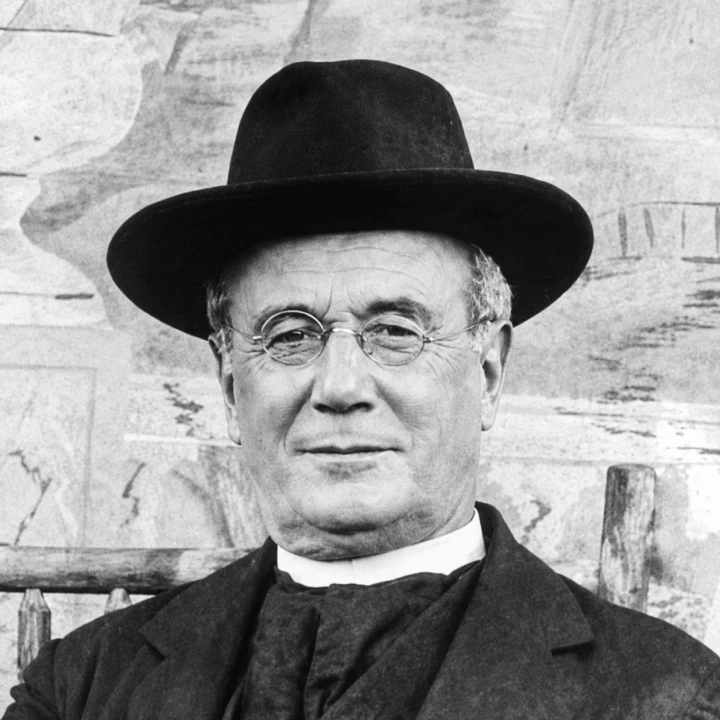
The story of Pietro Bandini is more than the biography of an Italian priest. It is the story of how determination, community and an enduring attachment to Italian identity transformed a group of struggling immigrants into the founders of one of Arkansas’s most distinctive towns.
Born in Forlì, Italy, on March 31, 1852, Father Bandini devoted much of his life in America to helping Italian immigrants. By 1897, that mission had taken him to Sunnyside Plantation in southeastern Arkansas, where Italian families recruited to work the land faced conditions dramatically different from what they had expected. Malaria, contaminated water, poor sanitation, floods and an unfamiliar climate made life extremely difficult. More than 125 people among the original 100 Italian families died of malaria.
Bandini understood that survival required a different future.
He had seen northwestern Arkansas and believed the Ozarks offered an environment more similar to the parts of northern and central Italy from which many settlers had come. In 1898, approximately 40 families followed him north. Near Springdale, they established a new community on rocky land that initially offered little more than abandoned buildings and enormous amounts of work.
Bandini called it Tontitown.
The first winter was difficult. Families survived partly on rabbit, pasta and polenta. Bandini divided the land into 10-acre parcels, distributed by drawing lots. The settlers planted vegetables, strawberries and orchards, but it was the vineyards that would become their signature. Grapes connected agricultural knowledge brought from Italy with the soil of Arkansas, eventually helping create an important regional industry. By 1905, Tontitown was being praised as a successful model of immigrant colonization.
Italian culture became part of the town’s infrastructure rather than merely a memory of the old country. Bandini helped establish St. Joseph’s Church and a school, organized a band and promoted the community nationally. Tontitown was incorporated in 1909, and Bandini became its first mayor. The harvest celebration begun by the settlers in 1898 evolved into the Tontitown Grape Festival – a tradition that continues today.
But Tontitown also allows Arkansas to celebrate another Unsung Italian Hero – one whose connection to the state predates the United States itself by 90 years.
Bandini deliberately named the settlement for Enrico Tonti, better known in America as Henri de Tonti. Born near Gaeta around 1649, Tonti became the trusted lieutenant of French explorer René-Robert Cavelier, Sieur de La Salle. In 1686, Tonti established a trading post beside a Quapaw village on the Arkansas River. Known as Poste de Arkansea, it became Arkansas Post – the first permanent European settlement in what is now Arkansas and a crucial center of trade, government and military activity for generations.
There is something extraordinary about this connection. An Italian helped establish Arkansas Post in 1686. More than 200 years later, another Italian founded an Arkansas community and named it in his honor.
Bandini died in Little Rock on January 2, 1917, and was buried in Tontitown’s St. Joseph Cemetery. But his greatest monument is not made of stone. It is the community itself.
Tontitown still exists, still celebrates its Italian heritage and still tells the story of families who transformed hardship into opportunity. Bandini gave those immigrants more than safer land – he helped give them ownership, dignity and a future while preserving the culture they had carried across the Atlantic.
In celebrating Pietro Bandini, Arkansas therefore celebrates two chapters of its Italian history: Enrico Tonti, present near the beginning of the state’s European story, and Bandini, who more than two centuries later turned Italian perseverance into a living American community.
Nel 2026 We the Italians celebra Two Anniversaries One Heart, i 250 anni degli Stati Uniti e gli 80 anni della Reubblica Italiana. Questo articolo fa parte del progetto Happy Birthday USA: The Unsung Italian Heroes, in cui raccontiamo perchè in ogni angolo degli Stati Uniti qualcuno italiano ha lasciato un impatto positivo per il singolo territorio.
---
Dai campi della malaria agli Ozark. Pietro Bandini e il sogno italiano che divenne Tontitown in Arkansas
La storia di Pietro Bandini è molto più della biografia di un sacerdote italiano. È la storia di come determinazione, spirito comunitario e un profondo attaccamento all’identità italiana trasformarono un gruppo di immigrati in difficoltà nei fondatori di una delle comunità più caratteristiche dell’Arkansas.
Nato a Forlì il 31 marzo 1852, Padre Bandini dedicò gran parte della sua vita in America all’assistenza degli immigrati italiani. Nel 1897 questa missione lo portò alla Sunnyside Plantation, nell’Arkansas sudorientale, dove famiglie italiane reclutate per lavorare la terra si trovarono ad affrontare condizioni molto diverse da quelle che si aspettavano. Malaria, acqua contaminata, condizioni igieniche precarie, inondazioni e un clima sconosciuto rendevano la vita estremamente difficile. Più di 125 persone appartenenti alle 100 famiglie italiane originarie morirono di malaria.
Bandini comprese che per sopravvivere era necessario costruire un futuro diverso.
Aveva visitato l’Arkansas nordoccidentale e riteneva che gli Ozark offrissero un ambiente più simile alle regioni dell’Italia settentrionale e centrale dalle quali provenivano molti dei coloni. Nel 1898 circa 40 famiglie lo seguirono verso nord. Nei pressi di Springdale fondarono una nuova comunità su un terreno roccioso che inizialmente offriva poco più che edifici abbandonati e un’enorme quantità di lavoro da fare.
Bandini la chiamò Tontitown.
Il primo inverno fu difficile. Le famiglie sopravvissero anche grazie a conigli, pasta e polenta. Bandini divise la terra in appezzamenti di 10 acri, assegnati tramite sorteggio. I coloni piantarono ortaggi, fragole e frutteti, ma furono i vigneti a diventare il loro tratto distintivo. L’uva univa le conoscenze agricole portate dall’Italia alla terra dell’Arkansas e contribuì in seguito allo sviluppo di un’importante attività regionale. Già nel 1905 Tontitown veniva indicata come un modello riuscito di insediamento degli immigrati.
La cultura italiana divenne parte integrante della comunità, non semplicemente un ricordo del Paese d’origine. Bandini contribuì alla creazione della St. Joseph’s Church e di una scuola, organizzò una banda musicale e promosse Tontitown a livello nazionale. La città fu ufficialmente incorporata nel 1909 e Bandini ne divenne il primo sindaco. La festa del raccolto iniziata dai coloni nel 1898 si trasformò nel Tontitown Grape Festival – una tradizione che continua ancora oggi.
Ma Tontitown permette all’Arkansas di celebrare anche un altro Unsung Italian Hero – un italiano il cui legame con questo territorio precede addirittura di 90 anni la nascita degli Stati Uniti.
Bandini scelse infatti deliberatamente di chiamare la comunità in onore di Enrico Tonti, conosciuto in America soprattutto come Henri de Tonti. Nato nei pressi di Gaeta intorno al 1649, Tonti divenne il fidato luogotenente dell’esploratore francese René-Robert Cavelier, Sieur de La Salle. Nel 1686 fondò un avamposto commerciale accanto a un villaggio Quapaw sul fiume Arkansas. Conosciuto come Poste de Arkansea, sarebbe diventato Arkansas Post – il primo insediamento europeo permanente nell’attuale Arkansas e, per generazioni, un importante centro commerciale, amministrativo e militare.
C’è qualcosa di straordinario in questo legame. Un italiano contribuì a fondare Arkansas Post nel 1686. Più di 200 anni dopo, un altro italiano fondò una comunità dell’Arkansas e decise di intitolarla proprio a lui.
Bandini morì a Little Rock il 2 gennaio 1917 e fu sepolto nel St. Joseph Cemetery di Tontitown. Ma il suo monumento più importante non è fatto di pietra. È la comunità stessa.
Tontitown esiste ancora, continua a celebrare la propria eredità italiana e continua a raccontare la storia di famiglie che trasformarono le difficoltà in opportunità. Bandini offrì a quegli immigrati molto più di una terra più sicura – contribuì a restituire loro proprietà, dignità e futuro, permettendo allo stesso tempo di conservare la cultura che avevano portato con sé attraverso l’Atlantico.
Celebrando Pietro Bandini, l’Arkansas celebra quindi due capitoli della propria storia italiana: Enrico Tonti, presente quasi all’inizio della storia europea dello Stato, e Bandini, che più di due secoli dopo trasformò la tenacia italiana in una comunità americana ancora viva.