In 2026, We the Italians celebrates “Two Anniversaries, One Heart” – the 250th anniversary of the United States and the 80th anniversary of the Italian Republic. This article is part of the “Happy Birthday USA: Unsung Italian Heroes” project, in which we share how, in every corner of the United States, an Italian has made a positive impact on their local community.
---
Sicily and Nebraska, the human bridge built by Grazia and Rosario Caniglia
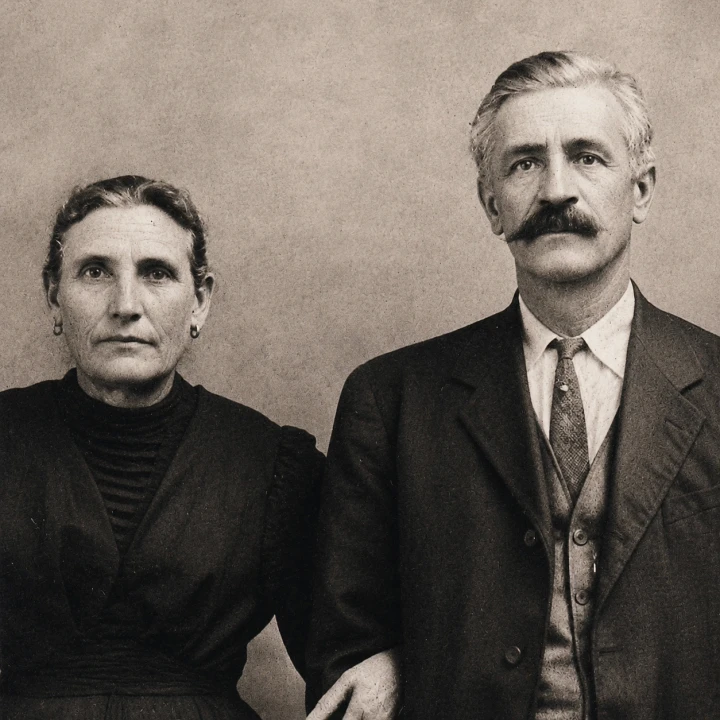
Some Italian American stories are written not by famous politicians, scientists, or artists, but by immigrant families whose traditions quietly become part of the identity of an American city. In Nebraska, that story belongs to Grazia Bonafede Caniglia and her husband, Rosario Caniglia.
The couple came from Carlentini, a town in the province of Syracuse, Sicily, and established their family in Omaha, where a substantial community of immigrants from Carlentini was taking shape in the early 20th century. Rosario became part of Omaha’s emerging Italian business community, operating one of the city’s early Italian bakeries with the help of his children. That modest family enterprise would eventually become connected to one of the most remarkable Italian American restaurant dynasties in Nebraska.
Grazia’s most enduring contribution, however, was cultural and religious.
A deeply devout Catholic and mother of six, she wanted the Sicilians of Omaha to preserve a connection with the traditions they had left behind. In Carlentini, devotion to Santa Lucia had been central to community life for centuries. In 1925, Grazia helped organize Omaha’s first Santa Lucia Festival, recreating a celebration that immigrants knew from Sicily.
The initiative became much larger than a religious event. It provided Italian immigrants with a place to meet, preserve their identity and pass their heritage to children who were growing up as Americans. A statue of Santa Lucia was commissioned in Italy, while members of the community raised money to support the celebration.
Rosario and Grazia also created a family legacy that profoundly influenced Omaha’s culinary history. Their descendants developed the original family bakery into Caniglia’s Pizzaria and Steak House and later created restaurants including Piccolo Pete’s, Mister C’s, Venice Inn and other establishments that became familiar names across Omaha.
This is also where an important distinction must be made. Al Caniglia was not Grazia’s husband. He belonged to a later generation of the Caniglia family and became part of its celebrated restaurant history. Grazia’s husband was Rosario.
More than a century after the festival began, the Santa Lucia tradition remains alive in Omaha’s Little Italy. The celebration continues with religious observances, Italian food, music, dancing, bocce and a procession through the neighborhood.
The legacy of Grazia and Rosario Caniglia therefore reaches far beyond one family. From Carlentini to Omaha, they helped transform the memories of Sicilian immigrants into an enduring piece of Nebraska’s Italian American identity.
Nel 2026 We the Italians celebra Two Anniversaries One Heart, i 250 anni degli Stati Uniti e gli 80 anni della Reubblica Italiana. Questo articolo fa parte del progetto Happy Birthday USA: The Unsung Italian Heroes, in cui raccontiamo perchè in ogni angolo degli Stati Uniti qualcuno italiano ha lasciato un impatto positivo per il singolo territorio.
---
Sicilia e Nebraska, il ponte umano costruito da Grazia e Rosario Caniglia
Alcune storie italoamericane non sono state scritte da celebri politici, scienziati o artisti, ma da famiglie di immigrati le cui tradizioni sono diventate silenziosamente parte dell’identità di una città americana. In Nebraska, una di queste storie appartiene a Grazia Bonafede Caniglia e a suo marito Rosario Caniglia.
La coppia proveniva da Carlentini, in provincia di Siracusa, in Sicilia, e costruì la propria vita a Omaha, dove all’inizio del Novecento si stava formando una numerosa comunità di immigrati carlentinesi. Rosario entrò a far parte della nascente realtà imprenditoriale italiana della città, gestendo con l’aiuto dei figli una delle prime panetterie italiane di Omaha. Quella piccola attività familiare sarebbe diventata il punto di partenza di una delle più importanti dinastie della ristorazione italoamericana del Nebraska.
Il contributo più duraturo di Grazia fu invece culturale e religioso.
Donna profondamente cattolica e madre di sei figli, voleva che i siciliani di Omaha mantenessero un legame con le tradizioni lasciate in Italia. A Carlentini la devozione per Santa Lucia era da secoli parte fondamentale della vita della comunità. Nel 1925 Grazia contribuì quindi a organizzare il primo Santa Lucia Festival di Omaha, ricreando la festa che gli immigrati conoscevano dalla Sicilia.
L’iniziativa divenne molto più di una celebrazione religiosa. Offrì agli immigrati italiani un luogo nel quale incontrarsi, conservare la propria identità e trasmetterla ai figli che stavano crescendo come americani. Una statua di Santa Lucia venne commissionata in Italia, mentre la comunità raccolse i fondi necessari alla festa.
Rosario e Grazia lasciarono anche un’importante eredità familiare nella storia gastronomica di Omaha. I loro discendenti trasformarono la panetteria originaria nella Caniglia’s Pizzaria and Steak House e successivamente crearono locali come Piccolo Pete’s, Mister C’s e Venice Inn, insieme ad altri ristoranti diventati molto conosciuti in città.
È qui che va fatta una distinzione importante. Al Caniglia non era il marito di Grazia. Apparteneva a una generazione successiva della famiglia e fu protagonista della sua celebre storia nella ristorazione. Il marito di Grazia era Rosario.
A più di un secolo dalla nascita della manifestazione, la tradizione di Santa Lucia continua a vivere nella Little Italy di Omaha, con celebrazioni religiose, cucina italiana, musica, balli, bocce e la tradizionale processione.
L’eredità di Grazia e Rosario Caniglia supera quindi la storia di una singola famiglia. Da Carlentini a Omaha, contribuirono a trasformare i ricordi degli immigrati siciliani in una parte permanente dell’identità italoamericana del Nebraska.