In 2026, We the Italians celebrates “Two Anniversaries, One Heart” – the 250th anniversary of the United States and the 80th anniversary of the Italian Republic. This article is part of the “Happy Birthday USA: Unsung Italian Heroes” project, in which we share how, in every corner of the United States, an Italian has made a positive impact on their local community.
---
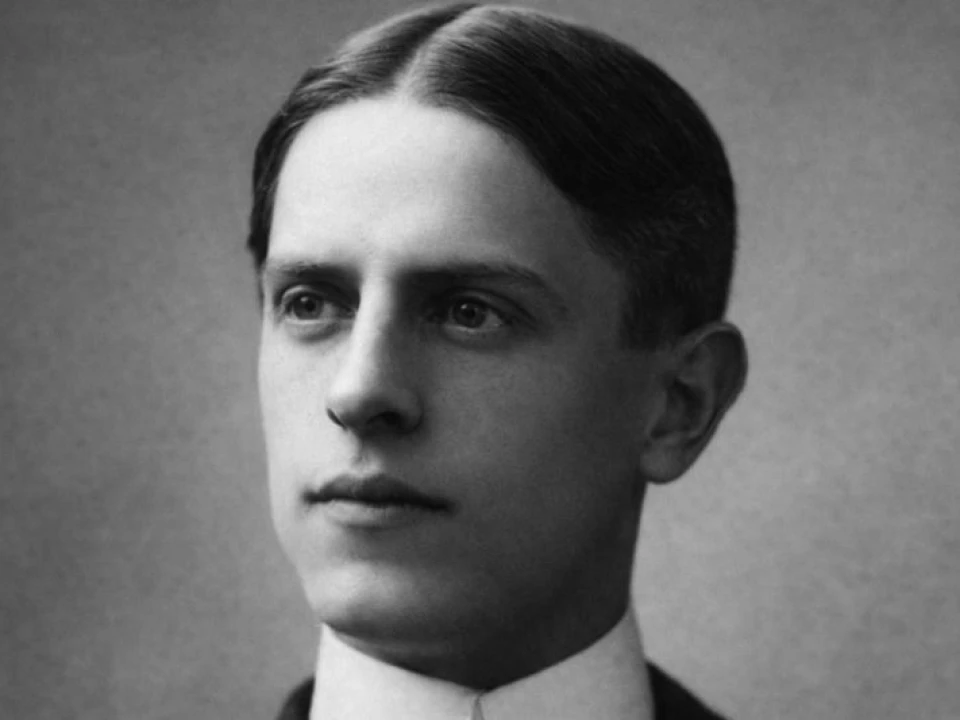
George Scigliano, a North End legacy of integrity and justice in Boston, MA
George Scigliano was born in the North End on August 26, 1874, to Calabrian immigrants who, like so many others, came to America seeking a better life. He attended the Eliot School and went on to study at Boston University School of Law, where he was admitted to the bar in 1899—an extraordinary achievement for the son of new arrivals.
Scigliano’s rise was swift. In 1900, he was elected to the Boston Common Council, serving three one-year terms. In 1903, he became the first Italian American elected to the Massachusetts House of Representatives, where he served until his untimely death. Yet it was not his titles that won him the lasting loyalty of his community—it was his tireless defense of the poor, the exploited, and the newly arrived.
He introduced legislation to regulate immigrant banks, which had been swindling working families out of their savings. Many Italian immigrants distrusted banks for good reason; their skepticism was born from bitter experience. Scigliano also founded the Italian Protective League of Boston, a benevolent society for new immigrants, and helped form the first Italian labor union in the North End. He worked to defeat a bill requiring workers to be naturalized citizens, fought to end the predatory “padrone” labor system, and even secured a cemetery for Italians—St. Michael’s Cemetery—after they were denied burial in others.
These were not small reforms; they were acts of dignity. They recognized the Italian laborer as fully human in a world determined to treat him otherwise.
Scigliano also confronted bigotry head-on. When a Massachusetts senator mocked Italians as inferior, he replied with biting eloquence:
“The Italian, a people descended from the ancient Roman dynasty which conquered all of the then known world and educated it; which entered and conquered England at a time when the ancestors of our able senator were roaming savages…”
In 1905, in recognition of his service to Italian Americans, King Victor Emmanuel III of Italy named him Cavaliere della Corona d’Italia (Knight of the Italian Crown).
Scigliano’s death in 1906 left a void, but his spirit remains alive in every effort to protect the rights of immigrants, workers, and the poor. He was not only a North Ender but a symbol of the immigrant’s moral struggle for fairness in a new land. His work reminds us that citizenship is not a gift granted from above but a dignity earned through service to others.
Nel 2026 We the Italians celebra Two Anniversaries One Heart, i 250 anni degli Stati Uniti e gli 80 anni della Reubblica Italiana. Questo articolo fa parte del progetto Happy Birthday USA: The Unsung Italian Heroes, in cui raccontiamo perchè in ogni angolo degli Stati Uniti qualcuno italiano ha lasciato un impatto positivo per il singolo territorio.
---
George Scigliano, un’eredità del North End di integrità e giustizia a Boston, MA
Onoriamo una delle figure più di successo e ammirate del North End, la Little Italy di Boston: George Scigliano. La sua vita fu breve, ma la sua eredità dura da oltre un secolo. Sebbene sia morto a soli trentuno anni per una malattia renale nel 1906, la sua visione di giustizia ed eguaglianza continua a plasmare la nostra comunità.
George Scigliano nacque nel North End il 26 agosto 1874 da immigrati calabresi che, come tanti altri, giunsero in America in cerca di una vita migliore. Frequentò la Eliot School e proseguì gli studi presso la Boston University School of Law, dove fu ammesso all’albo nel 1899 - un traguardo straordinario per il figlio di nuovi arrivati.
L’ascesa di Scigliano fu rapida. Nel 1900 fu eletto al Boston Common Council, dove svolse tre mandati annuali. Nel 1903 divenne il primo italoamericano eletto alla Camera dei Rappresentanti del Massachusetts, incarico che ricoprì fino alla sua prematura scomparsa. Eppure non furono i titoli a conquistargli la duratura lealtà della sua comunità: fu la sua instancabile difesa dei poveri, degli sfruttati e dei nuovi arrivati.
Presentò una legislazione per regolamentare le banche per immigrati, che avevano truffato le famiglie lavoratrici dei loro risparmi. Molti immigrati italiani diffidavano delle banche a buon motivo; il loro scetticismo nasceva da un’esperienza amara.
Scigliano fondò anche la Italian Protective League of Boston, una società di mutuo soccorso per i nuovi immigrati, e contribuì alla formazione del primo sindacato italiano nel North End. Lavorò per sconfiggere una proposta di legge che avrebbe richiesto ai lavoratori di essere cittadini naturalizzati, combatté per porre fine al predatorio sistema del lavoro “padrone” e riuscì persino a ottenere un cimitero per gli italiani - il Cimitero di San Michele - dopo che era stata loro negata la sepoltura in altri luoghi.
Non si trattò di riforme di poco conto; furono atti di dignità. Riconoscevano il lavoratore italiano come pienamente umano in un mondo determinato a trattarlo diversamente.
Scigliano affrontò anche il pregiudizio a viso aperto. Quando un senatore del Massachusetts derise gli italiani come inferiori, egli rispose con tagliente eloquenza: “L’italiano, un popolo discendente dall’antica dinastia romana che conquistò tutto il mondo allora conosciuto e lo educò; che entrò e conquistò l’Inghilterra in un’epoca in cui gli antenati del nostro capace senatore vagavano come selvaggi…”
Nel 1905, in riconoscimento del suo servizio agli italoamericani, il re Vittorio Emanuele III d’Italia lo nominò Cavaliere della Corona d’Italia.
La morte di Scigliano nel 1906 lasciò un vuoto, ma il suo spirito rimane vivo in ogni sforzo volto a proteggere i diritti degli immigrati, dei lavoratori e dei poveri. Non fu solo un figlio del North End, ma un simbolo della lotta morale dell’immigrato per l’equità in una nuova terra. Il suo operato ci ricorda che la cittadinanza non è un dono concesso dall’alto, ma una dignità conquistata attraverso il servizio agli altri.