In 2026, We the Italians celebrates “Two Anniversaries, One Heart” – the 250th anniversary of the United States and the 80th anniversary of the Italian Republic. This article is part of the “Happy Birthday USA: Unsung Italian Heroes” project, in which we share how, in every corner of the United States, an Italian has made a positive impact on their local community.
---
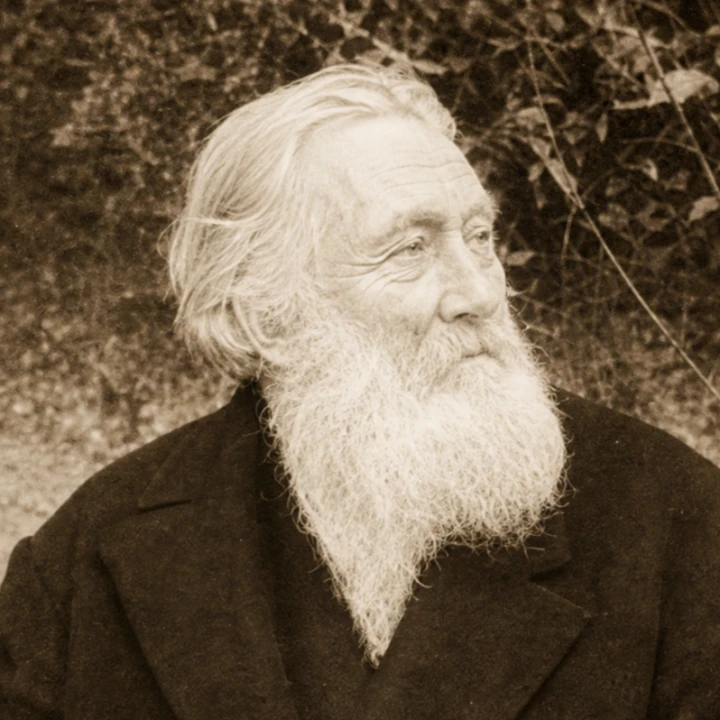
Charles Albert Tron, the Piedmontese man who founded hope in North Carolina
The Reverend Charles Albert Tron belongs to that group of Italian unsung heroes who left their mark on the United States through their courage and ability to innovate in an initially hostile environment.
Born on September 9, 1850, in Massello, in Piedmont’s Waldensian Valleys, Tron embodied the qualities of the men of character who emerged from the newly unified Italian nation – a spirit of sacrifice, discipline, faith, and solidarity, combined with perseverance and a sense of responsibility for the common good.
In 1893, because of overpopulation and economic hardship in the Waldensian Valleys, the reverend persuaded and personally led an initial group of Waldensian believers to the United States. He purchased land in Burke County, North Carolina, and founded the settlement of Valdese there. The settlers encountered difficult conditions, poor soil, and an often-hostile environment. Yet, thanks in large part to the leadership of Reverend Tron, this group of pioneers managed to put down roots and turn an uncertain beginning into a permanent settlement, destined to become one of the state’s most industrious and distinctive communities.
Valdese grew into a town with a strong identity, a solid civic structure, and a work ethic that would foster significant economic growth in the years that followed. The textile industry, community life, religious cohesion, and cultural continuity that came to define Valdese owed much to that early period of organization and leadership, during which Tron played a decisive role.
Reverend Charles Albert Tron brought to North Carolina the ideals of an emerging Italian identity – the sense of community typical of Italy’s small Alpine villages, a serious commitment to work, respect for education, and the ability to preserve a distinct identity while remaining open to the New World. His contribution was therefore crucial both to the immigrants he led and to the state that welcomed them. Through him and his settlers, North Carolina gained a productive, disciplined, culturally vibrant community capable of contributing to local development.
For these reasons, Charles Albert Tron deserves to be remembered as a true Italian unsung hero of North Carolina. His hands built not only a settlement, but also the foundations of a lasting presence. In recognition of his pastoral work, organizational leadership, and social commitment, he was awarded the title of Commander of the Order of the Crown of Italy. His story shows that even little-known individuals can transform the character of a place. Above all, it demonstrates that Italian identity, when expressed through responsibility, vision, and hard work, can become a historic force capable of leaving a tangible and positive legacy for generations.
Nel 2026 We the Italians celebra Two Anniversaries One Heart, i 250 anni degli Stati Uniti e gli 80 anni della Reubblica Italiana. Questo articolo fa parte del progetto Happy Birthday USA: The Unsung Italian Heroes, in cui raccontiamo perchè in ogni angolo degli Stati Uniti qualcuno italiano ha lasciato un impatto positivo per il singolo territorio.
---
Charles Albert Tron, il piemontese che fondò una speranza nel North Carolina
Il Reverendo Charles Albert Tron appartiene a quella schiera di Italian unsung heroes che hanno lasciato un segno negli Stati Uniti per il coraggio e la capacità di innovazione in un ambiente inizialmente ostile.
Nato il 9 settembre 1850 a Massello, nelle Valli valdesi del Piemonte, la personalità di Tron incarna le caratteristiche degli uomini di valore dello Stato italiano unitario: senso del sacrificio, della disciplina, della fede e della solidarietà, uniti a tenacia e responsabilità verso il bene collettivo.
Dunque, nel 1893, a causa della sovrappopolazione e delle difficoltà economiche nelle Valli Valdesi, il reverendo convinse e guidò personalmente un primo gruppo di fedeli valdesi negli Stati Uniti; acquistò terreni nella Contea di Burke, in Carolina del Nord, e qui fondò la sua colonia Valdese. I coloni trovarono condizioni difficili, terre non fertili e una realtà spesso ostile. Eppure, grazie anche alla leadership del Reverendo Tron, quel gruppo di pionieri riuscì a mettere radici e a trasformare un arrivo incerto in un insediamento permanente, destinato a diventare una delle comunità più industriose e originali dello stato.
Valdese divenne una città con una forte identità, una struttura civica solida e una cultura del lavoro che avrebbe favorito, negli anni successivi, una importante crescita economica: l'industria tessile, la vita comunitaria, la coesione religiosa e la continuità culturale che caratterizzarono Valdese devono molto a quella fase iniziale di organizzazione e di guida in cui Tron ebbe un ruolo decisivo.
Il Reverendo Charles Albert Tron portò nel North Carolina l’ideale della nascente italianità: il senso della comunità tipico delle piccole comunità alpine italiane, la serietà del lavoro, il rispetto per l’istruzione e la capacità di mantenere viva un’identità senza chiudersi al nuovo mondo. Cosicché il suo contributo fu determinante sia per gli immigrati che guidò, che per lo stato che li accolse. Il North Carolina ricevette da lui e dai suoi coloni una comunità produttiva, disciplinata, culturalmente viva e capace di contribuire allo sviluppo locale.
Per questo Charles Albert Tron merita di essere ricordato come un vero unsung hero italiano del North Carolina. Le sue mani non costruirono soltanto un insediamento, ma le basi di una presenza destinata a durare nel Tempo. Per la sua attività pastorale, l’intraprendenza dirigenziale e l’attività sociale venne insignito del titolo di Commendatore della Corona d’Italia. La sua storia dimostra che anche figure poco note possono cambiare il volto di un territorio. E dimostra, soprattutto, che l’italianità, quando si traduce in responsabilità, visione e lavoro, può diventare una forza storica capace di lasciare un’eredità concreta e positiva per generazioni.