

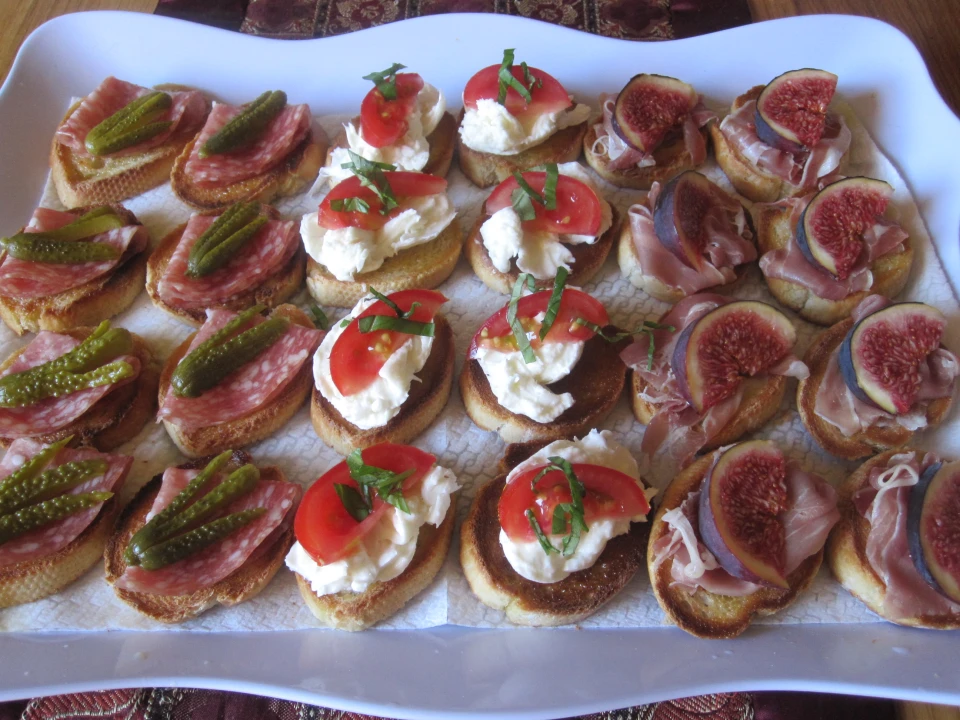
In recent news, “Cicchetto” – that tiny bite typical of Venetian taverns – has officially become part of the Italian dictionary. The new entry recognizes it as a local vernacular term now acknowledged across the nation.
In Veneto, a cicchetto refers to a small snack (for instance meatballs, salt cod, cold cuts, boiled eggs) often served with a glass of wine in a bacaro – a traditional osteria. These little morsels have long lined the countertops of these informal spots, offering patrons casual, flavorful bites alongside wine.
The dictionary definition reads: “In Veneto, stuzzichino (for example polpetta, baccalà, salume, uovo sodo, etc.) served with a glass of wine in traditional bacari.” Likewise, the term “cicchetteria” is now included, defined as a venue – originally typical of Venice – where such snacks are paired with wine or other beverages.
This recognition stirred pride in the region. Local officials hailed it as validation of living culture – not just a culinary curiosity, but a reflection of Venetian identity and a bridge between traditions and modern life. The move underscores how cicchetti have transcended their local roots to become shared heritage across Italy.
In practice, visiting a bacaro and sampling a cicchetto is more than eating – it’s a ritual of conviviality. People stand or sit around counters, tasting small flavors and swapping stories. The experience captures the essence of Venetian life, pairing modest portions with convivial energy.
Cicchetti come in many forms. Some of the staples include sarde in saor – sardines marinated in a sweet-sour blend of onions, vinegar, raisins, and pine nuts – and baccalà mantecato, a creamy salt cod spread on crostini or polenta. Polpette (meat or fish balls) and fritti (fried bites like mozzarella in carrozza) also frequently appear. Elements of local produce, cured meats, and seasonal ingredients further enrich the offerings.
The addition of cicchetto to the dictionary highlights how regional practices can gain national recognition. What was once assumed to be a strictly Venetian tradition is now part of the shared linguistic and cultural fabric. It shows that food traditions can shape language – and that small things often carry big meaning.