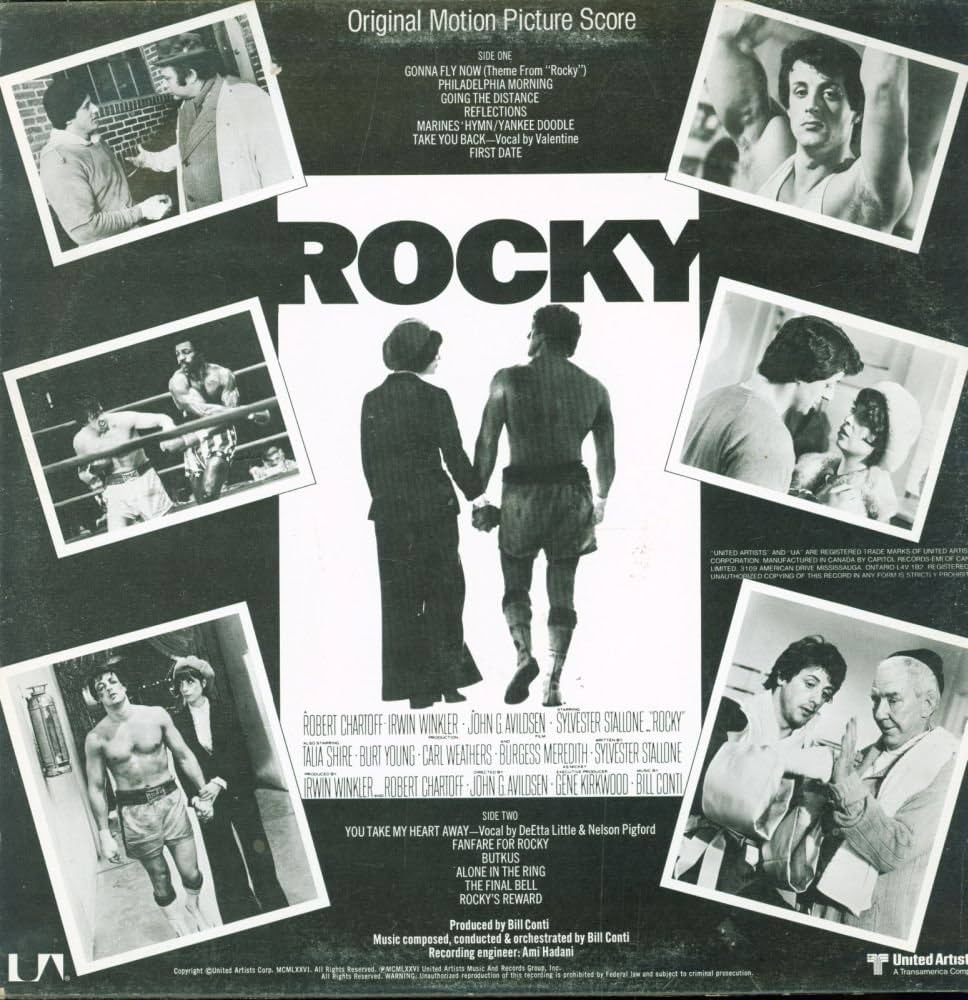
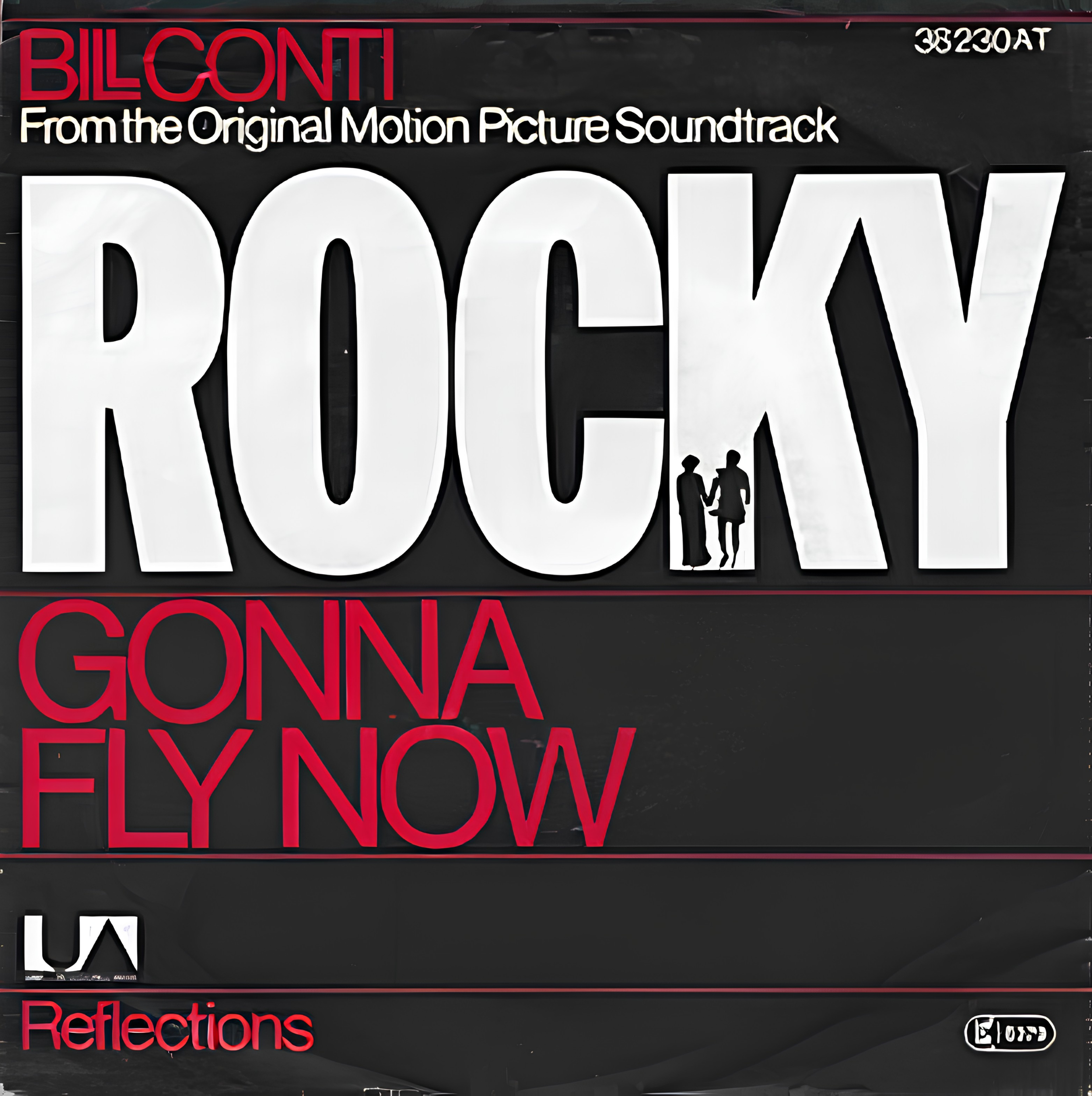
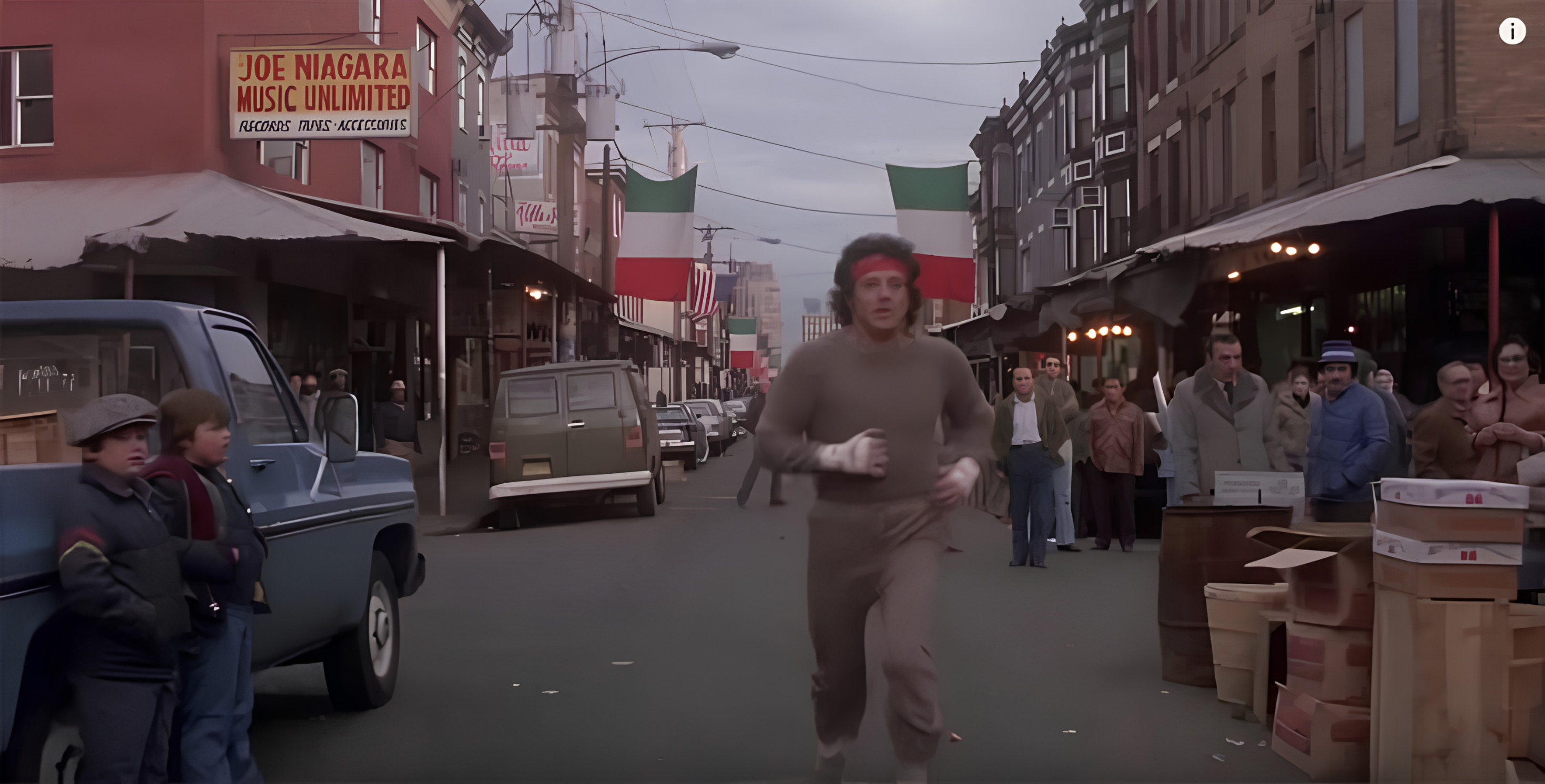
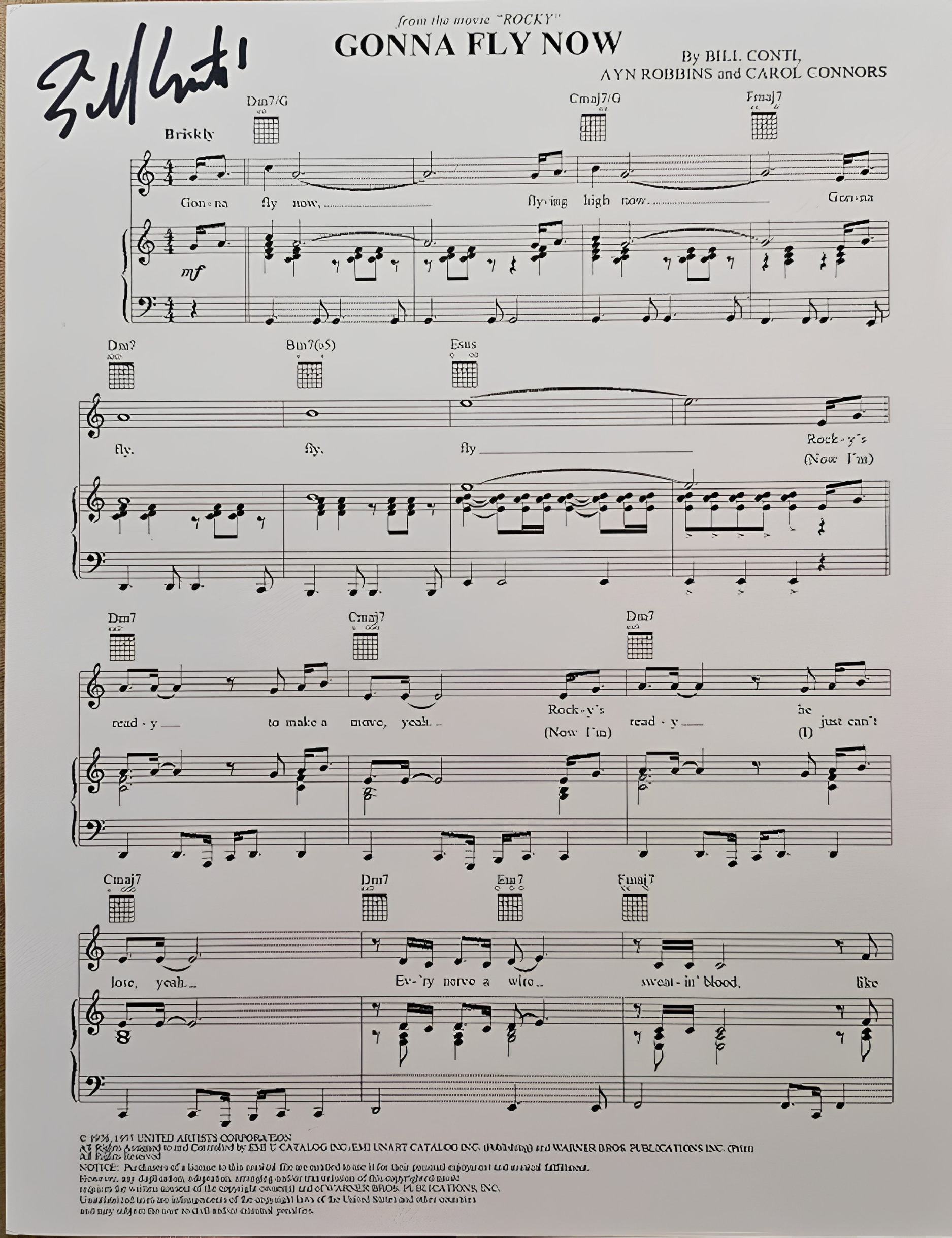
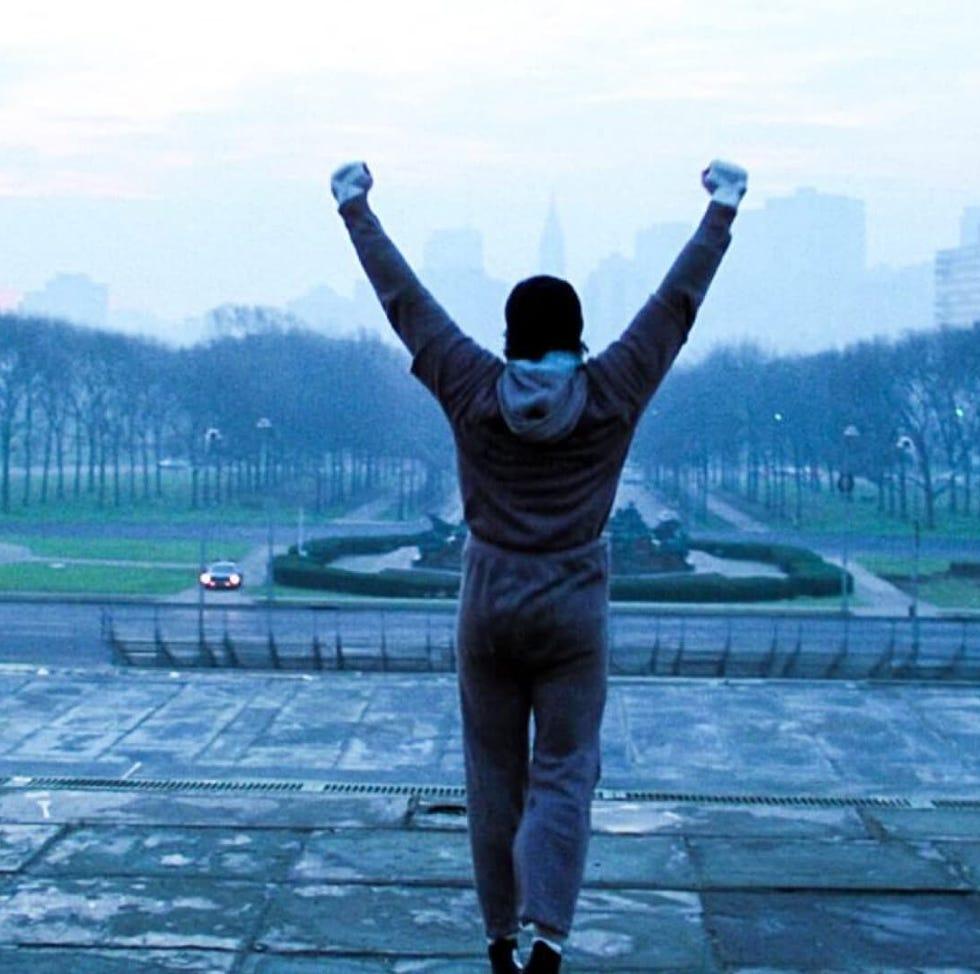
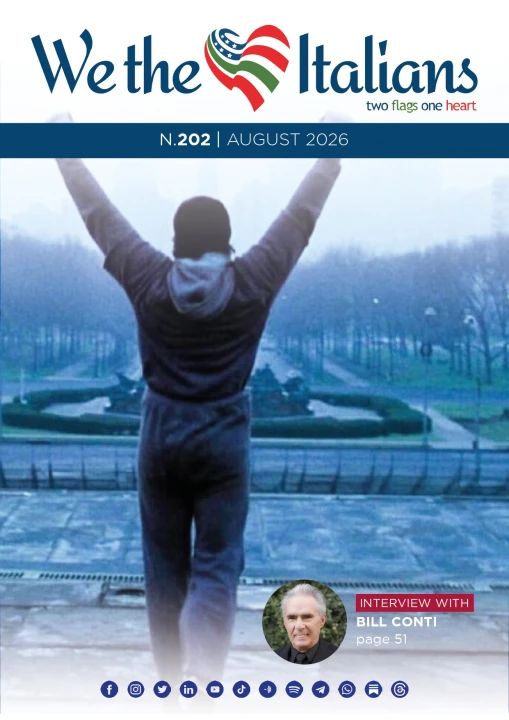
Rocky steps out of his house before dawn, while the city is still wrapped in silence. At that moment, he isn't a champion. He's a loser. He's alone. Then the trumpet of "Gonna Fly Now" begins to play. Rocky starts running without stopping, turning every drop of sweat into a declaration of defiance against fate. He runs through South Philadelphia's Italian Market, pushes beyond his limits, and finally reaches the steps of the Philadelphia Museum of Art. He climbs them one by one, and when he reaches the top, he raises his arms to the sky. That is where one of the greatest legends in movie history is born - not in the boxing ring. It is born, perhaps above all, because of that music.
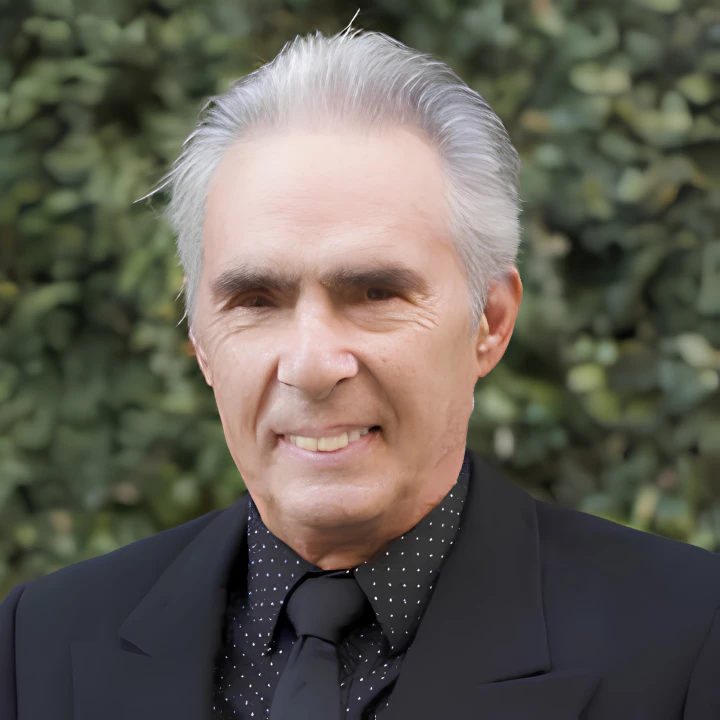
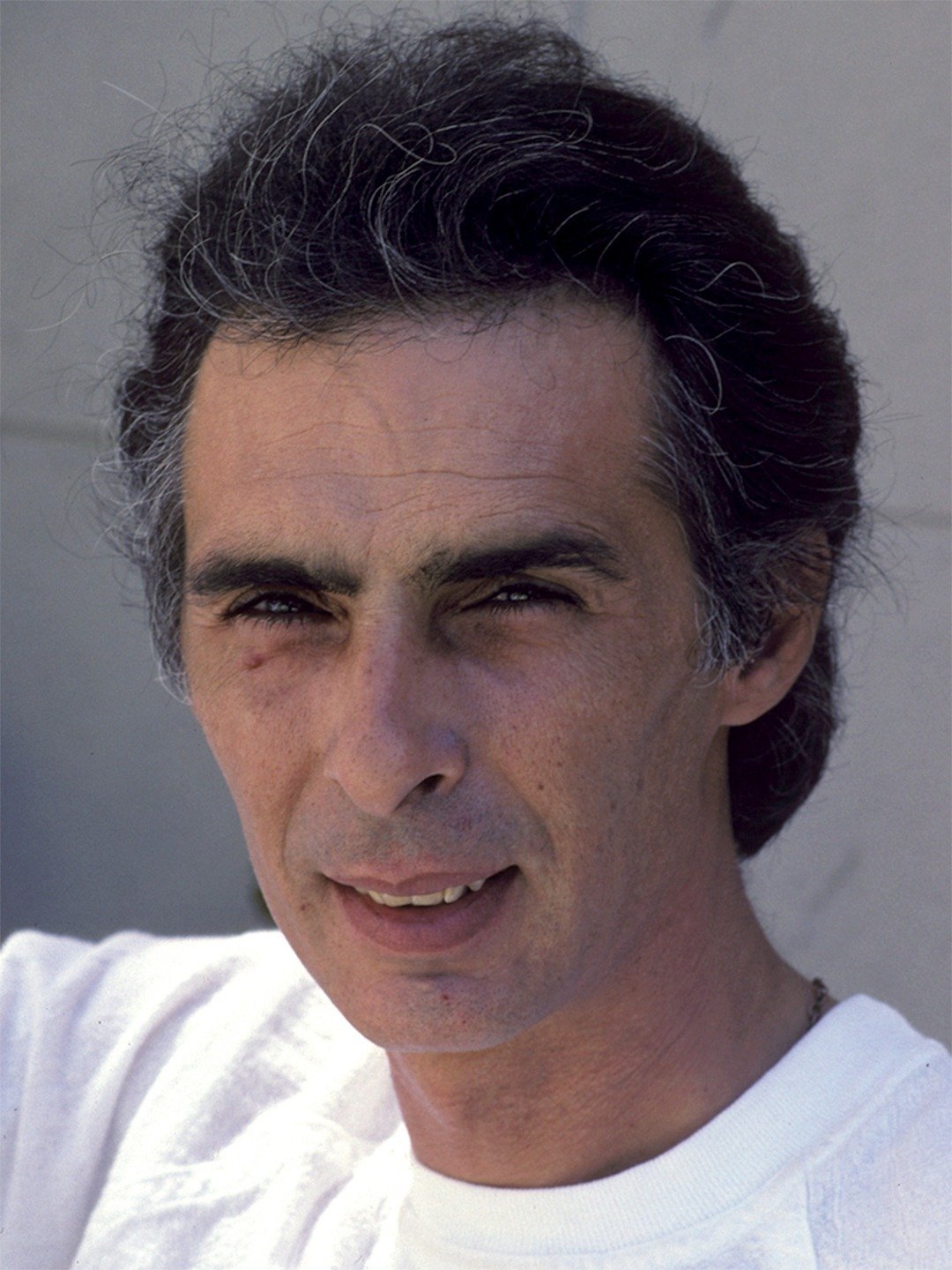
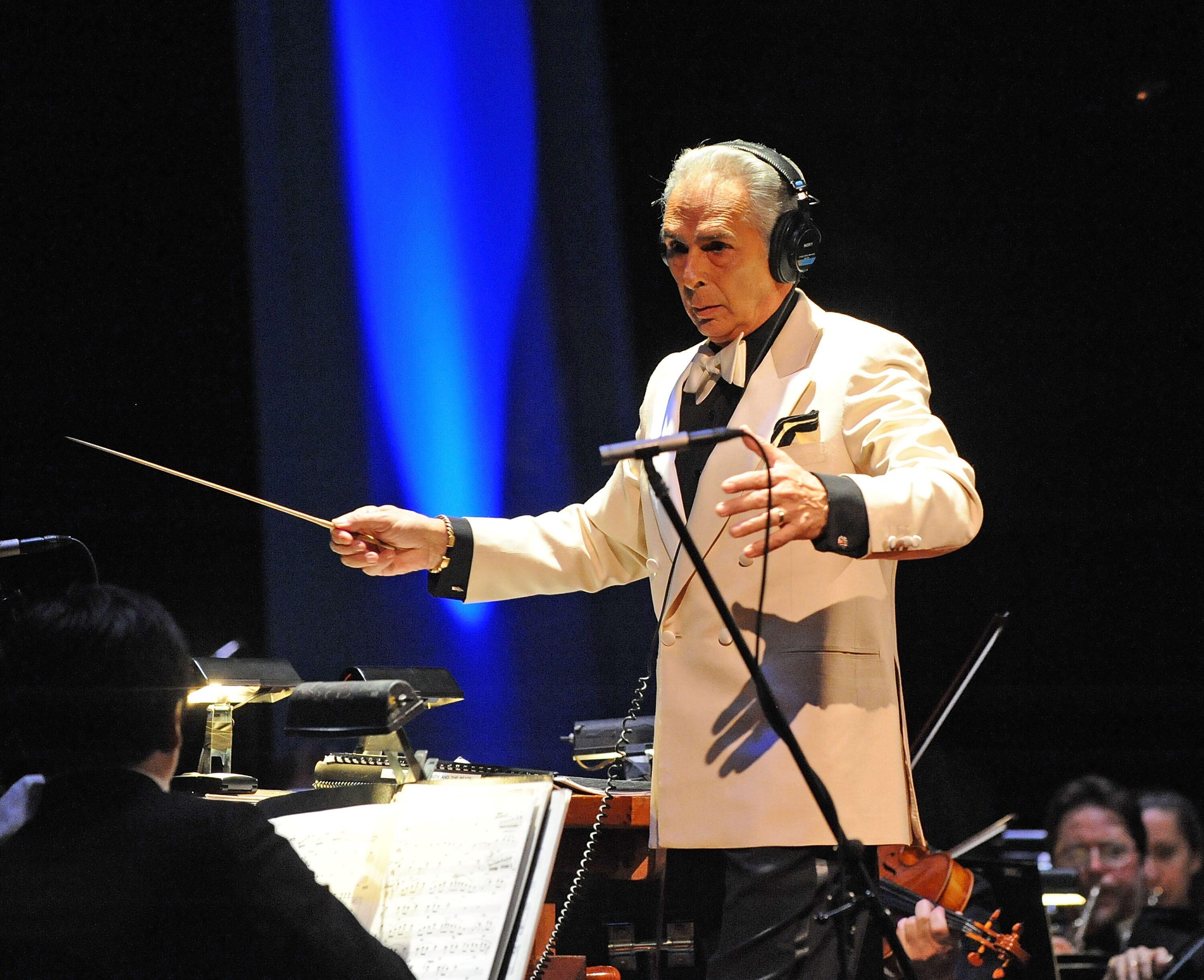
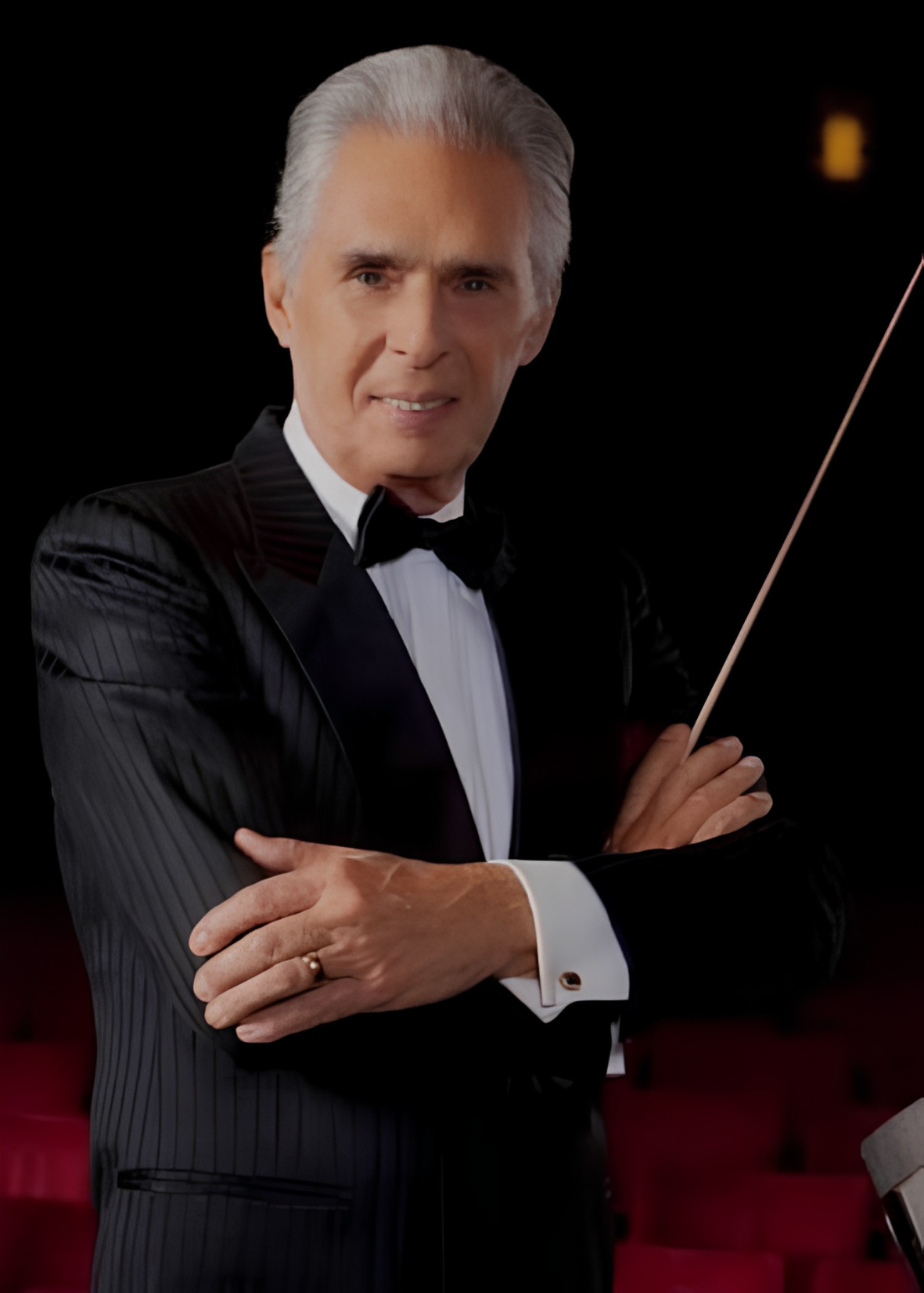
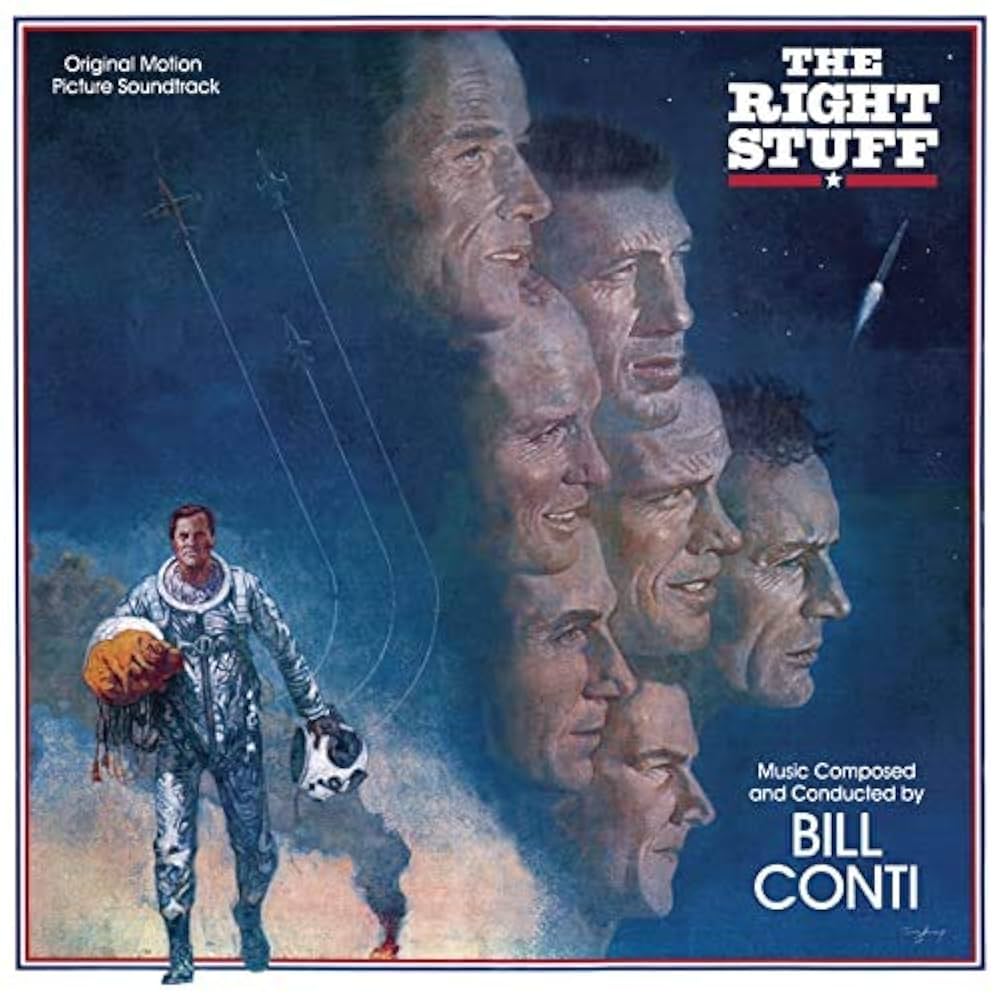
I don't know if there's anyone in the Western world who hasn't seen that scene. I don't know if there's anyone who doesn't instantly recognize those notes. The main figures behind it are Italian Americans. If Sylvester Stallone changed the history of world cinema with Rocky exactly 50 years ago, then Bill Conti did the same for the history of film music with "Gonna Fly Now." Nominated for an Academy Award the following year and, inexplicably, not honored with the Oscar, it isn't just a theme song: it is the theme song. It was written by a great Italian American who, to me, is nothing short of a true legend. I owe a heartfelt thank you to my friend Tito Schipa Jr. for making this conversation with Bill possible. My deepest thanks to both of them.
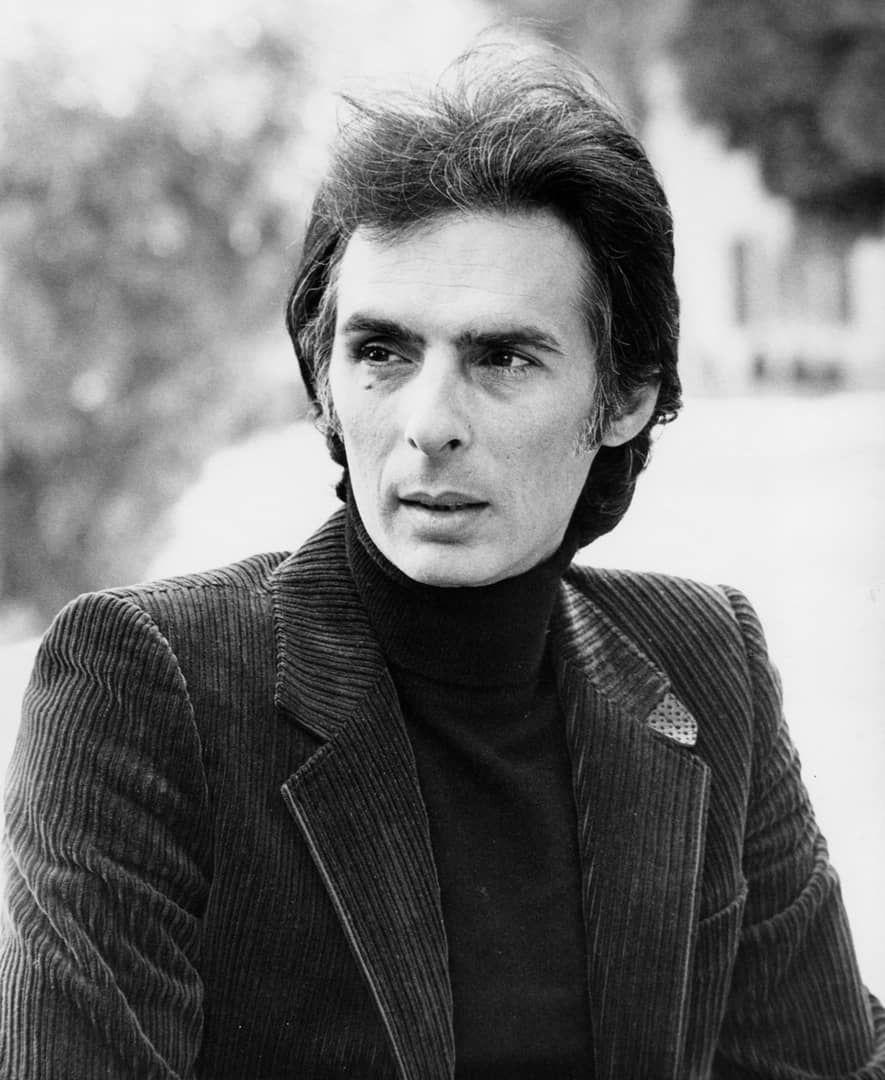
Bill, on behalf of the entire We the Italians community and personally, thank you for your music, and welcome. It is an honor and a privilege to speak with you. You were born into an Italian American family and also lived and worked in Italy before making your way to Hollywood. How have your Italian roots influenced the way you compose music and express emotion? Is there something deeply Italian in your music?
Absolutely. I grew up in a completely Italian household. Both my mother's and my father's families were Italian, so life inside our home was very different from life outside it.
My grandfather, Arcangelo Raffaele Conti, was born in 1885 in Pico, a tiny town south of Frosinone. He came to America as a young man, started a family there, and he played the trumpet. My father was a musician, too. He taught me solfeggio, and there was music everywhere in our house. There were stories about Italy everywhere, too.
One of my favorite memories is my father sitting at the piano while he and my grandfather sang opera together. One would sing the women's parts, the other the men's parts. Looking back, I realize how unusual that was. I don't think many households - Italian, American or otherwise - were like that. But that's how I grew up. Of course, we loved Beethoven, Mozart and Bach. But Puccini and Verdi were alive in our home. They weren't composers we admired from a distance - they were simply part of our daily lives.
Outside the house, though, I was an American kid. I went to American schools, played with American friends and grew up in American culture. You can't separate yourself from that.
The funny thing is that you don't really understand what it means to be Italian American until you actually live in Italy. I was fortunate enough to do that. My two daughters were born in Rome, and living there changed my perspective completely.
As Italian Americans, we're taught to be proud of our heritage. Many Italian Americans have never even been to Italy, and yet they'll defend Italy with all their heart. I understand that feeling because I had it myself. But once you actually walk those streets, live there and experience everyday life, your relationship with Italy changes. Mine certainly did. Ironically, living in Italy also made me realize just how American I am. That's simply the culture you grow up in. Even if Italian was spoken at home, I still grew up in America.
So, in my case, living in Italy confirmed something important: being Italian is much more than blood. It's a culture, a way of seeing the world, and something you understand much more deeply once you've lived it.
Fifty years ago, Rocky was released, a film that would become a symbol of the American Dream. What do you remember about your first meeting with Sylvester Stallone? When did you realize the film would have such an extraordinary impact?
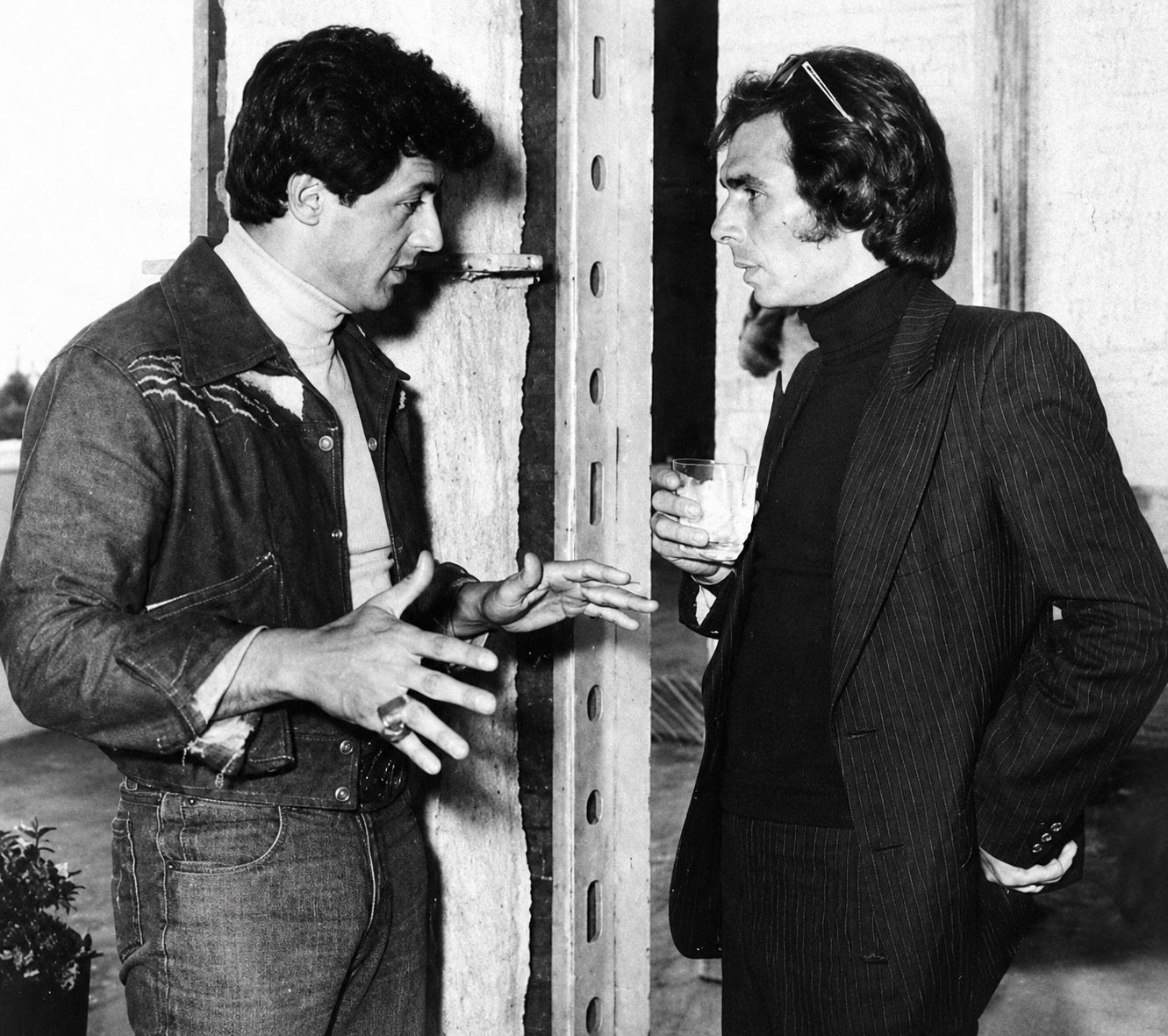
Our first meeting? Two Italian American kids over a tuna fish sandwich in the MGM commissary. Sylvester had written the screenplay and he was starring in the film, but he was completely unknown at the time. He wasn't directing it, but he had very strong feelings about what the music should express.
The thing is, you can tell a composer how you feel. You can describe emotions. But you can't sing the music - that's my job. A picture may be worth a thousand words, but it isn't worth a thousand feelings. My responsibility is to put those feelings into music.
Looking back, I know that growing up with Italian opera shaped the way I approached that challenge. Opera was always playing in our house. Those great emotional struggles you find in Puccini and Verdi stay with you. Sometimes, if you simply read the plot of an opera, it almost sounds ridiculous. But then the music begins, and suddenly you're crying, or laughing, or hoping the hero somehow survives. That's the power of music. It makes you care.
People have understood that for thousands of years. The ancient Greeks believed different musical modes could influence different human emotions. Whether they were preparing for battle or expressing love, they believed music carried meaning. I've always believed that, too. And that's what I tried to bring to Rocky.
Gonna Fly Now is one of the most iconic themes in film history. How did that piece come to life?
People often imagine that I sat down one day and wrote a song called Gonna Fly Now. That's not how it happened. With film music, you need the movie first. You need to see the picture because everything depends on timing. A piece of music has to fit the film, not the other way around.
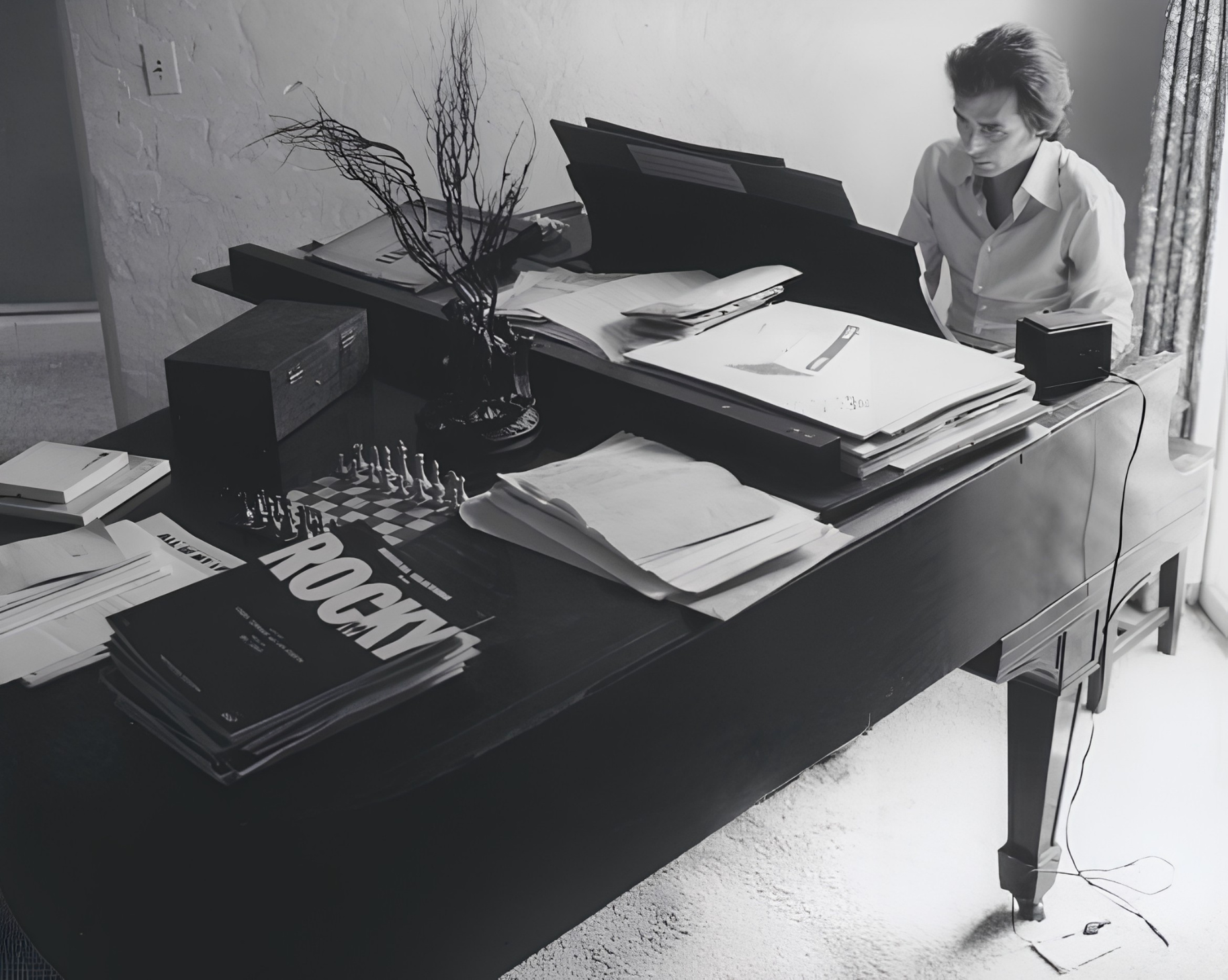
So I never even read the screenplay. That wouldn't have helped me. Once the film was nearly finished, they brought me the footage, and I started writing. I came up with a very simple little theme.
For the first nine reels of the movie, that theme appears in different forms. Then we reached the training montage. The director asked me for about a minute and a half of music so he could edit the sequence. A montage is made up of lots of short pieces of film, and rhythm helps the editor put everything together. So I simply took that little theme and played it faster.
I recorded it, brought it to the director on a cassette, and he synchronized it with the film. After a minute and a half he looked at me and said, "I need another thirty seconds." So I went back to the piano and wrote another thirty seconds. Then he wanted another thirty. And another. Little by little, that minute and a half grew into three minutes. I never set out to write a song. The music simply kept growing because the film needed it.
Only after that did Sylvester say, "Maybe we should say something here." Lyrics were already being written for other songs in the movie, so we asked Carol Connors and Ayn Robbins to write something for this piece. But John G Avildsen, the director, didn't want many words. Rocky is getting stronger, getting better, but the music should carry the story. The lyrics just needed to support it, not explain it.
So the song came together piece by piece - almost like stitching together a quilt. That's how Gonna Fly Now was born.
The music of Rocky captures an America built on hard work, hope, and redemption. Do you think that score also reflects something of the Italian immigrant experience?
I would never say Italians built America by themselves. A lot of different people built America. But Italians certainly helped build it. They came here without speaking the language. They had to overcome prejudice, adapt to a completely different culture and prove themselves every single day.
That wasn't easy. And yet they helped build the skyscrapers. They fed the country. They created businesses. They contributed to industry, to food, to design, to culture - to the American way of life. They didn't just learn America. In many ways, they helped teach America, too.
They brought their traditions, their craftsmanship, their food, their sense of beauty, their way of designing things and looking at life. Wherever you go in this country, you can still see what Italian immigrants left behind. Their mark is everywhere.
Is there a behind-the-scenes story from Rocky that the public doesn't know? Perhaps something from the recording sessions or your collaboration with Stallone that you remember especially fondly?
One memory has stayed with me all these years. At the very end of filmmaking, dialogue, sound effects and music all have to be mixed together. We were still finishing the final reel while the premiere screening had already started.
The fight sequence was especially complicated, so we were literally mixing the last reel while people were already watching the beginning of the movie. When we finally finished, the producers, the director, Sylvester, the mixing crew and I quietly slipped into the back row of the theater. We came in during the ninth reel. That meant we had missed everything - the audience's reactions to the opening scenes, the jokes, the emotional moments. We had no idea how they were responding.
Then came the training montage. And when it ended... The entire audience stood up. Every single person. The only people still sitting were us in the last row.
We looked at each other wondering, "What's happening?" We could feel the energy in the room, but we hadn't experienced the journey that had brought the audience to that moment. All we knew was that suddenly everyone was on their feet. Honestly, our mouths were on the floor.
That was the first moment we realized something extraordinary might be happening. We looked at each other and thought, "If this keeps happening... we're in trouble." And by "trouble," of course, I mean the best kind of trouble you could ever hope for.
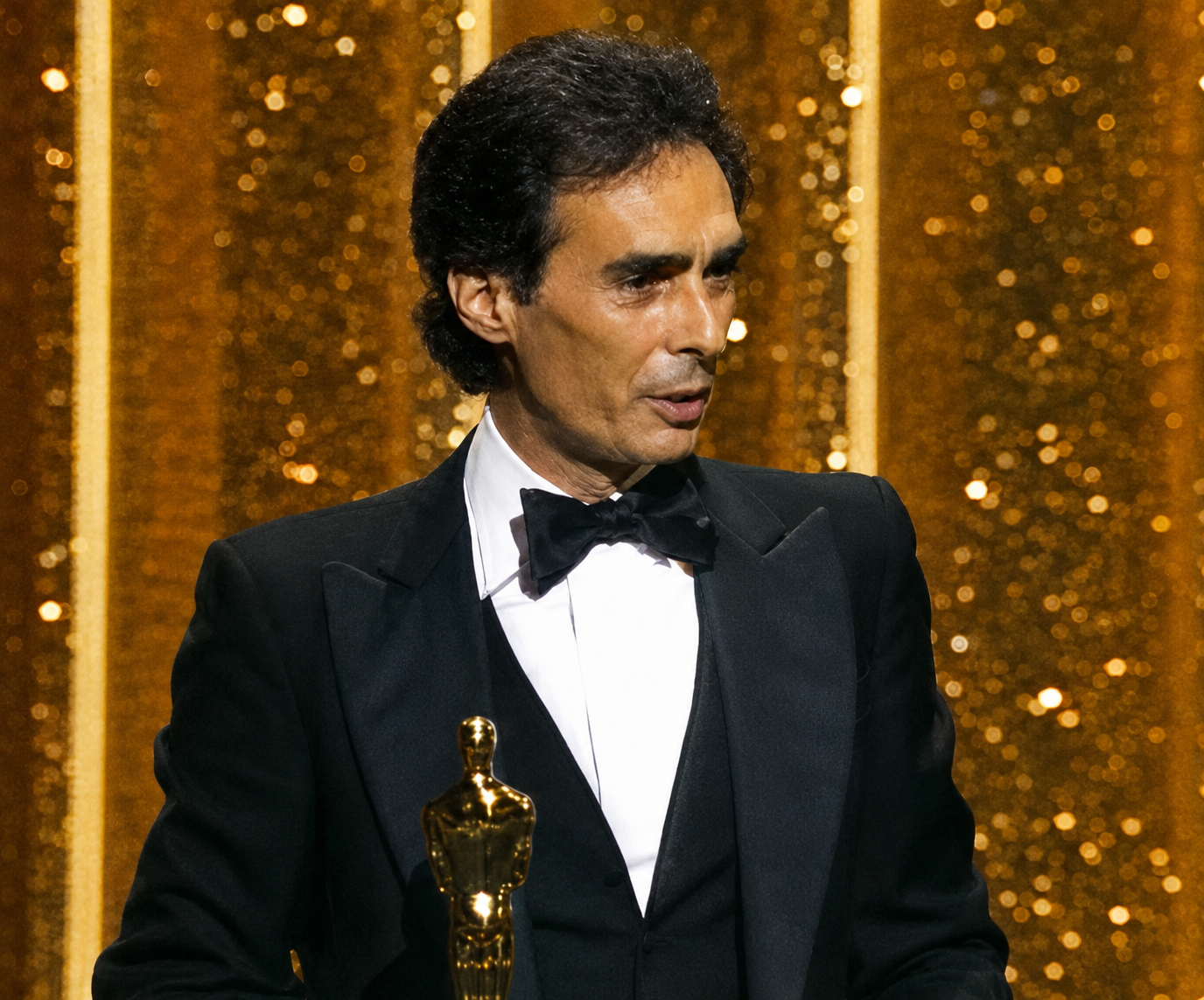
You have composed music for films, television and major international events. You won an Academy Award. At what point in your career did you feel most proud to represent your Italian heritage?
Without a doubt, Rocky was that moment. I'd done other work before, but in this business you need a breakthrough. If you don't have a hit, it's very difficult to keep moving forward. Rocky was my breakthrough.
And it wasn't just successful - it became part of people's lives. Fifty years later, people still know that music. They still respond to it. They still feel something when they hear it. That's a pretty remarkable thing. I'm very proud of that.
What advice would you give today to a young Italian American composer who dreams of an international career without losing touch with their roots?
I'd tell them to never lose sight of the melody. Music is made of rhythm, harmony and melody. But we Italians sing. We don't beat drums. We don't hum. We sing. That's our tradition.
If you think about the great Italian composers, what stays with you is the melody. A great melody can tell you who a character is. It can express nobility, beauty, love, hope - things that rhythm or harmony alone simply can't do. Melody carries the emotion.
So if a young Italian American composer wants to honor that heritage, my advice is simple: write beautiful melodies. They're all around you. You just have to open your ears.
Today, millions of people associate your music with determination and perseverance. How does it feel to know that Gonna Fly Now has become much more than a film score - almost a universal anthem of hope?
I'm grateful that it means something to people. I don't really think about it in terms of what it does for everyone else. Like anybody else, I still have to keep going. I still look for inspiration. Sometimes I find it in other people's music, just as people seem to find something in mine. That's one of the wonderful things about music - it belongs to whoever needs it.
If Gonna Fly Now has become an anthem of hope or perseverance, I'm honored. But what people are really hearing are my feelings. Those feelings were real when I wrote the music. And if they're still reaching people today, fifty years later, that's the greatest compliment a composer could receive.
Rocky esce di casa prima dell'alba, quando la città è ancora immersa nel silenzio. Non è un campione in quel momento, è un perdente. E' solo. Ma poi parte la tromba di Gonna Fly Now. Rocky inizia a correre senza fermarsi, trasformando ogni goccia di fatica in una dichiarazione di sfida al destino. Attraversa l'Italian Market di South Philadelphia, supera i propri limiti finché raggiunge la scalinata del Philadelphia Museum of Art. La conquista gradino dopo gradino e, arrivato in cima, alza le braccia al cielo. E' lì che nasce un mito della storia del cinema, non sul ring. Nasce grazie, forse soprattutto, a quella musica.
Non so se esista qualcuno al mondo che non abbia visto quella scena, almeno nel mondo occidentale. Non so se esista qualcuno che non riconosca quelle note. I protagonisti sono italoamericani, e se con Rocky Sylvester Stallone ha fatto la storia del cinema mondiale esattamente 50 anni fa, altrettanto ha fatto Bill Conti con Gonna Fly Now con la storia della musica. Candidata all'oscar l'anno successivo e inspiegabilmente non premiata, non è "una" colonna sonora, è "la" colonna sonora, e fu scritta da un grande italoamericano, che per il sottoscritto è un vero e proprio mito. Devo un sentito ringraziamento al mio amico Tito Schipa Jr per la possibilità di parlare con Bill. Grazie di cuore, a entrambi.
Bill, a nome di tutta la comunità di We the Italians e mio personale, grazie per la tua musica e benvenuto. E’ un onore e un privilegio parlare con te. Sei nato in una famiglia Italian American e hai anche vissuto e lavorato in Italia prima di approdare a Hollywood. In che modo le tue radici italiane hanno influenzato il tuo modo di comporre musica e di esprimere le emozioni? C’è qualcosa di profondamente italiano nella tua musica?
Assolutamente sì. Sono cresciuto in una famiglia completamente italiana. Sia la famiglia di mia madre sia quella di mio padre erano italiane, quindi la vita dentro casa nostra era molto diversa da quella che si svolgeva fuori.
Mio nonno, Arcangelo Raffaele Conti, nacque nel 1885 a Pico, un piccolo paese a sud di Frosinone. Arrivò in America da giovane, vi formò una famiglia e suonava la tromba. Anche mio padre era un musicista. Mi insegnò il solfeggio e nella nostra casa la musica era ovunque. E ovunque c’erano anche storie sull’Italia.
Uno dei miei ricordi preferiti è quello di mio padre seduto al pianoforte mentre lui e mio nonno cantavano insieme brani d’opera. Uno interpretava le parti femminili, l’altro quelle maschili. Ripensandoci, mi rendo conto di quanto fosse insolito. Non credo che molte famiglie - italiane, americane o di qualsiasi altra origine - fossero così. Ma io sono cresciuto in questo modo. Naturalmente amavamo Beethoven, Mozart e Bach. Ma Puccini e Verdi erano vivi nella nostra casa. Non erano compositori che ammiravamo da lontano – facevano semplicemente parte della nostra vita quotidiana.
Fuori di casa, però, ero un ragazzo americano. Frequentavo scuole americane, giocavo con amici americani e crescevo immerso nella cultura americana. Non puoi separarti da tutto questo.
La cosa curiosa è che non comprendi davvero cosa significhi essere italoamericano finché non vivi realmente in Italia. Io ho avuto la fortuna di farlo. Le mie due figlie sono nate a Roma e vivere lì ha cambiato completamente la mia prospettiva.
A noi italoamericani viene insegnato a essere orgogliosi delle nostre origini. Molti italoamericani non sono mai stati nemmeno in Italia, eppure la difenderebbero con tutto il cuore. Capisco questo sentimento perché l’ho provato anch’io. Ma quando percorri davvero quelle strade, vivi lì e sperimenti la quotidianità, il tuo rapporto con l’Italia cambia. Il mio è certamente cambiato. Paradossalmente, vivere in Italia mi ha anche fatto capire quanto io sia americano. È semplicemente la cultura nella quale cresci. Anche se in casa si parlava italiano, io sono comunque cresciuto in America.
Nel mio caso, quindi, vivere in Italia ha confermato qualcosa di importante: essere italiani significa molto più che avere sangue italiano. È una cultura, un modo di guardare il mondo e qualcosa che comprendi molto più profondamente dopo averlo vissuto.
Cinquant’anni fa uscì Rocky, un film destinato a diventare un simbolo del sogno americano. Che cosa ricordi del tuo primo incontro con Sylvester Stallone? Quando hai capito che il film avrebbe avuto un impatto così straordinario?
Il nostro primo incontro? Due ragazzi italoamericani davanti a un panino al tonno nella mensa della MGM. Sylvester aveva scritto la sceneggiatura ed era il protagonista del film, ma all’epoca era completamente sconosciuto. Non ne era il regista, ma aveva idee molto precise su ciò che la musica avrebbe dovuto esprimere.
Il punto è che puoi spiegare a un compositore quello che provi. Puoi descrivere le emozioni. Ma non puoi cantare la musica - quello è il mio lavoro. Un’immagine può valere più di mille parole, ma non vale più di mille emozioni. La mia responsabilità è trasformare quelle emozioni in musica.
Guardando indietro, so che essere cresciuto ascoltando l’opera italiana ha plasmato il modo in cui ho affrontato quella sfida. L’opera risuonava continuamente nella nostra casa. Le grandi lotte emotive che trovi in Puccini e Verdi ti rimangono dentro. A volte, se ti limiti a leggere la trama di un’opera, può sembrare quasi ridicola. Ma poi comincia la musica e improvvisamente stai piangendo, oppure ridendo, o sperando che l’eroe riesca in qualche modo a sopravvivere. Questo è il potere della musica. Ti porta a interessarti e a partecipare emotivamente.
Le persone lo comprendono da migliaia di anni. Gli antichi greci credevano che le diverse modalità musicali potessero influenzare differenti emozioni umane. Che si preparassero alla battaglia o esprimessero amore, credevano che la musica portasse con sé un significato. Anch’io l’ho sempre creduto. Ed è ciò che ho cercato di portare in Rocky.
“Gonna Fly Now” è uno dei temi più iconici della storia del cinema. Come nacque quel brano?
Spesso le persone immaginano che un giorno io mi sia seduto e abbia scritto una canzone intitolata “Gonna Fly Now”. Non è andata così. Con la musica da film, prima hai bisogno del film. Devi vedere le immagini, perché tutto dipende dai tempi. È la musica che deve adattarsi al film, non il contrario.
Quindi non lessi nemmeno la sceneggiatura. Non mi sarebbe servito. Quando il film era quasi terminato, mi portarono il girato e cominciai a scrivere. Ideai un piccolo tema molto semplice.
Nelle prime nove bobine del film, quel tema compare in forme differenti. Poi arrivammo al montaggio dell’allenamento. Il regista mi chiese circa un minuto e mezzo di musica per poter montare la sequenza. Un montaggio è composto da tanti brevi frammenti di pellicola e il ritmo aiuta il montatore a unire tutto. Così presi semplicemente quel piccolo tema e lo suonai più velocemente.
Lo registrai, lo portai al regista su una musicassetta e lui lo sincronizzò con il film. Dopo un minuto e mezzo mi guardò e disse: “Mi servono altri 30 secondi”. Quindi tornai al pianoforte e scrissi altri 30 secondi. Poi ne volle altri 30. E poi altri ancora. Poco alla volta, quel minuto e mezzo diventò un brano di tre minuti. Non avevo mai avuto l’intenzione di scrivere una canzone. La musica continuò semplicemente a crescere perché il film ne aveva bisogno.
Soltanto dopo Sylvester disse: “Forse qui dovremmo dire qualcosa”. Si stavano già scrivendo testi per altre canzoni del film, quindi chiedemmo a Carol Connors e Ayn Robbins di scrivere qualcosa per questo brano. Ma John G. Avildsen, il regista, non voleva molte parole. Rocky sta diventando più forte, sta migliorando, ma deve essere la musica a raccontare la storia. Il testo doveva soltanto sostenerla, non spiegarla.
Così la canzone prese forma un pezzo alla volta - quasi come cucire insieme una trapunta. È così che nacque “Gonna Fly Now”.
La musica di Rocky racconta un’America fondata sul duro lavoro, sulla speranza e sul riscatto. Pensi che quella colonna sonora rifletta anche qualcosa dell’esperienza degli immigrati italiani?
Non direi mai che gli italiani abbiano costruito l’America da soli. L’America è stata costruita da molti popoli differenti. Ma gli italiani hanno certamente contribuito a costruirla. Arrivarono qui senza conoscere la lingua. Dovettero superare i pregiudizi, adattarsi a una cultura completamente diversa e dimostrare ogni giorno il proprio valore.
Non fu facile. Eppure contribuirono a costruire i grattacieli. Nutrirono il Paese. Fondarono imprese. Contribuirono all’industria, al cibo, al design, alla cultura - allo stile di vita americano. Non si limitarono a conoscere l’America. Sotto molti aspetti, contribuirono anche a insegnare qualcosa all’America.
Portarono con sé le proprie tradizioni, la maestria artigianale, il cibo, il senso della bellezza, il modo di progettare le cose e di guardare la vita. Ovunque tu vada in questo Paese, puoi ancora vedere ciò che gli immigrati italiani hanno lasciato. La loro impronta è ovunque.
Esiste un episodio dietro le quinte di Rocky che il pubblico non conosce? Magari qualcosa accaduto durante le sessioni di registrazione o nella tua collaborazione con Stallone che ricordi con particolare affetto?
C’è un ricordo che mi ha accompagnato per tutti questi anni. Alla fine della lavorazione di un film, i dialoghi, gli effetti sonori e la musica devono essere mixati insieme. Stavamo ancora completando la bobina finale quando la proiezione della prima era già cominciata.
La sequenza dell’incontro era particolarmente complicata, quindi stavamo letteralmente mixando l’ultima bobina mentre il pubblico stava già guardando l’inizio del film. Quando finalmente terminammo, i produttori, il regista, Sylvester, la squadra del missaggio e io entrammo silenziosamente nell’ultima fila della sala. Arrivammo durante la nona bobina. Questo significava che ci eravamo persi tutto - le reazioni del pubblico alle scene iniziali, le battute, i momenti più emozionanti. Non avevamo idea di come stessero reagendo.
Poi arrivò il montaggio dell’allenamento. E quando finì… L’intero pubblico si alzò in piedi. Tutti, senza eccezioni. Le uniche persone ancora sedute eravamo noi, nell’ultima fila.
Ci guardammo l’un l’altro chiedendoci: “Che cosa sta succedendo?”. Potevamo percepire l’energia nella sala, ma non avevamo vissuto il percorso che aveva condotto il pubblico fino a quel momento. Tutto ciò che sapevamo era che, all’improvviso, tutti erano in piedi. Sinceramente, restammo a bocca aperta.
Quello fu il primo momento in cui ci rendemmo conto che poteva stare accadendo qualcosa di straordinario. Ci guardammo e pensammo: “Se continua così… siamo nei guai”. E con “guai”, naturalmente, intendo il miglior genere di guai che si possa desiderare.
Hai composto musica per il cinema, la televisione e grandi eventi internazionali. Hai vinto un Academy Award. In quale momento della tua carriera ti sei sentito più orgoglioso di rappresentare le tue origini italiane?
Senza alcun dubbio, quel momento fu Rocky. Avevo già realizzato altri lavori, ma in questo settore hai bisogno di una svolta. Se non ottieni un successo, è molto difficile continuare ad andare avanti. Rocky fu la mia svolta.
E non ebbe soltanto successo - entrò a far parte della vita delle persone. Cinquant’anni dopo, la gente conosce ancora quella musica. Reagisce ancora quando la ascolta. Prova ancora qualcosa. È un fatto davvero straordinario. Ne sono molto orgoglioso.
Quale consiglio daresti oggi a un giovane compositore italoamericano che sogna una carriera internazionale senza perdere il legame con le proprie radici?
Gli direi di non perdere mai di vista la melodia. La musica è fatta di ritmo, armonia e melodia. Ma noi italiani cantiamo. Non percuotiamo tamburi. Non mugugniamo. Cantiamo. È questa la nostra tradizione.
Se pensi ai grandi compositori italiani, ciò che ti rimane dentro è la melodia. Una grande melodia può raccontarti chi è un personaggio. Può esprimere nobiltà, bellezza, amore, speranza - cose che il ritmo o l’armonia, da soli, semplicemente non possono fare. La melodia trasporta l’emozione.
Quindi, se un giovane compositore italoamericano vuole rendere omaggio a quella tradizione, il mio consiglio è semplice: scrivi melodie meravigliose. Sono tutte intorno a te. Devi soltanto aprire le orecchie.
Oggi milioni di persone associano la tua musica alla determinazione e alla perseveranza. Che cosa provi sapendo che “Gonna Fly Now” è diventata molto più della colonna sonora di un film - quasi un inno universale alla speranza?
Sono grato che significhi qualcosa per le persone. Non penso realmente a ciò che fa per tutti gli altri. Come chiunque altro, anch’io devo continuare ad andare avanti. Continuo a cercare ispirazione. A volte la trovo nella musica degli altri, proprio come le persone sembrano trovare qualcosa nella mia. È uno degli aspetti meravigliosi della musica - appartiene a chiunque ne abbia bisogno.
Se “Gonna Fly Now” è diventata un inno alla speranza o alla perseveranza, ne sono onorato. Ma ciò che le persone stanno realmente ascoltando sono i miei sentimenti. Quei sentimenti erano autentici quando scrissi la musica. E se riescono ancora a raggiungere le persone oggi, 50 anni dopo, questo è il più grande complimento che un compositore possa ricevere.