
Work songs did not usually begin as music, they were a response to necessity. Long before they were collected, studied, or performed on stage, they were practical tools: a way to keep time, coordinate bodies, and endure work that was repetitive, heavy, and shared.
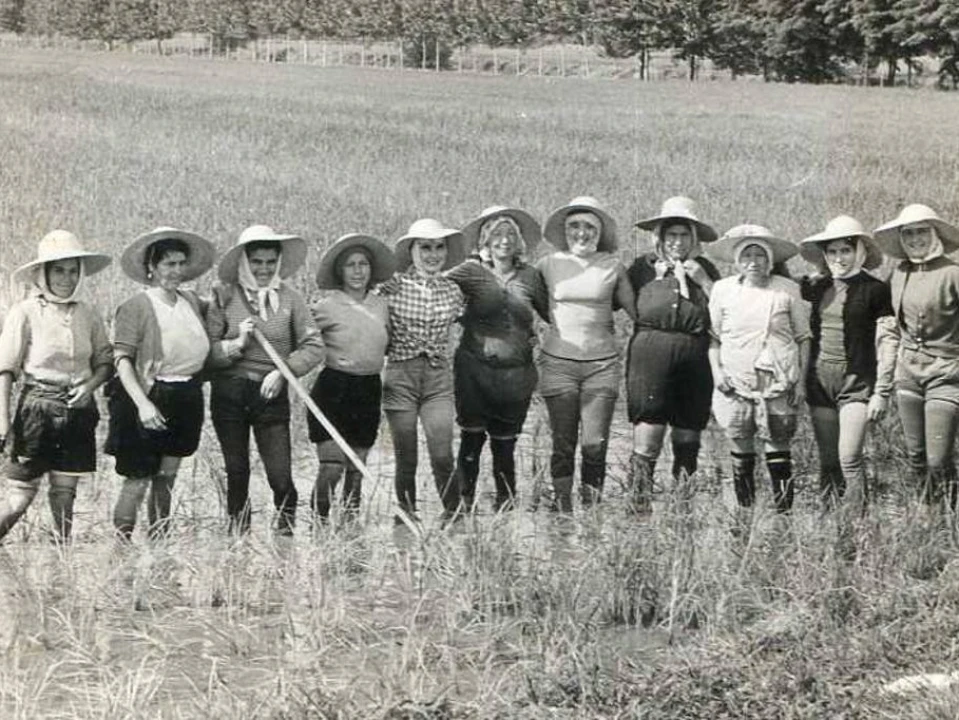
Italy’s long history of collective manual labor has left behind a particularly rich tradition of these songs, with two of the clearest examples coming from places that seem far apart: the rice fields of northern Italy and the tuna fisheries of Sicily. In the rice-growing areas of Piedmont, Lombardy, and Emilia, the songs of the mondine were born directly in the paddies, where women spent long days bent over in shallow water, pulling weeds by hand.