Among incomprehensible duties and wonderful excellences, the export of Italian wine to the United States proceeds not without difficulty, but also with great pleasure of Italian producers and American consumers.
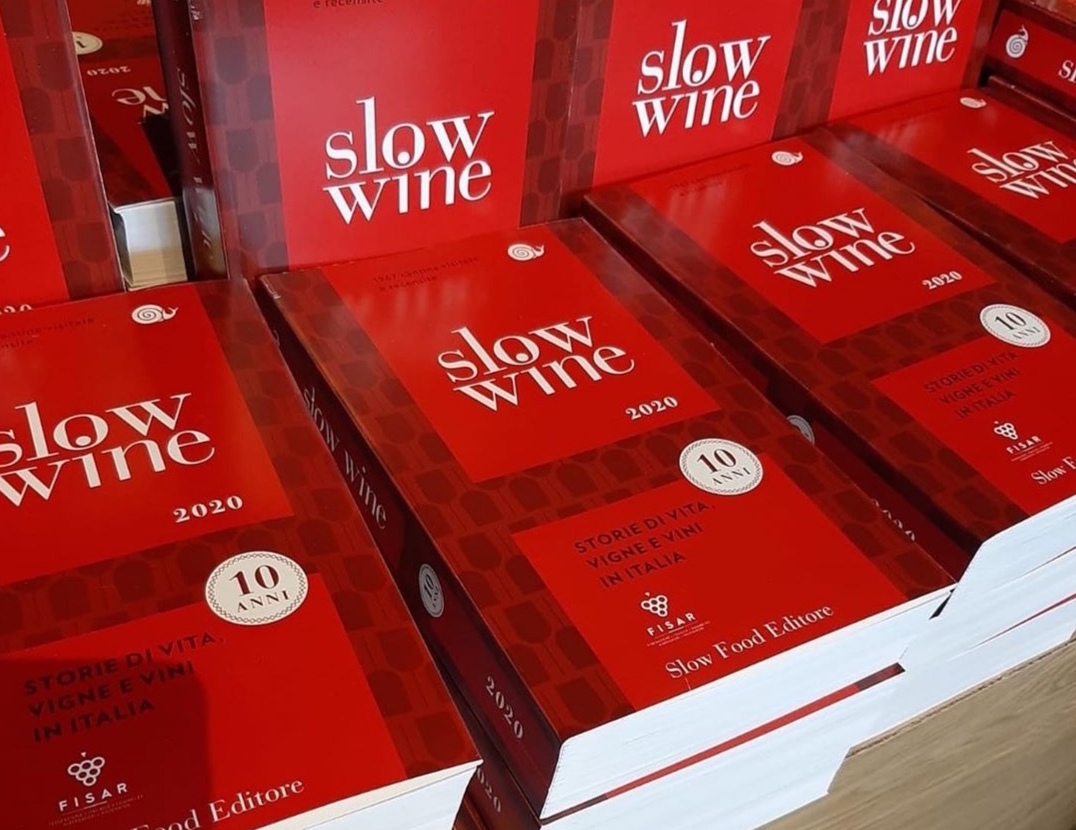
Today we welcome Giancarlo Gariglio, curator of the Slow Wine guide: the ideal tool to get to know and appreciate Italian wine, which this year celebrates its 10th anniversary with an American tour that, we are sure, many readers of We the Italians won't want to miss.
This year the Slow Wine guide turns 10. How was it born, and what has changed in this decade?
The guide was born from Slow Food's need to create an instrument in the world of wine that takes up the work that the association has already created on food with projects such as Terra Madre and Presidia. That is, that the quality of each product is not measured only from the organoleptic point of view but it goes further taking into consideration also the production method that is used. In these ten years we have simply declined these ideas in the world of wine, through an increasingly restrictive way of judging the wines for example by assigning the Snail and the Slow Wine awards to wineries who do not weed. We plan to continue rewarding and supporting those artisan wineries who want environmental sustainability to be a daily reality, a life option and not only a marketing goal.
The name Slow wine, which comes from the concept of Slow food, is a clear reference to the contrast with the American Fast. Help us to explain why it is not "Italy against America", but the opposite...
The United States is the inventor of fast food, but also of the farmers markets. They are a huge nation that the whole world looks at, offering interesting and fundamental inputs for the future of the planet. So it is not a question of an opposition to a certain model of nation. Indeed, thanks to the frequent confrontation with the US market and consumers, we have often come up with ideas that have changed the way we look at wine. Last but not least, the choice of working with American journalists judging Californian and Oregon viticulture from 2019. Among other things, precisely because we seem to glimpse enormous potential as regards the growth of oenology in the United States, we plan to do it with even greater commitment in 2020 starting tasting the wines of the East Coast, such as Finger Lakes, NY, but not only. The goal is to be able to include these states in the 2021 edition. It would be a great result for a small but growing guide like ours.
We ask you to help us describe the history of the export of Italian wine in these 10 years, perhaps with some numbers that explain the trend well...
Exports of Italian wine in these ten years have seen spectacular growth, which for the economy not as thriving as the Italian one is incredible. For example, in 2007 the total value in euros was 3,541 million euros (829 million in the United States), in 2018 however this figure practically doubled to 6,204 million euros (2,165 million in the United States). In short, we are facing a sector that creates an important economy in the United States, given that it is managed entirely by American citizens.
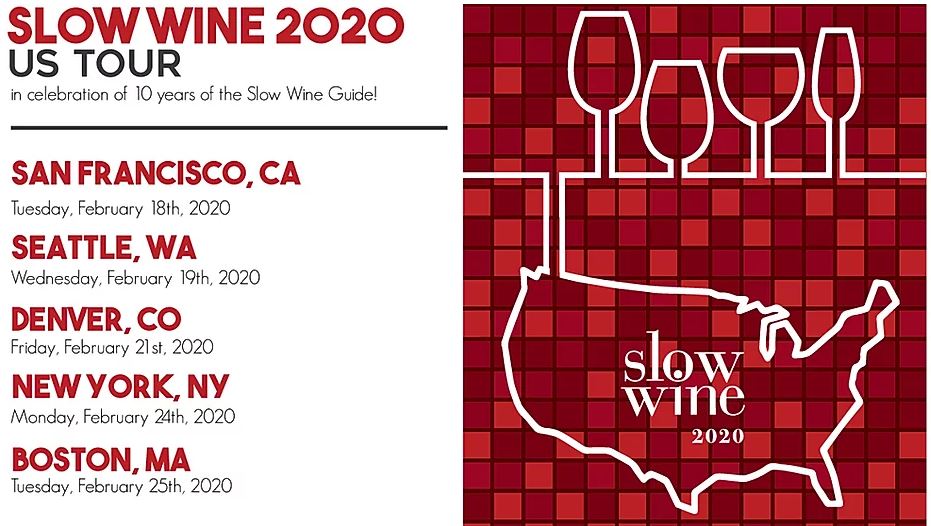
From February 18 to 25 Slow wine will be on tour in the United States, with stops in San Francisco (Tuesday 18), Seattle (Wednesday 19), Denver (Friday 21), New York (Monday 24) and Boston (Tuesday 25)...
For the tenth edition of our guide we went all the way big. The tour will be very intense and will touch the rapidly growing cities of the US wine market and other that are already milestone ones. For the first year we will also have wine seminars in collaboration with Vini d’Abruzzo intended for media and trade representatives who want to discover more about the wines Montepulciano d’Abruzzo (New York), Cerasuolo d’Abruzzo (Seattle) and Pecorino (San Francisco). All the Slow wine events are open to trade and media and have a consumer section in the evening. To attend visit https://www.slowwineusa.com/us-tour
The news talks about the risk of American tariffs on Italian wine, which we hope to avoid because they would have a horrendous effect on our exports. Even Californian wine producers, competitors of Italian ones, have taken sides against tariffs. Having said that the situation is constantly evolving, what are your thoughts towards this threat?
I do not have the tools to enter the logic behind these choices, I can only see as mentioned above that a good portion of the economies created by the imports of Italian wines remains in the United States. We know very well how a bottle enters the US with a certain value and the same bottle ends up with a tripled price in the American wine shops, while on the restaurant table the price is five times more. Who will pay for that added value? The American consumers, not certainly the Italians. It would be a serious damage for importers, distributors, wine bars, restaurants, bars, etc... A supply chain that is worth several billion dollars for Italian wine generated by American companies.
What are the relationships between Italian wine and American wine? I ask you both quantitatively and qualitatively
From a quantitative point of view for the moment Italy is much stronger. In fact, depending on the years, we are the largest or second largest wine-producing country in the world, competing mainly with France. As far as quality is concerned, a completely separate discussion must be made because, from my point of view, the wines are completely different, but there are cellars in both countries that work in a magnificent way. Precisely, thanks to the creation of the guide in California and Oregon I had the opportunity to deepen the oenology of these two states and to find myself in complete disagreement with what European enthusiasts normally think, that is that we are the custodians of terroir wines. On the contrary, I believe I have tasted excellent wines that demonstrate a soul and a strong bond with the territories that see them born. As far the wineries we reviewed, it is a virtuous viticulture which focuses on the land and the respect for it. To be brief, we have a lot to learn from each other and I don't see one nation before the other, in this sense.
What is the future of Italian wine in America? Is there room to grow further? And what news are imaginable?
The American market is growing, it seems to me that the latest study that put this trend in doubt was also denied. So, the space for Italian wine should also grow if tariffs or similar things do not come into play. Among other things, it seems to me that the trend is positive especially for the wines that we like the most, leaving out the bottles which fall outside denominations and those at bargain prices. On the other hand, the companies that work well, make wine carefully and use native vines go up. In the future I see an increasing attention to organic products and everything that ensures the respect for the environment. Fortunately, young people are attentive to these issues and they are the buyers of the future, so the road is marked and I hope that Slow Wine will establish itself as the primary US resource to Italian and American wines which not only offer the highest quality, but also carefully check the chain that starts from the vineyard and arrives in our glass.
Our readers are mostly Italian Americans. What do you want to recommend to all those who love Italian wine also as an ambassador of Italian excellence?
I would like them to be curious about the new Italian trends, towards the territories that are emerging, towards the vines on the crest of the wave. I am thinking of areas like Alto Piemonte, Valtellina, Carso, Fiano di Avellino, Cerasuolo di Vittoria or varieties such as Timorasso, Ansonica, Ciliegiolo, Nosiola, Frappato, Nerello Mascalese. Then there are always the big classics, but it is worth opening up your horizons, because in the last ten years everything has changed in Italy.
I am referring in particular to the whole movement of so-called natural wines, that we follow with great interest and a fair dose of critical spirit. In the guide we have many companies that are inspired by the values of zero or almost zero interventions in the cellar, but we do not exempt ourselves from carefully selecting these names, because sometimes we run into producers who improvise (this of course also happens frequently among the conventional ones) and they present us with labels that have obvious defects, which unfortunately make the characteristics of the terroir and the original vines disappear. They give rise to wines that are all the same and replicable at any latitude.
Finally, another very important chapter is that of the Italian Independent Winegrower Association (Vignaioli Indipendenti) of which I was personally the first national secretary and I participated in their foundation. They are a movement of now 1,000 artisan wineries who are responsible of the entire production chain, some of the best Italian producers. It is worth knowing them thoroughly.
Tra incomprensibili dazi e meravigliose eccellenze, l’esportazione di vino italiano negli Stati Uniti procede non senza difficoltà, ma anche con grande piacere dei produttori italiani e dei consumatori americani.
Oggi ospitiamo Giancarlo Gariglio, curatore della guida Slow Wine: lo strumento ideale per conoscere ed apprezzare il vino italiano, che quest’anno compie 10 anni e li celebra con un tour americano che, siamo sicuri, moltissimi lettori di We the Italians non vorranno perdere.
Quest’anno la guida di Slow Wine compie 10 anni. Come nacque, e cosa è cambiato in questa decade?
La guida nasce dall’esigenza di Slow Food di creare uno strumento nel mondo del vino che riprendesse il lavoro che l’associazione già faceva da qualche anno sul cibo con progetti come Terra Madre e i Presìdi. Ovvero che la qualità di ciascun prodotto non fosse misurato solo dal punto di vista organolettico ma che si andasse oltre prendendo in considerazione anche il metodo di produzione che viene utilizzato. In questi dieci anni abbiamo semplicemente declinato queste idee nel mondo del vino, via via restringendo sempre di più i paletti ad esempio assegnando la Chiocciola e il Vino Slow ad aziende che non diserbano. In programma abbiamo di spingere sempre di più sulla scelta di premiare e sostenere quelle cantine artigiane che fanno della sostenibilità ambientale realtà quotidiana e obiettivo non solo di marketing ma opzione di vita.
Il nome stesso Slow wine, che nasce dal concetto di Slow food, è un chiaro riferimento alla contrapposizione con il Fast americano. Aiutaci a spiegare perché non si tratta di “Italia contro America”, anzi proprio il contrario…
Gli Stati Uniti sono gli inventori del fast food, ma anche dei farmers market. Sono una grandissima nazione a cui tutto il mondo guarda, che riesce a regalare input interessantissimi e fondamentali per il futuro del pianeta. Quindi non si tratta per nulla di una contrapposizione verso un certo modello di nazione, anzi, proprio grazie alla frequentazione assidua del vostro mercato e dei vostri consumatori ci sono venute spesso idee che hanno cambiato il nostro modo di guardare al vino. Non ultima la scelta di confrontarci, con giornalisti americani, con la vitivinicoltura californiana e dell’Oregon. Tra l’altro, proprio perché ci pare di intravvedere potenzialità enormi per quanto riguarda la crescita dell’enologia degli Stati Uniti abbiamo già iniziato nel 2019 e contiamo di farlo con ancora maggior impegno nel 2020 a degustare i vini della Costa Est. In particolare Finger Lakes (New York), ma non solo. L’obiettivo è quello di poter includere questi stati nell’edizione 2021. Sarebbe davvero un grande risultato per una guida piccola, ma in crescita come la nostra.
Ti chiediamo di aiutarci a descrivere la storia dell’esportazione del vino italiano in questi 10 anni, magari con qualche numero che spieghi bene il trend…
Le esportazioni del vino italiano in questi dieci anni hanno visto una crescita spettacolare, che per un’economia non così fiorente come quella italiana ha dell’incredibile. Nel 2007 ad esempio il valore totale in euro era di 3.541 milioni di euro (829 negli Usa), nel 2018 invece questa cifra è praticamente raddoppiata a 6.204 (2.165 negli Usa). Insomma, siamo di fronte a un settore che crea un’economia importante negli Stati Uniti, visto che tra l’altro è gestita interamente da cittadini americani.
Dal 18 al 25 febbraio Slow wine sarà in tour negli Stati Uniti, con tappe che toccheranno San Francisco (Martedì 18), Seattle (Mercoledì 19), Denver (Venerdì 21), New York (Lunedì 24) e Boston (Martedì 25)…
Per la decima edizione della nostra guida abbiamo fatto le cose in grande e il tour sarà molto fitto e toccherà città in rapida crescita per quanto riguarda il mercato del vino e altre che sono delle pietre miliari.
Per la prima volta abbiamo in programma dei seminari in collaborazione con Vini d’Abruzzo destinati agli operatori del settore e media che vogliono approfondire la conoscenza dei vini Montepulciano d’Abruzzo (New York), Cerasuolo d’Abruzzo (Seattle) e Pecorino (San Francisco). Tutti gli eventi Slow Wine sono aperti a trade e media con una sezione dedicata ai consumers in serata. Per maggiori informazioni si può visitare il link https://www.slowwineusa.com/us-tour
L’attualità parla del rischio dazi americani sul vino italiano, che si spera di scongiurare perché avrebbero un effetto orrendo sulle nostre esportazioni. Persino i produttori di vino californiani, competitors di quelli italiani, si sono schierati contro i dazi. Detto che la situazione è in continua evoluzione, cosa pensi di questa vicenda?
Non ho gli strumenti per entrare nella logica che sta alla base di queste scelte, posso solo constatare come detto in precedenza che una buona fetta delle economie create dalle importazioni dei vini italiani rimane negli Stati Uniti. Sappiamo benissimo come una bottiglia entri a un certo valore e nelle enoteche a stelle e strisce quella stessa bottiglia abbia almeno un prezzo triplicato e sulla tavola dei ristoranti quintuplicato. Quel valore aggiunto a chi rimane? Agli americani, non certo agli italiani. Sarebbe un gravissimo danno per importatori, distributori, wine bar, ristoranti, enoteche, ecc… Una filiera che per il vino italiano vale diversi miliardi di dollari generati da aziende americane.
Quali sono i rapporti tra il vino italiano e quello vino americano? Te lo chiedo sia dal punto di vista quantitativo che da quello qualitativo
Dal punto di vista quantitativo per il momento l’Italia è molto più forte, siamo infatti, a seconda degli anni il maggiore o il secondo paese produttore di vino al mondo, e ci contendiamo la palma con la Francia. Per quanto riguarda la qualità si deve fare un discorso completamente a parte perché dal mio punto di vista ci confrontiamo su piani differenti perché i vini sono completamente diversi, ma esistono in entrambi i paesi cantine che lavorano in modo magnifico. Proprio grazie alla realizzazione della guida in California e Oregon ho avuto modo di approfondire molto l’enologia di questi due Stati e di trovarmi in completo disaccordo con quello che normalmente pensano gli appassionati europei, ovvero che noi siamo i depositari dei vini di terroir. Al contrario ritengo di aver assaggiato vini ottimi che dimostrano di possedere un’anima e un forte legame con i territori che li vedono nascere. Una viticoltura poi, per quanto riguarda le cantine da noi recensite virtuosa che mette al centro la terra e il suo rispetto. Insomma, abbiamo molto da imperare gli uni dagli altri, Non vedo una nazione davanti all’altra in questo senso.
Qual è il futuro del vino italiano in America? C’è spazio per crescere ancora? E quali novità sono immaginabili?
Il mercato americano è in crescita, mi pare che tra l’altro sia stato smentito anche l’ultimo studio che metteva in forse questo trend. Quindi anche lo spazio per il vino italiano dovrebbe crescere se non entreranno in campo dazi o cose simili. Tra l’altro mi pare che il trend sia positivo soprattutto per i vini che più piacciono a noi, scendono infatti le bottiglie fuori dalle denominazioni e quelle a prezzi stracciati. Salgono al contrario le aziende che lavorano bene, che vinificano con attenzione e utilizzando vitigni autoctoni. Vedo nel futuro una sempre maggiore attenzione per il biologico e tutto quanto assicura un rispetto dell’ambiente ai consumatori. I giovani fortunatamente sono attenti a questi temi e loro sono gli acquirenti del futuro, quindi la strada è segnata e Slow Wine è in prima linea su questi argomenti e spero che sempre di più ci affermeremo come la guida americana al vino italiano e a stelle e strisce che non solo propone vini di altissima qualità, ma controlla con attenzione anche la filiera che parte dal grappolo e arriva nel nostro bicchiere.
I nostri lettori sono per la maggior parte italoamericani. Cosa vuoi consigliare a tutti coloro che amano il vino italiano anche in quanto ambasciatore dell’eccellenza italiana?
Mi piacerebbe che fossero curiosi verso le nuove tendenze italiane, verso i territori che si stanno affermando, verso i vitigni sulla cresta dell’onda. Penso a zone come l’Alto Piemonte, la Valtellina, il Carso, il Fiano di Avellino, il Cerasuolo di Vittoria o a varietà come Timorasso, Ansonica, Ciliegiolo, Nosiola, Frappato, Nerello Mascalese. Poi ci sono sempre i grandi classici, ma vale la pena aprire i propri orizzonti, perché negli ultimi dieci anni tutto è cambiato in Italia.
Mi riferisco in particolare a tutto il movimento dei vini cosiddetti naturali, con cui noi ci confrontiamo con grande interesse e una giusta dose di spirito critico. In guida abbiamo molte aziende che si ispirano ai valori di zero o quasi interventi in cantina, ma non ci esimiamo dal selezionare con attenzione questi nomi, perché talvolta ci imbattiamo in produttori che si improvvisano (questo naturalmente accade anche con frequenza tra i convenzionali) e ci presentano etichette che hanno evidenti difetti, cosa che purtroppo fa scomparire le caratteristiche del terroir e dei vitigni di origine. Danno origine a vini tutti uguali e replicabili a qualsiasi latitudine.
Infine, un altro capitolo molto importante è quello dei Vignaioli Indipendenti, di cui sono stato personalmente il primo segretario nazionale e ho partecipato alla loro fondazione, sono un movimenti di ormai 1.000 cantine artigianali che seguono tutta la filiera produttiva, tra questi possiamo incontrare alcuni dei migliori produttori italiani. Vale la pena conoscerli a fondo.