
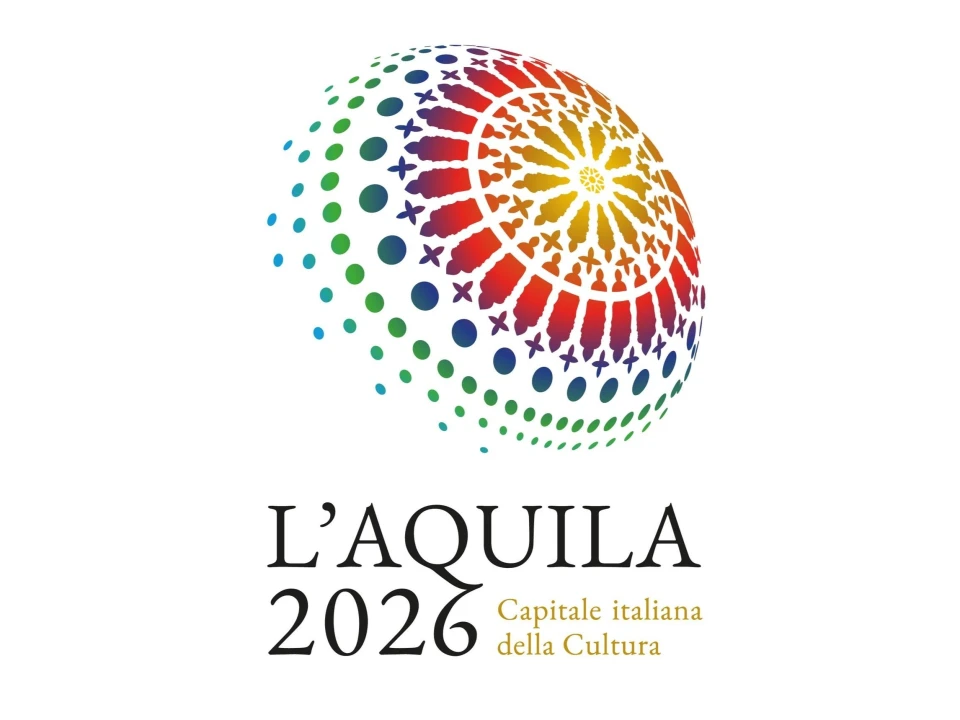
L’Aquila in Abruzzo is preparing for a year that aims to reshape its cultural identity – in 2026 the city will take on the role of Italy’s cultural capital, a title that comes with both responsibility and opportunity. The municipality has outlined an ambitious program called “one territory, a thousand capitals”, built around more than 300 events unfolding across the region over the course of 300 days.
The plan highlights not only L’Aquila’s historic center but also its surrounding towns, mountainside villages and rural areas, emphasizing the idea that culture should radiate outward rather than remain confined to a single urban core.
The project carries a symbolic weight. For a community profoundly affected by past earthquakes, the initiative represents a new stage of rebirth – one that moves beyond reconstruction of buildings to focus on rebuilding identity, creativity and civic pride. The goal is to bring people back into restored squares, reopened theaters and revitalized cultural spaces, giving residents and visitors alike the chance to experience the city through a renewed lens.
The 2026 program will cover a wide spectrum of artistic and educational activities. Audiences can expect exhibitions highlighting heritage and contemporary art, concerts and theatrical performances, dance productions, film screenings, literary events and outdoor festivals. Alongside these cultural activities, the city will host workshops, social-inclusion programs, educational initiatives and community-driven projects designed to encourage participation from all age groups and backgrounds.
Officials describe the year as a turning point – an opportunity to strengthen ties between culture, social wellbeing and sustainable development. Investments are being directed toward restoring historic venues and improving cultural infrastructure so the city can continue benefiting from this momentum even after 2026. The broader territory is also expected to gain visibility, as the program is designed to draw cultural tourism and stimulate economic activity throughout the region.
What sets L’Aquila’s plan apart is its focus on unity and shared identity. The cultural-capital designation is not being treated as a ceremonial title but as a chance to reimagine a territory that has long balanced memory and resilience. By emphasizing creativity, accessibility and collaboration, the initiative invites communities to reconnect with their heritage while looking confidently toward the future.
When the year arrives, L’Aquila hopes to stand as an example of how culture can serve as a catalyst for renewal – not only celebrating the past, but shaping a stronger and more vibrant tomorrow.