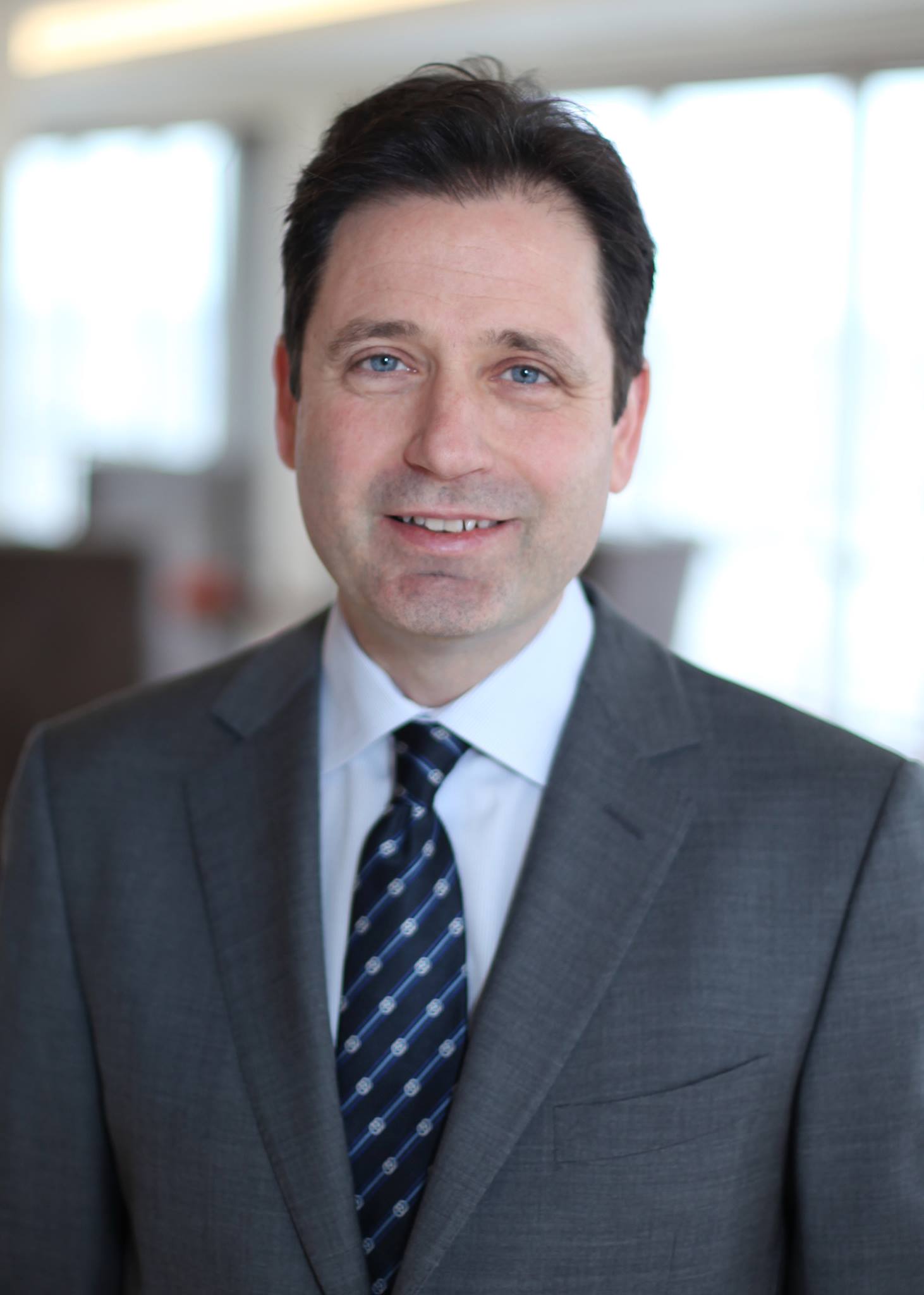
"I've a feeling we're not in Kansas anymore" used to say Dorothy in "The Wizard of Oz". Well, today we actually are: we're in Kansas City, shared between Kansas and Missouri, where we meet the guest of our interview. Gino Serra is the Italian Honorary Vice Consul here.
Even in the Midwest area, Italians left their mark and continue to do that, as we'll see. Now, together with other professionals, Gino has founded a new Italian Chamber of Commerce, in Kansas City. We thank him for his work, and his kindness in answering to our questions. We do are in Kansas!
Consul Serra, which are the activities of your Honorary Consulate, and which are the areas covered by it?
I'm the Vice Consul for the state of Kansas, but practically speaking I also cover western Missouri, because there is a vice consul in Saint Louis who covers the eastern part of Missouri, and then I also cover adjoining states like Nebraska and Oklahoma. People who use our services are either American citizens who are going to visit Italy or Italian citizens.. The closest General Consulate is in Chicago, and I think it's the one which covers the highest number of States among the Italian Consulates in the United States: a very broad area.
I do a lot of students' visas, particularly this time of the year. There are many students who want to study abroad, in Italy, and the Italian Consulate makes it very easy for them to come to a Vice Consul, which means for many of them driving to Kansas City and not flying to Chicago: they sign the visa application in front of me and I apply the Italian Consul's stamp and so they don't have to travel to their consulate, they can just send the paper work, including the passport, and then it comes back with the visa stamp. In some other cases it is more difficult: for example, in certain situations, when the request is for a work visa, they have to go to Chicago.
Then, I do a lot of certifications, legalizations, just basically confirming that those in front of me who are signing a document are actually who they say they are. There is a wide variety of areas where this can happen: somebody who receives an Italian pension every year have to certify that he or she is alive and doesn't have other source of income; somebody who inherits from Italy; those who are pursuing Italian citizenship; those who want to get married in Italy, for which there's a whole process to go through; general assistance to Italian citizens who happen to be in our jurisdiction, whether if they live here or they are just passing through. An example: if somebody from Italy rents a car and is driving here and gets stopped by a police officer, when he says "I need to see your drive license" they present an Italian drive license. The police officer doesn't understand the document, maybe he thinks that it could be a case of illegal immigration, and that's when I have to call and talk to the police officer and explain that they are temporarily allowed - as visitors - to use their own drive license here.
Last November the Italian Ambassador to the US Claudio Bisogniero travelled to Kansas City. It was the first time in over 50 years, the Consul general from Chicago Adriano Monti was also here, and I assembled all, organized all the visits, to cultural institutions, businesses, associations: this is the part of representation of Italy. I am in the Consular Corps, here in Kansas City we have 25 countries represented. So, those are our general activities. It's a Honorary Vice Consulate, not a paid position: it's something that I just volunteer for. It takes a little time each week but I'm happy to do it. I started in March 2010, my father was the previous Vice Consul and when he reached the mandatory retirement age he asked me if I wanted to do it and I said yes: so I went to Chicago to be interviewed, attend a few meetings and then they agreed to appoint me.
Are there many Italian citizens in your area?
It's always difficult to answer because Italian citizens are required to register with AIRE at the relevant Consulate, but not all do. In terms of Italian citizens there's two groups, essentially: those older, who have been here for a long long time; and then the younger citizens, who have come here recently, for work or because they've married somebody from this area. But, my sense is that probably it could be between a hundred and two hundred, maximum.
About the Italian Americans that's a way larger number, because Kansas City and St. Louis were two very large destinations for Italian immigrants for hundred years. So, the Italian American population is big, but we're talking about third, maybe fourth generation Italians, who in some cases have lost their connection with Italy. I would say at least 250,000 people of Italian heritage live in Kansas and Missouri.
What's their story?
Just like other cities in the United States, Kansas City and Saint Louis had many Italians arriving during the big waves, late 1800 and early 1900, then between the wars, and then after World War II: pretty much the immigration stopped in the 1960/70s.In Kansas there are different industries, it depends on which city you went to. Kansas City was a big meat packing distribution area; Chicago was the largest, but for a long time right behind it was Kansas City. Nowadays we also are the second largest commercial rail hub in the United States. We have every major rail line coming through here, and used to have a lot of livestock brought to market here. So, because of that there were a lot of stockyards and slaughter houses, and the meat packing business was huge.
So, Italians came and worked in the meat packing industry and in the rail industry. A lot of Italians came to work in those industries. Then there was southeast Kansas, places like Pittsburg, where there was a lot of immigration from Italy because of the numerous coal mines: these coal companies went all over Europe, especially southern and eastern Europe, to recruit mine workers. Entire villages were basically emptied out and brought to the US, some of them in Kansas. They had come to the United States and so in Kansas you had Italian mine workers not only in the deep shaft but also a lot of surface mining.
Are there places that remember the Italian presence in Missouri and Kansas?
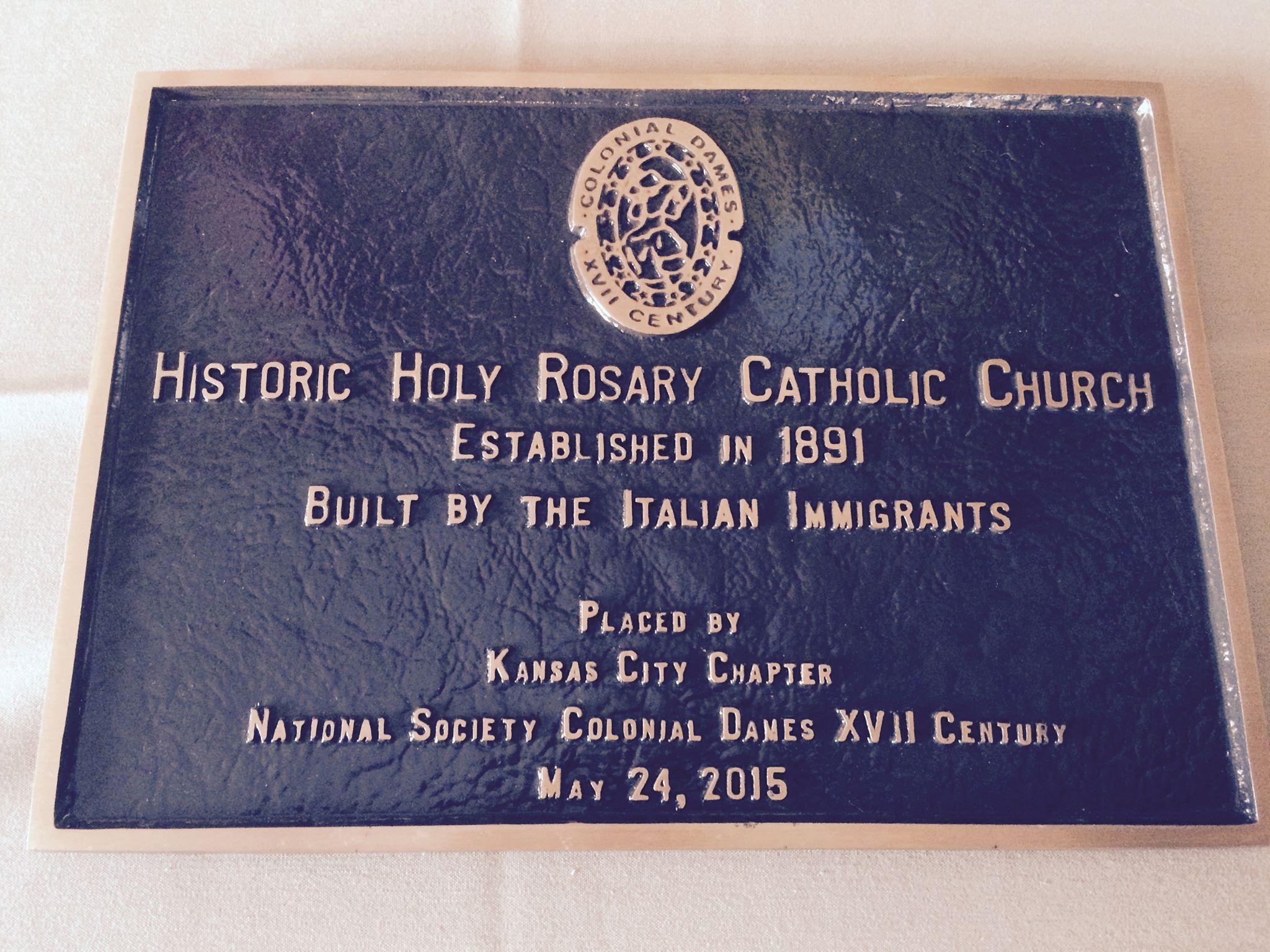
In Kansas City and in St. Louis we both have Little Italy neighborhoods, just like other cities. In Kansas City it's the north part of downtown, called "The North End". Historically it was where the Italian community lived: but then, as happened elsewhere, a lot of highways were built around downtown. They essentially destroyed this neighborhood by putting a highway right in the middle of the city. The Italians didn't have the power nor the money to fight this, so around the 40s or the 50s they started shifting outside the city center, north or north east, into the suburbs. So, that's where Italians are now. The North End is still very active these days, but the vast majority of Italian American population has spread everywhere.
Is there an anecdote that you'd like to tell to explain one aspect of the relationship between Italy and your area?
I'm going to tell you a few of them. We have the largest World War I Museum in the world, here in Kansas City. It honors all of the combatants, not just from one particular country. It opened in 1921, soon after the end of the war, and that was the first time that all the allied generals teamed together in the same place, including General Armando Diaz, who travelled all the way from Italy to Kansas City.
Another story is about 1955. Alberto Sordi visited Kansas City and he received the honorary citizenship, because of his character in "Un americano a Roma", who always told people "sono di Kansas City" (I am from Kansas City). So he came, there's a video where he has a cowboy hat, he's waiving his gun around, and we made him honorary citizen.
Something more recent: we have a collaboration between the University of Missouri and the city of Rome, the Musei Capitolini in Rome: they have shifted over to Missouri dozens of crate boxes filled with hundreds of thousands of artifacts dating back to the start of the Roman Empire; the collaboration is called "Hidden treasures of Rome". As a result of the Italian unification in 1870 large parts of Rome were being tore down to make new government buildings and other public work projects. So, they found mass of quantities of archeological material, and there was no time to go through everything, so everything was just boxed up, literally for a hundred year and put in a warehouse. They never had the time or the money to go through everything, so they came upon the idea to collaborate with the University of Missouri which had a large archeological program, and said "we will provide you with all this stuff if you agree to have your students study, catalog and restore them. So, that's what is going to happen for the next few years, everything is already being shipped and so now we have this large project in Missouri, going through all the hundreds of thousands of artifacts.
We have other examples of the connection between this area and Italy ... there's a lot of architecture in Kansas City, a large number of Italian immigrants came with amazing artistic skills. So, there are a lot of old buildings here, and you often time find that it was a group of Italian that worked as stonemasons there.
We also have a wonderful art museum in Kansas City, the Nelson-Atkins Museum of Art, with so many works from Italy. My favorite is Caravaggio and his Saint John the Baptist, which is outstanding. Then, we have a wonderful new Performing Art Center and this fall the Chicago Symphony, directed by Riccardo Muti is coming in.
We have important Italian companies represented here, like Finmeccanica and Enel, and they are very active in this area; they are the ones who sponsored the programs with the University of Missouri, and they also have a large number of wind farms in Kansas.
You also are in the board of the recent established Italian American Chamber of Commerce of Kansas City: it is incredible how our being Italian never stops to give birth to wonderful projects like this, confirming how much room there is all over the US to improve the promotion of Italian products, and not only in the main cities on the two coasts. Please tell us something more about this.
Yes, the Chamber of Commerce is a very new institution. Besides me, the founders are Giorgio Antongirolami, Emilia Carlson, Maria Cristina Pilla, Antonio Soave, Stefano Radio and Paola Ghezzo. We have a big history with Italy, for sure, but because we don't have a large current flow of Italians, the connection with Italy can get lost. Places like San Francisco don't have the problem because I think every young Italian says: "I'd love to go work in California". They know the two coasts, but they have no idea of what's going on in the middle of the country and most of the immigrants tend to go where there are others like them. So, they may go to New York, they may go to Boston, Chicago, they may go to Miami and then they jump all the way to California.
Our idea is to create a bridge between this part of the country and Italy, renew those ties and promote this part of the country in Italy. There are a lot of opportunities here, there's a support system, and an Italian American community that needs to try to rekindle the connection, and make Italy relevant in the daily life of the younger generation through the language, the culture, the business. There have been probably hundreds of Italian American organizations over the last 100 years. Every little town, every little area of Italy – especially from the south - that sent their immigrants to Kansas started up an organization. The vast majority no longer exists; now we probably have just 3 or 4. They are at risk by now, as their members are getting older and their sons and daughters are not there, they are not getting active. Other organizations are essentially dedicated just to the social aspect, which is important: but for somebody 20 years old it may not be enough, to maintain the connection to Italy. They maybe want to learn the language, they probably want to travel to Italy, they want to reconnect to their relatives in Italy, they want to go, work and study in Italy. Things like that.
There's another aspect we are thinking about, to increase interaction between the recently arrived in the Italian community and the Italian American community that is already present here. As you know, sometimes these groups may not see each other as connected. I think there needs to be more connection between these two worlds. This is one of the most important ways for the Italians American community to reconnect with modern Italy, not just with the Italy that they maybe remember or the one their grandfather came from.
«Ho l'impressione che non siamo più in Kansas" diceva Dorothy ne "Il Mago di Oz". Ebbene, oggi in realtà ci siamo: siamo a Kansas City, città sul confine tra Kansas e Missouri, dove incontriamo l'ospite della nostra intervista. Gino Serra è il Vice Console Onorario italiano qui.
Anche nell'area del Midwest, gli Italiani hanno lasciato il segno e continuano a farlo, come vedremo. Ora, insieme ad altri professionisti, Gino ha fondato la Camera di Commercio Italiana a Kansas City. Lo ringraziamo per il suo lavoro e la sua disponibilità. Certo, che siamo in Kansas!
Gino, quali sono le attività del suo Consolato Onorario, e quali le aree che coprite?
Io sono il Vice Console per lo stato del Kansas, ma copro anche il Missouri occidentale, perché c'è un Vice Console a Saint Louis, che copre la parte orientale del Missouri; inoltre sono di mia competenza anche gli stati confinanti come Nebraska e Oklahoma.
Le persone che utilizzano i nostri servizi sono cittadini americani che stanno per visitare l'Italia o cittadini italiani. Il Consolato Generale più vicino si trova a Chicago, e penso che sia quello che copre il maggior numero di persone, tra i Consolati italiani negli Stati Uniti: una vasta area.
Facciamo molti visti per studenti, in particolare in questo periodo dell'anno. Sono molti gli studenti americani che vogliono studiare all'estero, in Italia, e il Consolato rende loro la vita più semplice permettendo di poter fare i documenti presso il Vice Console, il che significa che per molti di loro basta guidare fino a Kansas City e non devono volare fino a Chicago: firmano la richiesta del visto di fronte a me e io applico il timbro del Console italiano e quindi poi basta inviare le carte, tra cui il passaporto, che viene poi spedito indietro con il timbro del visto. In alcuni altri casi è più difficile: per esempio, in certe situazioni, quando la richiesta è per un visto di lavoro, è obbligatorio andare a Chicago.
Poi, lavoriamo su molte certificazioni, sempre confermando che chi è davanti a me e firma un documento è in realtà chi dice di essere. C'è una vasta gamma di pratiche per cui questo può accadere: chi percepisce una pensione italiana ogni anno deve certificare l'esistenza in vita e il fatto che non abbia altra fonte di reddito; c'è chi eredita dall'Italia; c'è chi sta facendo le carte per avere la cittadinanza italiana; ci sono coloro che vogliono sposarsi in Italia, per i quali c'è un procedimento non semplice da compiere; poi facciamo assistenza generale ai cittadini italiani che si trovano ad essere nella nostra giurisdizione, sia chi vive qui ma anche chi è solo di passaggio. Un esempio: se qualcuno dall'Italia affitta una macchina e sta guidando qui e viene fermato da un agente di polizia, quando questi chiede di vedere la patente di guida, ovviamente gli viene esibita una patente italiana. Il poliziotto non capisce il documento, forse può pensare che ci sia l'ipotesi di un caso di immigrazione clandestina, e quindi sono io che devo parlare con l'ufficiale di polizia e spiegare che gli italiani sono temporaneamente ammessi - come visitatori - ad usare la loro patente anche qui.
Lo scorso novembre l'ambasciatore italiano negli Stati Uniti Claudio Bisogniero ha visitato Kansas City. Era la prima volta in oltre 50 anni che Kansas City ha ricevuto la visita dell'Ambasciatore; c'era anche il Console generale di Chicago Adriano Monti, e a me è spettato il compito di organizzare le visite alle istituzioni culturali, alle aziende, gli incontri con le associazioni: questa è la parte di rappresentanza dell'Italia. Io sono anche nel Corpo Consolare, qui a Kansas City abbiamo 25 paesi rappresentati.
Quindi, queste sono le nostre attività generali. Si tratta di un Vice Consolato Onorario, non è una posizione pagata: lo faccio come volontariato. Ci vuole un po' di tempo da dedicare ogni settimana, ma io sono felice di farlo. Ho iniziato nel marzo 2010, mio padre era il precedente Vice Console e quando ha raggiunto l'età di pensionamento obbligatoria mi ha chiesto se volevo farlo e ho detto di sì: così sono andato a Chicago per fare alcuni colloqui, partecipare a qualche incontro e poi hanno deciso di nominarmi.
Ci sono molti cittadini italiani nella vostra zona?
E' sempre difficile rispondere perché i cittadini italiani devono registrarsi all'AIRE al relativo Consolato, ma non tutti lo fanno. Tra di loro ci sono due gruppi, in sostanza: quelli più anziani, che sono qui da un lungo periodo di tempo; e poi i cittadini più giovani, che sono venuti qui di recente, per lavoro o perché hanno sposato qualcuno proveniente da questa zona. La mia sensazione è che, probabilmente, potrebbero essere tra cento e duecento, al massimo.
Gli italoamericani invece sono in un numero molto maggiore, perché Kansas City e St. Louis sono state due grandi destinazioni per l'emigrazione italiana per 100 anni. Così, la popolazione americana italiana è numerosa, ma stiamo parlando di italiani di terza, forse quarta generazione, che in alcuni casi hanno perso il loro collegamento con l'Italia. Direi che tra Kansas e Missouri vivono almeno 250.000 persone di origine italiana.
Qual è la loro storia?
Proprio come le altre città degli Stati Uniti, Kansas City e Saint Louis videro arrivare molti italiani durante gli anni dell'emigrazione di massa a fine del 1800 e a inizio del 1900, quindi tra le due guerre, e poi dopo la seconda guerra mondiale: praticamente l'immigrazione si è fermata tra gli anni '60 e gli anni '70 dello scorso secolo. In Kansas ci sono diverse industrie, a seconda delle diverse città. Kansas City è stata una grande area di lavorazione di carne; Chicago era la più grande degli Stati Uniti, ma per lungo tempo Kansas City è stata la seconda città per questo business. Oggi siamo anche il secondo nodo ferroviario commerciale negli Stati Uniti. Tutte le principali linee ferroviarie passano qui, e moltissimi capi di bestiame sono sempre transitati per quest'area. Così, c'erano moltissimi recinti per bestiame e fabbriche per la macellazione e l'imballaggio della carne.
Così, i moltissimi italiani che arrivarono qui lavorarono nel settore dell'imballaggio della carne e nel settore ferroviario. Nella parte est del Kansas, invece, in posti come Pittsburg, arrivarono tanti italiani a lavorare nelle numerose miniere di carbone: le compagnie che le gestivano andarono in tutta Europa, soprattutto nell'Europa meridionale e orientale, per cercare lavoratori per le loro miniere. Interi villaggi furono praticamente svuotati e trasportati negli Stati Uniti, alcuni dei quali in Kansas.
Ci sono luoghi che ricordano la presenza italiana in Missouri e Kansas?
Sia a Kansas City che a St. Louis c'è una Little Italy, come in altre città. A Kansas City si tratta della parte a nord del centro, chiamato "The North End". E' dove storicamente la comunità italiana viveva: ma poi, come è successo altrove, vennero costruite strade a grande scorrimento proprio nel centro della città, praticamente distruggendo il quartiere. Gli italiani non avevano né il potere né i soldi per combattere questa decisione, e quindi intorno agli anni '40 o '50 si spostarono fuori dal centro della città, a nord o nord-est, nei sobborghi. Il North End è ancora molto attivo, ma la stragrande maggioranza degli italoamericani è sparsa un po'ovunque.
C'è un aneddoto che ti piacerebbe raccontare per spiegare un aspetto del rapporto tra l'Italia e la vostra zona?
Te ne dirò alcuni. Abbiamo il più grande museo del mondo sulla prima guerra mondiale, qui a Kansas City. Vengono onorati e ricordati tutti i combattenti, non solo da un determinato paese. Fu aperto nel 1921, subito dopo la fine della guerra, e quella fu la prima volta che tutti i generali alleati si riunirono insieme nello stesso luogo, tra cui il generale Armando Diaz, che partì dall'Italia per arrivare fino a qui.
Un'altra storia risale al 1955. Alberto Sordi venne in visita a Kansas City e ricevette la cittadinanza onoraria, per merito del suo personaggio in "Un americano a Roma", che diceva sempre a tutti "sono di Kansas City". Così fu invitato, c'è un video in cui porta un cappello da cowboy, fa roteare una pistola, e fu fatto cittadino onorario.
Qualcosa di più recente: c'è in atto una collaborazione tra l'Università del Missouri e i Musei Capitolini a Roma: hanno inviato nel Missouri decine di casse piene di centinaia di migliaia di reperti risalenti all'inizio dell'Impero Romano; la collaborazione si chiama "Hidden treasures of Rome" (Tesori nascosti di Roma). Come risultato dell'unità d'Italia, nel 1870 in molte parti di Roma molti luoghi furono distrutti per costruire nuovi edifici governativi e altri progetti di pubblico utilizzo. Così, rimase una grandissima quantità di materiale archeologico, ma non c'è mai stato tempo di studiarlo e valorizzarlo, quindi tutto era rimasto chiuso nelle casse in cui era stato messo, per più di 100 anni. Non c'è mai stato il tempo ma anche il denaro, così è venuta l'idea di collaborare con l'Università del Missouri, che ha un grande programma di archeologica. L'accordo è stato questo: Roma invia tutti questi reperti, e l'Università del Missouri accetta di farci lavorare i suoi studenti per studiarli, catalogarli e restaurarli. Questo è ciò che sta per accadere per i prossimi anni, tutto è già stato spedito, e così ora c'è in piedi questo grandissimo progetto nel Missouri, che riguarda centinaia di migliaia di reperti dell'epoca romana.
Abbiamo altri esempi di collegamento fra questa zona e l'Italia ... c'è molta architettura a Kansas City, molti degli immigrati italiani che vennero qui avevano grandi doti artistiche e di manualità. Infatti sono molti i vecchi edifici in cui si trovano tracce del lavoro degli italiani come scalpellini.
Abbiamo anche un meraviglioso museo d'arte a Kansas City, il Museo Nelson-Atkins of Art, con tante opere che provengono dall'Italia. Il mio preferito è il San Giovanni Battista del Caravaggio, che è eccezionale. Poi, abbiamo un meraviglioso nuovo Performing Art Center e in autunno avremo la Chicago Symphony, diretta da Riccardo Muti.
Abbiamo anche importanti aziende italiane qui rappresentate, come Finmeccanica ed Enel, molto attive in quest'area; sono loro che hanno sponsorizzato i programmi con l'Università del Missouri, e hanno anche un gran numero di parchi eolici in Kansas.
Sei anche tra i fondatori e nel Consiglio di Amministrazione della neonata Camera di Commercio Italiana a Kansas City: è incredibile come noi italiani non smettiamo mai di dare vita a meravigliosi progetti come questo, che conferma quanto spazio ci sia in tutti gli Stati Uniti per migliorare la promozione dei prodotti italiani, e non solo nelle principali città delle due coste. Dicci qualcosa su questo argomento
Sì, la Camera di Commercio è un'istituzione appena nata. Oltre a me, i fondatori sono Giorgio Antongirolami, Emilia Carlson, Maria Cristina Pilla, Antonio Soave, Stefano Radio e Paola Ghezzo. Abbiamo una grande storia di relazioni con l'Italia, certo, ma siccome non c'è più un grande numero di italiani qui, il collegamento con l'Italia rischia di perdersi. Luoghi come San Francisco non hanno questo problema, perché penso che ogni giovane italiano dica: "Mi piacerebbe andare a lavorare in California". Conoscono bene le due coste, ma non hanno idea di quello che succede nel centro degli Stati Uniti e la maggior parte dei giovani che arrivano tendono ad andare dove ci sono altri come loro. Così, possono andare a New York, a Boston, a Chicago, a Miami e poi trasferirsi sull'altra costa in California.
La nostra idea è quella di creare un ponte tra questa parte del paese e l'Italia, rinnovare i legami e promuovere questa parte del paese in Italia. Ci sono molte opportunità qui, c'è un sistema di supporto, e una comunità italoamericana che ha bisogno di riaccendere la connessione e rendere l'Italia rilevante nella vita quotidiana delle giovani generazioni attraverso il linguaggio, la cultura, il commercio. Ci sono state probabilmente centinaia di organizzazioni italoamericane negli ultimi 100 anni. Ogni piccola città, ogni piccola zona d'Italia - in particolare dal sud - che ha inviato immigrati nel Kansas era rappresentata qui da un'associazione. La stragrande maggioranza di queste non esiste più; ora probabilmente ne abbiamo solo 3 o 4, e anche loro sono a rischio, ormai, perché i loro membri sono sempre più anziani e i loro figli e le loro figlie non sempre partecipano. Ci sono altre organizzazioni essenzialmente dedicate solo all'aspetto sociale, che è importante: ma per qualcuno di 20 anni potrebbe non essere sufficiente a far venire la voglia di mantenere il collegamento con l'Italia. Forse i più giovani vogliono imparare la lingua, probabilmente vogliono viaggiare in Italia, riconnettersi con i loro parenti, lavorare e studiare in Italia.
C'è un altro aspetto al quale stiamo pensando, ed è quello di cercare di aumentare l'interazione tra i pochi Italiani arrivati qui di recente e la comunità italoamericana presente da tempo. Come sai, a volte questi gruppi non sentono una forte connessione l'uno con l'altro. Io penso che invece ci dovrebbe essere più collaborazione e condivisione tra questi due mondi. Questo è uno dei modi più importanti nei quali la comunità italoamericana potrebbe riconnettersi con l'Italia moderna, non solo con quelli che forse ricordano o quella dalla quale vennero i loro nonni.