
In recent years, Italy has been exploring new ways to make museums and cultural sites more accessible to visitors with visual impairments. Across the country, institutions large and small are experimenting with technologies and experiences designed to help blind and low-vision visitors engage with art and historical objects in ways that go beyond traditional audio guides and printed labels.
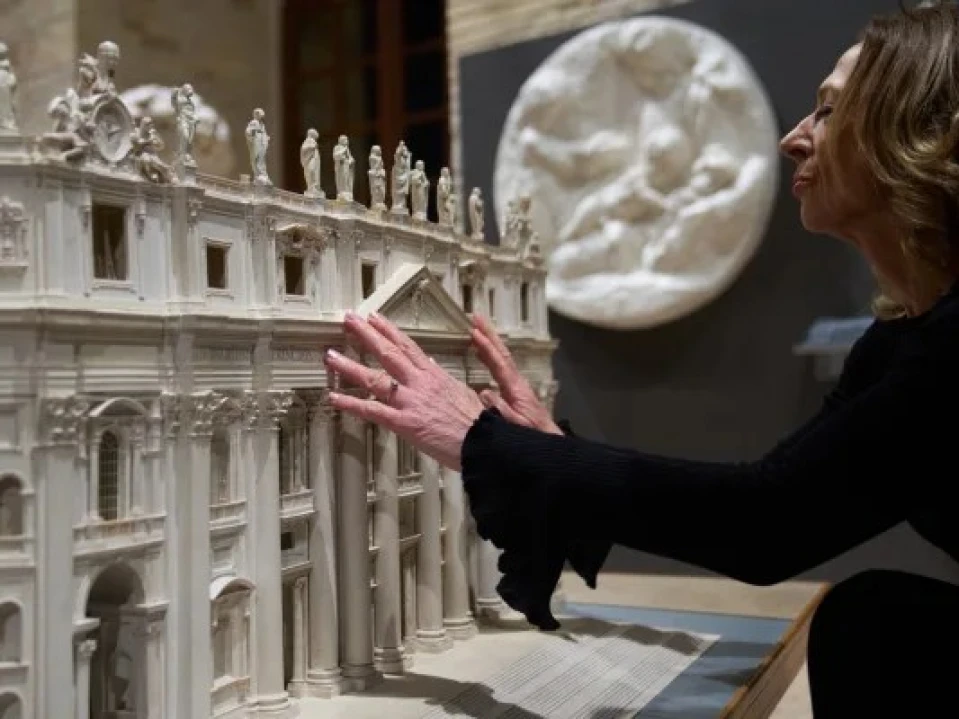
One of the strategies gaining traction is the use of tactile models that allow visitors to feel the shape and form of sculptures, buildings, and even paintings. In some exhibitions, detailed 3D-printed replicas of famous works are placed next to the originals so that a person who cannot see can explore contours and textures with their hands.