Imagine if the artistic heritage was a sports discipline, or if it was as measurable as the economic dynamics are. Italy would have a primacy that neither sport nor the economy have ever seen, something that justifies the definition of "cultural superpower".
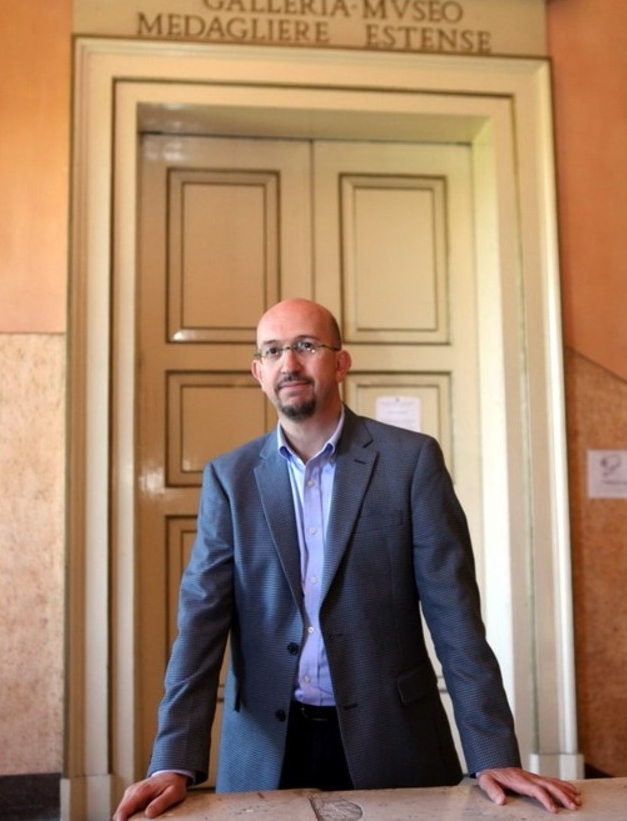
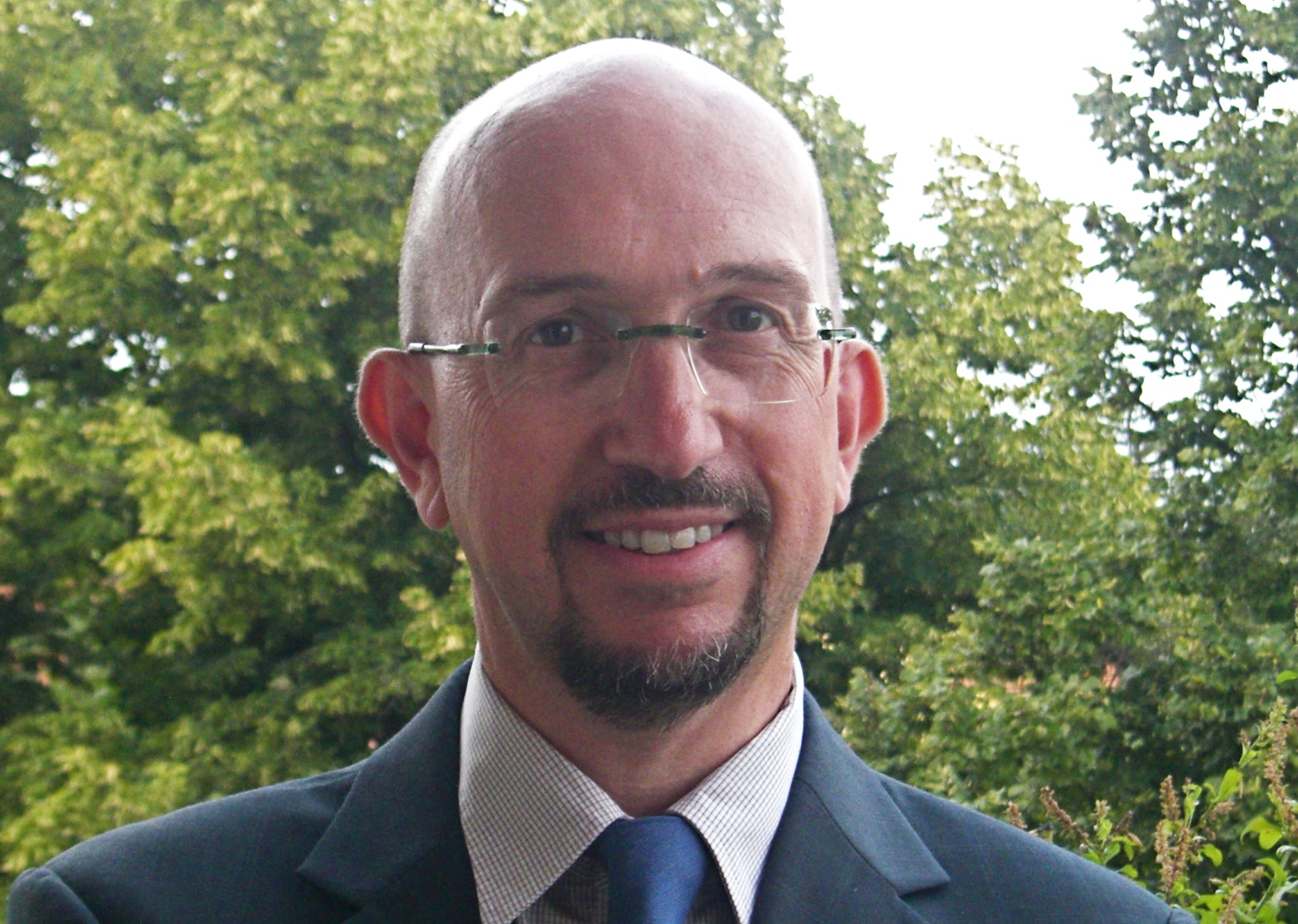
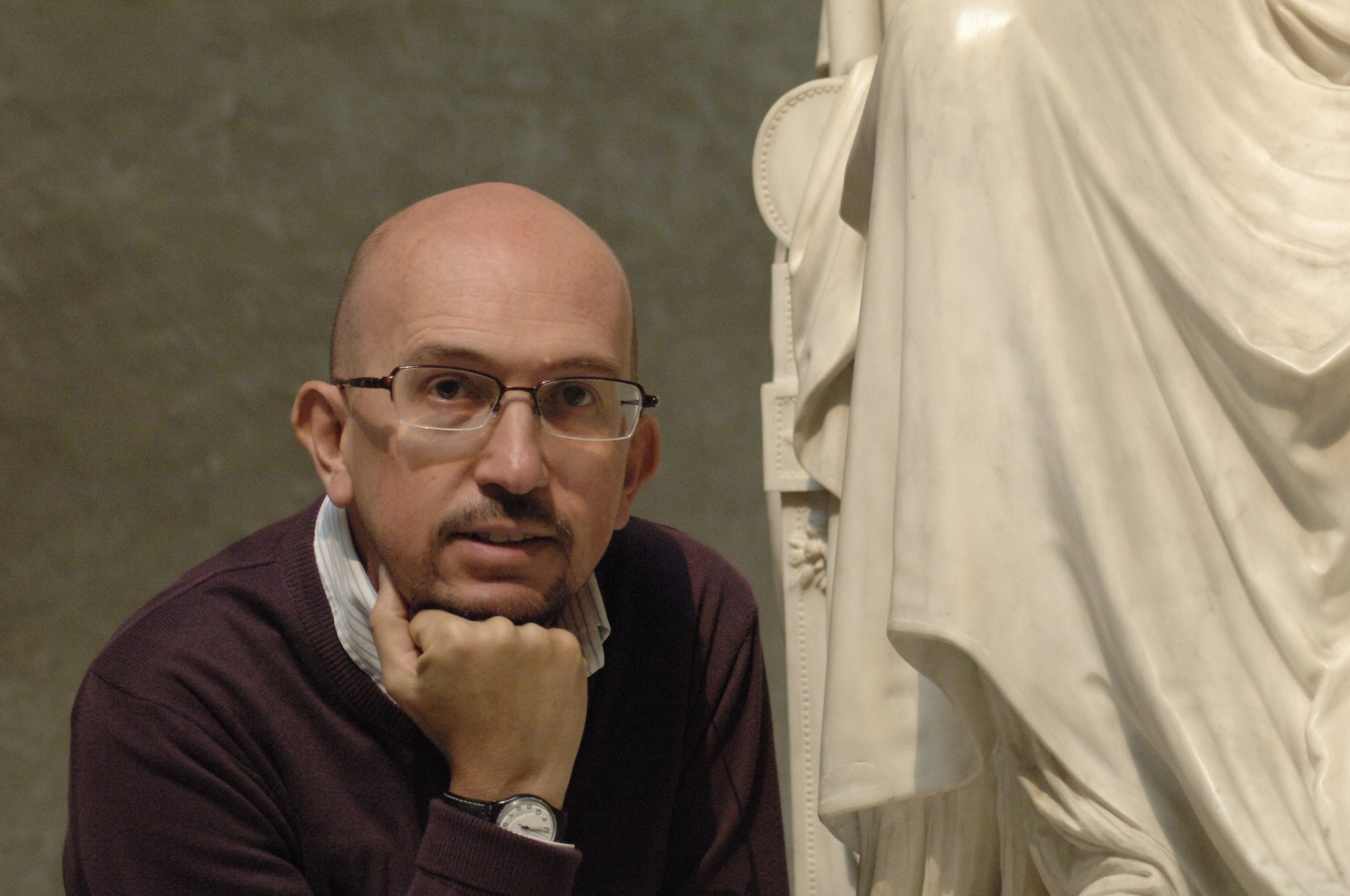
This overpower is also a huge responsibility. Those who take care of it professionally know this well, and they represent another of our excellence today. Some of these great Italians have been called into important roles in some of the most important American cultural institutions. One of these, a friend of We the Italians, is Davide Gasparotto, to whom we ask to tell us something about the relationship between Italy and the United States from an art point of view.
Davide, after a long experience in the Italian Superintendencies, in Parma, Piacenza and Modena, almost three years ago you were appointed Senior Curator of Paintings at the J. Paul Getty Museum in Los Angeles. How is this California experience?
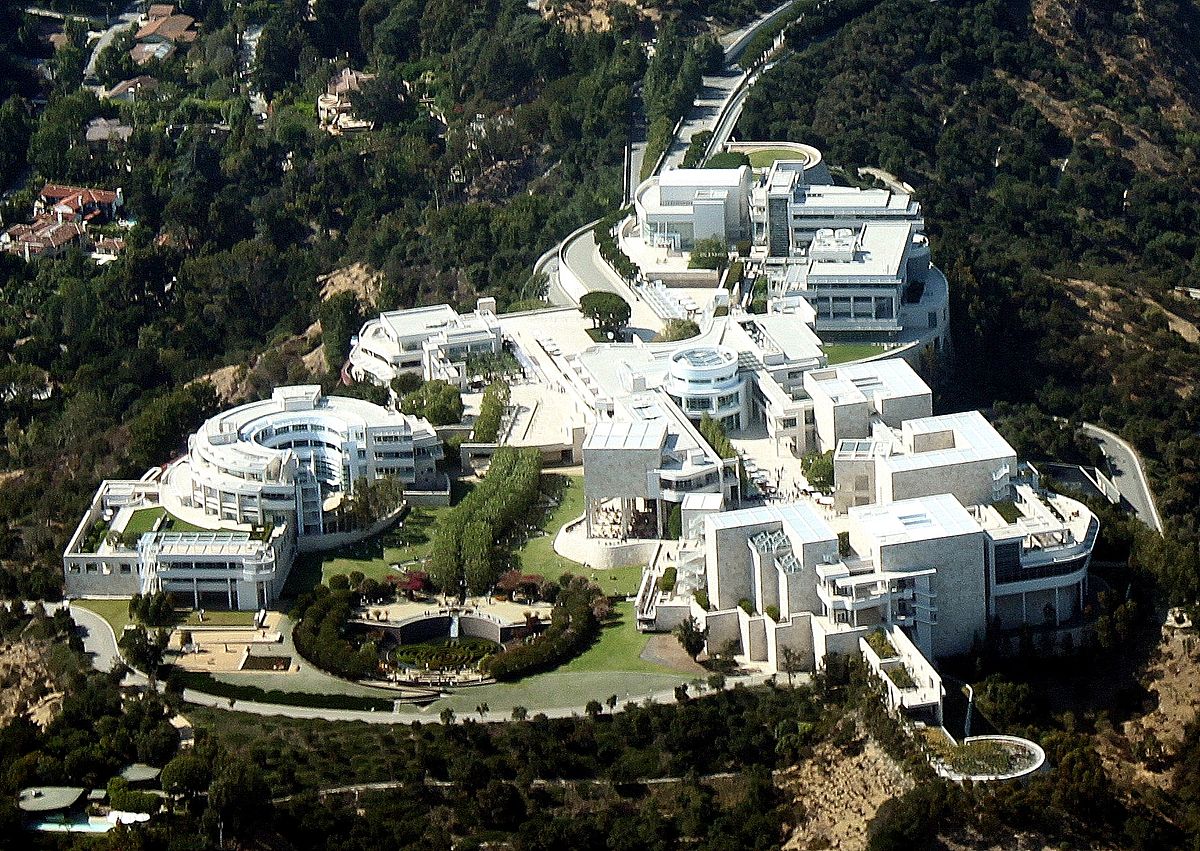
It is an extraordinarily rich and interesting experience that has brought me in contact with a reality that is in many aspects very different from those I worked in before. Getty is not just a museum, it's like a big university campus, where beside the museum several institutions coexist - the Research Institute, the Conservation Institute, the Getty Foundation - and this helps create an atmosphere of great intellectual stimulation, as well as attracting a large international scientific community.
We can then count on exceptional economic resources (the endownment at this time is around 6.2 billion dollars) for an American museum ... I cannot say that here we can do everything, but we can really do much, assisted by specialists in numerous areas (restorers, librarians, computer scientists, craftsmen, communicators and fundraising staff).
What differences did you find in your work between Italy and the United States?
Well, the first is that in America there is not that urban and monumental "context" that surrounds the museum in Italy, so the museum is a "microcosm", everything revolves around it.
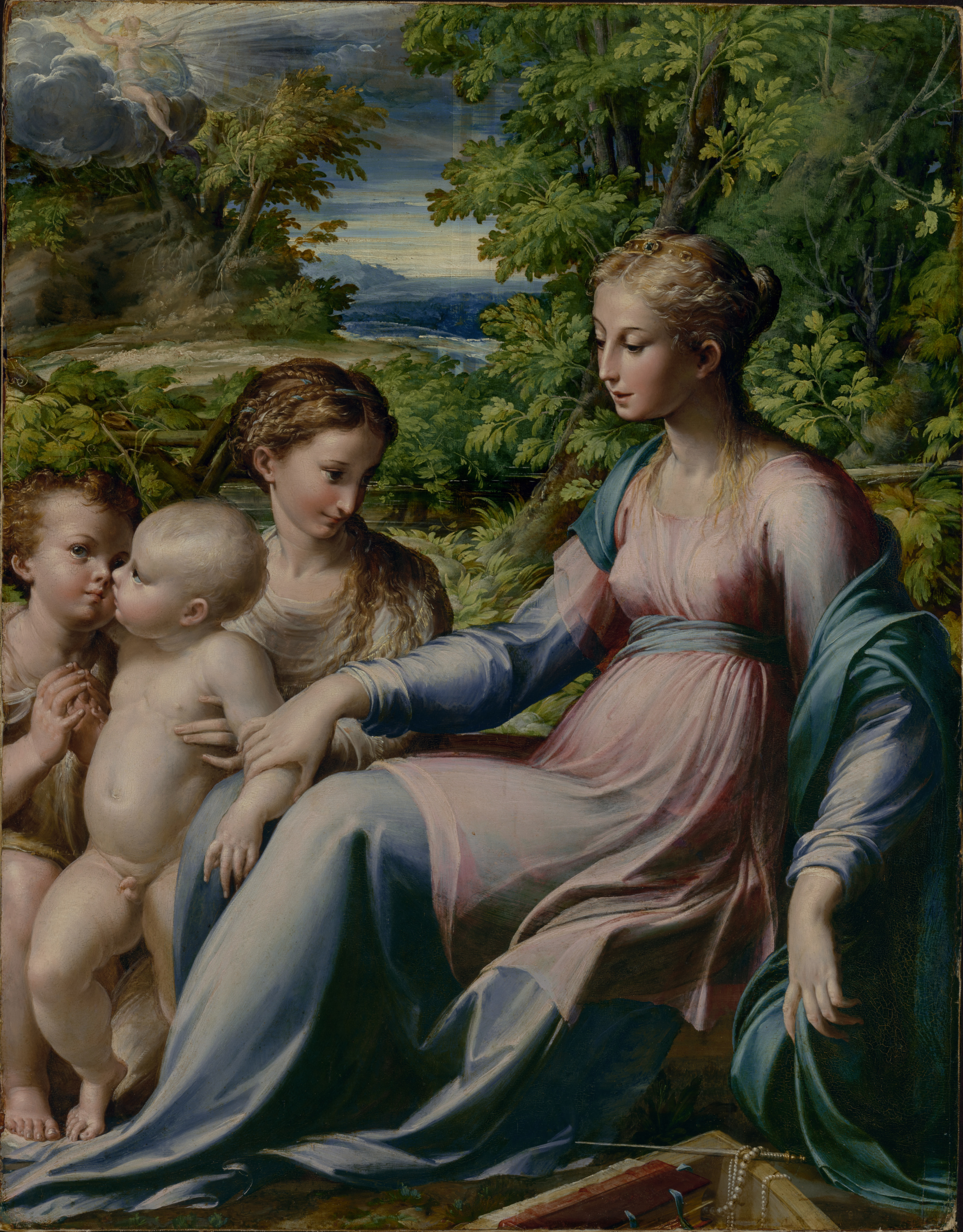
A part of the job is the same: curating the collection (in my case just over 400 paintings), promoting study and research on artworks, arranging their outfitting, and organizing exhibitions. The newest and most exciting aspect for me is undoubtedly represented by the acquisitions: the collection here is in constant growth and the ambition is to create a collection that represents - at the highest level of quality - the development of European art from the Middle Ages to the threshold of the twentieth century avant-garde. Since I've been here, from December 2014, we bought four very important paintings, two Italians and two French: the extraordinary Danae by Orazio Gentileschi (ca. 1621-23), the Portrait of the sculptor Philippe Laurent Roland by François-André Vincent (1797), the masterpiece of Jean Antoine Watteau La Surprise (ca. 1718-19), and finally the superb Madonna and Child with Santi Giovanni Battista and Mary Magdalene by Parmigianino (ca. 1535-40). I am particularly proud of this last acquisition. Considering the long years I spent in Parma, the painting represents to me a symbol of my passage from Italy to the United States, but also the continuity with my past.
Maybe the bigger difference compared to my Italian experience is that I really am a "full time" curator here: I still have to deal with practical or sometimes bureaucratic aspects, but they are all pertinent to my work as curator. Getty is a big "machine", there are so many gears and so many meetings, but it's a very oiled machine and everything runs on well-defined tracks. Unlike Italy, there is a lot of teamwork here, the roles are very clear and the hierarchy is equally precise. The institution invests heavily in staff (outsourcing is very limited and virtually reduced to catering) and training.
Then, of course, the involvement of the private sector is sought. In my case, the painting department that I lead is supported by a Council (comparable to our Museum Friends), a group of about thirty individuals, including many collectors, which mainly supports conservation projects that we do in collaboration with other museums who cannot bear the costs of a restoration, or have no restorers in their staff. The relationship is solved in a mutual benefit: the museum can have a completely restored painting, and for a time we can exhibit in our galleries a masterpiece from another collection. Sometimes, as a result of technical investigations that are always carried out, there are also exhibition projects around the paintings we restore, as in the recent case of a small but precious exhibition dedicated to Giovanni Di Paolo, an extraordinary painter of the fifteenth century from Siena. At the inauguration we had the honor to have our Ambassador Armando Varricchio as guest, who promised to return this year for the inauguration of the exhibition dedicated to Giovanni Bellini.
The relationship with private individuals, which is often superficially debated in the Italian press, is based here on a mutual benefit: the museum receives financial support and the private gets (consistent) tax deductions. There are no other forms of "publicity" for the private, even if it is a business. It must be said that philanthropy has a deep ethical reason in this country: here if you have become rich and successful, it is a duty to "give back" to society a part of your wealth, in the form of donations to cultural institutions, research, hospitals, etc ...
Then there is the relationship with private collectors and even in this case there is often a mutually beneficial relationship. Maintaining relations with collectors, even helping them with our expertise, we are aware of important works that could one day be available on the market, or they could be the subject of a donation, or they can temporarily be shown in our galleries, which are thus enriched with important "guests" together with the paintings of our collection.
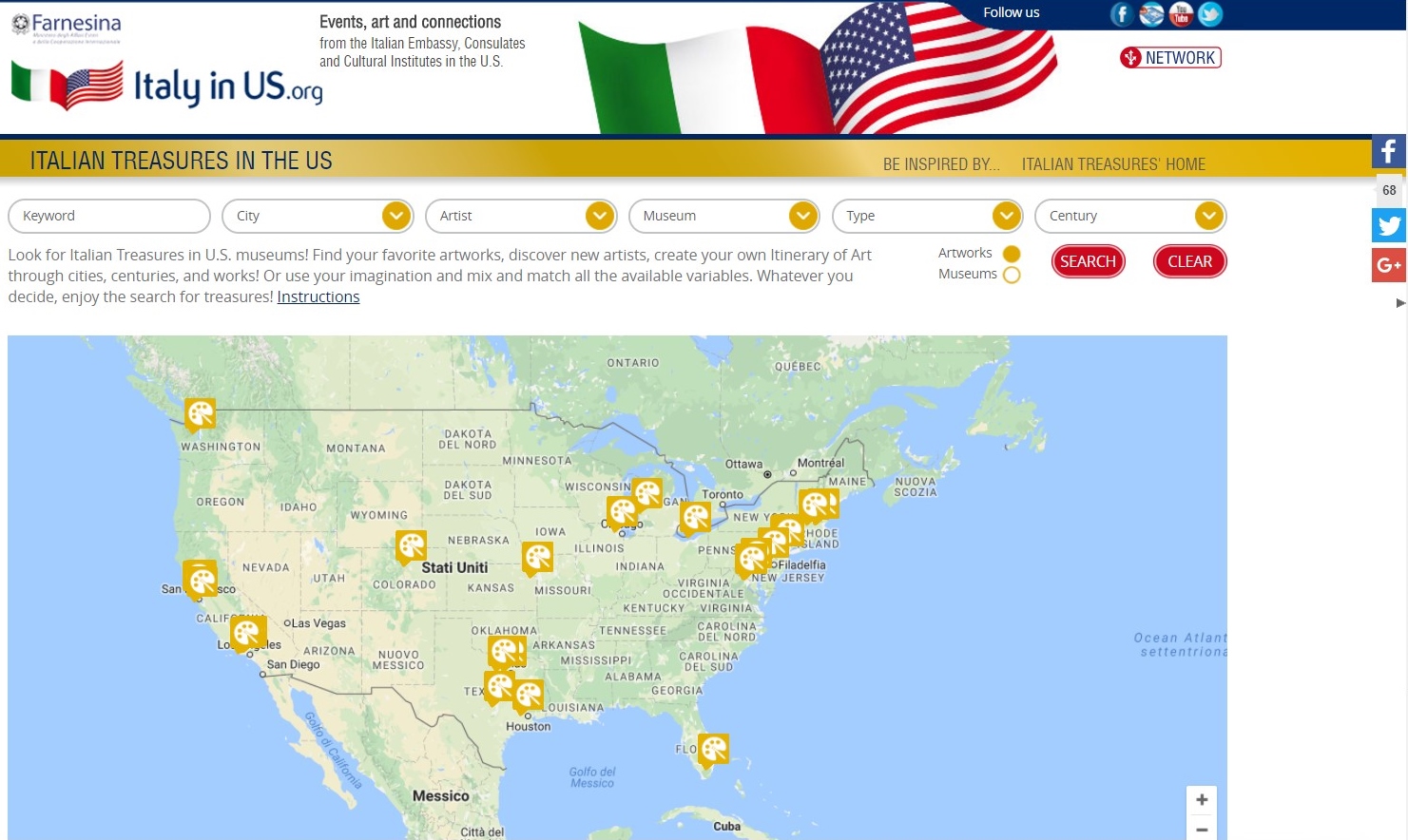
Recently the website US in Italy, managed by the Italian Embassy in Washington, has gone live with a page dedicated to Italian art in the United States, very well made, which lists and geolocalizes hundreds of Italian artworks in 39 museums active in 26 American cities. What can Italy do to further enhance its art in America?
The Embassy's initiative is unquestionably praiseworthy and shows the incredible richness of Italian artwork in the American museums, even in the lesser-known ones. After all, if you just pick up the Census of Pre-Nineteenth-Century Italian Paintings in North-American Collections by Burton Fredericksen (the first curator of Italian painting at the Getty!) and Federico Zeri (1972), or browse the web site of Kress Foundation, which has placed many Italian Renaissance paintings of its own in many small museums scattered throughout the United States, you can reach out to the depth of the presence of Italian works in American museums.
Italy is generally already a very generous lender to many Italian art exhibitions that are organized here in the United States. What I would like to do is to go beyond the concentration on the usual big names - Leonardo, Michelangelo, Raffaello, Caravaggio – by showing the richness and variety of our country, the small wonderful cities of the Italian province, their extraordinary and sometimes neglected artistic traditions. I would love to see more exhibitions and initiatives involving artists or periods of our less known and popular history, which can then be a stimulus to travel to parts of Italy that are not the congested Rome, Florence and Venice. I talked to so many Americans surprised and enchanted by Palermo, Naples, Emilian cities such as Bologna, Modena, Parma; by Turin and the Venetian cities - Verona, Vicenza, Padua - or by entire regions such as Marche and Umbria.
Here at Getty I would like to organize an exhibition on the Italian art of the nineteenth century, which has been widely researched and rediscovered in Italy for the last thirty years, but which is still very little known in America. We recently bought a wonderful and great pastel by Giovanni Segantini ... who knows, this could be the seed for a future project.
What are the three most important Italian artworks permanently exhibited in the United States, according to you?
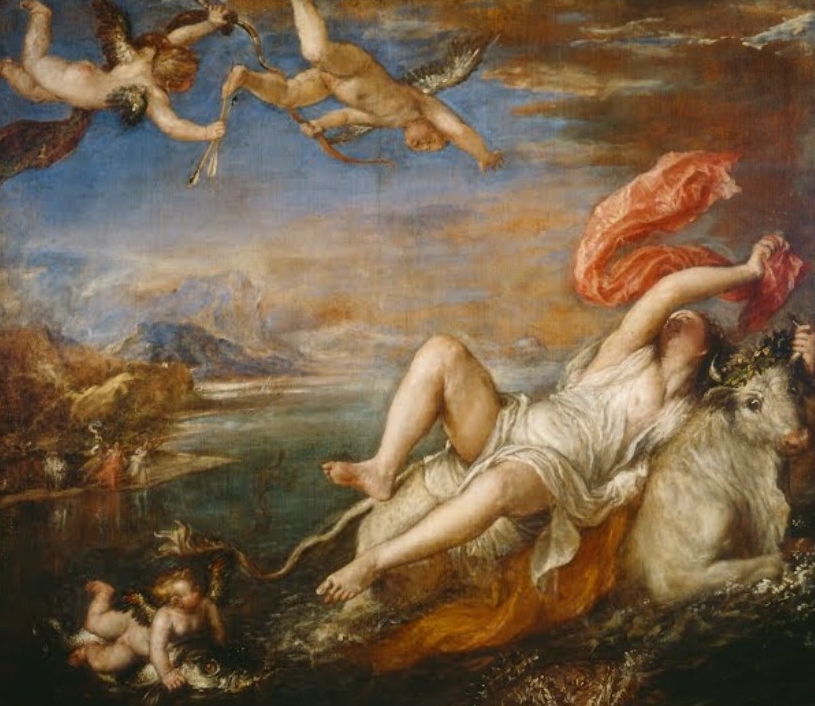
There are really many of them, and it's really very difficult to narrow the choice to only three works. I would say that for me there are at least five: the San Francis in the Desert by Giovanni Bellini at the Frick Collection in New York; the Rape of Europa by Titian, at the Isabella Stewart Gardner in Boston; the Ginevra de 'Benci by Leonardo da Vinci and Alba Madonna by Raphael at the National Gallery of Art in Washington; and finally the San Giovanni Battista by Caravaggio at the Nelson Atkins Museum of Art in Kansas City.
And if we ask you about a little known artwork, something not that famous but that in your opinion one should definitely not miss?
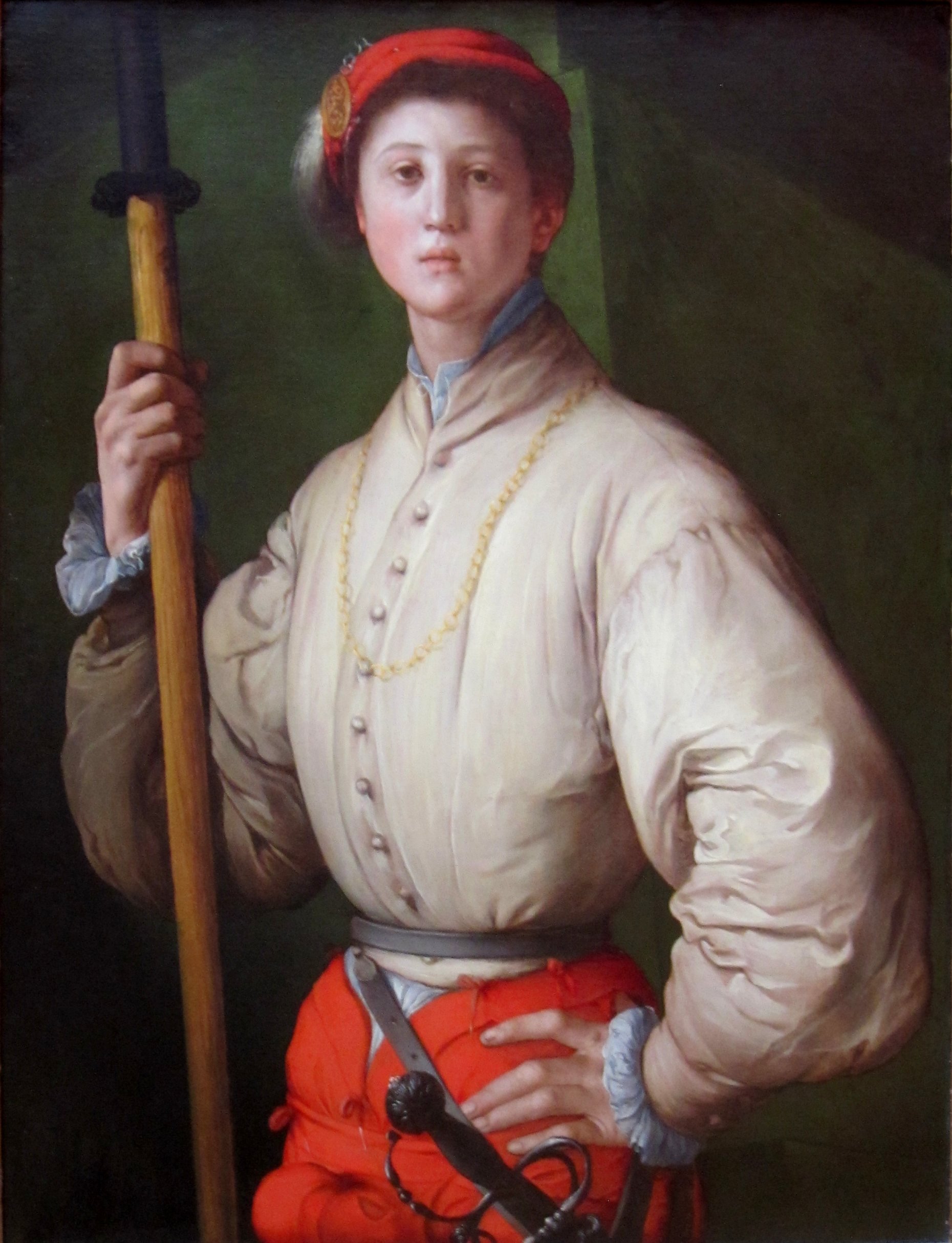
My heart picture is undoubtedly the Flight into Egypt by Jacopo Bassano at the Norton Simon Museum in Pasadena. It is not only a masterpiece of great poetry, but it is also the work of the great Venetian painter who comes from the same city I was born and spent my childhood and adolescence in. But even here at the Getty there's a painting that is no doubt in my personal top ten, Pontormo's Alabardiere, one of the most intense portraits of the Italian Sixteenth century.
Do you think it is possible to involve in this the numerous associations of Italian Americans scattered all over America, often the first ambassadors of our country, who almost always place our art first when asked why they are proud of being Italians?
I would say that all the American museums that work in the field of Italian art have relationships first and foremost with our Institutes of Culture, which often are a point of aggregation of the Italian communities scattered in American cities. At least this happens here in Los Angeles. It is to be said that here in the States there are not only many Americans of Italian origin, but there are also many Italians - like me - who have recently moved for work reasons, and therefore our presence in this country is really very consistent.
Put aside for a moment the budget differences, sometimes very strong, what can we learn here in Italy from how America works in the art offer?
I would say that the most important thing in the United States is that the visitor's experience is always at the center: the museum must be a welcoming place, the visitor must not perceive a sense of inferiority (and therefore feel rejected) but feel comfortable. For this reason, just to give an example, we take so much care when we prepare the label for a given painting. Here, in fact, the essential information on a work - author, title, and execution technique - is always accompanied by a short text (about 100 words) where we try to explain, in plain words, what you see, the characteristics of the style, a detail of the iconography, an important information on the origin or the original placement of the painting. It may seem trivial, but it is very important and it is one of the main tasks of our curators, and it is not always easy to condense specialist knowledge in a short text that is understandable to everyone. That's why it's important to have highly specialized staff who know very well how to do the job. Here, staff - even the one from our large "education" department - is all internal, and not even for exhibitions we rely on those agencies of events and exhibitions that have overwhelmingly proliferated in Italy in recent decades, looking more at profit than at the scientific and educational value of the event. "Research" and "Education" here are and remain firmly at the center of the "Mission" of the museum.
Is there any help on this matter, according to you, coming from the recent announcement that - besides the bureaucratic problems encountered - has nominated non-Italian personalities to guide some important Italian museums and art sites?
There is no doubt that museum management in Italy needs a profound renewal, but I do not think that the focus point is represented by the presence or absence of foreigners in the direction of museums, a fact that normally happens here both in the US and in other European countries. The road chosen in Italy was that of divorce between museum management and protection of the territory, which remained in the hands of the Superintendencies. I do not think this is necessarily a negative thing, since the management (and valorisation) of a museum requires specific resources, commitment and professionalism that sometimes are distinct from those required working in a Superintendency.
The major problem of this reform is, in my opinion, that it divided the management of the artistic heritage into three large blocks: the new "independent" museums, the "small" museums now dependent on the new regional directorates, and the rest of the heritage spread all across the territory.
Independence, then, is always a relative concept; it is certainly not the total administrative and managerial independence of the American museums, since the umbilical cord with the Ministry (and politics) is always very strong. In a crucial sector like the one regarding their staff, to make just one example, the new directors in Italy are naturally not free to make their own choices as they do here.
Apart from the figures of the new directors, this enormous overturn has been practically done at no cost, and now all structures are in great distress because of the shortage of staff (indeed, most "new" offices are forced to share staff and officials, with issues that I can only imagine). Unfortunately, within the Ministry, a disparate trade union policy has favored the so-called "area passages" or "internal upgrades", with the odd outcome of preventing the entry of new technical staff and greatly lowering the professional level of officials. I do not know if the contest that has just come to an end, which involves the hiring of 500 new officials (architects, art historians, archaeologists), will be able to heal such a disastrous situation.
Beyond the facade of optimism propagated by Minister Franceschini, the problems to be faced are still enormous. I know several new directors (I am also part of the Scientific Committee of the Bargello Museum in Florence) and know that they are working very much, with energy and optimism. But they are generals leading armies without troops (and curators are not the only ones missing, but also restorers, administrative figures, registrars, computer scientists, communication officers).
So it is also for the new regional museum directors, who are the real "cinderellas" of this reform. I think that the case of Florence is emblematic: before, the collections of the most visited museums (Uffizi and Pitti, Academy) helped to support the "minor" sites, such as the Medici Villas, the Cenacles, etc. Now, suddenly deprived of this support (since Uffizi and Academy are "independent" and hold it all by themselves), the managements of these "minor" museums are in serious difficulties and are not gratified by the funding reserved for the new "independent" museums.
Old Superintendencies are dominated by architects, as many officials (especially art historians) preferred the safe harbor of the great museums, the flagship of the Franceschini Reform. The serious situation of territorial protection, which for me was a very important training gym in the past years between Parma and Piacenza, has been dramatically represented by the shortcomings and delays in the recent earthquake in Lazio and in the Marche and Umbria. Unfortunately, restoration and ordinary protection do not make news as much as the Uffizi, Pompei, the Colosseum.
I believe that museums are very important, and that it is important to manage them in the best way, but the wealth of a country like ours is not only in museums. It lies mainly in that extraordinary continuum of our heritage, the inextricable unity between landscape, the artistic heritage spread out in the territory, museum emergencies and even folk traditions and food and wine. Here in America this does not exist, and that's what the whole world envies us.
You are not the only Italian to play a major role in an important American Art Museum. What is the perception that America has of us Italians from this point of view?
It is a question I find difficult to answer, but I basically believe that it is not so much a matter of nationality. Here, if you do your job well, professionally, seriously, and - why not - with passion, you are well esteemed, you get recognition and support, first of all by your superiors. At least this is my experience here to this day.
Immaginate se il patrimonio artistico fosse una disciplina sportiva, o se fosse misurabile come lo sono le dinamiche economiche. L'Italia avrebbe un primato che né lo sport né l'economia hanno mai visto, qualcosa che giustifica la definizione di "superpotenza culturale".
Questo strapotere è anche una enorme responsabilità. Lo sanno bene coloro che se ne occupano professionalmente, e rappresentano un'altra nostra eccellenza, dei giorni nostri. Alcuni di questi grandi italiani sono stati chiamati in ruoli di grande importanza in alcune delle più rilevanti istituzioni culturali americane. Uno di questi, un amico di We the Italians, è Davide Gasparotto, al quale chiediamo di raccontarci qualcosa sul rapporto tra Italia e Stati Uniti dal punto di vista dell'arte.
Davide, dopo una lunga esperienza nelle Soprintendenze italiane, in particolare a Parma, Piacenza e Modena, quasi tre anni fa sei stato nominato Senior Curator of Paintings del J. Paul Getty Museum di Los Angeles. Com'è questa esperienza in California?
E’ un’esperienza straordinariamente ricca ed interessante, che mi ha portato a contatto con una realtà per numerosi aspetti molto diversa da quelle in cui ho lavorato in precedenza. Il Getty non è solo un museo, è come un grande campus universitario, dove accanto al museo convivono diverse istituzioni – il Research Institute, il Conservation Institute, la Getty Foundation – e questo contribuisce a creare un’atmosfera di grande stimolo intellettuale, oltre ad attrarre una vasta comunità scientifica internazionale.
Possiamo poi contare su risorse economiche eccezionali (l’endownment in questo momento è calcolato in circa 6.2 bilioni di dollari) anche per un museo americano … non dico che qui si può fare tutto, però si può davvero fare molto, assistiti da personale specializzato in numerosi settori (restauratori, bibliotecari, informatici, movimentatori di opere d’arte, personale destinato alla comunicazione e al fundraising).
Che differenze hai trovato, nel tuo lavoro, tra Italia e Stati Uniti?
Beh, la prima è che qui manca il “contesto” urbano e monumentale che da noi in Italia circonda il museo, e dunque il museo è un “microcosmo”, tutto ruota attorno ad esso.
Per il resto una parte del lavoro è la medesima: curare la collezione (nel mio caso poco più di 400 dipinti), promuovere lo studio e la ricerca sulle opere, occuparsi del loro allestimento, organizzare mostre. L’aspetto più nuovo ed eccitante per me è senz’altro rappresentato dalle acquisizioni: la collezione qui infatti è in costante crescita e l’ambizione è quella di creare una raccolta che rappresenti – al massimo livello di qualità – lo sviluppo dell’arte europea dal Medioevo fino alla soglia delle avanguardie novecentesche. Da quando sono qui (dicembre 2014) abbiamo acquistato quattro dipinti molto importanti, due italiani e due francesi: la straordinaria Danae di Orazio Gentileschi (ca. 1621-23), il Ritratto dello scultore Philippe Laurent Roland di François-André Vincent (1797), un capolavoro di Jean Antoine Watteau, La Surprise (ca. 1718-19), e infine la superba Madonna col Bambino e i Santi Giovanni Battista e Maddalena di Parmigianino (ca. 1535-40). Di quest’ultima acquisizione sono particolarmente orgoglioso: considerando i lunghi anni spesi a Parma il dipinto rappresenta per me un simbolo del passaggio dall’Italia agli Stati Uniti, ma anche la continuità col mio passato.
La differenza forse più grande rispetto alla mia esperienza italiana è che qui faccio davvero il curatore “full time”: non è che non mi debba occupare di aspetti pratici o talvolta burocratici, ma essi sono tutti inerenti al mio lavoro di curatore. Il Getty è una grande macchina, ci sono tanti ingranaggi e tante riunioni, ma è una macchina molto oliata e tutto scorre su binari molto definiti. A differenza dell’Italia, qui si gioca molto di squadra, i ruoli sono molto chiari e la gerarchia altrettanto precisa. L’istituzione investe molto nel personale (le esternalizzazioni sono pochissime e si riducono praticamente al servizio di ristorazione) e nella sua formazione.
Poi, naturalmente, si ricerca il coinvolgimento dei privati. Nel mio caso, il dipartimento di pittura che dirigo è sostenuto da un Council (paragonabile ai nostri amici dei musei), un gruppo di circa trenta individui, fra i quali numerosi collezionisti, che supporta principalmente progetti di conservazione che svolgiamo in collaborazione con altri musei che non possono sostenere i costi di un restauro, oppure non hanno restauratori interni. Il rapporto si risolve in un mutuo beneficio: il museo può disporre di un dipinto restaurato del tutto gratuitamente, e noi per un certo periodo possiamo esporre nelle nostre gallerie un capolavoro proveniente da un’altra collezione. A volte, a seguito delle indagini tecniche che sempre vengono eseguite, nascono anche dei progetti di mostra intorno ai dipinti che restauriamo, come nel caso recente di una piccola ma preziosa mostra dedicata a Giovanni di Paolo, uno straordinario pittore senese del Quattrocento. In occasione dell’inaugurazione, abbiamo anche avuto l’onore di avere come ospite il nostro Ambasciatore, Armando Varricchio, che mi ha promesso di tornare quest’anno per l’inaugurazione della mostra dedicata a Giovanni Bellini.
Il rapporto con i privati, spesso discusso superficialmente nella nostra stampa nazionale, si basa su un mutuo beneficio: nel caso di denaro, il museo ottiene sostegno finanziario e il privato ottiene delle (consistenti) deduzioni fiscali. Non esistono qui altre forme di “pubblicità” per il privato, anche se si tratta di un’azienda. Va detto che la filantropia ha in questo paese una sua profonda ragione etica: qui se hai avuto successo nella vita e ti sei arricchito, è considerato un dovere “restituire” alla società una parte della tua ricchezza, nella forma di donazioni ad istituzioni culturali, di ricerca, ospedali, etc…
C’è poi il rapporto con i collezionisti privati e anche qui si tratta spesso di una relazione di mutuo beneficio: intrattenendo rapporti con i collezionisti, anche aiutandoli con la nostra expertise, noi siamo al corrente di opere importanti che un giorno potrebbero essere disponibili sul mercato, oppure potrebbero costituire l’oggetto di una donazione, oppure che possono venire temporaneamente depositate nelle nostre gallerie, che si arricchiscono così di “ospiti” importanti, in dialogo con i dipinti della nostra collezione.
Recentemente il sito Italy in US, gestito dall'Ambasciata Italiana a Washington, ha messo online una pagina dedicata all'arte italiana negli Stati Uniti, molto ben fatta, che elenca e geolocalizza centinaia di opere d'arte italiane in 39 musei attivi in 26 città americane. Cosa può fare l'Italia per valorizzare ancora di più in America la propria arte?
L’iniziativa dell’Ambasciata è senza dubbio lodevole e testimonia l’incredibile ricchezza di opere d’arte italiana nei musei americani, anche in quelli meno noti e più defilati. Del resto, basta prendere in mano il Census of Pre-Nineteenth-Century Italian Paintings in North-American Collections di Burton Fredericksen (il primo curatore della pittura italiana al Getty!) e di Federico Zeri (1972), oppure frequentare il sito web della Fondazione Kress, che ha collocato moltissimi dipinti italiani del Rinascimento di sua proprietà in tantissimi piccoli musei sparsi per tutti gli Stati Uniti, per toccare con mano quanta vasta e profonda sia la presenza di opere italiane nei musei americani.
L’Italia in genere è già un prestatore molto generoso alle tante mostre di arte italiana che si organizzano qui negli Stati Uniti. Quello che mi piacerebbe avvenisse è non solo la concentrazione sui soliti grandi nomi – Leonardo, Michelangelo, Raffaello, Caravaggio – ma che si puntasse di più a far conoscere la ricchezza e la varietà del nostro paese, le piccole meravigliose città della provincia italiana, con le loro straordinarie e talvolta neglette tradizioni artistiche. A me piacerebbe vedere più mostre e iniziative che coinvolgano artisti o periodi della nostra storia meno noti e frequentati, che possano poi essere uno stimolo per viaggiare in parti d’Italia che non siano le intasatissime Roma, Firenze, Venezia. Ho parlato con tanti americani sorpresi ed incantati da Palermo, da Napoli, dalle città emiliane come Bologna, Modena, Parma; da Torino, dalle città venete - Verona, Vicenza, Padova - oppure da intere regioni come le Marche e l’Umbria.
Qui al Getty mi piacerebbe un giorno organizzare una mostra sull’arte italiana dell’Ottocento, che in Italia in questi ultimi trent’anni è stata ampiamente studiata e riscoperta, ma che in America si conosce ancora pochissimo. Recentemente abbiamo acquistato un meraviglioso e grande pastello di Giovanni Segantini … chissà che questo non possa essere il seme per un progetto futuro.
Quali sono a tuo avviso le tre più importanti opere d'arte italiane visitabili permanentemente negli Stati Uniti?
Ce ne sono davvero moltissime, ed è davvero molto difficile restringere la scelta a sole tre opere. Direi che per me ce ne sono almeno cinque: il San Francesco nel deserto di Giovanni Bellini alla Frick Collection di New York, il Ratto di Europa di Tiziano all’Isabella Stewart Gardner di Boston, la Ginevra de’ Benci di Leonardo da Vinci e la Madonna Alba di Raffaello alla National Gallery of Art di Washington, e infine il San Giovanni Battista di Caravaggio al Nelson Atkins Museum of Art di Kansas City.
E se invece ti chiedessimo una chicca meno conosciuta ma a tuo avviso assolutamente da non perdere?
Il mio quadro del cuore è senza dubbio la Fuga in Egitto di Jacopo Bassano al Norton Simon Museum di Pasadena. Non è solo un capolavoro di grande poesia ma è opera del grande pittore veneto che proviene dalla stessa città in cui sono nato e ho trascorso la mia infanzia e adolescenza. Ma anche qui al Getty c’è un dipinto che è senza dubbio nella mia personale top ten, l’Alabardiere del Pontormo, uno dei più intensi ritratti del Cinquecento italiano.
Pensi sia possibile coinvolgere in questo anche le tantissime associazioni di italoamericani sparse per tutta l'America, spesso i primi ambasciatori del nostro Paese, che tra le cose di cui vanno orgogliosi mettono quasi sempre al primo posto la nostra arte?
Direi che tutti i musei americani che si muovono nel settore dell’arte italiana intrattengono rapporti prima di tutto con i nostri Istituti di Cultura, che spesso sono un punto di aggregazione delle comunità italiane sparse nelle città americane. Per lo meno così accade qui a Los Angeles. C’è da dire che qui negli States non ci sono solo molti americani di origine italiana, ma ci sono anche moltissimi italiani – come me – che si sono recentemente spostati per ragioni di lavoro, e dunque la nostra presenza in questo paese è davvero molto consistente.
Ferme restando le differenze di budget, a volte molto forti, cosa possiamo imparare qui in Italia da come l'America opera nella diffusione, nella promozione e più in generale nell'offerta di arte?
Direi che la cosa fondamentale negli Stati Uniti è che l’esperienza del visitatore è sempre al centro: il museo deve essere un luogo accogliente, il visitatore non deve percepire un senso di inferiorità (e dunque sentirsi respinto) ma sentirsi a suo agio. Per questo, solo per fare un esempio, mettiamo tanta cura quando prepariamo il cartellino di un determinato dipinto. Qui, infatti, l’informazione essenziale su un’opera – autore, titolo, tecnica di esecuzione – è sempre accompagnata da un breve testo (di circa 100 parole) che cerchi di spiegare, con parole semplici, quello che si vede, le caratteristiche dello stile, un particolare dell’iconografia, un’informazione importante sulla provenienza o sulla collocazione originaria. Può sembrare banale, ma è molto importante ed è uno dei compiti principali di noi curatori, e non è sempre facile condensare un sapere specialistico in un testo breve che sia comprensibile a tutti. Per questo è così importante disporre di personale altamente specializzato, che conosca bene il “mestiere”. Qui il personale - anche quello del nostro grande dipartimento di “education” - è tutto interno, e neppure per le mostre ci affidiamo a quelle agenzie di organizzazione di eventi e mostre che negli ultimi decenni hanno sciaguratamente proliferato in Italia, guardando più al profitto che al valore scientifico ed educativo dell’evento. “Research” and “education” qui sono e restano fermamente al centro della “mission” del museo.
Può aiutare il recente bando che - al di là dei problemi burocratici incontrati - ha visto nominare personalità non italiane alla guida di alcuni importanti musei e siti d'arte italiani?
Non c’è dubbio che in Italia nella gestione dei musei ci fosse bisogno di un profondo rinnovamento e il punto non credo sia rappresentato dalla presenza o meno di stranieri nella direzione dei musei, un fatto che avviene normalmente sia qui negli Stati Uniti sia in altri paesi d’Europa. La strada scelta in Italia è stata quella del divorzio fra gestione museale e tutela del territorio, che è rimasta in capo alle Soprintendenze. Non credo che questo sia necessariamente un fatto negativo, dal momento che la gestione (e valorizzazione) di un museo richiede risorse, impegno e professionalità specifiche che talvolta sono distinte da quelle di chi lavora in una Soprintendenza.
Il problema maggiore di questa riforma, a mio avviso, è che ha suddiviso la gestione del patrimonio artistico in tre grandi blocchi: i nuovi musei “indipendenti”, i “piccoli” musei che ora dipendono dalle nuove direzioni regionali, e il resto del patrimonio diffuso sul territorio.
L’indipendenza, poi, è sempre un concetto relativo, non è certo la totale indipendenza amministrativa e gestionale dei musei americani, dal momento che il cordone ombelicale col Ministero (e con la politica) è sempre molto forte. In un settore cruciale come quello del personale, per fare un solo esempio, i nuovi direttori in Italia non sono naturalmente liberi di fare le loro scelte come avviene qui.
A parte le figure dei nuovi direttori, questo enorme stravolgimento è stato realizzato praticamente a costo zero, e ora tutte le strutture si trovano in grande sofferenza a causa della carenza di personale (anzi, la maggior parte dei “nuovi” uffici sono costretti a condividere personale e funzionari fra loro, con problematiche che vi lascio solo immaginare). Purtroppo all’interno del Ministero una dissennata politica sindacale ha favorito i cosiddetti “passaggi di area” o “riqualificazioni interne”, con l’esito nefasto di impedire l’immissione di nuovo personale tecnico e di abbassare notevolmente il livello professionale dei funzionari. Non so se il concorso che si è da poco concluso, che prevede l’assunzione di 500 nuovi funzionari (architetti, storici dell’arte, archeologi), riuscirà a sanare una situazione tanto disastrata.
Al di là della facciata di ottimismo propagata dal Ministro, i problemi da affrontare sono ancora enormi: conosco diversi dei nuovi direttori (faccio anche parte del Comitato Scientifico del Museo del Bargello a Firenze) e so che si stanno impegnando moltissimo, con energia e ottimismo. Ma sono come generali a capo di eserciti senza truppe (e non mancano solo i curatori, ma anche restauratori, figure amministrative, registrars, informatici, addetti alla comunicazione).
Così è anche per i nuovi direttori regionali dei musei, che sono le vere cenerentole di questa riforma. Il caso di Firenze mi pare emblematico: prima gli introiti dei musei più visitati (Uffizi e Pitti, Accademia) aiutavano a sostenere anche i siti per così dire “minori”, come le Ville Medicee, i Cenacoli, etc. Ora, improvvisamente privati di questo sostegno (giacché Uffizi e Accademia sono “indipendenti” e tengono tutto per sé), questi musei sono in gravi difficoltà gestionali e non sono gratificati dai finanziamenti riservati ai nuovi musei “indipendenti”.
Le vecchie Soprintendenze sono dominate dagli architetti, dal momento che molti funzionari (soprattutto gli storici dell’arte) hanno preferito il porto sicuro dei grandi musei, fiori all’occhiello della riforma Franceschini. La grave situazione della tutela territoriale, che per me ha rappresentato una palestra importantissima negli anni passati fra Parma e Piacenza, è stata drammaticamente rappresentata dalle carenze e dai ritardi in occasione del recente terremoto in Lazio, Marche e Umbria. Ma purtroppo restauri e tutela ordinaria non fanno notizia quanto gli Uffizi, Pompei, il Colosseo.
Io credo che i musei siano molto importanti, e che sia importante gestirli nel modo migliore; ma la ricchezza di un paese come il nostro non sta solo nei musei, sta soprattutto in quello straordinario continuum del patrimonio, nell’inestricabile unità fra paesaggio, patrimonio artistico diffuso sul territorio, emergenze museali e anche tradizioni popolari ed enogastronomiche. Qui in America questo non esiste, ed è questo che tutto il mondo ci invidia.
Tu non sei l'unico italiano a svolgere un rilevante ruolo in un importante museo d'arte americano. Qual è la percezione che in America si ha di noi italiani da questo punto di vista?
E’ una domanda a cui mi è difficile rispondere, ma sostanzialmente credo che non sia tanto una questione di nazionalità. Qui se fai bene il tuo lavoro, con professionalità, serietà, e - perché no - con passione, ottieni stima, riconoscimento e sostegno, prima di tutto dai tuoi superiori. Per lo meno questa è la mia esperienza qui fino ad oggi.