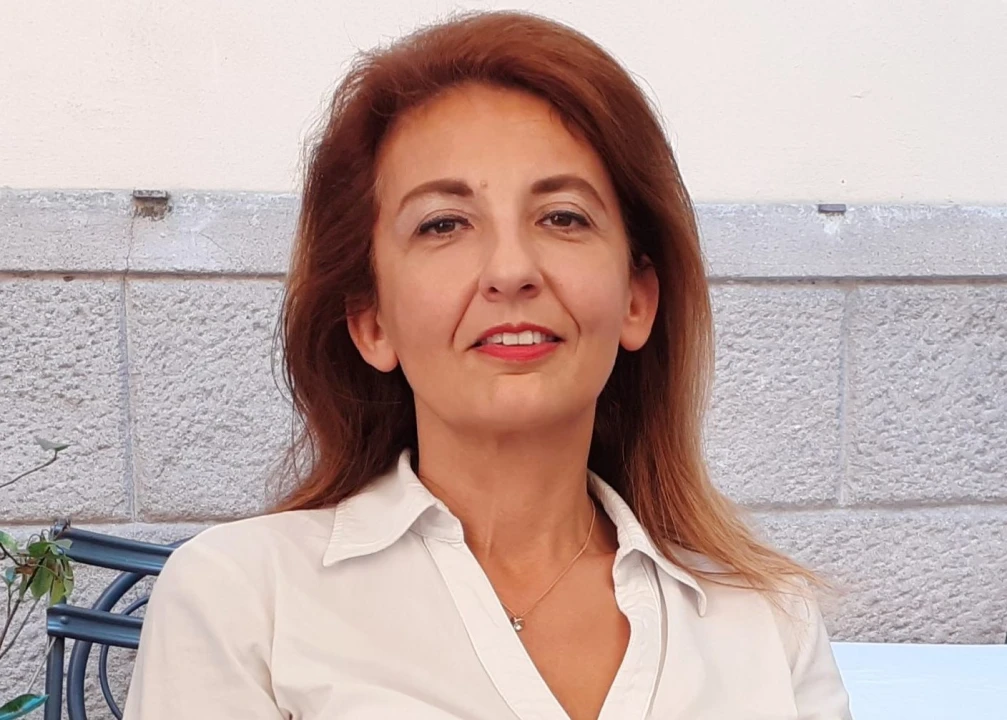
The protagonist of this new interview is one of the most important personalities among those who deal with Italian emigration abroad. Ilaria Del Bianco was President of UNAIE, the National Union of Immigrant and Emigrant Associations. She is a member of the Bureau of the Council of Tuscans Abroad, and President of the "Lucchesi nel mondo" Association.
Her experience is very important and interesting to tell the stories of those who left Italy, and at the same time to describe how the different parts of Italy relate to their descendants abroad. Italy and its diversity, made up of a thousand different approaches and traditions, is confirmed as the place of very different and fascinating local authorities. We thank Dr. Del Bianco for this interesting journey, which, we are sure, will also be appreciated by our readers.
What is UNAIE, the National Union of Immigrant and Emigrant Associations?
UNAIE is an association that currently coordinates the activities of multiple associations that deal with immigration and which have a regional or provincial territoriality as their characteristic, from different parts of our country.
A kaleidoscope of institutions has arisen, some more than 50 years old, all united by being volunteer associations. Both in the area where their offices operate and abroad, they have for some time now built their own identity and work for the promotion of communities in the world: for the maintenance of ties, for the facilitation of relationships and to facilitate those who even today, driven by the desire to find new and better study and / or employment opportunities, go abroad.
UNAIE holds the role of political spokesperson for all these associations that make it up. Both I, as former President of UNAIE until last November, and the current President, Oscar De Bona, are within the General Council of Italians Abroad, where we have brought the requests of our communities and shown together how this type of association can represent a great opportunity to promote Italy in the world. UNAIE is also a place for sharing experiences and best practices between organizations that operate in different ways and where, due to this characteristic, partnerships, initiatives and common projects for the promotion of the beauty and excellence of their territories abroad can be born.
What are the main differences regarding the approach with their citizens abroad, between the different Italian regions?
In our country there is a great difference between one territory and another: on the one hand there are regional realities, on the other autonomous provinces. For example, the autonomous province of Trento supports the Associazione Trentini nel Mondo, which are distinguished from other associations by their being rather oriented towards international cooperation: the Trentini nel Mondo have vast communities, real enclaves, in South America, and in Eastern Europe.
The province of Belluno and the Veneto region have also invested heavily in the Association of Bellunesi nel Mondo: they are the owners and managers of an important and technologically advanced museum, the MiM of Belluno, and a library, dedicated to Dino Buzzati.
The Ragusans, on the other hand, stand out because they have as the spearhead of their activities the organization of a prize dedicated to Ragusans abroad, similar, for those who are familiar, to the prize that the Lucchesi nel Mondo first established, more than 50 years ago for all the people of Lucca who distinguished themselves abroad. A very popular event in Ragusa - I had the opportunity to be present in 2018 - takes place in the main square of the city in the presence of more than 2000 people.
Then there are the Abruzzesi who have an even different type of activity, and again the varied panorama of associations in Friuli Venezia Giulia.
We can undoubtedly say that each of the associations present in Italy has its own line of activities and the importance of UNAIE is precisely that of gathering them all under its umbrella, creating a favorable environment for the exchange of ideas and projects, and consequently, for the enrichment of individual associations.
An example of this is the establishment, now dating from a few years ago, of a social network that our Association, Associazione Lucchesi nel Mondo, created for the people of Lucca abroad, adapting a project of the people of Belluno nel Mondo to our organization.
If, on the other hand, we move from the communities of departure to the places of arrival, given that our focus is on the United States of America, we ask you if there is a peculiarity or some characteristic perhaps less known to the general public which, based on your experience, can describe the Italian emigration to the USA.
I believe that what has characterized Italian emigration is having exported the work ethic. Italian emigrants have always moved with the desire to improve their condition. They had a great awareness of the commitment and hard work that this required, accepting sacrifices that perhaps those who remained at home could not bear. And then with the Italian emigration a culture was exported that has remained a point of pride for all communities, even for their descendants. Precisely this cultural pride motivates the approach of the natives to the land of origin of their fathers and grandparents who have experienced the moment of emigration. If in Italy today we can talk about root tourism it is because people want to regain possession of the history of their origins, but this aspiration is certainly also driven by the pride of feeling part of a community like the Italian one.
Certainly, emigration to the United States has some peculiarities related to the timing. With regard to the Lucchese emigration, we see that, in the period of the great exodus, there are historical moments in which the migratory trend moves first towards South America and then towards the United States, with the foundation and birth of the Little Italies and specialization in certain sectors of commerce and entrepreneurship such as catering for example. In the United States there were many people from Lucca who started restaurants, especially in California.
A problem shared by successive generations of those who immigrated to Anglo-Saxon countries is language. Second and third generation Italians abroad find it much more difficult to maintain the relationship with the Italian language. This is especially typical of emigration to English-speaking countries; in fact in the Hispanic or Portuguese-speaking countries this is a less common feature.
For decades UNAIE has been photographing and analyzing the situation of Italian emigration. We know its past and present, the question we ask is more difficult: how do you see the future of this fundamental sociological, cultural and economic phenomenon of our country?
I believe that in the future there will be a consolidation of current trends. So, rather than talking about emigration, we are talking about mobility, that is, young people or middle-aged people who move easily from one country to another, perhaps initially for study reasons, then for internships, work, and finally decide to return to Italy. A phenomenon that carries with it, as well described in some essays in the Italians in the Rapporto Italiani nel Mondo of the Migrantes Foundation, a movement of family members in tow. I imagine that these habits over time will consolidate more and more until they become the norm. This is the reality that I see for the future.
Certainly this is a moment in which the international situation leads to rethinking and revising the concepts of globalization, taken for granted until a few years ago. However, this push for mobility in the world continues to exist and, indeed, I see it as an increasing trend, especially among the new generations, young people who are now 20 years old and who move abroad to extend their training, to specialize and to gain their first work experiences. After the stop due to Covid, I believe that this phenomenon will continue and become stronger.
You are part of the Office of the Presidency of the Council of Tuscans abroad. What characteristics do Tuscans have abroad, and in particular those in America?
To be honest, if we exclude the Lucchesi, the characteristic of the Tuscans abroad is that they are few. This is because Tuscany is a particular territory, therefore, due to historical vicissitudes, 85% of the emigration from Tuscany coincides with the Lucchese emigration. If we want to talk about what Lucchese emigration is not, some important but limited experiences remain. One of these is the emigration from the Island of Elba to Australia (there is an important community of Elbans in Melbourne). Another important emigration, in terms of history rather than number, is that from Lunigiana. Other migrations, with very small numbers, started from Casentino and Anghiari. A particular case is the Pisan emigration: there is a difference between the Pisan territory bordering that of Lucca and the rest, not used to emigration. A very particular migratory phenomenon that has since become the subject of study is the emigration of Orentano.
The Tuscans around the world, however, have brought abroad the relationship cultivated at home with the culture and art of the territory from which they came. In 1978 the first regional body was founded to maintain relations with communities abroad. Subsequently, the Lucchesi nel Mondo Association brought together the many offices it already had abroad in this new regional body, thus starting to work in synergy between what was already then the Lucchesi nel Mondo Association and this new body of the Tuscany region, which, in these years of activity, has focused a lot, and in my opinion in a decidedly proactive and far-sighted way, on the lines of investment towards the new generations.
Even in the last years of activity of the Consulta dei Toscani nel Mondo, more than 50% of the assigned budget capital was used for initiatives aimed at young people, both for training and professionalizing scholarships and for Italian language and culture courses with a double purpose: to develop the knowledge of the Italian language in the children of our emigrants abroad and thus establish a link with the land of origin. Now that, fortunately, it seems to be in a moment of restart for this organization, we Lucchesi nel Mondo have asked that this be the way to continue to follow, perhaps even using technology, to maintain this link between the territory and the natives.
There are also many Tuscans in the world who have marked history. Speaking of the United States, I cannot fail to mention Filippo Mazzei. But they are really different, so even if the emigration of the non-Lucchesi Tuscan territories was not numerically strong in the past, it still gave the world truly extraordinary figures.
As you told us, you are also the President of the "Lucchesi nel Mondo" Association. Who were the people of Lucca who left during the period of mass emigration? Is there a community of Lucca that has settled in a particular place in the United States, as has happened with other enclaves from other origins? And why did the people of Lucca emigrate while the other Tuscans much less?
The reasons why there was emigration from the Lucca area but not from the others are economic and historical. Lucca was a republic, a free state, and for its own survival, from the Middle Ages onwards, it needed to maintain diplomatic relations with other states, to have a good commercial structure and to possess a patrimony of the republic that could be used to guarantee its freedom. This involved the payment of not a few taxes and many Lucchesi, consequently, had to find ways to increase their income. This led to a traffic of trade on the then known roads.
The first to leave were the wool merchants, and then the bankers followed. We Lucchesi were bankers even before the Florentine bankers. The Ricciardi family, for example, lent money to the kings of England so much that in the end they went bankrupt because, at a certain point, the English royals, sure of their political and military position against a state as small as Lucca was, never repaid the debt. Later the silk merchants left and for a long time the silk industry had been one of the wealthiest productive areas for the Republic of Lucca.
But along with these specific figures, many others also left, laborers and seasonal workers, for the south of France or Corsica: the Republic of Lucca in fact signed agreements with the Republic of Genoa so that its workers would go to work there according to a series of protections and regulations. Even today, the Italians living in Corsica are called, in a derogatory way, Lucchesi.
Then there were some very particular and specific emigration trends, such as that of the figurine makers who left and traveled all the streets of Europe selling plaster figurines often produced adapting their production to local tastes: for which in France they sold Napoleon figurines, in Russia they produced many small tsars, in Asia figurines depicting Buddha. It was a kind of marketing of the time. This figurine making was a profession particularly carried out by the inhabitants of the Mediavalle of the Serchio River. Another migratory phenomenon in Lucca was that of the wet nurses.
All this movement prior to the beginning of the twentieth century meant that, when the great exodus began in Italy, the territory of Lucca, already accustomed to migration, was depopulated precisely because leaving was a custom, as it can now be for our children to go to studying abroad: in Lucca, unlike other cities, leaving was normal. Then there was another anecdote that helped the Lucchese emigration: as already mentioned, the Lucchesi combined with the commercial traffic of Genoa and this meant that when the Genovesi took the road to the United States, the Lucchesi also immediately left.
All this leads me to talk about which is the largest community that we Lucchesi have in the United States. We have associations in every important city in the United States but certainly the largest community is that of San Francisco where, in 1872, the first Italian mutual aid society was founded, that of the Genovesi, and in 1874 that of the Lucchesi, called "I Cavalleggeri di Lucca " (The Cavalry from Lucca). This presence in San Francisco, in the Bay Area and in the agricultural area around the city has led today to having extraordinary numbers of Lucchese presence in that area. Numbers that have been, according to the Consul, set to about 480,000 people of Lucchese origin. A community with slightly fewer numbers of people from Lucca is found in San Paolo in Brazil but in a very different proportion of inhabitants because, while in San Paolo there are more than 12 million people and if we expand to its hinterland we reach 44 million, in San Francisco we do not reach a million inhabitants and even expanding to the Bay Area the maximum number is 7 million. So the percentage of people from Lucca in San Francisco is much higher.
The presence of Lucchesi in San Francisco and the Bay area is a presence that has left its mark above all in catering, commerce and industry. On the other hand, precisely because of this huge presence of people from Lucca, our city has a Sister City program with the municipality of South San Francisco.
In these days I am leaving for those areas to visit our community for the 50th anniversary of the foundation of their headquarters and the Archbishop, Monsignor Giulietti, and the Mayor of Lucca, Alessandro Tambellini, will be with me.
Speaking of Genoa: what do you think of the attacks against Christopher Columbus, which seem to become more violent and numerous every year?
I believe that the Columbus issue is part of a broader question of rereading history and I also think that sometimes it is exaggerated a bit. From my point of view, the feast of Columbus was and is the feast of the Italian immigrant community, always. I attended Columbus Day in San Francisco in 2009 and it was clearly the celebration of the Italian community. Then, with a view to revisionism, this historical figure and the holiday that has been renamed were contested. It is undeniable that the violence suffered by Native American communities must be recognized and condemned, but it would also be appropriate to contextualize the facts and events.
Instead, we find ourselves in a historical moment in which a nothing is enough to destroy everything, statues are destroyed and monuments smeared. In my opinion, by acting in this way we only lose, we lose first of all our history, and there is no gain. This does not mean justifying massacres and ignoble acts, absolutely not: history is written in books and is handed down to act as a warning, so that certain things do not happen again (although today it is unfortunately possible to see that this warning is never enough). But destroying symbols and destroying history is never useful to anyone. On the contrary, we lose our identity and what makes us a community and this is a serious social loss also for the simple fact that it is not replaced by something else, it is just all a taking away and in the end there is nothing left.
We the Italians has an audience of tens of thousands of Italian Americans. Perhaps some of them have not yet had the opportunity to visit Lucca, which instead really deserves it because it is beautiful. What do we want to tell them to entice them to book their stay in your city right away?
Lucca is a city that welcomes tourists with a quiet lifestyle, it is a city on a human scale, it is a city rich in art and culture, it has splendid churches and wonderful museums but it is not dispersive, it is not chaotic, it is not the destination of hit and run tourism. It is a city that stands out in Tuscany for its grace and we Lucchesi are known for being so welcoming, but also reserved people.
Therefore the tourist who comes to Lucca will find a quiet city but rich in history and beauty, with vestiges ranging from the Roman period to the Medieval period through the Renaissance and the nineteenth-century architectural embellishments. It is a city that is geographically placed at the center of all that is beautiful in Tuscany: we are one hour from Florence, half an hour from Pisa, twenty minutes from the Versilia sea or an hour from the area of Bolgheri and its famous and highly appreciated wines and just over an hour from the Apennine mountains and its ski resorts. In addition, Lucca has a beautiful countryside, full of villas and extraordinary landscapes, which produces food and wine products of the highest quality (the wine is well known and has also achieved important national recognition)
And then, last but not least, Lucca is the city of music, of Giacomo Puccini, but also of Luigi Boccherini and Francesco Geminiani. Perhaps it is precisely because of this aura of tranquility, good living and elegance, that this cultured city on a human scale has given birth to such sensitive people who have been able to instill in music all the richness and culture that Lucca has experienced. in centuries.
The last question is about roots tourism. There is a lot of talk about it, there are funds from the recovery plan, the Farnesina has announced the return year for 2024. What do you think?
When I started attending the Ministry of Foreign Affairs in 2017 with the members of UNAIE, I was able to participate in the first discussions of roots tourism. This pleased me very much because when the Lucchesi nel Mondo Association was founded 50 years ago, it was foreseen that the President of the then Provincial Tourism Board and the President of the Chamber of Commerce would be part of the board by right. Already at that moment, the people of Lucca were very clear that the communities abroad were important both as a tourist return and as an export of their production excellence. Over the years we have been very committed from this point of view, promoting a bond and a return to the territory of origin. And we did it in 2019 also as UNAIE with an initiative in Montreal that saw more than one association together.
The Associazione dei Lucchesi nel Mondo has launched this year, in particular, a project funded by the Cassa di Risparmio di Lucca Foundation to create tailor-made tourist packages for those who wish to return to Italy and Lucca precisely to discover their land of origin. We have also dedicated a special issue of our Newsletter to root tourism that we send free of charge to over 8,500 families from Lucca abroad. This issue of the Newsletter will then soon be posted on the completely renewed website of our Association in which a large part will be dedicated to providing information, contacts and indications to those from abroad who want to return to our country and specifically to Lucca to rediscover the own roots.
La protagonista di questa nuova intervista è una delle più importanti personalità tra coloro che si occupano di emigrazione italiana all'estero. Ilaria Del Bianco è stata Presidente dell'UNAIE, Unione Nazionale delle Associazioni degli Immigrati e degli Emigrati. E' membro dell’Ufficio di Presidenza del Consiglio Dei Toscani all’estero, e Presidente dell’Associazione “Lucchesi nel mondo”.
La sua esperienza è molto importante e interessante per raccontare le storie di coloro che sono partiti lasciando l'Italia, e allo stesso tempo per descrivere come le diverse parti d'Italia si relazionano con i loro discendenti all'estero. L'Italia e la sua diversità, fatta di mille differenti approcci e tradizioni, si conferma luogo di enti locali molto diversi e affascinanti. Ringraziamo la Dottoressa Del Bianco per questo interessante viaggio che, ne siamo certi, piacerà molto anche ai nostri lettori
Cos’è l’UNAIE, Unione Nazionale delle Associazioni degli Immigrati e degli Emigrati?
UNAIE è un’associazione che ad oggi coordina le attività di molteplici associazioni che si occupano di immigrazione e che hanno come caratteristica una territorialità regionale o provinciale, da diverse parti del nostro Paese.
Sono sorte un caleidoscopio di istituzioni, alcune già da più di 50 anni, tutte accomunate dall’essere associazioni di volontariato. Sia sul territorio dove operano le loro sedi sia all’estero, si sono costruite, ormai da tempo, una propria identità e lavorano per la promozione delle comunità nel mondo: per il mantenimento dei legami, per la facilitazione dei rapporti e per agevolare coloro che anche oggi, spinti dal desiderio di trovare nuove e migliori opportunità di studio e/o di impiego, si recano all’estero.
UNAIE ricopre il ruolo di portavoce politico per tutte queste associazioni che la compongono. Sia io, in quanto ex Presidente di UNAIE fino a Novembre scorso, sia l’attuale Presidente, Oscar De Bona, siamo all’interno del Consiglio Generale degli Italiani all’Estero, dove abbiamo portato le istanze delle nostre comunità e mostrato insieme come questo tipo di associazionismo può rappresentare una grande opportunità di promozione dell’Italia nel mondo. UNAIE è anche un luogo di condivisione di esperienze e di buone pratiche tra realtà che operano in maniera differente e dove possono nascere, per questa sua caratteristica, partnership, iniziative e progetti comuni per la promozione delle bellezze e delle eccellenze dei propri territori all’estero.
Quali sono le differenze principali riguardo all’approccio con i propri cittadini all’estero, tra le diverse regioni italiane?
Nel nostro Paese si nota una grande differenza tra un territorio e l’altro: da una parte si trovano realtà regionali, dall’altra province autonome.
Ad esempio la provincia autonoma di Trento sostiene l’Associazione Trentini nel Mondo, i quali si distinguono dalle altre associazioni per il loro essere piuttosto orientati alla cooperazione internazionale: i Trentini nel Mondo hanno delle vastissime comunità, dei veri e propri enclave, in Sud America e nell’est dell’Europa.
Anche la provincia di Belluno e il Veneto hanno investito moltissimo nell’Associazione dei Bellunesi nel Mondo: sono proprietari e gestori di un importante e tecnologicamente avanzato museo, il MiM di Belluno, e una biblioteca, dedicata a Dino Buzzati.
I Ragusani invece si distinguono perché hanno come punta di diamante delle proprie attività l’organizzazione di un premio dedicato ai Ragusani all’estero, simile, per chi è familiare, al Premio che i Lucchesi nel Mondo hanno istituito, per primi, più di 50 anni fa per tutti i lucchesi distintisi all’estero. Un evento molto partecipato a Ragusa - io ho avuto l’occasione di essere presente nel 2018 -, si svolge nella piazza principale della città alla presenza di più di 2000 persone.
Poi ci sono gli Abruzzesi che hanno un tipo di attività ancora diverso, e ancora il panorama variegato di associazioni del Friuli Venezia Giulia.
Possiamo senza dubbio dire che ciascuna delle associazioni presenti in Italia ha un filone di attività proprio e l’importanza di UNAIE è proprio quella di raccoglierle tutte sotto il proprio ombrello creando un’ambiente favorevole allo scambio di idee e di progetti, e di conseguenza, all’arricchimento delle singole associazioni.
Un esempio di ciò è l’istituzione, datata ormai a qualche anno fa, di un social network che la nostra Associazione, Associazione Lucchesi nel Mondo, ha creato per i lucchesi all’estero, riadattando alla nostra realtà un progetto dei Bellunesi nel Mondo.
Se invece ci spostiamo dalle comunità di partenza ai luoghi di arrivo, visto che il nostro focus è sugli Stati Uniti d’America, le chiediamo se c’è una peculiarità o qualche caratteristica magari meno nota al grande pubblico che in base alla sua esperienza può descrivere l’emigrazione italiana negli USA
Io credo che ciò che ha caratterizzato l’emigrazione italiana sia l’aver esportato l’etica del lavoro. Gli italiani emigrati si sono mossi sempre con il desiderio di migliorare la propria condizione. Avevano una grande consapevolezza dell’impegno e del duro lavoro che questo richiedeva, accettando sacrifici che forse quelli rimasti in patria non hanno potuto sopportare. E poi con l’emigrazione italiana è stata esportata una cultura che è rimasta un punto d’ orgoglio per tutte le comunità, anche per i loro discendenti. Proprio questo orgoglio culturale motiva l’avvicinamento degli oriundi alla terra di origine dei propri padri e dei propri nonni che hanno vissuto il momento dell’emigrazione. Se in Italia oggi si può parlare di turismo delle radici è perché le persone desiderano riappropriarsi della storia delle loro origini, ma questa aspirazione è certamente spinta anche dall’orgoglio di sentirsi parte di una comunità come è quella italiana.
Sicuramente l’emigrazione negli Stati Uniti ha delle peculiarità legate alla tempistica. Per quanto riguarda l’emigrazione Lucchese vediamo che, nel periodo del grande esodo, ci sono dei momenti storici in cui il filone migratorio si sposta prima verso il Sud America e poi verso gli Stati Uniti, con la fondazione e la nascita delle Little Italy e la specializzazione in determinati settori del commercio e dell’imprenditoria come ad esempio quello della ristorazione. Negli Stati Uniti furono molti i lucchesi che avviarono ristoranti, soprattutto in California.
Un problema che accomuna le successive generazioni di coloro che emigrarono nei Paesi anglosassoni è la lingua. Gli Italiani all’estero di seconda e di terza generazione fanno molta più fatica a mantenere il rapporto con la lingua italiana. Questo è tipico soprattutto dell’emigrazione nei Paesi anglofoni, infatti nei paesi di lingua ispanica o lusitani questa è una caratteristica meno presente.
Da decenni ormai UNAIE fotografa e analizza la situazione dell’emigrazione italiana. Ne conosciamo il passato e il presente, la domanda che le facciamo è più difficile: come vede il futuro di questo fondamentale fenomeno sociologico, culturale ed economico del nostro Paese?
Io credo che nel futuro ci sarà un consolidamento delle tendenze attuali. Quindi più che parlare di emigrazione parliamo di mobilità, cioè di giovani o di persone di media età che si spostano facilmente da un Paese all’altro, forse inizialmente per motivi di studio, poi per tirocini, lavoro, e infine decidono di ritornare in Italia. Un fenomeno che si porta dietro, come ben descritto in alcuni saggi del Rapporto Italiani nel Mondo della Fondazione Migrantes, uno spostamento di familiari al seguito. Mi immagino che queste abitudini nel tempo vadano a consolidarsi sempre più fino a diventare normalità. Questa è la realtà che mi visiono per il futuro.
Certamente questo è un momento in cui la situazione internazionale porta a ripensare e a rivedere i concetti di globalizzazione, dati per scontati fino a qualche anno fa. Questa spinta alla mobilità nel mondo però continua ad esistere e, anzi, io lo vedo come un trend in aumento, soprattutto tra le nuove generazioni, ragazzi che hanno ora 20 anni e che si muovono all’estero per estendere la loro formazione, per specializzarsi e per fare le prime esperienze lavorative. Superato lo stop dovuto al Covid io ritengo che questo fenomeno continuerà e si consoliderà.
Lei è parte dell’Ufficio di Presidenza del Consiglio Dei Toscani all’estero. Che caratteristiche hanno i toscani all’estero, e in particolare quelli in America?
Ad essere onesta se escludiamo i Lucchesi la caratteristica dei Toscani all’estero è quella di essere pochi. Questo perché che la Toscana è un territorio particolare, per cui, per vicissitudini storiche, l’85% dell’emigrazione dalla Toscana coincide con l’emigrazione Lucchese. Se vogliamo parlare di quello che non è emigrazione Lucchese restano alcune esperienze importanti, ma circoscritte. Una di queste è l’emigrazione che dall’Isola d’Elba andò verso l’Australia (a Melbourne c’è una comunità di Elbani importante). Un’altra emigrazione importante, per storia più che per numero, è quella dalla Lunigiana. Altre migrazioni, con numeri veramente piccoli, sono partite dal Casentino e da Anghiari. Un caso particolare è l’emigrazione pisana: si nota una differenza tra il territorio pisano confinante con quello lucchese ed il resto, non avvezzo all’emigrazione. Un fenomeno migratorio tutto particolare che è diventato poi oggetto di studio è l’emigrazione di Orentano.
I Toscani nel mondo hanno tuttavia portato all’estero il rapporto coltivato in patria con la cultura e con l’arte del territorio da cui provenivano. Nel 1978 è stato fondato il primo organismo regionale per mantenere i rapporti con le comunità all’estero. Successivamente l’Associazione Lucchesi nel Mondo fece confluire le molte sedi che già aveva all’estero in questo nuovo organismo regionale, iniziando così a lavorare in modo sinergico tra quella che era già allora l’Associazione Lucchesi nel Mondo e questo nuovo organismo della regione Toscana la quale ha, in questi anni di attività, puntato molto, e secondo me in modo decisamente propositivo e lungimirante, sui filoni di investimento verso le nuove generazioni. Anche negli ultimi anni di attività della Consulta dei Toscani nel Mondo più del 50% del capitolo di bilancio assegnato è stato impiegato per iniziative rivolte ai giovani, sia per borse di studio formative e professionalizzanti sia per corsi di lingua e di cultura italiana con un doppio scopo: sviluppare la conoscenza della lingua italiana nei figli dei nostri emigrati all’estero e instaurare così un legame con la terra di origine. Ora che, per fortuna, sembra sia in un momento di ripartenza per questo organismo, noi Lucchesi nel Mondo abbiamo chiesto che questa sia la strada da continuare a percorrere, magari anche sfruttando la tecnologia, per mantenere questo legame tra il territorio e gli oriundi.
Sono molti poi i Toscani nel Mondo che hanno segnato la storia. Parlando di Stati Uniti non posso non citare Filippo Mazzei. Ma sono davvero in diversi, per cui, anche se l’emigrazione dei territori Toscani non Lucchesi non è stata numericamente forte nel passato ha comunque regalato al mondo figure davvero straordinarie.
Come ci ha detto, lei è anche la Presidente dell’Associazione “Lucchesi nel mondo”. Chi erano i lucchesi che partirono nel periodo dell’emigrazione di massa? C’è una comunità di lucchesi che si è insediata in un particolare luogo degli Stati Uniti, come è accaduto con altre enclave di altre provenienze? E perché i lucchesi emigravano mentre gli altri toscani molto meno?
Le ragioni per cui si è emigrato dal territorio lucchese ma non dagli altri sono economiche e storiche. Lucca era una Repubblica, uno stato libero, e per la propria sopravvivenza, dal Medioevo in poi, aveva bisogno di mantenere rapporti diplomatici con altri stati, di avere una buona struttura commerciale e di possedere un patrimonio della Repubblica che potesse essere utilizzato per garantirne la libertà. Questo comportava il pagamento di non poche tasse e molti lucchesi, di conseguenza, dovettero trovare modi per aumentare le proprie entrate. Ciò ha portato ad un traffico di commerci sulle strade allora conosciute. I primi che partirono furono i mercanti di lana, poi li seguirono i banchieri. Noi lucchesi fummo banchieri prima ancora dei banchieri Fiorentini. La famiglia dei Ricciardi, ad esempio, prestava denaro ai re d’Inghilterra tanto che alla fine fallirono poiché, ad un certo punto, i reali inglesi, sicuri della loro posizione politica e militare contro uno Stato così piccolo come era Lucca, non estinsero mai il debito. Successivamente partirono i mercanti di seta e per lungo tempo l’industria della seta fu uno degli ambiti produttivi di maggiore ricchezza per la Repubblica lucchese.
Ma insieme a queste figure specifiche partirono anche molti altri, braccianti e lavoratori stagionali, per il sud della Francia o in Corsica: la Repubblica di Lucca infatti sottoscrisse degli accordi con la Repubblica di Genova affinché i propri operai andassero a lavorare ivi secondo una serie di tutele e di normative. Tuttora gli italiani che vivono in Corsica vengono chiamati, in modo dispregiativo, lucchesi.
Ci furono poi dei filoni di emigrazione del tutto particolari e specifici, come quello dei figurinai che partivano e percorrevano tutte le strade di Europa vendendo statuine di gesso prodotte spesso adattando la loro produzione ai gusti locali: per cui in Francia vendevano statuine di Napoleone, in Russia producevano tanti piccoli zar, in Asia statuine raffiguranti Budda. Era una sorta di marketing dell’epoca. Questa dei figurinai era una professione particolarmente svolta dagli abitanti della Mediavalle del fiume Serchio. Altro fenomeno migratorio lucchese fu quello delle balie.
Tutto questo movimento precedente all’inizio del XX secolo fece sì che, quando iniziò in Italia il grande esodo, il territorio lucchese, già avvezzo alla migrazione, si spopolò proprio perché partire era una consuetudine, come ora può essere per i nostri ragazzi andare a studiare all’estero: a Lucca, a differenza di altre città, partire era normale. Ci fu poi un altro aneddoto che aiutò l’emigrazione Lucchese: come già accennato i lucchesi si abbinarono ai traffici commerciali di Genova e questo fece sì che quando i genovesi presero la via degli Stati Uniti immediatamente a ruota partirono anche i lucchesi.
Tutto ciò mi porta a parlare di quale è la comunità più vasta che noi lucchesi abbiamo negli Stati Uniti. Abbiamo associazioni in ogni importante città degli Stati Uniti ma sicuramente la comunità più grande è quella di San Francisco dove, nel 1872, fu fondata la prima società di mutuo soccorso italiano, quella dei genovesi, e nel 1874 seguì quella dei lucchesi, chiamata “I Cavalleggeri di Lucca”. Questa presenza a San Francisco, nella Bay Area e nella zona agricola intorno alla città ha portato oggi ad avere in quell’area dei numeri di presenza lucchese straordinari. Numeri che sono stati, a detta del Console, fissati a circa 480.000 persone di origine lucchese. Una comunità con numeri di poco inferiori di oriundi lucchesi si trova a San Paolo nel Brasile ma in una proporzione di abitanti assai diversa perché, mentre a San Paolo vivono più di 12 milioni di persone e se ci si allarga al suo hinterland si raggiungono i 44 milioni, a San Francisco non si arriva al milione di abitanti e anche allargandoci alla Bay Area il numero massimo è 7 milioni. Per cui la percentuale di lucchesi a San Francisco è molto più alta.
Quella dei lucchesi a San Francisco e nella Bay area è una presenza che ha lasciato il segno soprattutto nella ristorazione, nel commercio e nell’industria. D’altra parte proprio per questa enorme presenza di lucchesi la nostra città è gemellata con il comune di South San Francisco.
Proprio in questi giorni sono in partenza per quelle zone in visita alla nostra comunità per il 50esimo di fondazione della loro sede e saranno con me l’Arcivescovo, Monsignor Giulietti, e il Sindaco di Lucca, Alessandro Tambellini.
A proposito di Genova: cosa pensa degli attacchi contro Cristoforo Colombo, che sembrano diventare di anno in anno più violenti e numerosi?
Io credo che la questione di Colombo faccia parte di una più ampia questione di rilettura della storia e penso anche che alle volte si esageri un po’. Dal mio punto di vista la festa di Colombo era ed è la festa della collettività italiana emigrata, sempre. Io ho partecipato al Columbus Day a San Francisco nel 2009 ed era chiaramente la festa della comunità italiana. Poi, in un’ottica di revisionismo, sono stati contestati questa figura storica e la festa che è stata rinominata. E’ innegabile che debbano essere riconosciute e condannate le violenze subite dalle comunità dei nativi Americani però sarebbe anche il caso di contestualizzare i fatti e gli avvenimenti. Ci ritroviamo invece in un momento storico in cui basta un nulla per distruggere tutto, vengono distrutte statue e imbrattati monumenti. Secondo me agendo in questo modo perdiamo soltanto, perdiamo innanzitutto la nostra storia, e non ci si guadagna. Ciò non significa giustificare stragi e atti ignobili, assolutamente no: la storia è scritta nei libri e viene tramandata perché funga da monito, affinché certe cose non accadano di nuovo (benché oggi sia possibile purtroppo vedere che questo monito non è mai sufficiente). Ma distruggere i simboli e distruggere la storia non è mai utile a nessuno. Anzi, si perde le nostra identità e ciò che ci rende una comunità e questa è una grave perdita sociale anche per il semplice fatto che non viene sostituita da qualcos’altro, è solo tutto un togliere e alla fine non rimane nulla.
We the Italians ha una audience di decine di migliaia di italoamericani. Forse alcuni di loro non hanno ancora avuto modo di visitare Lucca, che invece lo merita davvero perché è bellissima. Cosa vogliamo dire loro per invogliarli a prenotare subito un loro soggiorno nella sua città?
Lucca è una città che accoglie il turista con uno stile di vita tranquillo, è una città a misura d’uomo, è una città ricca d’arte e di cultura, ha delle splendide chiese e dei meravigliosi musei ma non è dispersiva, non è caotica, non è la meta del turismo mordi e fuggi. È una città che si contraddistingue in Toscana per il suo garbo e noi lucchesi siamo conosciuti per essere persone sì accoglienti, ma anche riservate.
Perciò il turista che viene a Lucca troverà una città tranquilla ma ricca di storia e di bellezza, con vestigia che vanno dal periodo romano al periodo Medievale passando per il Rinascimento e gli abbellimenti architettonici ottocenteschi. È una città che è geograficamente posta al centro di tutto quello che di bello c’è in Toscana: siamo a un’ora da Firenze, a mezz’ora da Pisa, a venti minuti dal mare della Versilia o a un’ora dalla zona di Bolgheri e dai suoi famosi e apprezzatissimi vini e a poco più di un’ora dalle montagne dell’Appennino e alle sue stazioni sciistiche. Inoltre Lucca ha una bellissima campagna, ricca di ville e paesaggi straordinari, che produce dei prodotti enogastronomici di altissima qualità (il vino è conosciutissimo e ha anche raggiunto degli importanti riconoscimenti a livello nazionale)
E poi, dulcis in fundo, Lucca è la città della musica, di Giacomo Puccini, ma anche di Luigi Boccherini e di Francesco Geminiani. Forse è proprio per questa sua aurea di tranquillità, di buon vivere e di eleganza, che questa città colta e a misura d’uomo ha dato i natali a persone così sensibili che hanno saputo trasfondere nella musica tutta la ricchezza e la cultura che Lucca ha vissuto nei secoli.
L’ultima domanda è sul turismo delle radici. Se ne parla molto, ci sono fondi del recovery plan, la Farnesina ha annunciato l’anno del ritorno per il 2024. Cosa ne pensa?
Quando iniziai a frequentare il Ministero degli Esteri nel 2017 con i tesserati di UNAIE ebbi modo di partecipare ai primi tavoli del turismo delle radici. Questo mi fece molto piacere perché quando fu fondata l’Associazione Lucchesi nel Mondo, 50 anni fa, fu previsto che di diritto avrebbero fatto parte del consiglio di amministrazione il Presidente dell’allora Ente Provinciale del Turismo e il Presidente della Camera di Commercio. Già in quel momento i lucchesi avevano ben chiaro che le comunità all’estero erano importanti sia come ritorno turistico sia come esportazione delle proprie eccellenze produttive. Nel corso degli anni noi ci siamo molto impegnati da questo punto di vista, promuovendo un legame ed un ritorno al territorio d’origine. E lo abbiamo fatto nel 2019 anche come UNAIE con un’iniziativa a Montreal che ha visto insieme più di un’associazione.
L’Associazione dei Lucchesi nel Mondo ha avviato quest’anno, in particolare, un progetto finanziato dalla Fondazione Cassa di Risparmio di Lucca per creare dei pacchetti turistici su misura per coloro che desiderano ritornare in Italia e a Lucca proprio per scoprire la loro terra d’origine. Abbiamo inoltre dedicato al turismo delle radici uno speciale del nostro Notiziario che inviamo gratuitamente ad oltre 8.500 famiglie lucchesi all’estero. Questo numero del Notiziario verrà poi a breve inserito sul sito internet completamente rinnovato della nostra Associazione in cui un’ampia parte sarà dedicata proprio a fornire informazioni, contatti e indicazioni a quanti dall’estero vogliono tornare nel nostro Paese e specificatamente a Lucca per riscoprire le proprie radici.