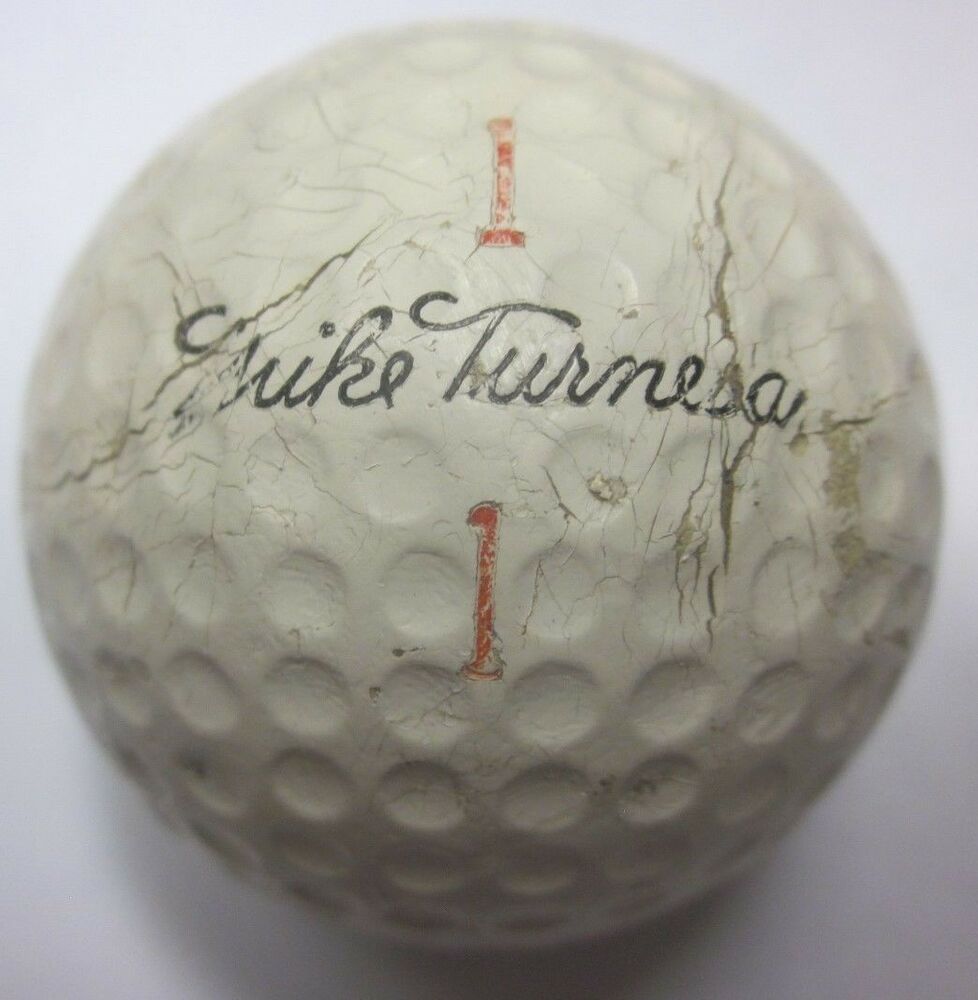
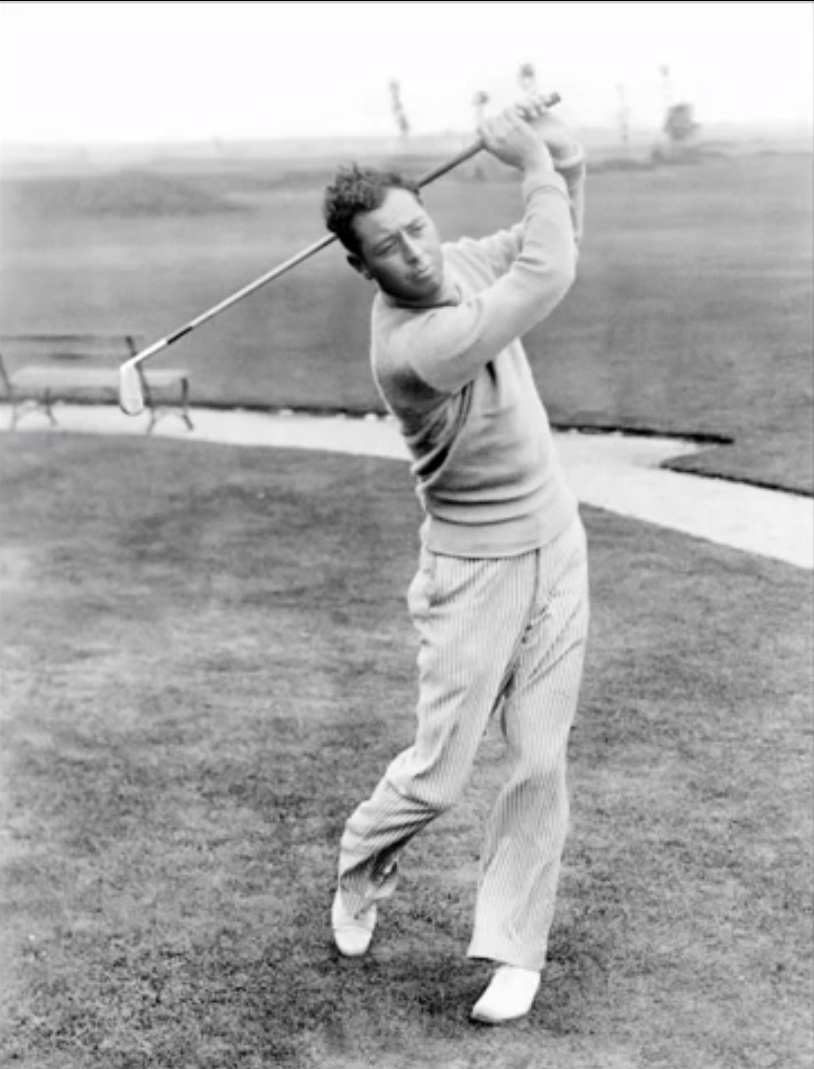
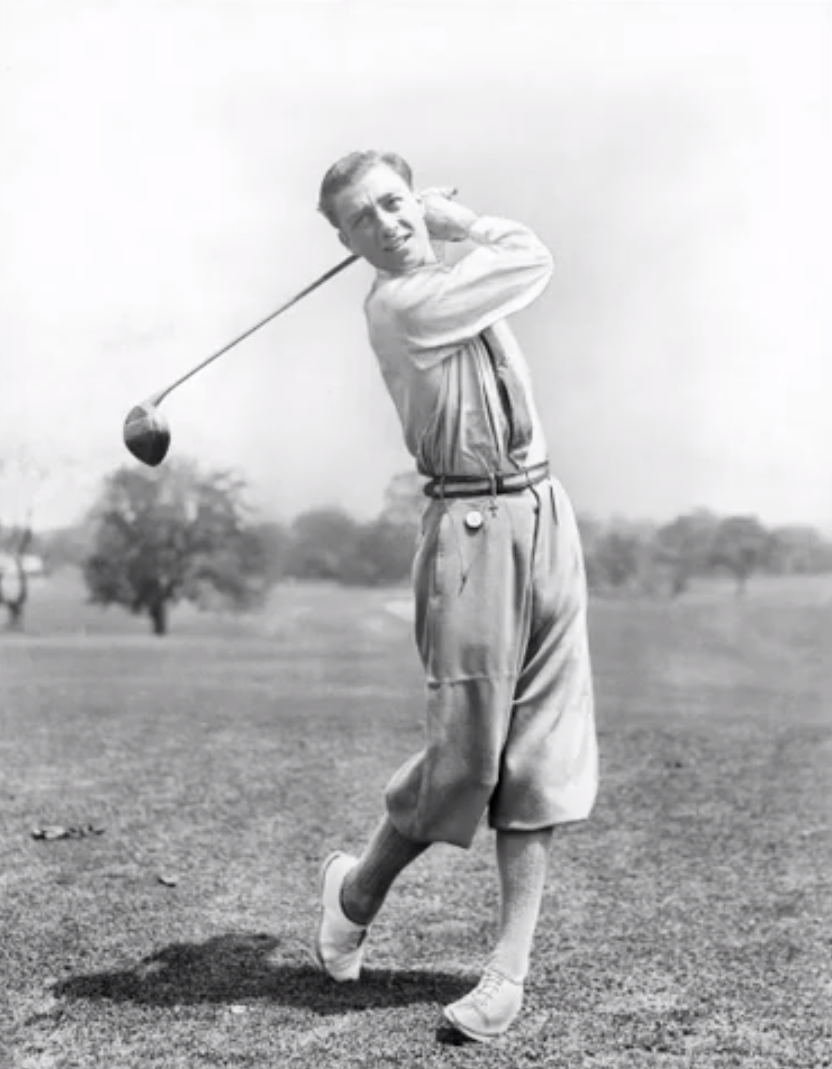
It's always interesting and fun to discover new stories, particular and unknown to me, about something beautiful and winning in the history of the Italian American community. Often these stories are about sport, which in America has seen the triumph of many Italian American champions.
Today's story concerns 7 (SEVEN!) golfing brothers who filled the family home with trophies and victories and made the pride of their parents, who emigrated at the beginning of the last century from Potenza, in Basilicata. It is also important because it helps to disprove the myth that Italian Americans excelled only in physical and violent sports: there is nothing physical and violent about golf, which requires patience, calm and self-control. We meet and thank Marc Turnesa, grandson of Mike, one of the seven golfing brothers. Marc was also a professional golfer, but today he is no longer a golfer. But it's not certain that sooner or later a new Turnesa will be born with the talent and desire to win other golf tournaments...
Hello Marc, let’s start with a little bit of history. Where in Italy did your family come from, and when did the first Turnesa arrive in the US?
My great grandparents, Vitale and Anna Turnesa, emigrated to America in 1904 from Potenza, in Basilicata. They first settled in Manhattan, but later moved to Elmsford NY, where Vitale worked on the construction of the Fairview Country Club. When construction was complete, Vitale was made head greenskeeper, where he remained for 30 years. It was in Elmsford that Vitale’s seven sons began to play golf. (editor’s note: a person responsible for the care of a golf course).
In Elmsford, NY there’s a Turnesa Drive. Is that the place your family used to call home?
Turnesa Drive is off the 4th hole at Knollwood Country Club, where my grandfather was the Head Golf Professional for 47 years, and where my father was the Assistant Golf Professional for 6 years. As kids, my brother, sister, and I were always proud when we passed the 4th hole while playing golf, knowing the background contained within that street sign.
So, the legend talks about seven Turnesa brothers (one of them was Mike, your grandfather), all golfers, some of them recognized and cherished all over the world. Please, tell our readers about this incredible brotherhood made up of family and Golf. Why just that sport?
Growing up in Westchester during the early part of the twentieth century, the Turnesa boys lived in the perfect environment for a family of golfers to emerge. It was a different world back then, smaller, with no access to the outside world for poor people. The 7 Turnesa boys knew only what they could see, and that was the golf course. The young boys were always outside around the golf course and, since they were poor, they had to make their own fun, playing there and making up games. In fact, before they were old enough to caddy, they would play on the grounds of the Fairview Country Club until their dad would see them and kick them off.
That was their backyard and where they spent all their free time. The bond they formed with each other and the closeness they shared as young boys, stayed with them throughout their lives. Also, their strict Italian upbringing created humble, well-mannered, respectful young men who well represented their heritage.
I’ve read that sometimes there would be three Turnesa brothers competing in the same tournament, right?
Oh yes, several Turnesa brothers would routinely compete in the same tournament, including Majors, like the 1938 and 1941 U.S. Opens, where 3 of the brothers played in each field, to name a few.
Who was the best golfer among the seven brothers? Was he also the one who won more trophies?
I know that Jim, Joe, and Mike were career pros, the touring Professionals, and that Phil, Frank, and Doug were Westchester club pros, who also competed in national events periodically.
Statistically, Joe won 14 PGA events and played on 3 Ryder Cup teams. Mike won 6 PGA tournaments, and Jim won 3 PGA events, including one Major, the 1952 PGA Championship.
The seventh and youngest Turnesa boy, Willie had an entirely different life path. His six older brothers all chipped in so that he could go to college, Holy Cross, where he excelled and where he would use what he learned throughout his life, while simultaneously excelling as a world class amateur in golf. Willie won the 1938 U.S. Amateur, earning the nickname, “Wee Willie the Wedge” after a perfect 13 for 13 record out of the bunkers. He also won the 1941 U.S. Amateur, in addition to winning the British Amateur and playing on 3 Walker Cup teams.
Vitale and Anna also had two daughters, Rose and Mildred, who were also said to be comparable talents in their own right, but they never followed golf with the same passion as their brothers. So, you ask who is the best, and I say, how can I choose, when they each excelled so differently? I admire them all, and I am proud to be a part of their lineage!
The Turnesas were a humble hardworking family, perfectly representing the Italian American community they were part of. In your opinion, did being Italian Americans and having Italian DNA help them to excel in sport and in particular in Golf, becoming “the world's greatest golfing family”, as the New York Times once said?
I think that being raised as Italian American contributed to their success and good reputations, especially thanks to the important sense of family they had. In fact, they always remained very close, no matter how old they got or how famous they became. And whenever possible, they came home for Sunday macaroni and meatballs dinner, a tradition still strong even now in our family. They treated everyone, including each other, with respect. Furthermore, thanks to the composure that golf requires, they also helped to destroy the stereotype that Italians are always loud, uneducated, and opinionated.
Is there an anecdote, something curious about this incredible story that you’ve heard telling in your family and you want to please share with our readers?
How the boys learned the game of golf was born from the days they played on the Fairview fairways. They had no golf clubs, so they took brooms and cut off the bottoms. There were always stray golf balls left in the rough and in the ponds around the golf course. The boys would scour those places, and then they would try to hit the balls they had retrieved with the broom handles. They created their own games, using the balls and bats, and even had little tournaments. During bad weather, the boys practiced indoors, making holes in the carpet. When they couldn’t play on the course, they went to the nearby fields and made their own “Country Club”, with the brothers as the only exclusive members!
They practiced swinging, from sunup until sundown, every day, until they were old enough to begin caddying and making money, contributing a portion of their earnings to the family pot. Many years later, when Vitale learned that his youngest boy, Willie, was winning the 1938 U.S. Amateur, he scoffed, shrugged his shoulders, and said, “Why shouldn’t he win? All he ever did was play golf!”
You too have been a professional Golfer, but now you’re retired. Is there a Turnesa in the future of professional Golf?
Unfortunately, the future of the Turnesas in golf looks bleak. In my generation, no one is actively pursuing golf at this time. Also, there have been no babies born to male Turnesas in my age group yet. But my wife is going to have a baby, so we shall see…
E' sempre interessante e divertente scoprire storie nuove, particolari e per me sconosciute, che riguardano qualcosa di bello e vincente nella storia della comunità italoamericana. Spesso queste storie riguardano lo sport, che in America ha visto trionfare davvero tantissimi campioni italoamericani.
La storia di oggi riguarda 7 (SETTE!) fratelli golfisti che riempirono la casa di famiglia di trofei e vittorie e fecero l'orgoglio del padre, emigrato all'inizio del secolo scorso insieme con sua moglie da Potenza, in Basilicata. E’ importante anche perché contribuisce a smentire il mito per cui gli italoamericani eccellevano solo negli sport fisici e violenti: non c’è niente di fisico e violento nel golf, che richiede invece pazienza, calma e autocontrollo. Incontriamo e ringraziamo Marc Turnesa, nipote di Mike, uno dei sette fratelli golfisti. Anche Marc è stato un giocatore professionista di golf, oggi non più. Ma non è detto che prima o poi nasca un nuovo Turnesa col talento e la voglia di vincere altri tornei di golf...
Ciao Marc, iniziamo con un po' di storia. Di dove era originaria la tua famiglia in Italia, e quando sono arrivati i primi Turnesa negli Stati Uniti?
I miei bisnonni, Vitale e Anna Turnesa, emigrarono in America nel 1904 da Potenza, in Basilicata. Si stabilirono prima a Manhattan, ma poi si trasferirono a Elmsford NY, dove Vitale lavorò alla costruzione del Fairview Country Club. Quando la costruzione fu completata, Vitale fu nominato responsabile della cura dei campi da golf, e lì rimase per 30 anni. Fu a Elmsford che i sette figli di Vitale iniziarono a giocare a golf.
A Elmsford, NY c'è una strada chiamata Turnesa Drive. È questo il posto che la tua famiglia chiamava casa?
Turnesa Drive è vicino alla quarta buca al Knollwood Country Club, dove mio nonno è stato Head Golf Professional per 47 anni, e dove mio padre è stato Assistant Golf Professional per 6 anni. Da bambini, mio fratello, mia sorella provavamo sempre grande orgoglio quando arrivavamo alla quarta buca mentre giocavamo a golf, conoscendo la storia che c’era dietro quel cartello stradale.
La leggenda parla di sette fratelli Turnesa (uno di loro era Mike, tuo nonno), tutti golfisti, alcuni dei quali riconosciuti e amati in tutto il mondo. Per favore, racconta ai nostri lettori di questa incredibile fratellanza fatta di famiglia e golf. Perché proprio quello sport?
Crescendo a Westchester nella prima parte del ventesimo secolo, i fratelli Turnesa vivevano nell'ambiente perfetto per far emergere una famiglia di golfisti. Era un mondo diverso a quei tempi, più piccolo, senza accesso al mondo più esterno per i poveri. I 7 fratelli Turnesa sapevano solo quello che potevano vedere: e quello era il campo da golf. I ragazzi erano sempre fuori casa, intorno al campo da golf e, poiché erano poveri, dovevano divertirsi da soli, giocando e inventando giochi. Infatti, già prima di avere l'età per diventare caddie, giocavano sul terreno del Fairview Country Club fino a quando il padre li vedeva e li mandava via.
Quello era il loro “giardino di casa”, dove passavano tutto il loro tempo libero. Il legame che li univa insieme l'uno con l'altro e la vicinanza che condividevano da ragazzini, rimasero con loro per tutta la vita. Inoltre, la loro rigorosa educazione italiana aveva cresciuto ragazzi umili, educati e rispettosi che ben rappresentavano le loro radici familiari.
Ho letto che a volte c’erano anche tre fratelli Turnesa che partecipavano allo stesso torneo, è vero?
Oh sì, diversi fratelli Turnesa gareggiavano abitualmente nello stesso torneo, compresi i Majors, come gli U.S. Opens del 1938 e 1941, dove 3 dei fratelli giocarono in ogni campo, solo per citarne un paio.
Chi è stato il miglior giocatore di golf tra i sette fratelli? E' stato anche quello che ha vinto più trofei?
So che Jim, Joe e Mike erano professionisti di carriera, che partecipavano a tornei ovunque; e che Phil, Frank e Doug erano professionisti del club di Westchester, ma gareggiavano periodicamente anche in eventi nazionali.
Statisticamente, Joe ha vinto 14 eventi PGA e ha giocato in 3 squadre della Ryder Cup. Mike ha vinto 6 tornei PGA, e Jim ha vinto 3 eventi PGA, tra cui un Major, il Campionato PGA del 1952.
Il settimo e più giovane fratello Turnesa, Willie ebbe un percorso di vita completamente diverso. I suoi sei fratelli maggiori contribuirono tutti affinché lui potesse andare al college, a Holy Cross, dove prese altissimi voti e dove usò gli insegnamenti che aveva imparato nel corso della sua vita, mentre allo stesso tempo eccelleva come non professionista di livello mondiale nel golf. Willie vinse il 1938 U.S. Amateur, guadagnandosi il soprannome, "Wee Willie the Wedge" dopo un perfetto record di 13 su 13 dai bunker. Vinse anche il 1941 U.S. Amateur, oltre a vincere il British Amateur e giocare in 3 squadre di Walker Cup.
Vitale e Anna ebbero anche due figlie, Rose e Mildred, che si diceva fossero altrettanto talentuose, ma non seguirono mai il golf con la stessa passione dei loro fratelli. Quindi, tu mi chiedi chi fu il migliore, e io ti rispondo: come posso scegliere, quando ognuno di loro eccelleva in modo così diverso? Li ammiro tutti, e sono orgoglioso di far parte della loro stirpe!
I Turnesa erano una famiglia umile e laboriosa, che rappresentava perfettamente la comunità italoamericana di cui facevano parte. Secondo te, essere italoamericani e avere il DNA italiano li ha forse aiutati ad eccellere nello sport e in particolare nel golf, diventando "la più grande famiglia golfistica del mondo", come ha scritto il New York Times?
Penso che essere cresciuti in una famiglia italoamericana abbia contribuito al loro successo e alla loro buona reputazione, soprattutto grazie all'importante senso della famiglia che avevano. Infatti, sono sempre stati molto uniti, indipendentemente dall'età o dalla fama che acquisirono personalmente. E quando era possibile, tornavano a casa per la cena domenicale a base di maccheroni e polpette, una tradizione ancora oggi forte nella nostra famiglia. Trattavano tutti con rispetto, e così facevano tra di loro. Inoltre, grazie alla compostezza che il golf richiede, contribuirono a distruggere lo stereotipo che voleva gli italiani sempre rumorosi, ignoranti, non istruiti e aggressivi.
C'è qualcosa di curioso su questa incredibile storia, un aneddoto che hai sentito raccontare in famiglia e che ti va di condividere con i nostri lettori?
I ragazzi hanno imparato il gioco del golf nei giorni in cui giocavano sui campi del Fairview Country Club. Non avevano mazze da golf, così prendevano le scope e ne tagliavano il fondo. C’erano sempre palle da golf lasciate dai giocatori nel terreno e negli stagni intorno al campo da golf. I ragazzi setacciavano quei posti, e poi cercavano di colpire le palle che avevano recuperato con le maniglie della scopa. Creavano i loro giochi, usando le palle e i manici di scopa, e organizzavano persino piccoli tornei tra di loro. Quando c’era maltempo i ragazzi si esercitavano al chiuso, facendo buchi nel tappeto per creare le buche. Quando non potevano giocare sul campo di Fairview, andavano nei campi vicini e creavano il loro "Country Club", che aveva i fratelli come unici membri esclusivi!
Si esercitavano a colpire la palla, dall'alba al tramonto, tutti i giorni, fino a quando non furono abbastanza grandi da iniziare a lavorare come caddie e guadagnare qualcosa, contribuendo con una parte dei loro guadagni all’economia della famiglia. Molti anni dopo, quando Vitale seppe che il suo ragazzo più giovane, Willie, stava vincendo U.S. Amateur del 1938, scrollò le spalle e disse: "Perché non dovrebbe vincere? Tutto quello che ha sempre fatto è stato giocare a golf!”
Anche tu sei stato un golfista professionista, ma ora la tua carriera si è conclusa. C'è una Turnesa nel futuro del golf professionale?
Purtroppo, il futuro dei Turnesa nel golf non ha grandi certezze. Nella mia generazione, in questo momento nessuno sta attivamente giocando a golf da professionista. Inoltre, tra i membri della mia famiglia della mia età nessuno ha avuto ancora figli maschi. Ma mia moglie sta per avere un bambino, quindi vedremo...