

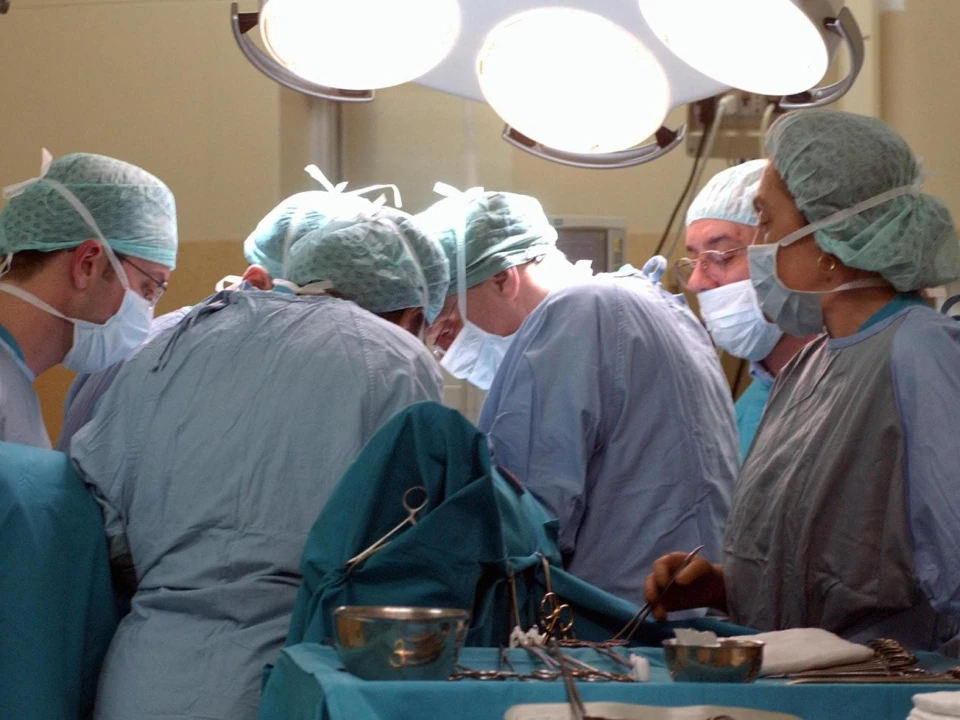
A groundbreaking surgical procedure in Turin is opening new possibilities for high-risk cancer patients who cannot undergo standard anesthesia. At the Molinette hospital, a 76-year-old man from southern Italy successfully underwent colon cancer surgery while fully awake, using a combination of regional anesthesia, conscious sedation, and clinical hypnosis.
The patient had a bleeding tumor in the right side of his colon and had previously been declared inoperable due to severe respiratory failure following a massive pulmonary embolism. Traditional general anesthesia would have required mechanical ventilation, which doctors considered too dangerous given his fragile condition.
To overcome this barrier, the surgical team developed a personalized “awake” protocol. The operation – a right hemicolectomy, meaning removal of part of the colon – lasted about 60 minutes. Throughout the procedure, the patient remained conscious and breathing independently, avoiding the risks associated with intubation and deep sedation.
Clinical hypnosis played a key role. While surgeons worked, the patient interacted with a physician trained in hypnotic techniques, mentally “transported” to familiar rural settings from his home region. This approach significantly reduced stress and minimized the need for sedative drugs, helping maintain stable vital functions during surgery.
The results were remarkable. Recovery was described as exceptional: within 24 hours, the patient was already walking and eating on his own, and normal bowel function returned by day two. Importantly, he did not require admission to intensive care – a step that would have been likely with general anesthesia.
Doctors believe this may be the first documented case worldwide of a major colon resection performed under hypnosis on an awake, high-risk patient. The technique could represent a major advance for a subset of fragile individuals – estimated at a significant % of elderly surgical candidates – who are excluded from life-saving procedures due to anesthesia risks.
This experience highlights the growing importance of personalized medicine. By combining surgical expertise with innovative pain management and psychological techniques, physicians were able to turn a previously untreatable case into a success, expanding the boundaries of modern oncological surgery.