
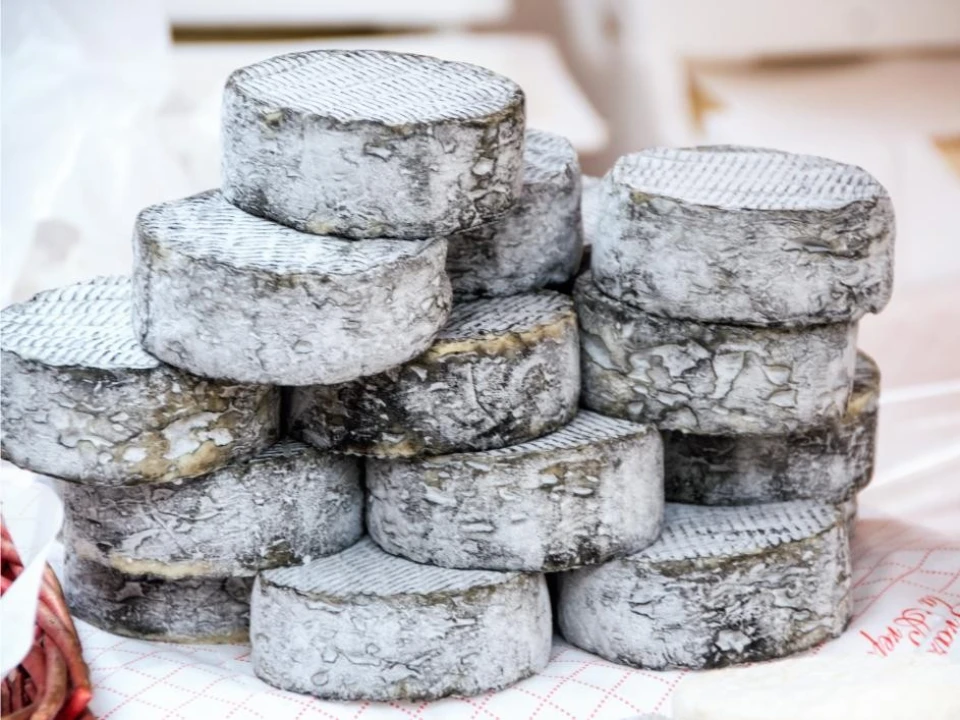
There is a moment, usually when ordering food, reading a menu or even doing your weekly shopping, when Italian place names appear stripped of geography and turned into everyday nouns. You ask for a glass of Barolo without thinking of the village it comes from, spread Gorgonzola without picturing Lombardy, or pull on a pair of jeans without any awareness that the word itself once pointed to a port city.
It is a small linguistic habit, but it says a great deal about how Italian places travelled, sometimes farther and more permanently than the people who named them. This way of naming things after places is not uniquely Italian, but the Belpaese offers an unusually rich and coherent set of examples; food, in particular, carried local names into global circulation, often preserving them long after their original meanings became blurred.