
In 2026, We the Italians celebrates “Two Anniversaries, One Heart” – the 250th anniversary of the United States and the 80th anniversary of the Italian Republic. This article is part of the “Happy Birthday USA: Unsung Italian Heroes” project, in which we share how, in every corner of the United States, an Italian has made a positive impact on their local community.
---
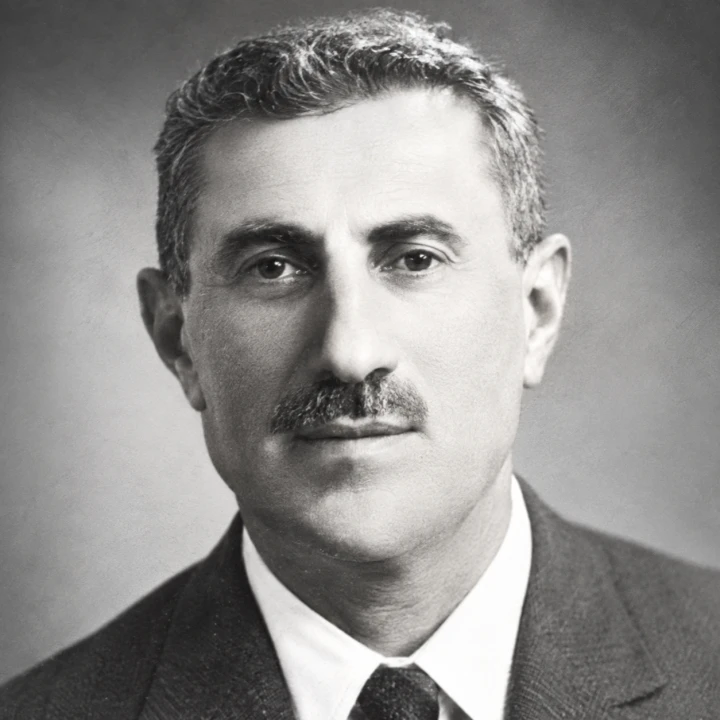
Oreste Bachechi, the father of the Albuquerque Italian community
Following the arrival of the transcontinental railroad in 1880, Albuquerque became a hub for a small but vibrant population of Italian immigrants who helped shape the city. Driven by the search for economic opportunities they came from various regions of Italy, the majority from the provinces of Tuscany.
Oreste Bachechi, born on July 29, 1860, close to Bagni di Lucca, arrived in the United Stated in 1885, promoting the Italians’ setting in Albuquerque. As a motivated entrepreneur, he expanded a tent saloon near the railroad into a prosperous wholesale liquor and grocery store. More importantly, Bachechi was instrumental in the growth of New Mexico’s Italian community, actively sponsoring incoming immigrants to settle in Albuquerque. His efforts offered them a lifeline away from grueling mine work, helping families and friends safely reunite through established chain migration networks. Bachechi was also one of the prominent charter members of the Colombo Society, a historic Mutual Protection Association founded in 1892 to support the growing Italian community in Albuquerque.
At its peak, Italian-owned businesses lined eight-blocks on Central Avenue, the main throughfare that later became a section of the famed Route 66, establishing a flourishing “Little Italy.” These Italian families and their businesses also served as a vital social “bridge” catering and integrating dominant Anglo and Hispano cultures that heavily shapes the city's foundational identity.
In 1925, Bachechi and his wife and Maria Bachechi decided to realize his long-held dream of constructing a large cinematic showplace. With the vision of a grand "picture palace," the building was designed by architect Carl Boller, who traveled through the Navajo Nation and the Pueblos. Named KiMo–"mountain lion" in the Tiwa language– the new theater was built as a tribute to honor the Indigenous peoples who warmly welcomed Bekhechi’s family as part of the town.
The iconic and unique Pueblo Deco architectural style gathers authentic Native American motifs with the geometric forms of Art Deco. The interior includes plaster ceiling beams textured to look like pueblo logs and painted with dance and hunt scenes, the setting sun and darkening clouds, and myriad images of Navajo symbols, such as birds and swastikas, the Navajo symbol for life, freedom and happiness. Oreste Bachechi saw the opening program of his Theatre for the first show in 1927 before his passing in 1928. Among a number of buildings, notable examples of this new architectural model are the Biltmore Hotel in Phoenix (Arizona), the McKinley County Courthouse in Gallup (New Mexico), the Will Rogers Memorial Center at Fort Worth (Texas), and the Cliff Dweller Apartments (New York City).
The Bachechi’s family legacy frames the Italian immigrants’ experience through the theatre and its current concerts and live performances, the Bachechi Open Space in the North Valley, which celebrates the family's agricultural heritage alongside walking trails, an arboretum, and a memorial rose garden. These historic landmarks and environmental initiatives actively preserve the rich Italian American heritage as a cornerstone that still distinguishes the multicultural history of Albuquerque.