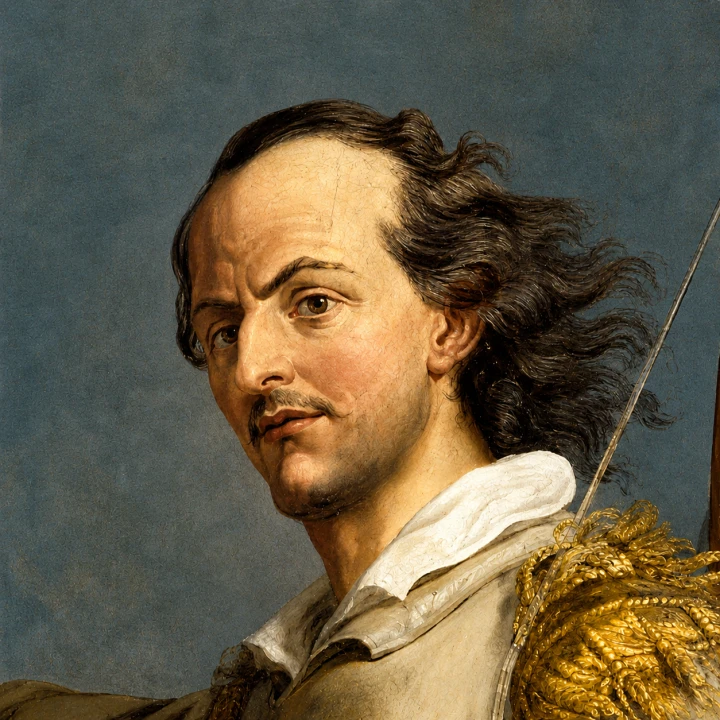
In 2026, We the Italians celebrates “Two Anniversaries, One Heart” – the 250th anniversary of the United States and the 80th anniversary of the Italian Republic. This article is part of the “Happy Birthday USA: Unsung Italian Heroes” project, in which we share how, in every corner of the United States, an Italian has made a positive impact on their local community.
---
Giacomo Beltrami, the Italian visionary still celebrated across Minnesota
Giacomo Costantino Beltrami was born in Bergamo, Italy, in 1779. He served as a magistrate under Napoleon's government in northern Italy and later in the Marche region, where his family owned homes and land. Yet it was as an explorer that he left an enduring and remarkably positive mark on the history and geography of the state of Minnesota.
Following Napoleon's downfall, Beltrami was accused of belonging to the Freemasons and forced into exile. That exile marked the beginning of his life as an explorer, eventually bringing him to the United States in 1823. There, he ventured into the largely unexplored lands of the Upper Midwest, forever linking his name to the region through an expedition that became legendary.
The achievement that secured Beltrami's place in Minnesota history was his determined, solitary search for the source of the Mississippi River. In 1823, after joining an expedition led by Major Stephen Long, the Italian explorer chose to separate from the group and continue alone. Initially accompanied by Native guides, he crossed swamps and unknown wilderness wearing animal skins and carrying a distinctive red umbrella, which served both as protection from the elements and as a symbol of peace and recognition.
On August 28, 1823, Beltrami reached a heart-shaped lake in northern Minnesota, which he named Lake Julia in honor of his beloved friend Giulia de' Medici Spada, who had died at a young age. He identified the lake, located along the Continental Divide, as the northernmost source of both the Mississippi River and the Red River. Although later expeditions established nearby Lake Itasca as the officially recognized source of the Mississippi, Beltrami's solitary journey remains an extraordinary testament to courage, determination, and scientific curiosity.
Unlike many explorers and settlers of his era, Beltrami approached Native peoples—particularly the Dakota and the Ojibwe—with genuine empathy, intellectual curiosity, and deep respect. He compiled what is considered the first dictionary of the Sioux language, a work of tremendous scholarly value that helped document and preserve the language at a time when the traditions of Native peoples were often ignored or deliberately erased.
During his travels, Beltrami collected numerous artifacts, including ceremonial pipes, clothing, and musical instruments. Among the most remarkable are two wooden flutes, now preserved at the Natural Sciences Museum in Bergamo, which are considered among the oldest surviving Native American flutes in existence. Many additional documents and artifacts from the Indigenous peoples of North and Central America are preserved in the museum housed in his former villa in the Marche region. In his travel journals, Beltrami described Native customs, traditions, and daily life with a sensitivity that was exceptionally rare in the nineteenth century, providing an invaluable record of an America that still retained much of its original character before westward expansion transformed it forever.
The bond between Minnesota and the Italian explorer remains so strong that the state chose to honor his legacy by naming several significant landmarks after him. Today, northern Minnesota is home to Beltrami County, encompassing many of the lakes and territories he explored, as well as the Beltrami Island State Forest, one of the state's largest public forests. A neighborhood and park in Minneapolis also bear his name, reflecting the area's long-standing connection to Italian American families who settled there during the twentieth century.
Giacomo Beltrami was far more than an adventurer. He became a true cultural bridge between Italy and the American frontier. His idealism, commitment to scientific discovery, and profound respect for the first inhabitants of those lands earned him a lasting place in Minnesota's history. Nearly two centuries later, his remarkable legacy continues to be recognized and celebrated throughout the state.
Nel 2026 We the Italians celebra Two Anniversaries One Heart, i 250 anni degli Stati Uniti e gli 80 anni della Reubblica Italiana. Questo articolo fa parte del progetto Happy Birthday USA: The Unsung Italian Heroes, in cui raccontiamo perchè in ogni angolo degli Stati Uniti qualcuno italiano ha lasciato un impatto positivo per il singolo territorio.
---
Giacomo Beltrami, il visionario italiano che il Minnesota celebra ancora oggi
Giacomo Costantino Beltrami nacque a Bergamo nel 1779. Fu magistrato sotto il governo napoleonico dell'Italia settentrionale e successivamente nelle Marche, dove la sua famiglia possedeva case e terreni. Tuttavia, fu come esploratore che lasciò un'impronta indelebile e straordinariamente positiva nella storia e nella geografia dello Stato del Minnesota.
Dopo la caduta di Napoleone, fu accusato di appartenenza alla massoneria e costretto all'esilio. Ebbe così inizio la sua vita da esploratore, che nel 1823 lo condusse negli Stati Uniti. Qui si addentrò nei territori allora inesplorati dell'Alto Midwest, legando per sempre il proprio nome a questa regione attraverso un'impresa divenuta leggendaria.
L'impresa che ha consegnato Beltrami alla storia del Minnesota fu la sua determinata e solitaria ricerca delle sorgenti del fiume Mississippi. Nel 1823, dopo essersi aggregato alla spedizione del maggiore Stephen Long, l'esploratore italiano decise di separarsi dal gruppo e di proseguire da solo. Accompagnato inizialmente da guide indigene, affrontò paludi e territori sconosciuti indossando pelli d'animale e portando con sé un singolare ombrello rosso, utilizzato sia per ripararsi dalle intemperie sia come simbolo di pace e di riconoscimento.
Il 28 agosto 1823 Beltrami raggiunse un lago dalla caratteristica forma a cuore, nel nord del Minnesota, che battezzò Lago Giulia in onore dell'amata amica Giulia de' Medici Spada, prematuramente scomparsa. Egli identificò questo bacino, situato sullo spartiacque continentale, come la sorgente più settentrionale sia del Mississippi che del Red River. Sebbene spedizioni successive abbiano individuato nel vicino Lago Itasca la sorgente ufficialmente riconosciuta del Mississippi, il viaggio solitario di Beltrami rimane una straordinaria testimonianza di coraggio, determinazione e spirito scientifico.
A differenza di molti esploratori e coloni del suo tempo, l'approccio di Beltrami nei confronti delle popolazioni indigene, in particolare dei Dakota e degli Ojibwe, fu improntato a profonda empatia, curiosità intellettuale e rispetto. A lui si deve, tra l'altro, la compilazione del primo dizionario della lingua sioux, un'opera di grande valore scientifico per la comprensione e la conservazione di quella cultura, realizzata in un'epoca in cui le tradizioni dei popoli nativi venivano spesso ignorate o sistematicamente distrutte.
Durante i suoi viaggi raccolse numerosi manufatti, calumet, abiti e strumenti musicali. Tra questi spiccano due flauti di legno, oggi conservati presso il Museo di Scienze Naturali di Bergamo, considerati tra i più antichi flauti nativi americani giunti fino a noi. Anche nella villa marchigiana che oggi ospita un museo sono custoditi numerosi documenti e oggetti appartenenti alle popolazioni indigene del Nord e del Centro America. Nei suoi diari di viaggio Beltrami descrisse usi, tradizioni e costumi delle popolazioni native con una sensibilità rara per il XIX secolo, offrendo una preziosa testimonianza di un'America ancora autentica, prima che l'espansione coloniale ne trasformasse profondamente il volto.
Il legame tra il Minnesota e l'esploratore italiano è così profondo che lo Stato ha scelto di onorarne la memoria intitolandogli alcuni luoghi di grande rilievo geografico. Esistono oggi la Contea di Beltrami nel nord del Minnesota che comprende proprio le aree e i laghi da lui esplorati, la Beltrami Island State Forest, una delle principali foreste demaniali dello Stato, nonché un quartiere e relativo parco nella città di Minneapolis, dove nel secolo scorso si stabilirono numerose famiglie di immigrati italiani.
Giacomo Beltrami non fu soltanto un avventuriero, ma un autentico ponte culturale tra l'Italia e la frontiera americana. Il suo idealismo, la sua dedizione alla ricerca scientifica e il profondo rispetto dimostrato verso i primi abitanti di quelle terre hanno lasciato nel Minnesota il ricordo di un pioniere illuminato, la cui eredità storica continua ancora oggi a essere riconosciuta e celebrata.