In 2026, We the Italians celebrates “Two Anniversaries, One Heart” – the 250th anniversary of the United States and the 80th anniversary of the Italian Republic. This article is part of the “Happy Birthday USA: Unsung Italian Heroes” project, in which we share how, in every corner of the United States, an Italian has made a positive impact on their local community.
---
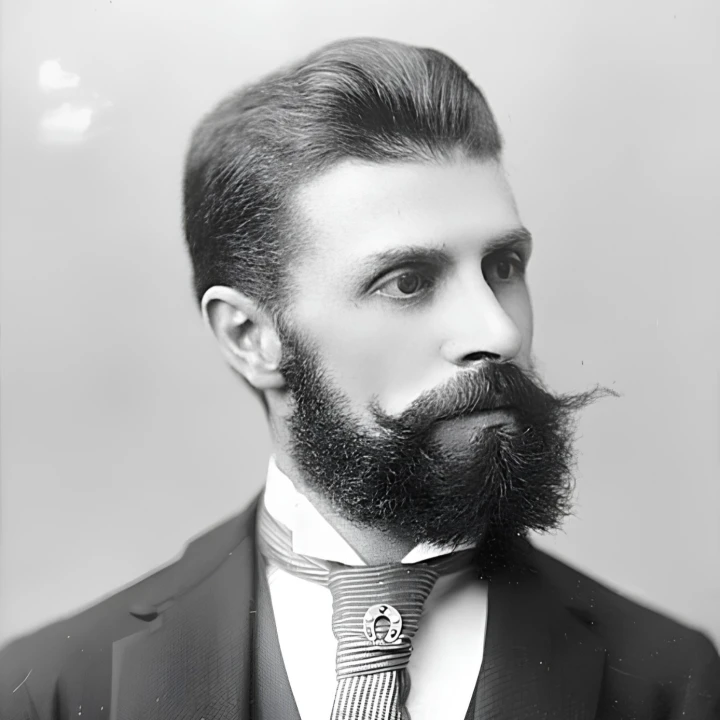
Alfredo Barili, the Florentine who taught Atlanta to listen to great music
When Alfredo Barili arrived in Atlanta in 1880, the city was still building its cultural identity in the aftermath of the Civil War. Born in Florence on August 2, 1854, Barili brought something to Georgia that was largely missing at the time – a lasting professional musical presence. The New Georgia Encyclopedia considers him the first professional musician to settle in Atlanta and one of the figures who laid the foundations for the city’s future classical music culture.
His Italian heritage was deeply rooted in music. Barili came from a family immersed in opera: his father, Ettore, was a singer, while his aunt Adelina Patti would become one of the most celebrated sopranos of the 19th century. Born in Florence, Alfredo was only 4 months old when his family moved to New York. In 1865, at just 10 years old, he made his public debut as a pianist at Irving Hall. After studying in the United States, he continued his education at the Cologne Conservatory in Germany, where his teachers included composer and conductor Ferdinand Hiller.
But Georgia would become his home.
In Atlanta, Barili did much more than perform. He introduced audiences to European repertoire that helped dramatically broaden the musical horizons of the young city. Beethoven, Schumann, Liszt, Chopin and other great composers became regular features of the programs he performed or organized. In a sense, Barili built a cultural bridge between the European – and Italian – musical tradition and an Atlanta aspiring to become a major American city.
A pivotal moment came in 1883, when he organized the first Atlanta Music Festival. The program included a 300-member chorus accompanied by an orchestra from Philadelphia. Over a single weekend, Atlanta audiences heard major symphonic works by Schubert, Haydn and Beethoven, as well as overtures by Mendelssohn and Giuseppe Verdi. That same year, celebrated conductor Theodore Thomas arrived with his orchestra and, during a performance with Barili’s Musical Union, symbolically handed Barili his baton so that he could conduct the ensemble.
Barili understood, however, that concerts alone could not create a true musical culture. New generations had to be educated.
In 1899, he opened his own music school in Atlanta. Students studied piano, voice, organ, music history and theory – as well as the Italian language. It was one of the first schools in the South to offer professional-level musical training. Enrollment probably never exceeded 50 students, but many of them later pursued musical careers.
Barili also left a tangible legacy as a composer. His “Menuet, Op. 20,” for example, was published in Atlanta in 1881.
By the time he died in Atlanta in November 1935, Barili was regarded as one of the South’s most respected musicians and teachers. He is buried at the city’s Westview Cemetery.
His legacy can still be felt today. Barili certainly did not single-handedly create Atlanta’s later musical tradition, but he helped prepare the ground on which it could flourish. The New Georgia Encyclopedia itself notes that the city’s vibrant musical culture would be difficult to imagine without the professional work he began more than a century ago.
That is what makes Alfredo Barili a perfect Unsung Italian Hero of Georgia – a Florentine who did more than bring his talent to America. He brought education, discipline, repertoire, culture and a deeply European and Italian musical sensibility, helping transform Atlanta’s musical life for generations to come.
Nel 2026 We the Italians celebra Two Anniversaries One Heart, i 250 anni degli Stati Uniti e gli 80 anni della Reubblica Italiana. Questo articolo fa parte del progetto Happy Birthday USA: The Unsung Italian Heroes, in cui raccontiamo perchè in ogni angolo degli Stati Uniti qualcuno italiano ha lasciato un impatto positivo per il singolo territorio.
---
Alfredo Barili, il fiorentino che insegnò ad Atlanta ad ascoltare la grande musica
Quando Alfredo Barili arrivò ad Atlanta nel 1880, la città stava ancora costruendo la propria identità culturale dopo la Guerra Civile. Nato a Firenze il 2 agosto 1854, Barili portò in Georgia qualcosa che allora mancava: una presenza musicale professionale stabile. La New Georgia Encyclopedia lo considera il primo musicista professionista a trasferirsi ad Atlanta e una delle figure che posero le fondamenta della futura cultura musicale classica della città.
La sua italianità era profondamente musicale. Barili apparteneva a una famiglia immersa nell'opera: suo padre Ettore era cantante e sua zia Adelina Patti sarebbe diventata una delle più celebri soprano dell'Ottocento. Nato a Firenze, Alfredo aveva appena 4 mesi quando la famiglia si trasferì a New York. Nel 1865, a soli 10 anni, debuttò pubblicamente come pianista all'Irving Hall. Dopo gli studi negli Stati Uniti proseguì la formazione al Conservatorio di Colonia, in Germania, dove studiò anche con il compositore e direttore Ferdinand Hiller.
Ma fu la Georgia a diventare la sua casa.
Ad Atlanta, Barili non si limitò a esibirsi. Portò al pubblico repertori europei che contribuirono ad allargare radicalmente gli orizzonti musicali della giovane città: Beethoven, Schumann, Liszt, Chopin e altri grandi compositori entrarono stabilmente nei programmi da lui eseguiti o organizzati. In un certo senso, Barili costruì un ponte culturale fra la tradizione musicale europea – e italiana – e un'Atlanta che aspirava a diventare una grande città americana.
Il momento decisivo arrivò nel 1883, quando organizzò il primo Atlanta Music Festival. Il programma comprendeva un coro di 300 persone accompagnato da un'orchestra proveniente da Philadelphia. In un solo fine settimana il pubblico di Atlanta poté ascoltare importanti lavori sinfonici di Schubert, Haydn e Beethoven e ouverture di Mendelssohn e Giuseppe Verdi. Nello stesso anno il celebre direttore Theodore Thomas arrivò con la propria orchestra e, durante un'esibizione con la Musical Union di Barili, gli cedette simbolicamente la bacchetta affinché dirigesse l'ensemble.
Barili comprese però che per creare una vera cultura musicale non bastavano i concerti: bisognava formare nuove generazioni.
Nel 1899 aprì una propria scuola di musica ad Atlanta. Vi si insegnavano pianoforte, canto, organo, storia e teoria musicale, ma anche lingua italiana. Fu una delle prime scuole del Sud a offrire una formazione musicale di livello professionale. Gli iscritti probabilmente non superarono mai i 50, ma numerosi allievi intrapresero successivamente carriere musicali.
Anche come compositore lasciò tracce concrete: il suo “Menuet, Op. 20”, per esempio, fu pubblicato proprio ad Atlanta nel 1881.
Quando morì ad Atlanta nel novembre 1935, Barili era considerato uno dei musicisti e insegnanti più rispettati del Sud. È sepolto al Westview Cemetery della città.
La sua eredità è ancora percepibile. Naturalmente Barili non creò da solo la successiva grande tradizione musicale di Atlanta, ma contribuì a costruire il terreno sul quale essa poté svilupparsi. La stessa New Georgia Encyclopedia afferma che la vivace cultura musicale della città sarebbe difficilmente immaginabile senza il lavoro professionale da lui iniziato oltre un secolo fa.
Per questo Alfredo Barili è un perfetto Unsung Italian Hero della Georgia: un fiorentino che non si limitò a portare il proprio talento in America. Portò educazione, disciplina, repertorio, cultura e una sensibilità profondamente europea e italiana – e contribuì a trasformare per sempre la vita musicale di Atlanta.