
In the aftermath of the New Year’s Eve fire at the Le Constellation venue in Crans-Montana, Switzerland, a quiet but powerful movement has taken shape across Italy. Ordinary people are choosing to cut and donate their hair to support children and teenagers who suffered severe burns and hair loss during the tragedy. What began as a small, local initiative has quickly grown into a nationwide effort driven by empathy and solidarity.
The fire left more than 100 people injured, many of them young, with burns affecting the face and scalp. Doctors and psychologists working with burn victims often note that hair loss can deepen trauma, especially for adolescents, by affecting self-image and confidence during recovery. For this reason, natural hair wigs are considered an important part of the healing process.
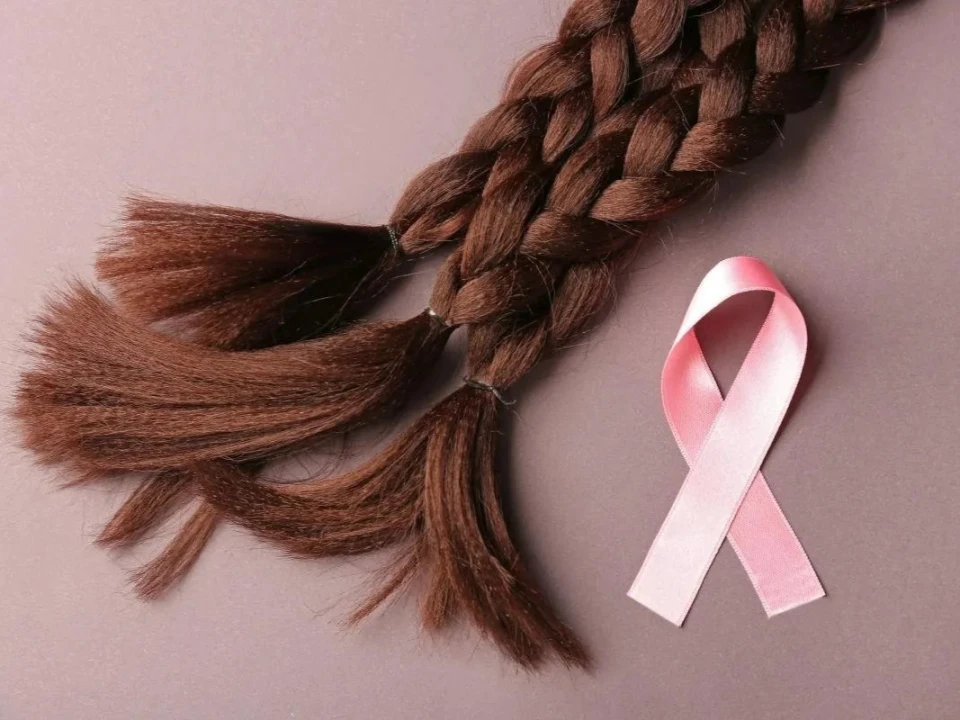
Hair salons, volunteer groups, and private citizens from northern to southern Italy have joined the campaign. Donations usually require hair to be at least 35 centimeters long, clean, and untreated, ensuring it can be used to create durable, high-quality wigs. Once collected, the hair is shipped to specialized laboratories that produce custom prosthetic wigs designed for burn survivors.
In several cities, local associations have already gathered more than 100 braids, with new donations arriving daily. Many salons are offering free haircuts to donors, while others are helping package and ship the hair abroad. Participants range widely in age, from teenagers and university students to adults who have spent years growing their hair specifically to donate it.
For many donors, the act carries emotional weight. Cutting off long hair can feel deeply personal, but contributors describe it as a small sacrifice compared to what the young victims endured. Each braid represents a tangible sign of care, offering comfort and a sense of normality to those facing long medical treatments and rehabilitation.
Beyond the numbers, the initiative highlights how collective action can cross borders and respond quickly to tragedy. Through a simple gesture, people are transforming something personal into a source of hope, helping young survivors rebuild not only their appearance, but also their confidence and resilience.