
Fifty years after one of Italy’s deadliest natural disasters, the Friuli Venezia Giulia region is commemorating the 1976 earthquake with documentaries, public ceremonies, and institutional events focused on memory and reconstruction.
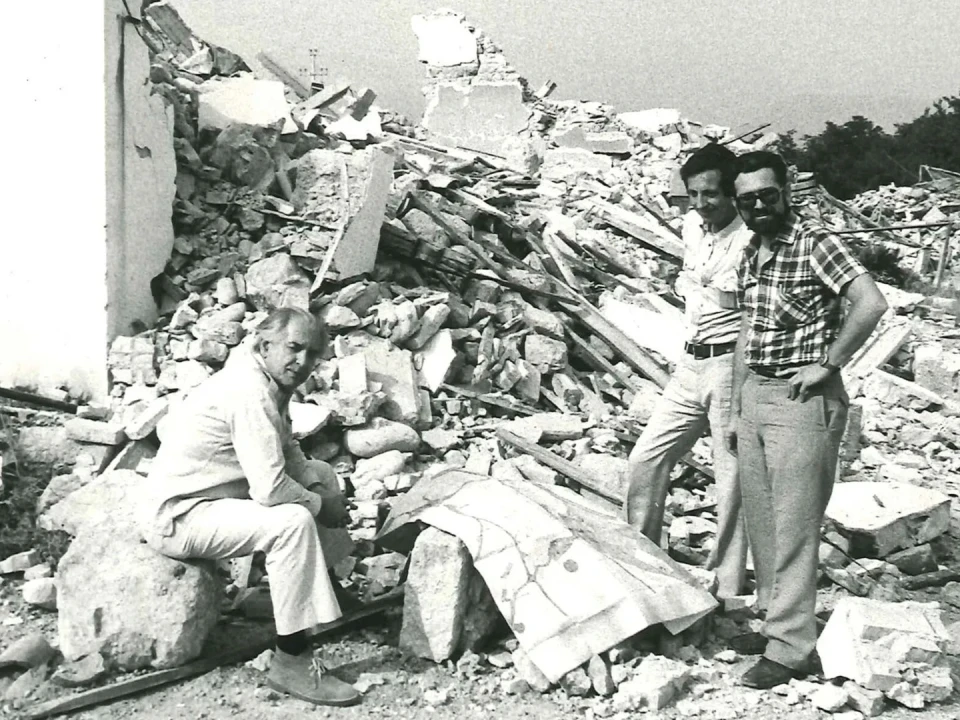
On May 6, 1976, at 9:06 p.m., a powerful 6.5 magnitude earthquake struck northeastern Italy, devastating towns including Gemona, Venzone, Majano, and Buja. Nearly 1,000 people lost their lives, tens of thousands were injured, and more than 100,000 residents were forced to leave their homes.
Italian public broadcaster Rai has launched a special programming schedule titled “Friuli ’76: Chronicles of an Earthquake,” featuring archival footage, eyewitness testimonies, and reports from journalists who documented the tragedy as it unfolded. The project includes television broadcasts, radio programs, podcasts, and multilingual productions in Italian, Friulian, and Slovenian, highlighting both the destruction and the extraordinary reconstruction effort that followed.
Regional leaders describe the post-earthquake recovery as a national model of efficiency and solidarity. Authorities often refer to the “Friuli model,” a reconstruction strategy based on rapid local decision-making, strong community participation, and transparent use of public funds. Officials say the rebuilding process transformed a humanitarian catastrophe into an example studied internationally for disaster management and civic cooperation.
Several commemorative events are taking place across the region during the anniversary week. The Friuli Venezia Giulia Regional Council is holding a special session in Gemona del Friuli, one of the towns most severely damaged by the quake, with Italian President Sergio Mattarella expected to attend. Additional ceremonies include exhibitions, scientific conferences, religious celebrations, and tributes honoring emergency workers, volunteers, and local organizations that supported survivors during the aftermath.