
FAO has named the Community of Pollica a “Food Hero” for the upcoming World Food Day, celebrating the entire Cilento community for its role in safeguarding and keeping the heritage of the Mediterranean Diet alive.
The recognition was announced in New York by Maurizio Martina, FAO Deputy Director-General, during “Food for Health • Food for Earth,” a conference dedicated to the Mediterranean Diet and public health, held at New York University during United Nations General Assembly week and organized by the Future Food Institute.
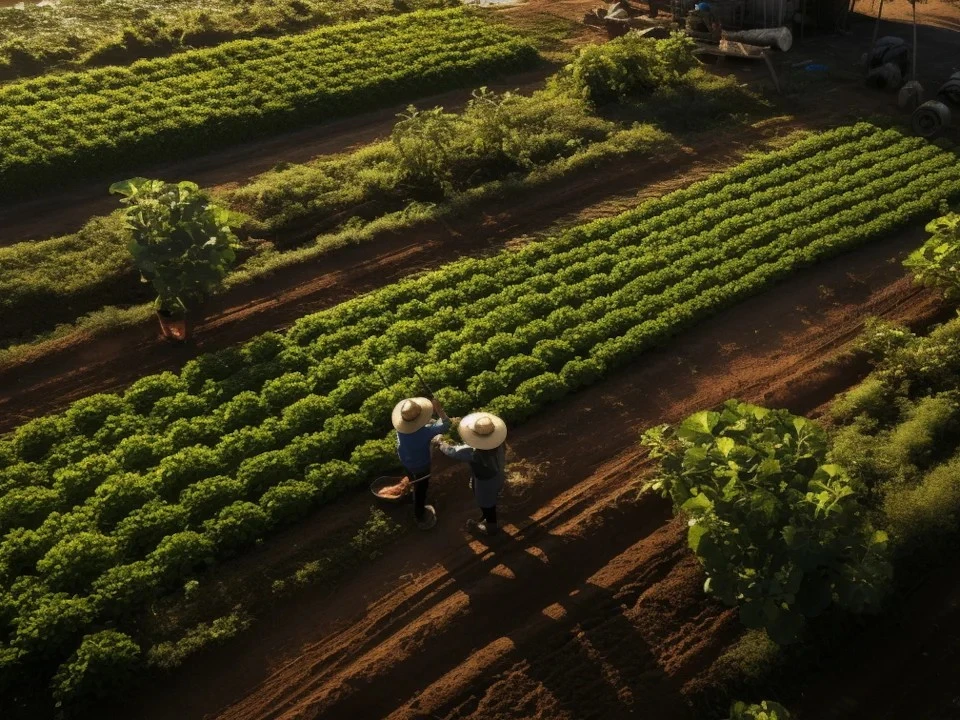
The recognition belongs to Pollica as a whole: fishers, farmers, cooks, artisans, families, children, researchers and institutions who, through everyday practices, knowledge and traditions passed down over generations, continue to safeguard, practice and keep the heritage of the Mediterranean Diet alive.
The recognition is particularly significant because it presents the Mediterranean Diet not simply as a dietary model, but as a living system capable of connecting food and health, biodiversity and place, culture and knowledge, human relationships and a sense of belonging.
In its story dedicated to Pollica, FAO portrays a territory where this heritage continues to live every day. From Acciaroli to Pioppi, the sea and traditional fishing, olive trees, figs, legumes, vegetable gardens and local seeds become part of a single story shaped by people, landscape and knowledge. The shared table is not simply a place to eat, but a space where community is built and knowledge passes from one generation to the next.
It was in Pioppi that Ancel and Margaret Keys spent long periods of their lives and research, helping bring international attention to the dietary and cultural model that would become universally known as the Mediterranean Diet.
CONVIVIUM: THE TABLE AND GASTRODIPLOMACY AT THE HEART OF UNGA WEEK
That same community has come to New York and, through the Future Food Institute and the Mediterranean Diet Study Center of the Municipality of Pollica, is bringing conviviality and gastrodiplomacy to the heart of United Nations General Assembly week with CONVIVIUM, the Italian house opened in the East Village.
Here, the table becomes an instrument of diplomacy: a tangible space for encounter, listening and cooperation.
Breakfasts, meetings, workshops, conversations, tastings and dinners bring international institutions, scientists, mayors, businesses, innovators and communities around the same table to address some of the defining issues of our time: public health, food systems, water, climate, biodiversity, culture and peace.
It is gastrodiplomacy in its most concrete sense: using food and the universal act of sitting together not simply as a backdrop for meetings, but as a tool for building relationships, trust, cooperation and action.
It is also how Pollica is bringing one of the Mediterranean Diet’s deepest lessons to New York: the future is not built only in conference rooms. Very often, it begins around a table.
“The recognition of the Community of Pollica as an FAO Food Hero is extraordinary precisely because it puts people and community at the center,” says Mayor Stefano Pisani.
“It confirms that the Mediterranean Diet is a living heritage: it exists because there is a community that continues every day to practice it, safeguard it, innovate it and pass it on. This is exactly the spirit we have brought to New York with CONVIVIUM. Sitting at the same table means sharing not only food, but knowledge, responsibility and a common future. Pollica shows us how a territory can become a laboratory for transformation, and how a deeply local heritage can speak to the world,” says Sara Roversi, President of the Future Food Institute.
FAO’s recognition also comes in a historic year for the Mediterranean Diet, as the world prepares for the first observance of the International Day of the Mediterranean Diet on November 16.
Pollica will be at the forefront, carrying the voice of a community that has shown for generations that safeguarding heritage means continuing to make it live, evolve and be passed on.
From Pollica to New York, the message is the same: the Mediterranean Diet is not simply a legacy to preserve. It is a heritage to live and a contemporary tool for building health, sustainability, community, dialogue and peace.
And today, FAO recognizes as a Food Hero the very community that continues, every day, to keep it alive.