
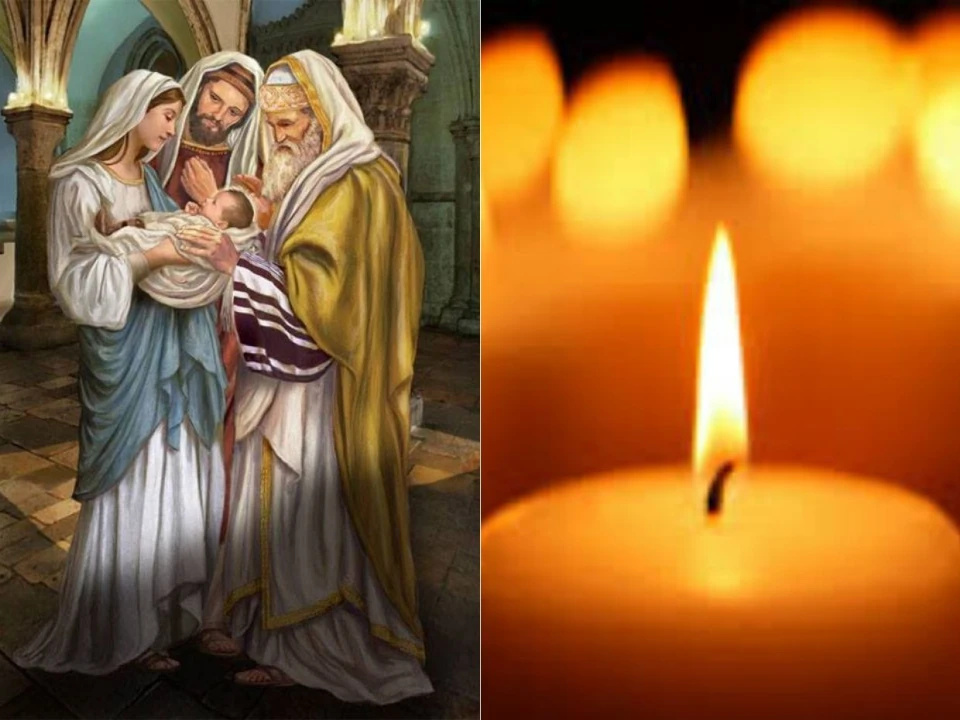
February 2 has long been a symbolic checkpoint in the winter calendar, linking ancient beliefs, religion, and popular weather lore on both sides of the Atlantic. In Italy and much of Europe, the date is known as Candelora (Candlemas), a tradition that took shape more than 1,500 years ago.
Historically, it marked a moment when daylight had clearly begun to return. By early February, days are already about 90 minutes longer than at the winter solstice, a measurable shift that people noticed even centuries before modern science.
Candlemas blended Christian ritual with older seasonal customs. Candles were blessed as symbols of light overcoming darkness, but the day also became tied to folk sayings about the weather. A bright, clear February 2 was often interpreted as a warning that winter still had weeks to go, while clouds or rain suggested the cold season was weakening. These sayings reflected a practical concern – farmers wanted clues about when frost might ease and when fields could be prepared again.
In North America, the same date evolved into Groundhog Day, now one of the most recognizable bits of weather folklore in the United States. The modern version centers on a groundhog emerging from its burrow to “predict” the season. If it sees its shadow on a sunny morning, tradition says winter will last about six more weeks. If not, spring is expected to arrive early. While the groundhog’s accuracy is often joked about – historical records put it at roughly 35 to 40 percent – the ritual has become a cultural staple.
The best-known celebration takes place in Pennsylvania, where Punicxsutawney Phil draws crowds that can exceed 30,000 people in a single day. Despite its playful tone, Groundhog Day shares the same roots as Candlemas – a human desire to read nature’s signals at midwinter.
Today, whether framed as faith, folklore, or fun, February 2 remains a reminder that winter has passed its midpoint and change is already underway.