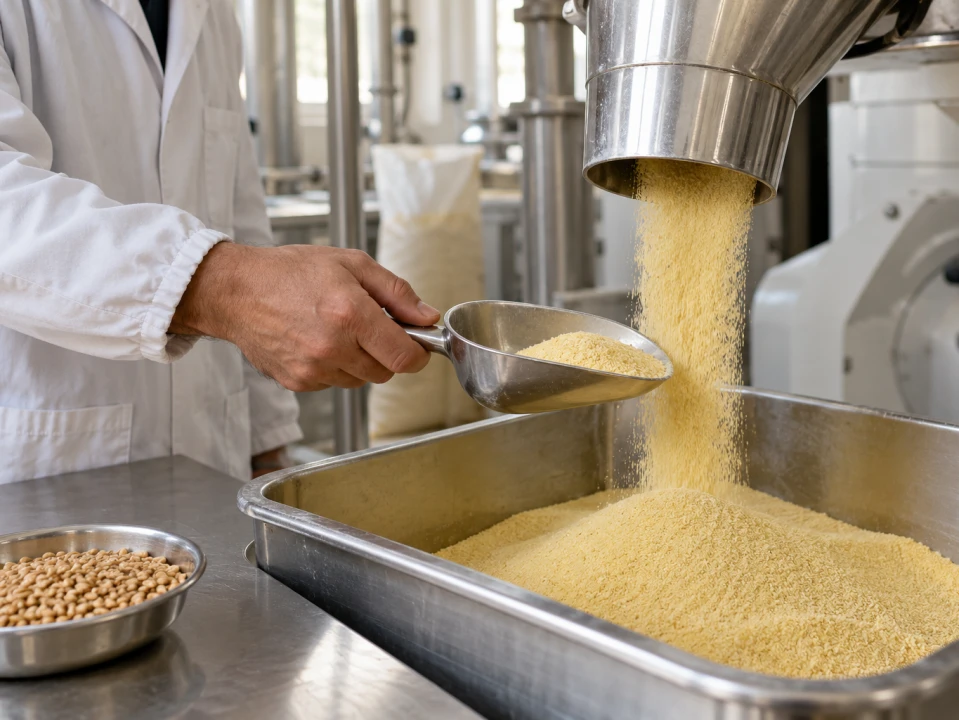
t Luca Bianchi’s farm outside Fabriano, in the hills of Italy’s Marche region, the wheat grown for pasta does not occupy the same fields year after year. Some seasons the land carries chickpeas or lentils instead, while elsewhere there is alfalfa, a plant better known as animal fodder.
It may seem an unusual way to run a pasta business, particularly when the aim is to produce enough wheat to keep making pasta, but the other crops have a purpose that becomes clear once you look beneath the surface. Bianchi practices regenerative agriculture, an approach that asks farmers to consider what condition their land will be in after the harvest, and what they can do to ensure that it remains productive for the years ahead.