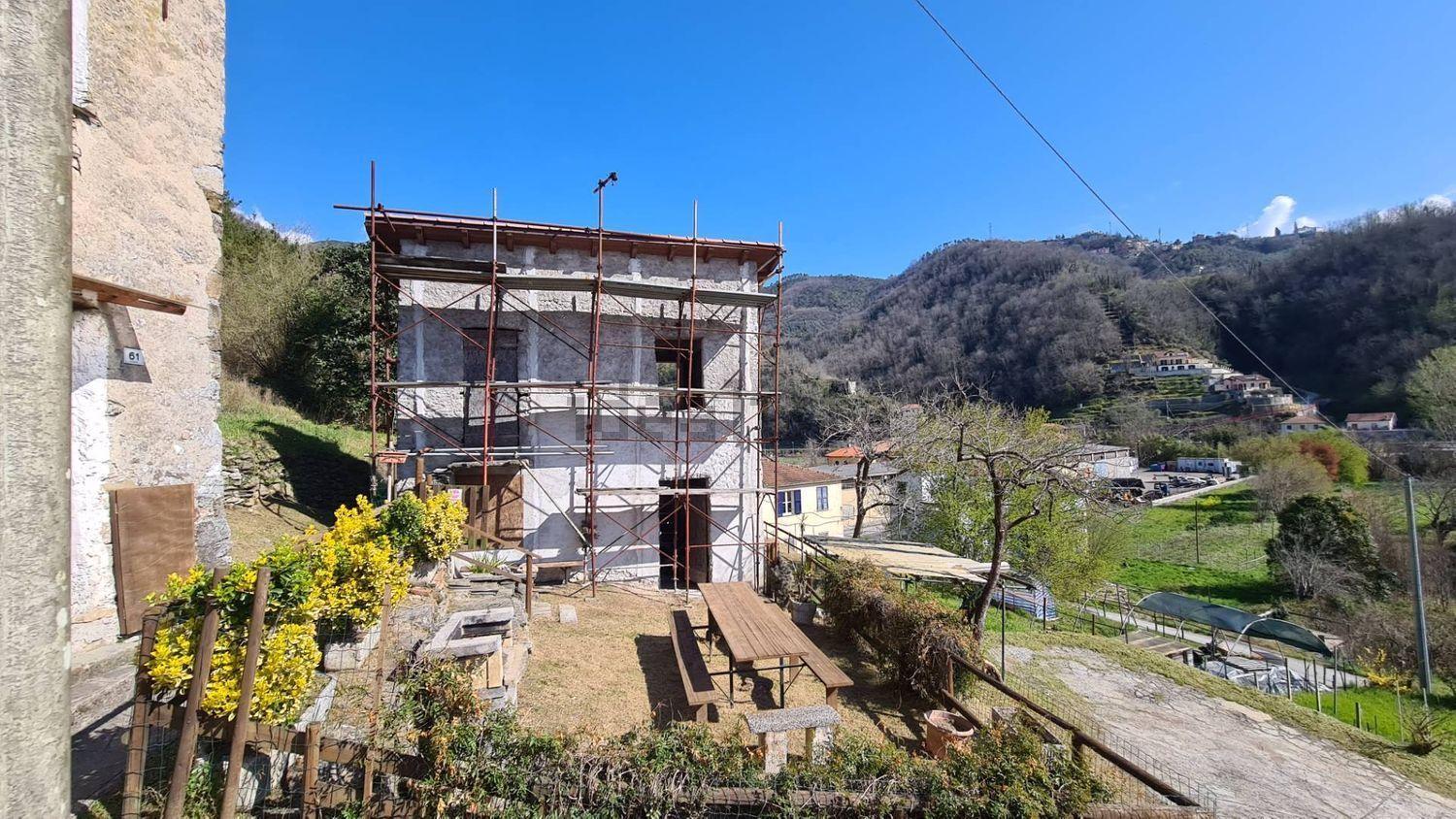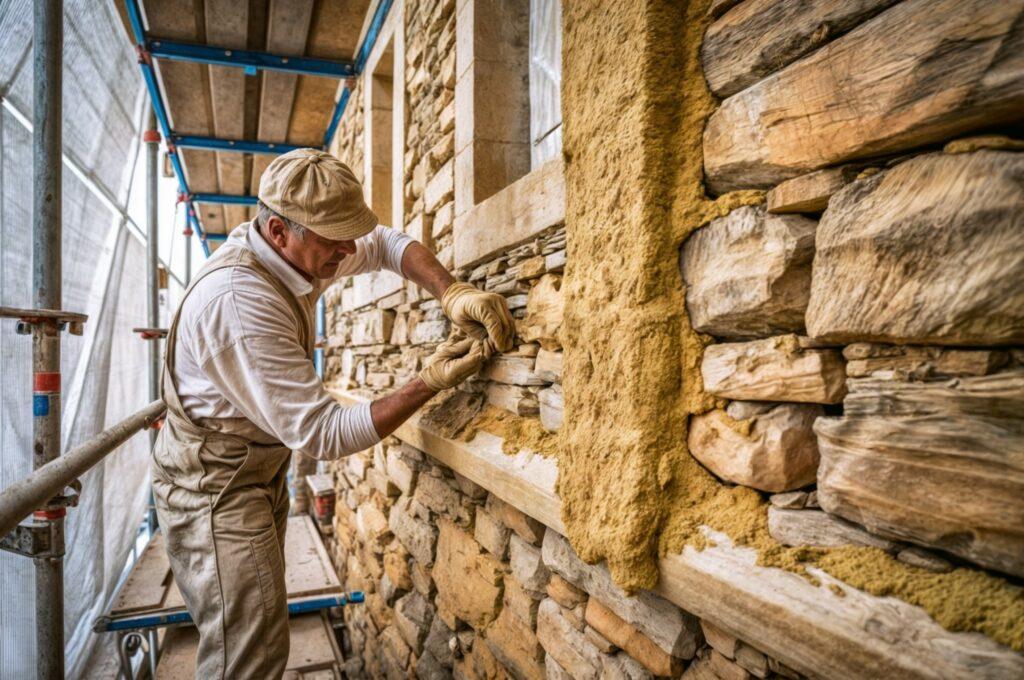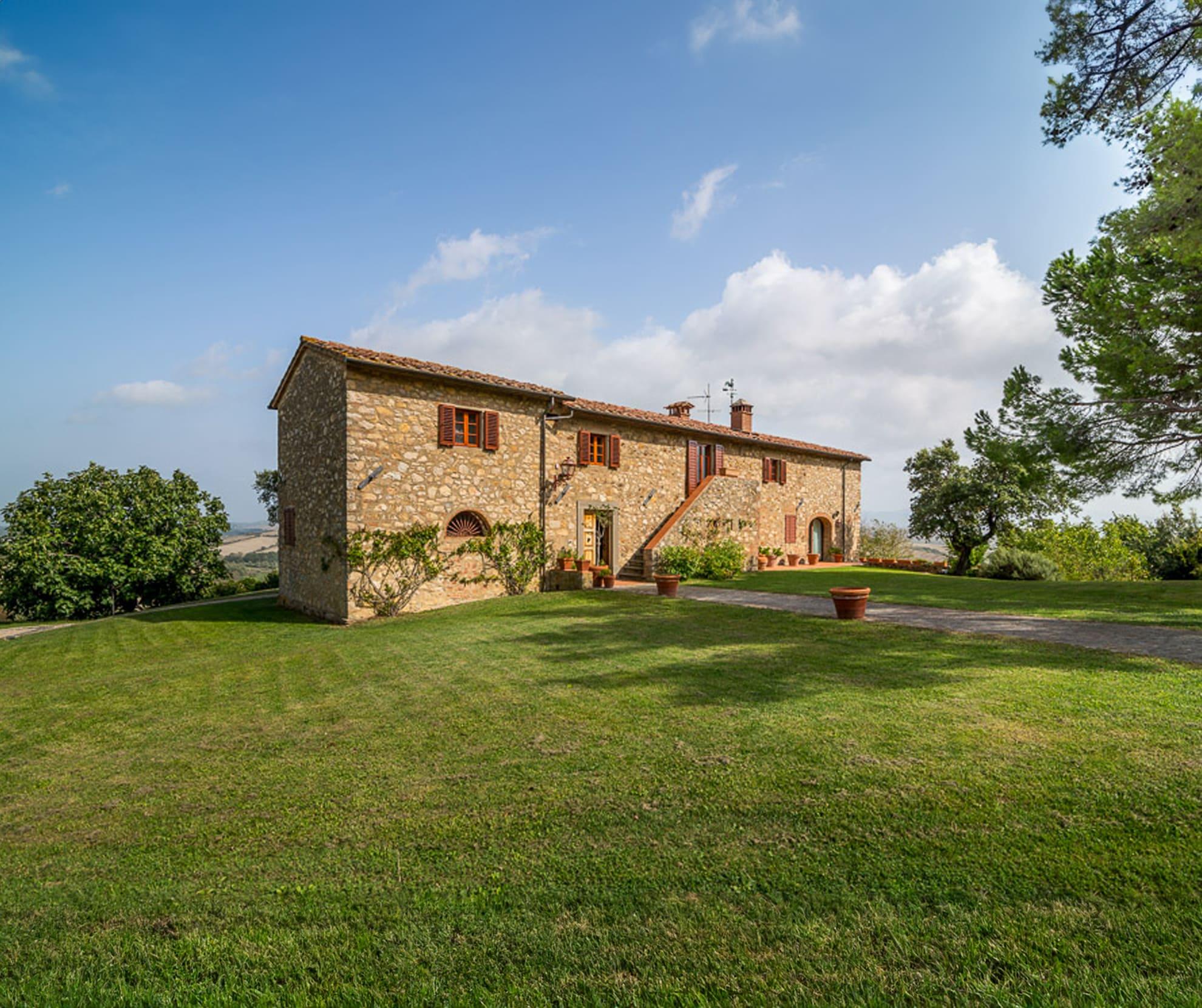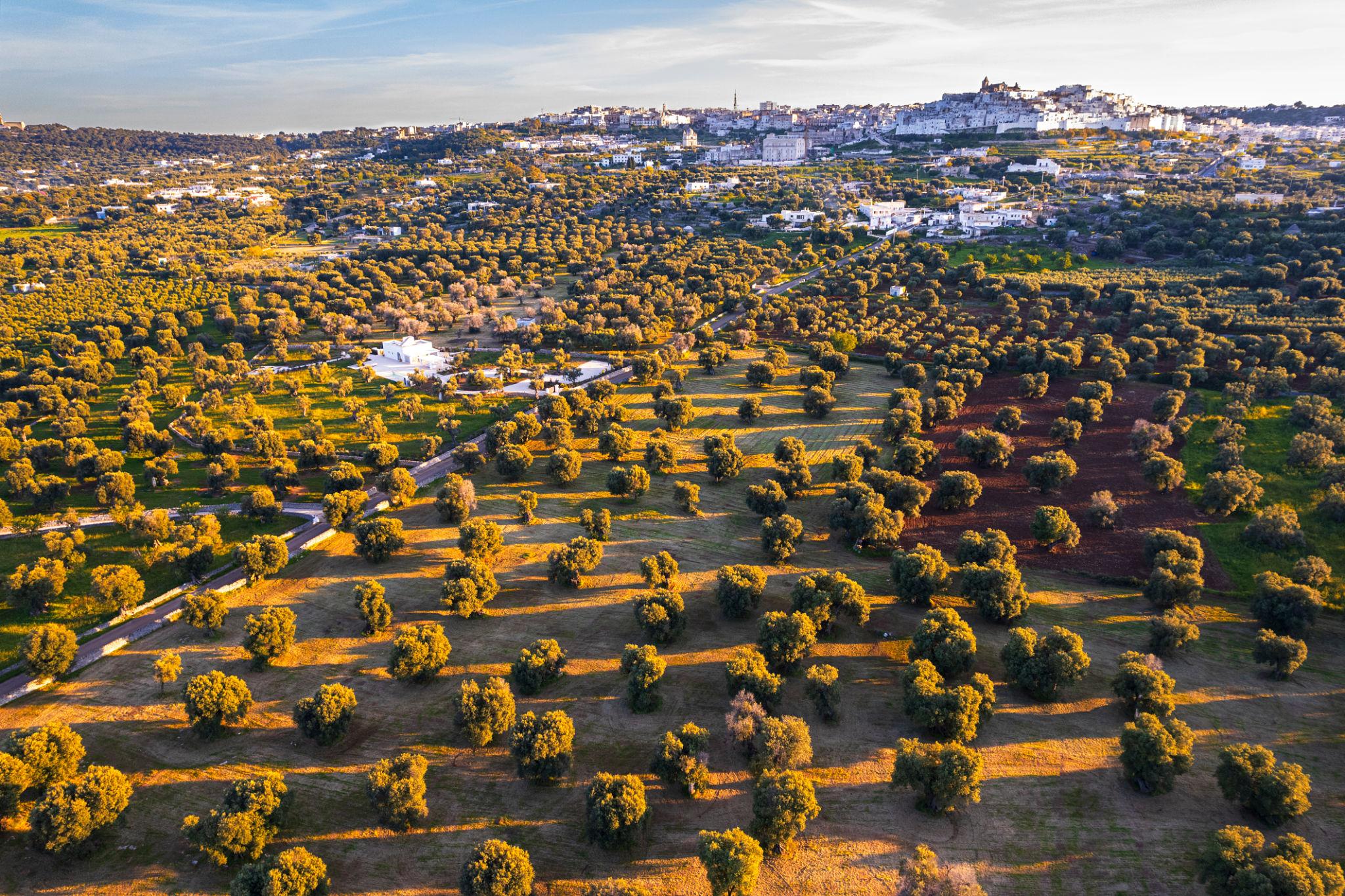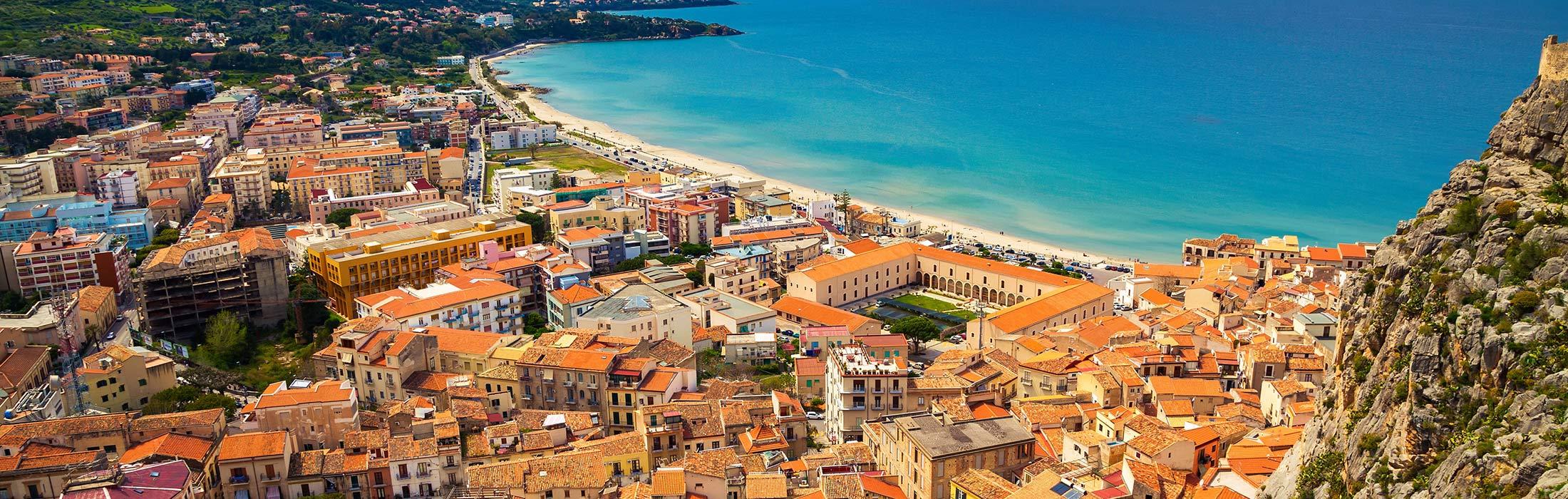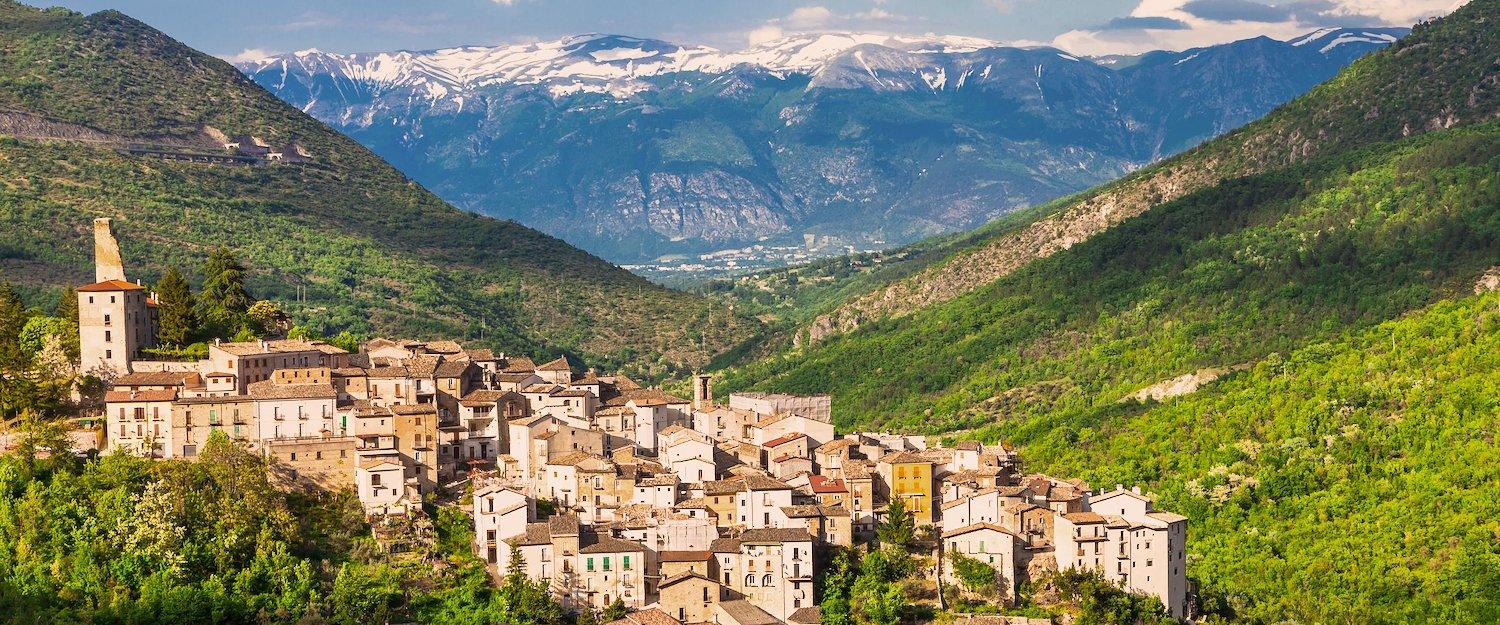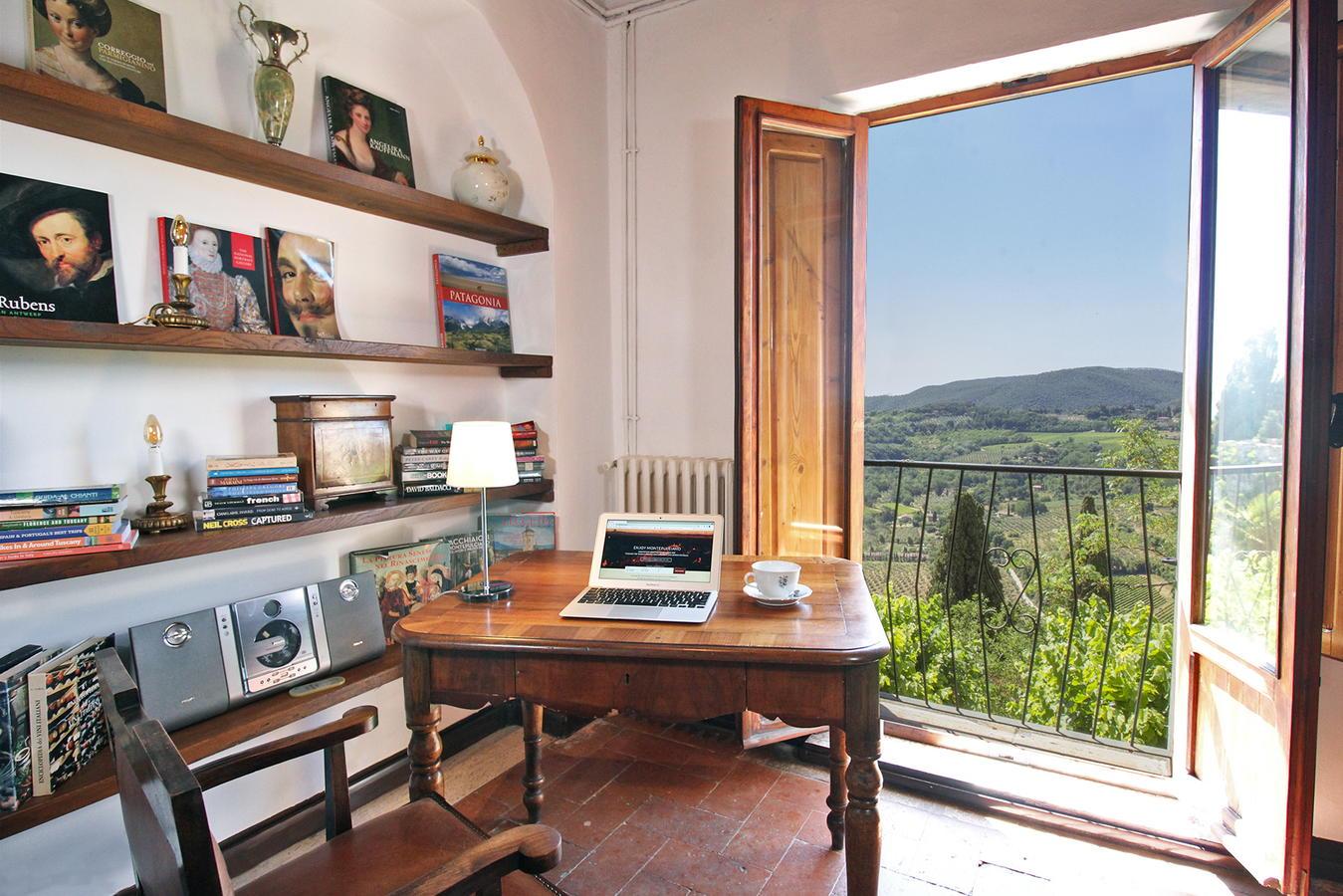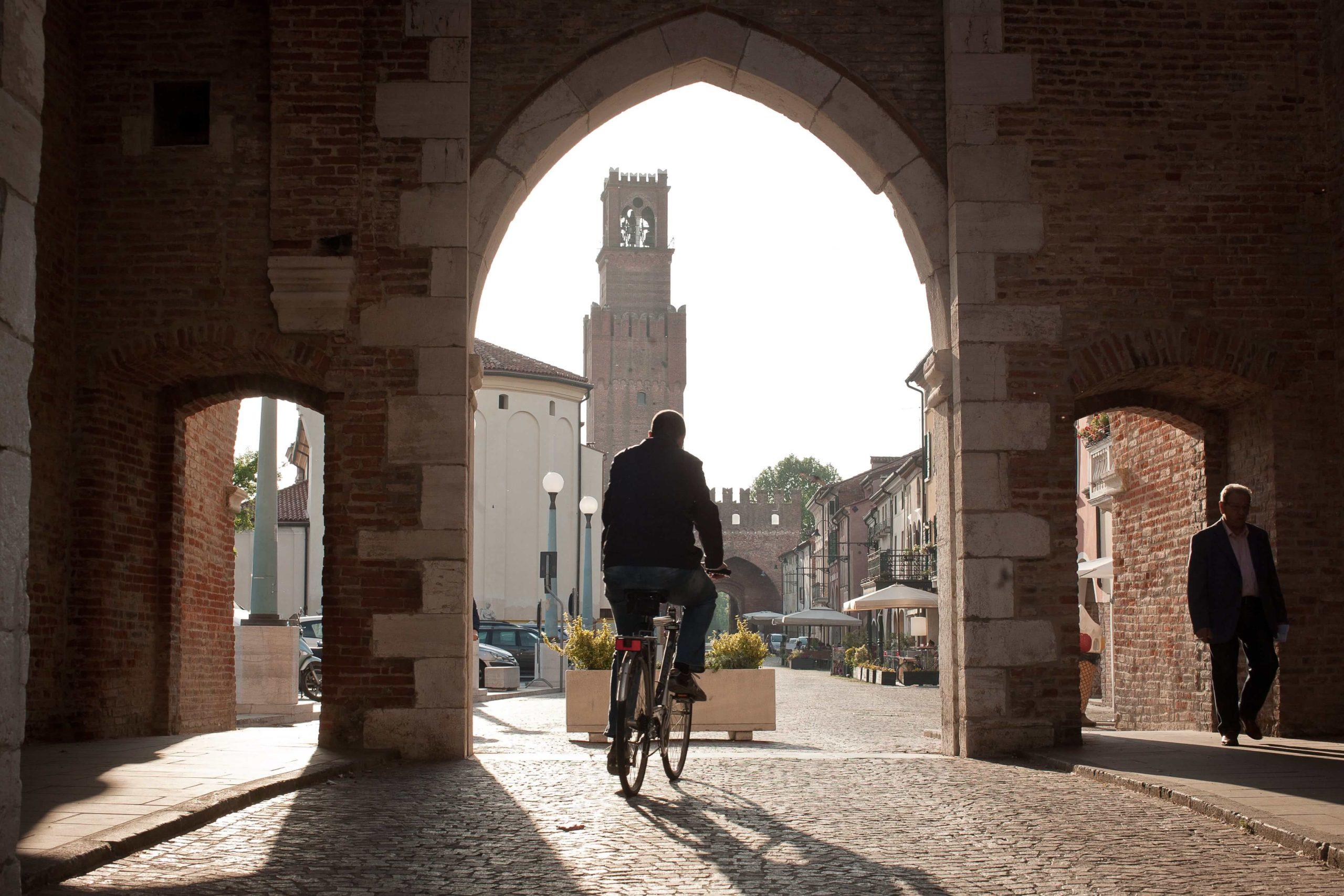


For the past few years, the number of foreigners purchasing homes in Italy has continued to grow, particularly Americans, including many Italian Americans. Drawn by a mix of myths and realities, and often without the guidance needed to fully understand what they are getting into, their enthusiasm is contagious and wonderful. In many cases the outcome is equally rewarding, though not always.
We the Italians is pleased to count on a friend, Matteo Cerri, founder of ITS ITALY, as our Ambassador for relocation to Italy. We would like to ask him a few questions that we are certain are both essential and interesting for all our readers who have already purchased, or are thinking about purchasing, a home in Italy. I am sure you will find this interview extremely interesting.
ITS ITALY supports the revival of Italy's small towns by simplifying the purchase, renovation, and management of properties, encouraging investments that have a positive impact on local communities. At the moment, it operates in Piedmont, Apulia, Basilicata, Lazio, Calabria, Sicily, Sardinia, Liguria, Tuscany and the Marche. You have helped many Americans fulfill their dream of buying a home in Italy, or even settling here for part of the year or permanently...
ITS ITALY did not begin, and it is essential for me to say this from the outset, as a real estate project. It was born abroad more than 10 years ago, in the London market, as a platform for talking about Italy in non-Italian terms to people looking at our country from the outside - with admiration, certainly, but also with the critical, practical, and sometimes rather blunt perspective that you learn quite quickly in London. For years, ITS was an editorial platform, an events organizer, a club in Mayfair in central London, a magazine, and a community. Until the Covid pandemic, we told the story of Italy through its products, businesses, regions, culture, excellence, and contradictions, always trying to avoid postcards and export-ready folklore.
In 2020, we were forced to realize that simply promoting Italy was no longer enough. There was a more tangible opportunity: helping bring genuine regeneration to the country's most beautiful yet challenging places through people - foreigners, people of Italian descent, or Italians returning home - who were willing not only to buy, but also to invest their time, money, and passion. Our motto, "Don't just visit, belong," was never a catchy slogan for a brochure. It was, and still is, a method.
Today, we guide individuals and families in understanding whether, where, and how the Italy they dream about can become a real choice. We help them evaluate regions, properties, risks, costs, timelines, renovations, property management, and, when necessary, even reconsidering the project itself. After nearly 200 transactions across 25 countries, we have learned that the challenge is almost never just about real estate. The house matters, but what matters even more is what a person wants to do with it, whether that place truly fits the life they envision, and whether the investment also creates value for the local community.
We work across different regions because Italy is not a single product, but rather a wonderfully disordered collection of economies, communities, seasons, and local cultures. The commercial value of ITS ITALY lies in bringing together dreams and budgets, beauty and maintenance, enthusiasm and land registry records, personal vision and local impact. That is also why ITS Journal, our logbook, is now in conversation with more than 200,000 subscribers and followers: behind every Italian home there are stories, places, and transformations that are far greater than a simple real estate transaction.
In the United States, the image of Italy is often shaped by Instagram, television shows, and idealized stories. What is the biggest difference today between the Italy Americans imagine and the one they actually encounter when they decide to relocate?
The biggest difference is that the Italy people imagine is often an aesthetic experience, while the real Italy is a relationship. And relationships require patience, listening, a sense of humor, and a certain ability to keep your cool when something simple suddenly becomes medieval.
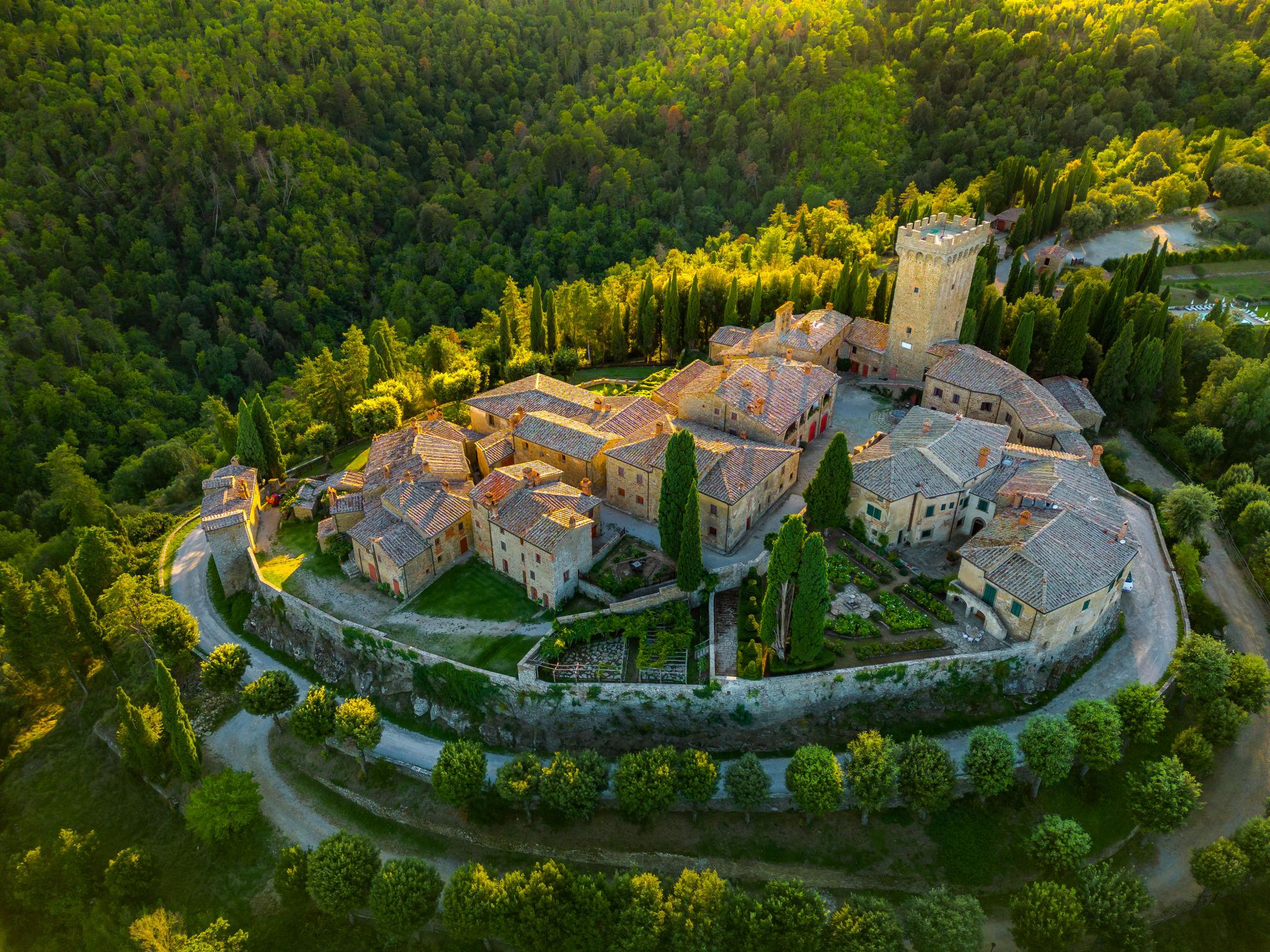
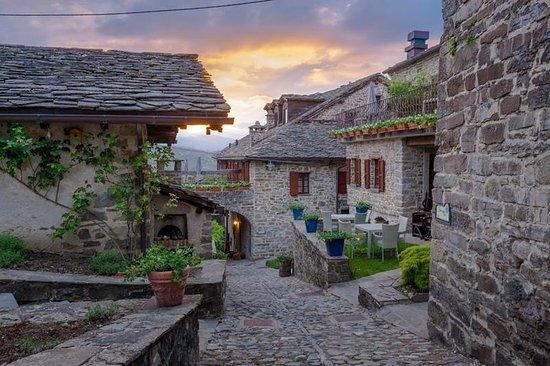
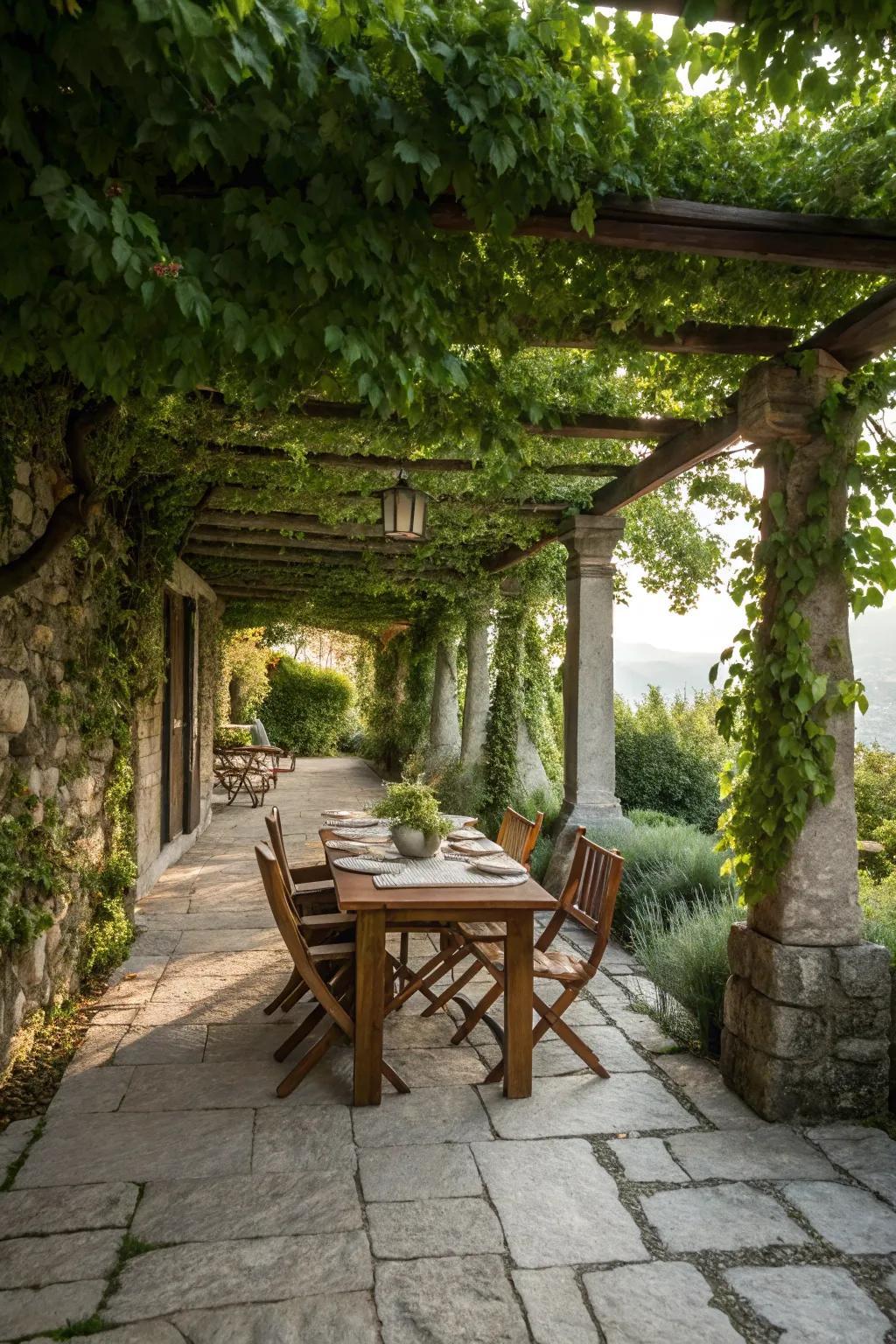
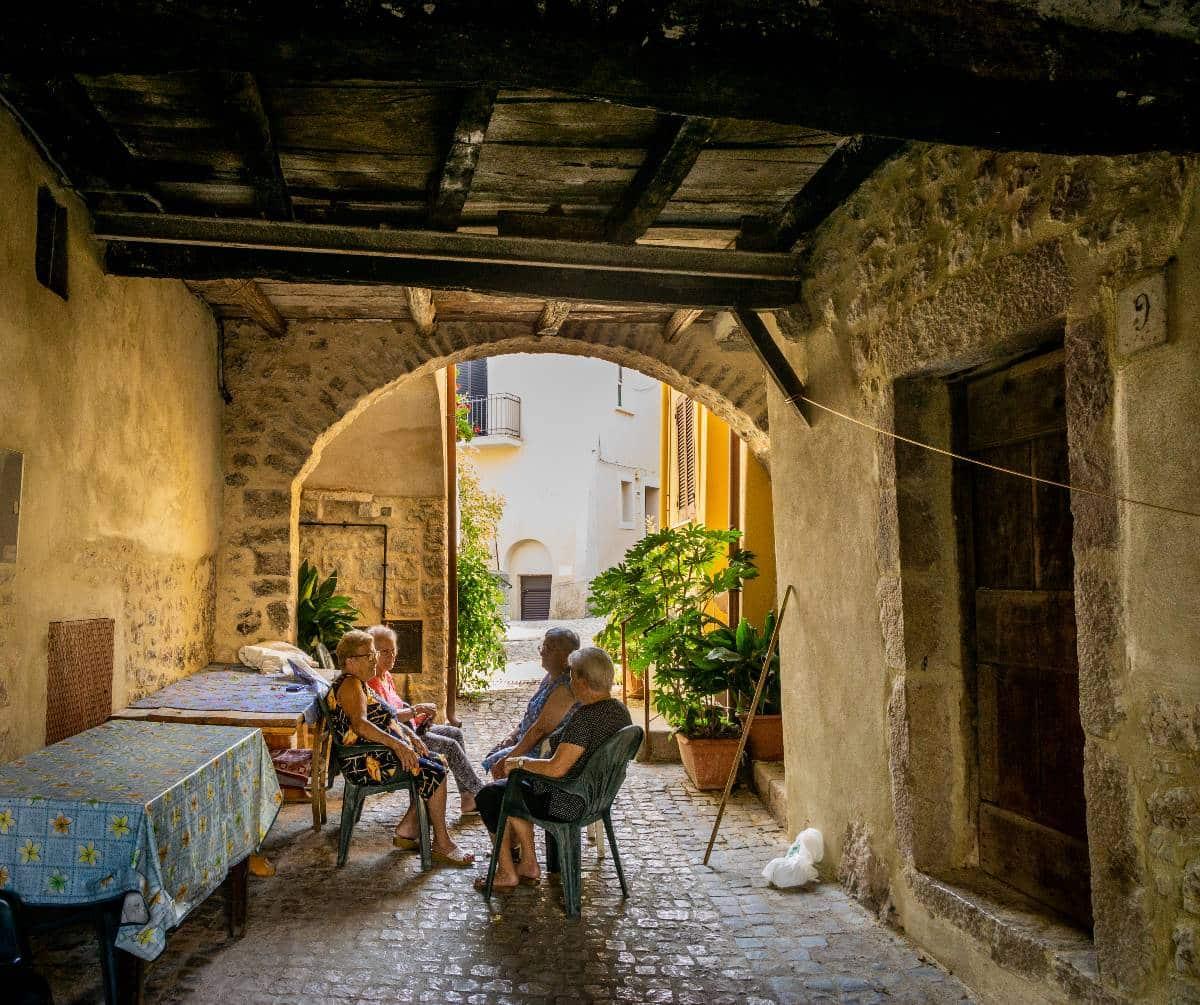
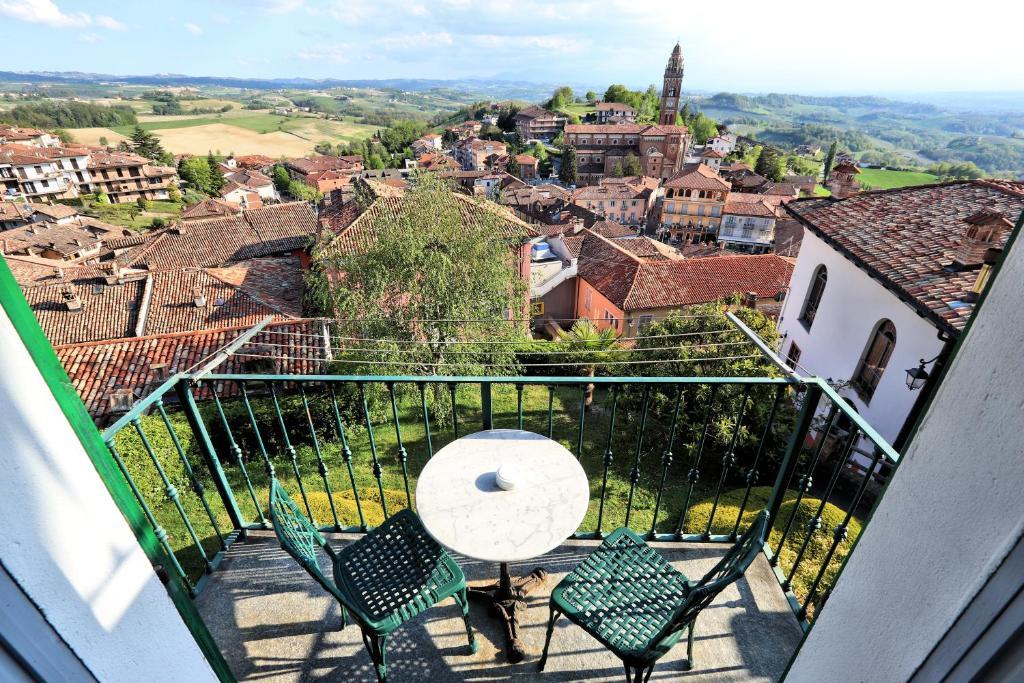
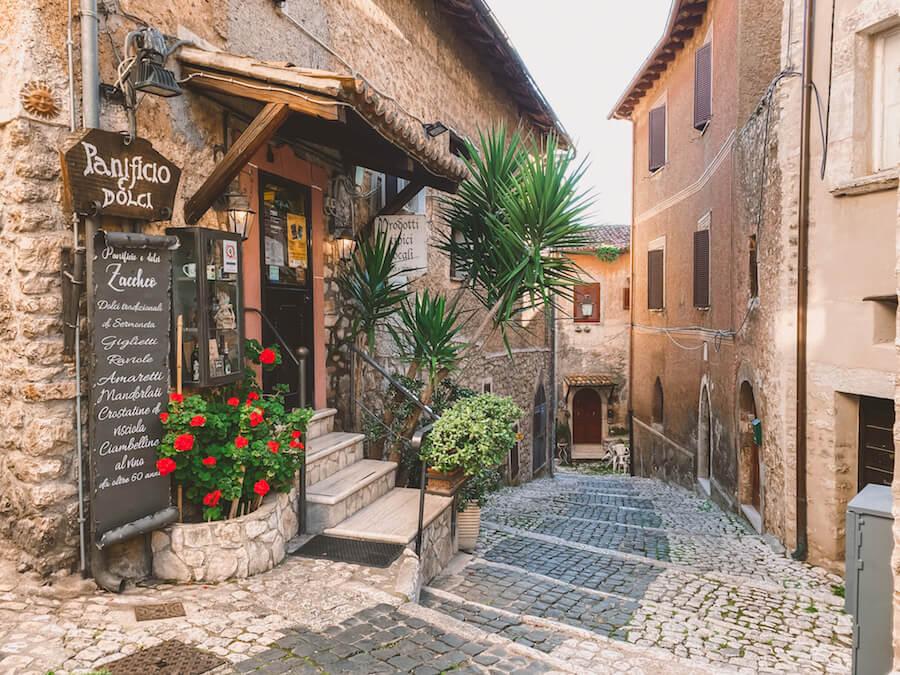
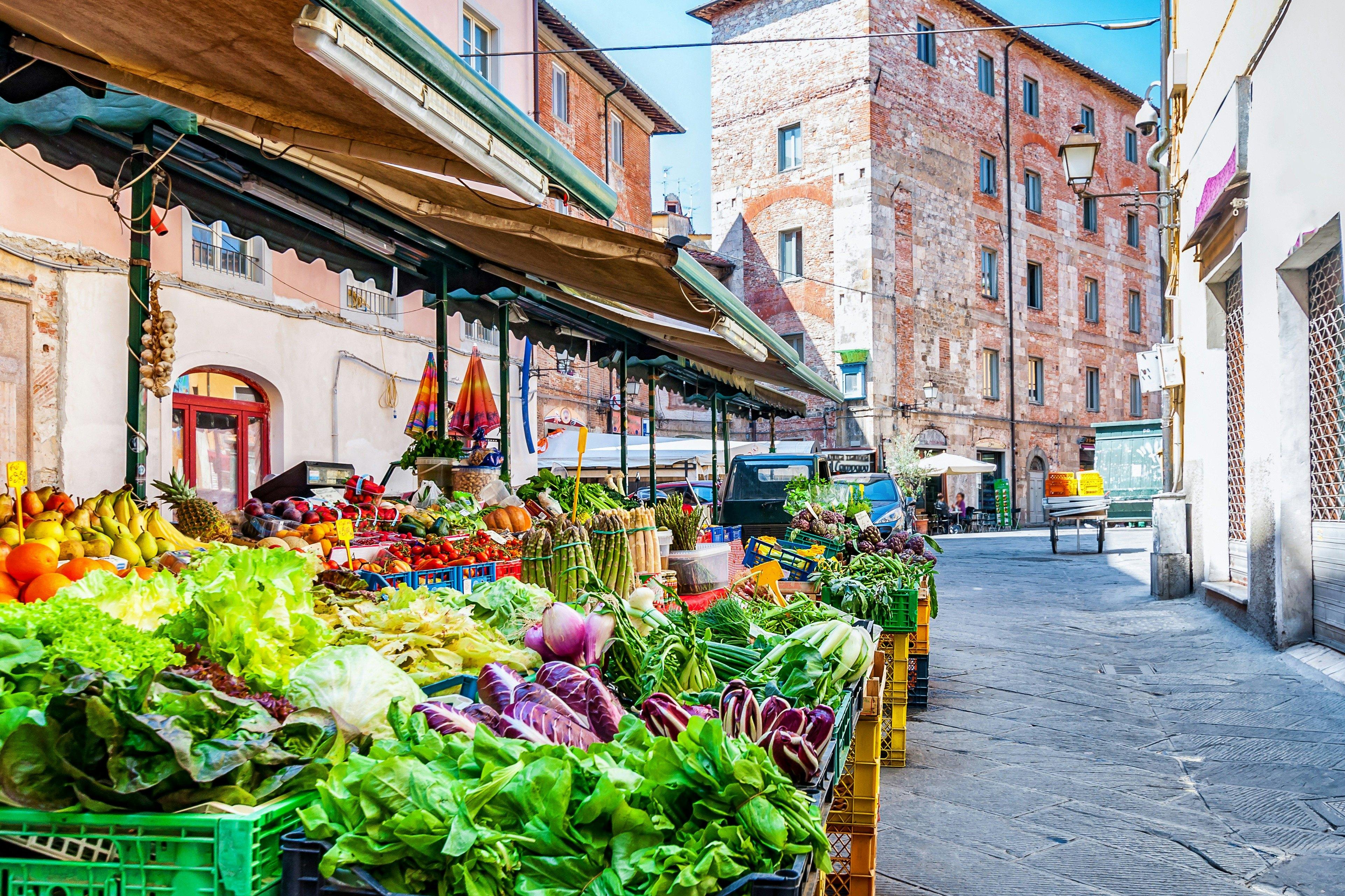
The Italy seen from the United States is beautiful: perfect hill towns, tables under vine-covered pergolas, olive trees, wine, markets, grandmothers straight out of a documentary about the joy of food. All of that exists, at least in part. But it is not the whole of Italy - it is simply its most photogenic moment. The real Italy is deeper, more generous, and far less domesticated. It is not a resort disguised as a country, but a real country, with real communities, local governments, artisans, genuine delays, and genuine contradictions.
The point is not to dismantle the dream. On the contrary, my job is to protect it from its most fragile version - the one made up only of pictures, enthusiasm, and "we just fell in love with the place," a wonderful phrase until the estimate for the new roof arrives. Many Americans genuinely love Italy, but they often do not ask themselves whether that small town is alive during the winter, whether it has essential services, whether it is easily accessible, or whether it suits the way they want to work, grow older, welcome friends, or feel part of a community. Once that realization comes, the dream does not become smaller - it becomes more mature. Less Instagram, more life.
Many Americans buy a home in Italy before they have even lived in the country, while you often advocate the principle of "live first, buy later." Why can living in Italy for a few months radically change a real estate decision, and what are the most common mistakes you see people make?
"Live first, buy later" does not mean don't buy. It means buy better. I am not against buying; that would be rather strange for someone who works every day with people who want to invest in and restore properties. What I am against is buying as a purely emotional act - or a purely financial one - especially when it comes after three days of sunshine, two unforgettable dinners, and a walk through a perfect little town simply because they have not actually lived there yet.
Living in Italy for a few months turns a fantasy into a routine, which is the real test of any project. You discover whether you truly want a small town or just the idea of a small town; whether the distance from the airport is sustainable; whether the silence feels peaceful or isolating; whether the area is alive all year long; whether you really want to renovate a house or simply say, "we are restoring an old Italian house," another wonderful phrase until the third change order arrives.
The most common mistake is getting the priorities backwards: people fall in love with the house first and then try to adapt their lives to fit the house. The right question is not, "Is this house beautiful?" but, "Does this house work for the life I want to build?" A beautiful home in the wrong place is an expensive problem with good lighting; a less spectacular house in the right setting can become a solid project and even a commercially smart investment. You do not become part of a place by signing papers in front of a notary - you build that sense of belonging over time.
One-euro homes have attracted enormous international attention and have helped introduce many Italian small towns to the world. Beyond the media buzz, how successful have they really been as a tool for local revitalization, and what should people know if they think they represent a simple and immediate opportunity?
One-euro homes have had an enormous advantage: they have shined a spotlight on places that otherwise would have remained outside the international conversation, encouraging journalists, television networks, curious travelers, and investors to look at small towns that had previously been described only with words such as depopulation, abandonment, and nostalgia.
The problem begins when attention is mistaken for regeneration. A media campaign can open a door, but it cannot renovate a house, create jobs, rebuild a community, train skilled tradespeople, or bring back essential services. One-euro homes work when they become the starting point of a broader project; they are far less effective when they are seen as a romantic shortcut to buying a piece of Italy for the price of an espresso.
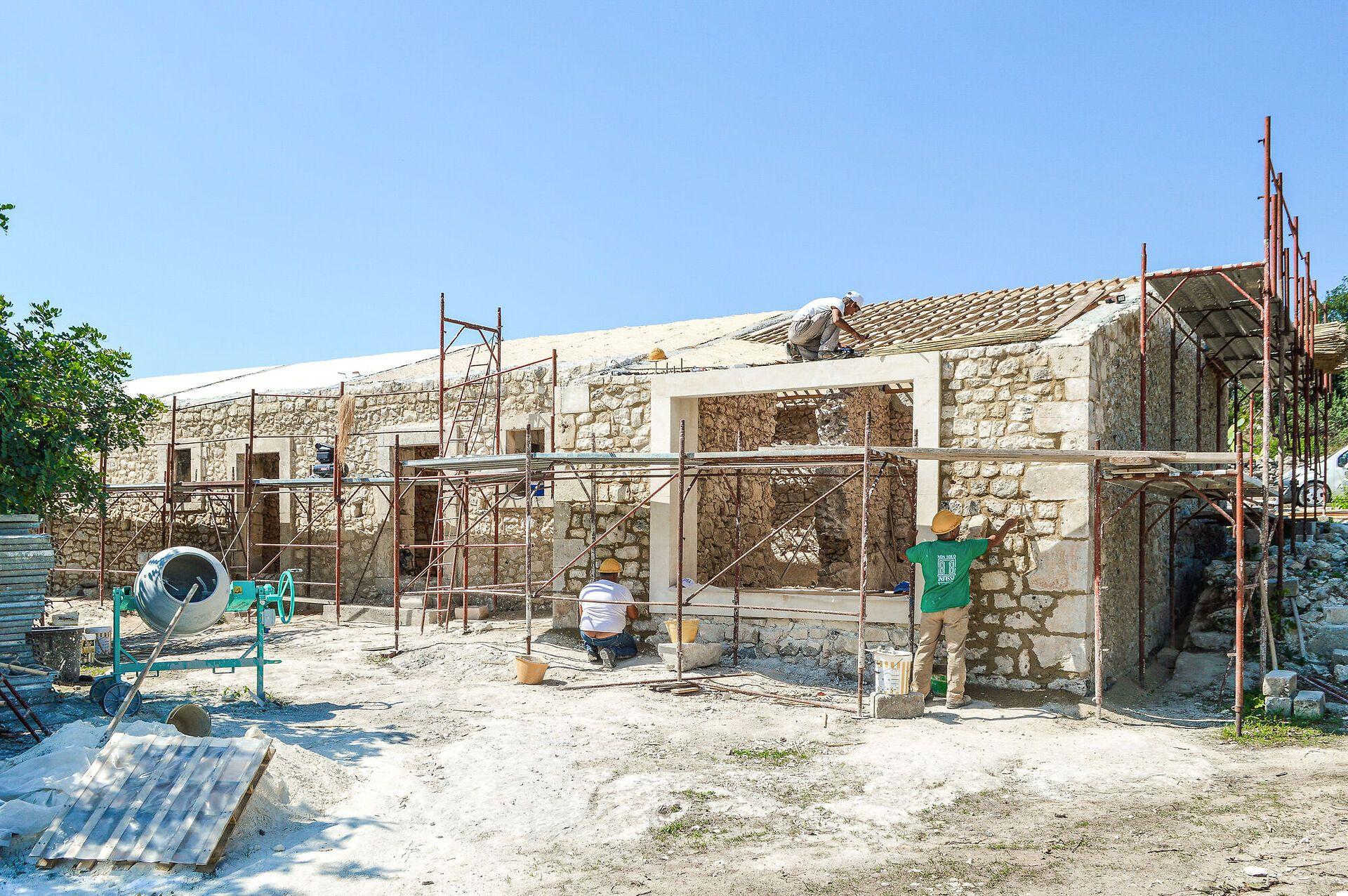
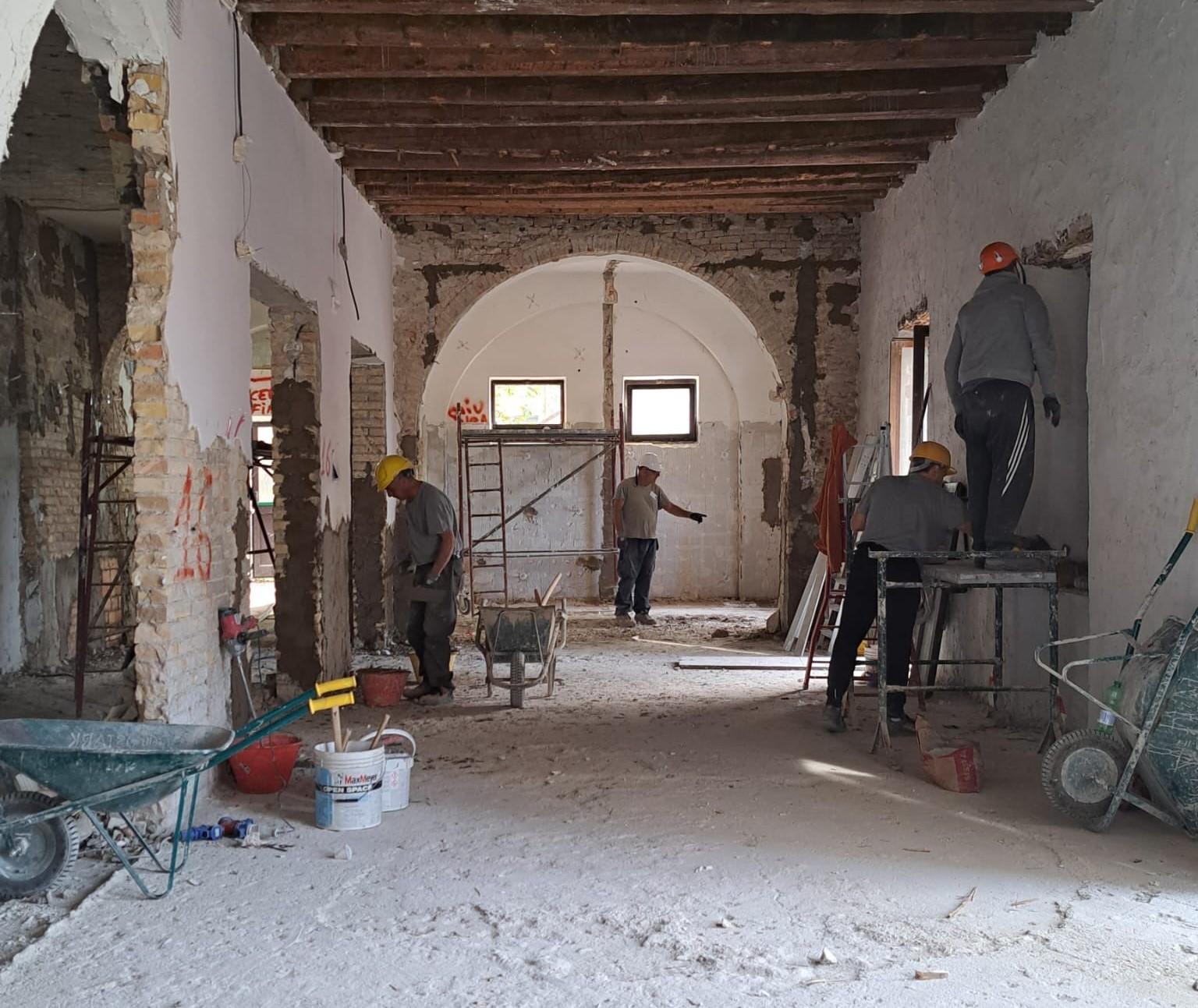
The truth - less exciting but far more useful - is that a one-euro home does not cost one euro. It costs the renovation, the design work, the engineers and architects, the utilities, the permits, the unexpected expenses, long-distance property management, and a great deal of patience. The real question is what happens afterward: Will the buyer live there, use the property, build relationships, support the local economy, and remain involved? Regeneration does not happen simply because a house changes owners. It happens when a property becomes part of a life, an economy, and a community once again. Everything else is television - great for a Sunday evening, less useful when it comes time to sign a construction contract.
There is a huge difference between buying a home in Tuscany, Sicily, Apulia, Abruzzo, or in one of the small towns of inland Italy. What are the main economic, cultural, and social differences an American should consider before choosing a destination?
The first thing to understand is that you do not choose Italy by region the way you would select an option on a real estate website. Tuscany, Sicily, Apulia, Abruzzo, Basilicata, Calabria, the Marche, Sardinia, Piedmont, Liguria, and Lazio are not simply aesthetic variations of the same dream. They are different worlds, with very different economies, seasonal patterns, cultures, accessibility, markets, and ways of welcoming newcomers.
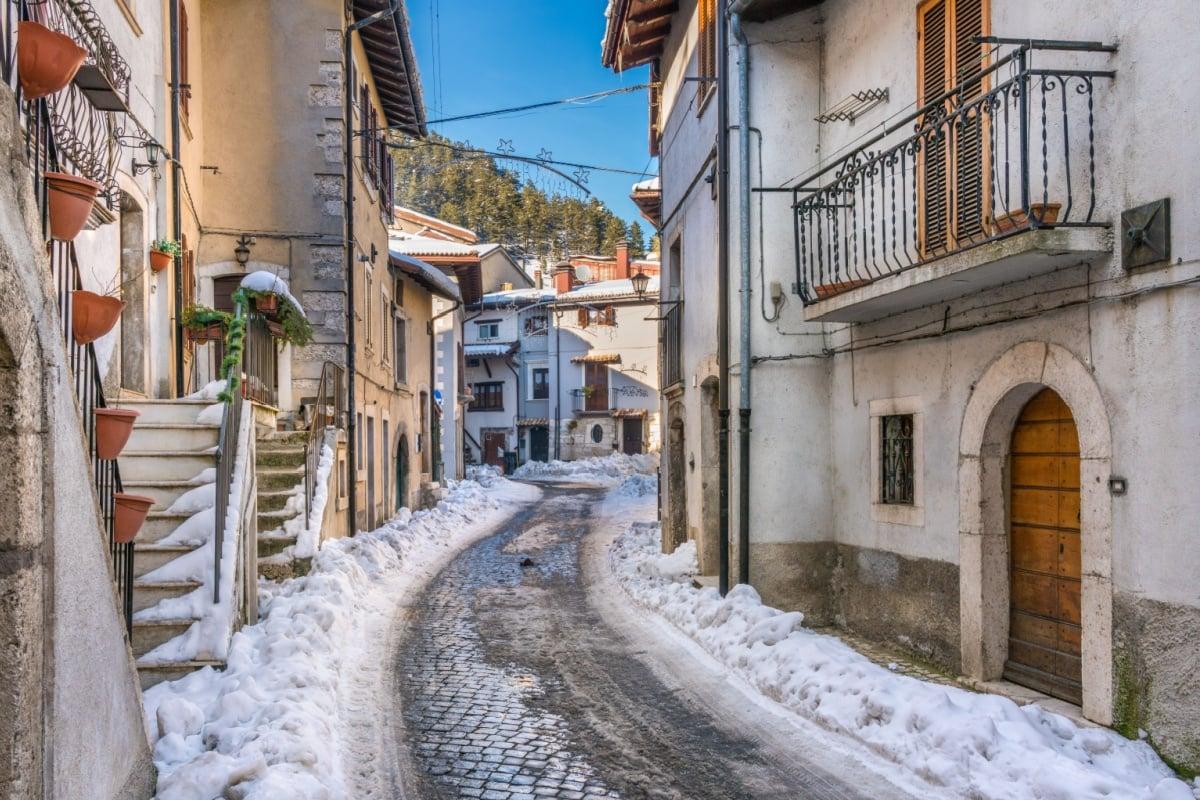
Tuscany has tremendous symbolic appeal and a more mature, better-known market that is often more expensive and competitive. Apulia has an exceptionally strong identity, but its coastline, countryside, the Itria Valley, Salento, cities, and inland areas are all distinct markets. Sicily is almost a continent unto itself: extraordinary, profound, and complex, capable of giving a great deal to those who truly understand it, and of elegantly disappointing those who approach it superficially. Abruzzo and many inland areas can offer an attractive balance of affordability, nature, and quality of life, but lower prices do not automatically make them the better choice.
You need to look at transportation, services, winter conditions, airports, hospitals, businesses, the local community, rental opportunities, and how the property will actually be used. In some places, the presence of foreign residents has been established for years and is completely normalized; in others, it is still relatively new and is met with curiosity, enthusiasm, skepticism, or a very Italian combination of all three. The question is not, "Where is it cheaper?" but rather, "Where can I build the life that suits me best?" If you ask Italy the wrong questions, it has a remarkable way of giving wonderfully misleading answers.
In recent years, the relationship between Italy and the United States in the real estate sector seems to have changed. It is no longer just about vacation homes, but about genuine life projects. What factors are leading more and more Americans to consider Italy as a long-term destination?
I believe this shift is driven by practical, cultural, and emotional factors. For a long time, Americans viewed Italy primarily as a vacation destination, a return to their roots, or a romantic place to retire. Today we are seeing something different: people who are not simply looking for a home where they can spend a few weeks each year, but for a second base, a stable presence, and sometimes a genuine alternative to the way they have lived up to that point.
Remote work has accelerated this trend, but it does not explain it entirely. There is growing demand for quality of life, time, meaningful relationships, safety, everyday beauty, and a different way of living in the world. Italy is not a national therapy for America's anxieties, but it does offer a rare combination of historical heritage, landscapes, culture, homes that remain affordable in certain markets, tax incentives in some cases, a public healthcare system, mid-sized cities, and small towns that have the potential to thrive again.
For Italian Americans, there is also the idea of returning - not always in a geographic sense, but often in an emotional one. They are not simply looking for a property; they are looking for a way to reconnect with their own story. That is powerful, but also delicate, because the real Italy does not always match the Italy preserved in family memories. That is why people who come here should not be treated simply as buyers of a second home. They may become residents, investors, neighbors, and members of a community. The house is the gateway, not the ultimate goal. Choosing a country is far more serious than booking one.
You have written that the regeneration of local communities begins not with buildings but with people. Looking at the Italian small towns that have been most successful in attracting new residents, what social and community characteristics truly make the difference, beyond simply having inexpensive homes available?
Empty houses are a symptom, not a strategy. They may be beautiful, with exposed wooden beams, breathtaking views, and price tags that make the hearts of people arriving from New York or Boston skip a beat. But on their own, they mean (almost) nothing. Restoring a property matters, but if it remains an isolated object, used for only two weeks a year and disconnected from the place, its economy, its people, and its community, its impact is limited.
A place comes back to life when someone lives there, uses it, walks its streets, works there, invests there, and brings time, friends, skills, customers, energy, and even problems - because real problems are also signs of life. The small towns that attract new residents are not necessarily those with the cheapest homes. They are the ones that offer a credible opportunity to build a life: communities that know how to welcome newcomers without selling themselves short, local residents who believe in their town, strong local networks, essential services, gathering places, and a living identity rather than mere folklore.
Another key factor is how newcomers are integrated. If foreigners are seen only as walking wallets, the relationship starts off badly. If they believe that buying a house also gives them the right to reinvent the town in their own image, it starts off even worse. The future of ITS must go beyond housing: intelligent hospitality, new forms of residential living, culture, services, remote work, international networks, returning Italians, and investments that create a positive impact. The real value is not simply bringing people to small towns, but bringing the right people and helping local communities manage this growing interest wisely.
If you could give one piece of advice to an American who dreams of relocating to Italy in the coming years, what should they realistically expect from the country - financially, bureaucratically, culturally, and personally - and what expectations should they leave behind before taking the leap?
My first piece of advice would be to update the dream to its adult version. Italy has a tremendous amount to offer: everyday beauty, culture, breathtaking landscapes, more meaningful human relationships, extraordinary cities and small towns, food as an underrated expression of civilization, and a different relationship with time and everyday life. It can provide a quality of life that many Americans find deeply appealing.
That said, it is not a permanent vacation. Financially, the purchase price is only the first number. You also need to account for renovations, taxes, architects and engineers, permits, maintenance, utilities, property management, travel expenses, potential rental arrangements, and unexpected costs - which, in Italy, seem to have a certain artistic flair. That's why I break out in hives whenever someone tells me they bought a house from afar!
From a bureaucratic standpoint, the country can be complex and fragmented, but it is not impossible to navigate. The key is to surround yourself with the right professionals, choose trustworthy advisors, and avoid believing that personal efficiency alone can straighten out systems that have evolved over centuries.
From a cultural perspective, you should expect profound differences. Italy is not simply a more beautiful place where you can continue living exactly as you did before; it can change the way you live. Trust is built over time, the language matters, communities tend to observe newcomers before truly embracing them, and the social rhythm is different.
The expectations you should leave behind are straightforward: that Italy is inexpensive everywhere; that buying a home automatically means you belong; that bureaucracy is merely an inconvenience standing between you and la dolce vita; or that authenticity is always comfortable. Come before you decide. Live here before you buy. Listen before you plan. Choose the place before you choose the house. "Don't just visit, belong" is exactly what that means: don't come simply to take something from Italy - come to build a relationship with Italy. If you do it well, the country can give you far more than just a home.