In this year of important anniversaries, one concerns an Italian region, a tragic earthquake, and an extraordinary demonstration of friendship and solidarity that the United States offered to Italy. Fifty years ago, in May 1976, Friuli Venezia Giulia was struck by a powerful earthquake.
At that time, the U.S. presence in Friuli Venezia Giulia was significant, especially from a military standpoint. The main hub was Aviano Air Base, near Pordenone, used by the U.S. Air Force within the NATO framework during the Cold War. The base hosted American military personnel and represented one of the key strategic U.S. outposts in northeastern Italy. This presence also fostered ongoing relationships with the local territory, both with public authorities and with the population.
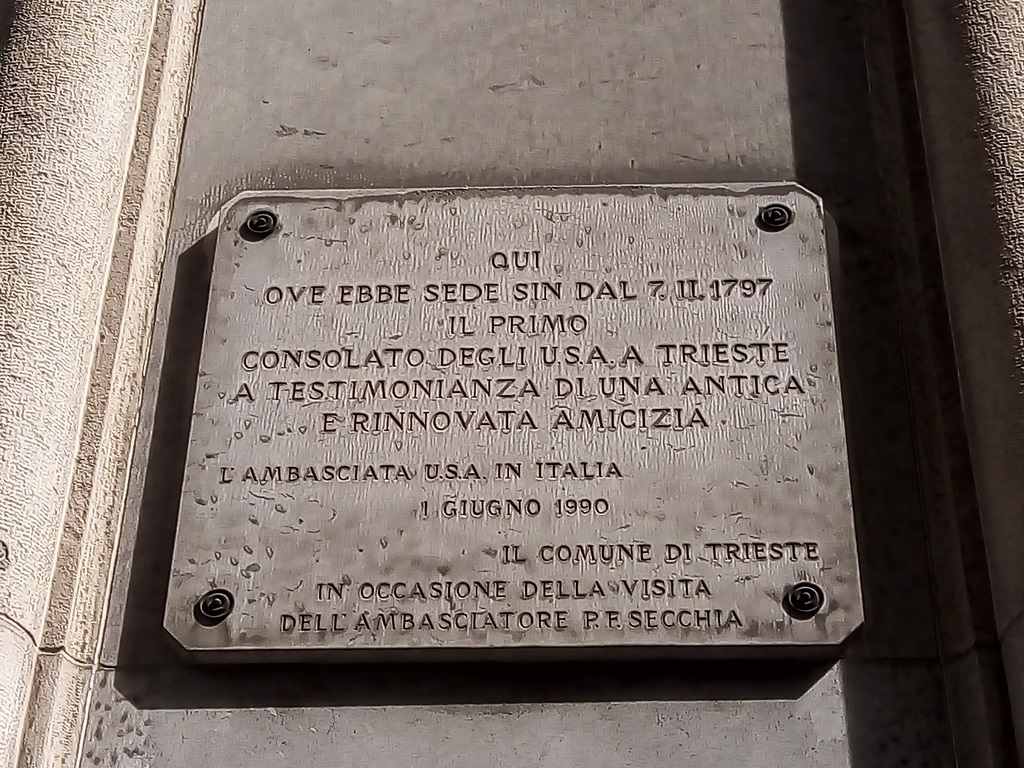
The United States also had a Consulate General in Trieste, which was still active at the time and carried out diplomatic and consular functions for the entire region. Thanks to the presence of Aviano Air Base and the already well-established relationships between Italian and American authorities, U.S. aid could be organized and coordinated very quickly after the earthquake.
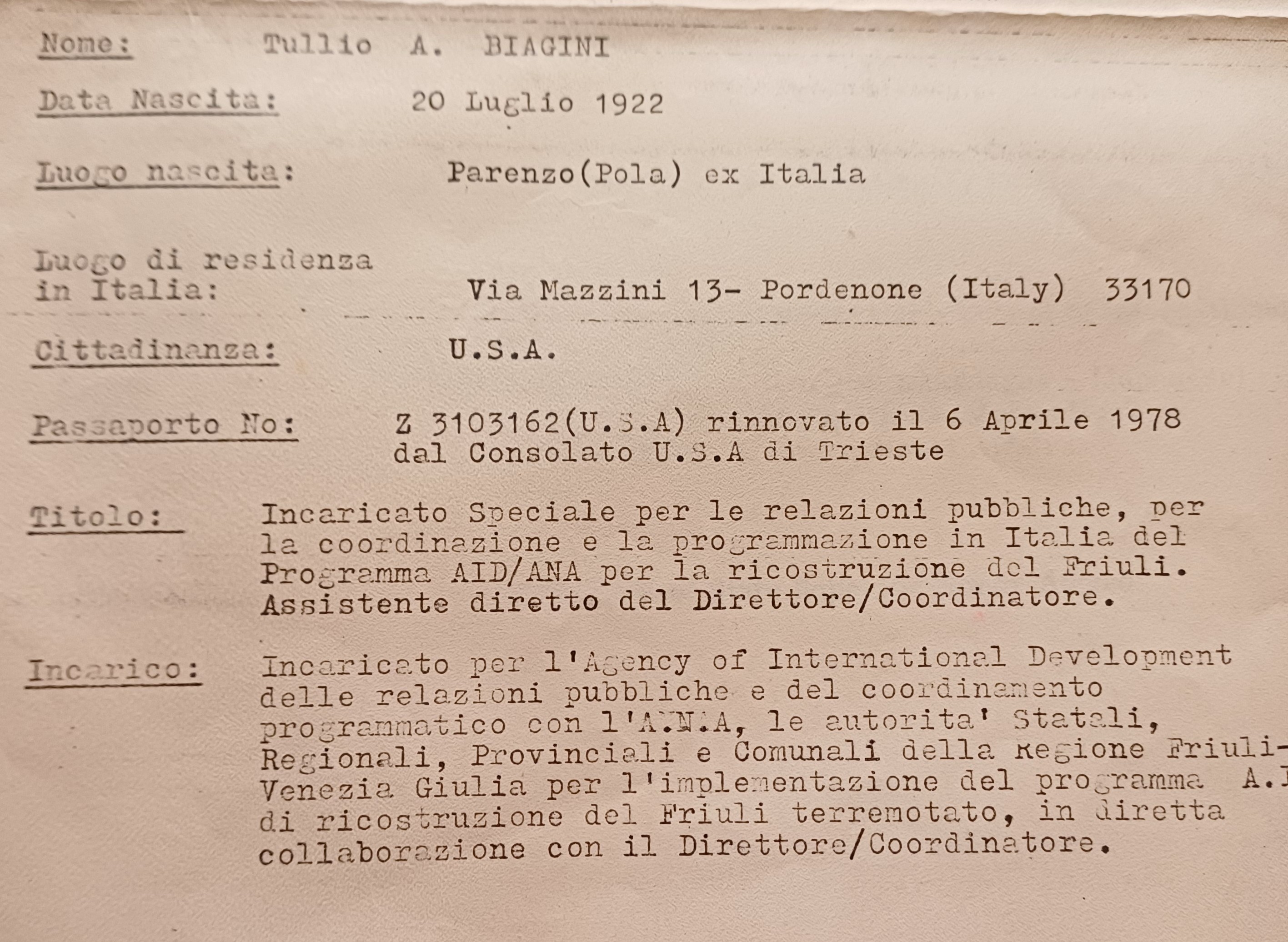
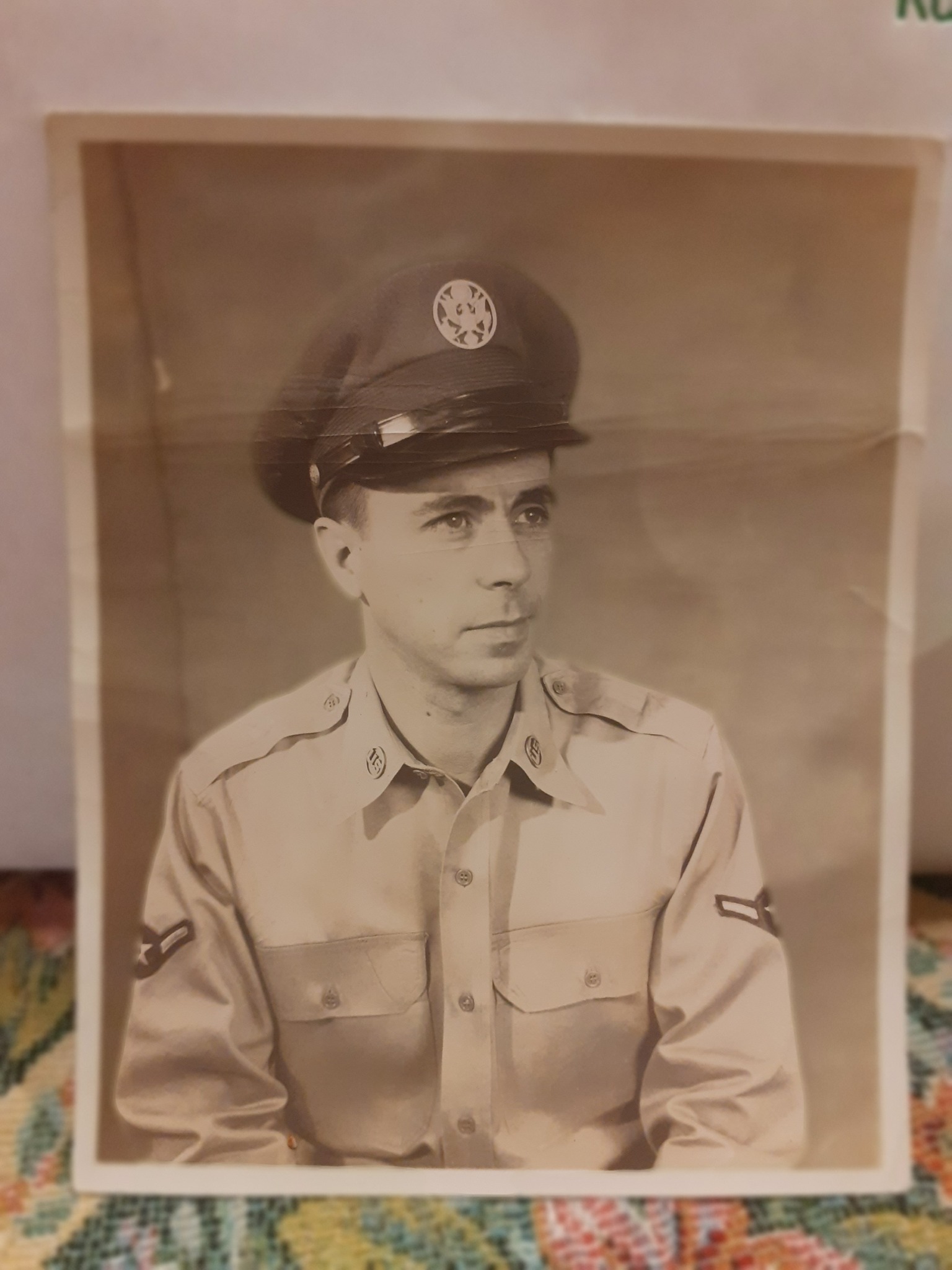
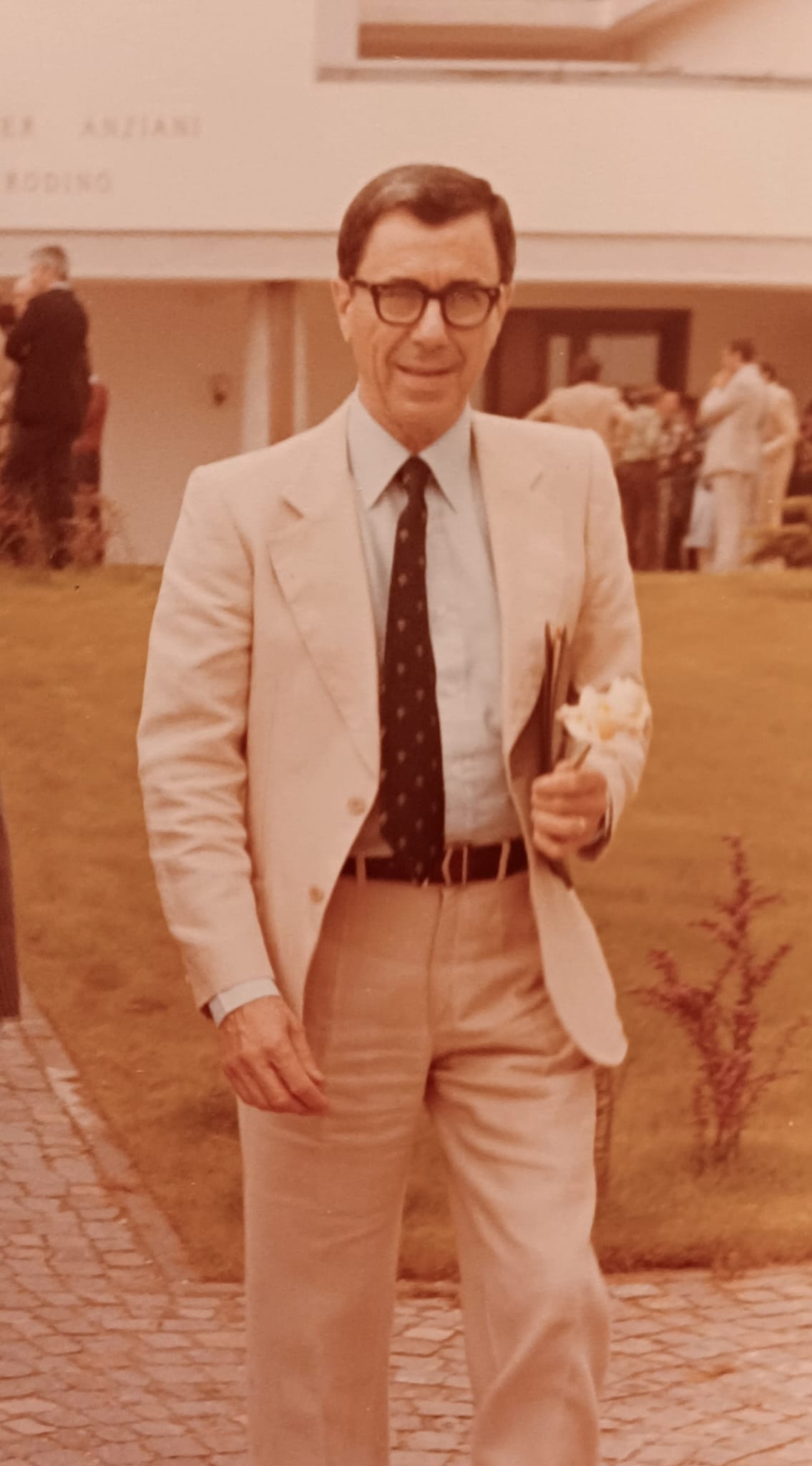
Within the small but highly effective team that managed American aid for the reconstruction of Friuli Venezia Giulia, a fundamental role was played by Tullio Biagini – Italian, American, Friulian. We are pleased to welcome his daughter Jane, who will share with us the story of her father and of the American aid to Friuli Venezia Giulia, one of the many reasons why we are grateful to the United States.
Ciao Jane, welcome on We the Italians. First of all, I would ask you to briefly tell us a bit about your story and that of your family
Thanks Umberto. I was born on an American military base in in North Carolina, and although I was there for only 5 years I have some clear memories of that period. Dad’s yellow Toyota, seeing “The Aristocrats” at the movie theater, the kindergarten and how they unsuccessfully tried to make me write with my right hand (I am a left-hander!)
But then we moved to Italy, and I understood where I came from. Suddenly I had grandparents, uncles, aunts, cousins: this is where we belonged! In 1974 we moved to Friuli, and everything there was related to my family.
But my father’s story started much before in 1922, in Istria, an Italian region east of Friuli which had been part of the Austrian-Hungarian Empire. He lived there and after he was drafted for WWII, he ended up a prisoner to the Germans working in coal mines near the Flanders until his liberation in 1945. The arrival of US soldiers gave him back his liberty, and this was his first reason to be grateful to the US.
While returning home, he found out that Istria was being threatened by the communist regime of Tito and the population was escaping. He would never return to his childhood home and was forced to stop in Friuli, where his parents had found hospitality and refuge with some relatives.
In the post-war years he worked as a teacher in Friuli, until the opportunity came to go to the US. The Italian Americans had offered to help their fellow countrymen by providing jobs and my father, with a cousin of his, decide to accept the proposal and leave for the US. They embarked on a US Navy ship - the USS Gen.R.M. Blatchford - from Bremerhaven in Germany and arrived on Ellis Island (NY) in the fall of 1951.
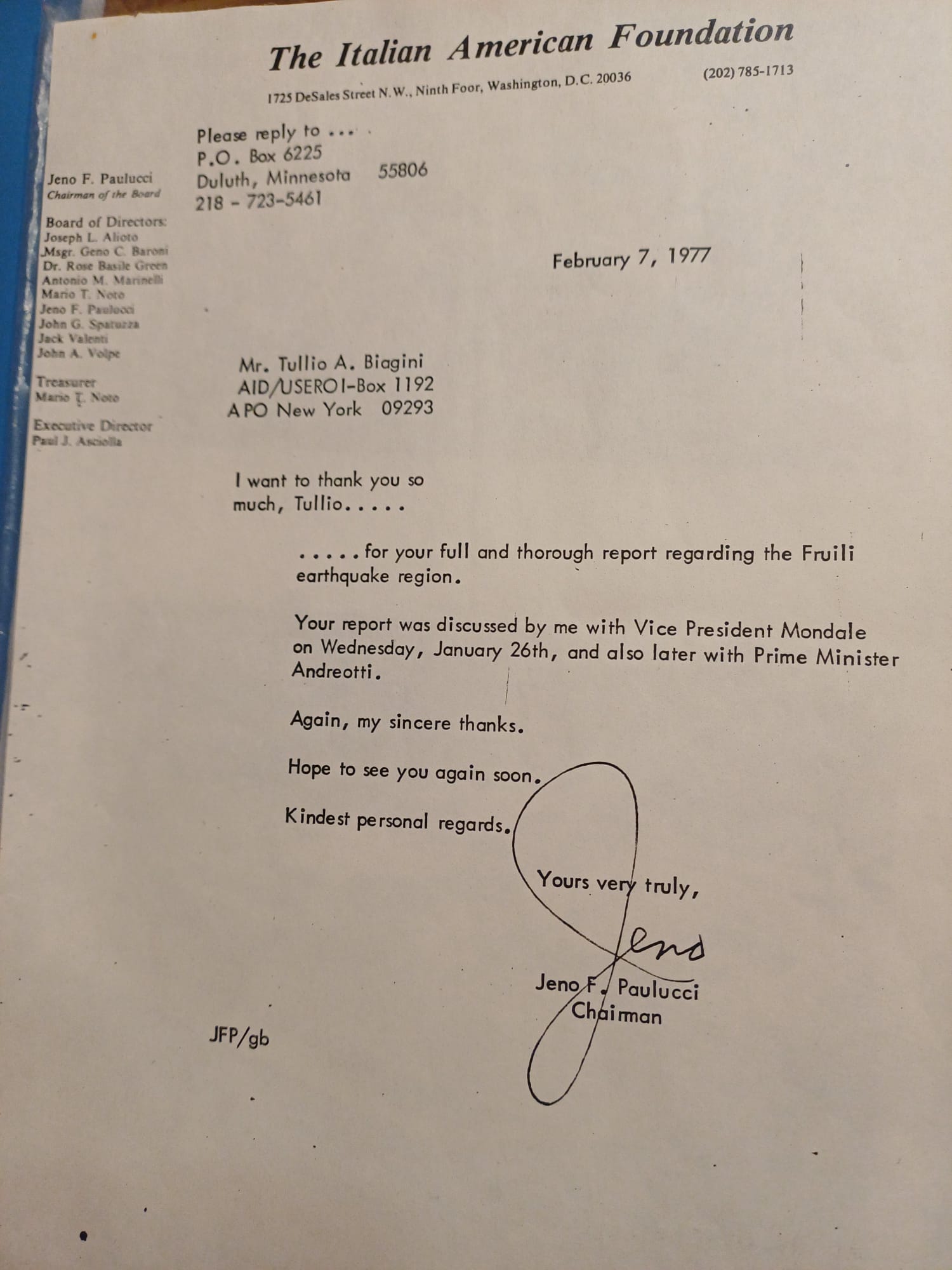
The Italian American that hired him upon arrival was Jeno Paulucci, a prominent 2nd generation business man from Duluth, Minnesota who founded Chun King, the number 1 company in processed Chinese foods. My father got to work in his new “frozen pizza” division, but soon the freezing temperatures in Minnesota became a problem to his health. The years in the coal mines weakened his respiratory system and the cold weather brought severe asthma. Jeno helped my father to find a new job in California and they parted, remaining friends. Jeno would then become an important Congressman and they would meet again.
After changing a few jobs, my father finally ended up being drafted into the Air Force and started his military career in Clovis, New Mexico. In 1957 he became a naturalized American and was forever grateful to the USA for having given him the opportunity for a new life. He remained in the Air Force for 20 years as a non-commissioned officer with the rank of Chief Master Sergeant, the highest position possible, and was involved in the set-up of Aviano Air Force Base in Italy thanks to his linguistic knowledge and familiarity with the Friuli territory. Aviano Air Force Base was his last military destination.
What do you remember of the Friuli Venezia Giulia earthquake days in 1976?
The earthquake in 1976 was devastating. I was a child and really didn’t know what an earthquake was but it was frightening. We slept in the car that night, and the next day we rushed to see how the nonni were doing. The house was no longer safe, my grandparents set up a tent in the garden and after a couple of weeks they were given an RV.
As a child I enjoyed the RV: it was cozy. I remember the fallen buildings, and the cracks in the walls, I remember the damaged churches and the constant tremors. In school they taught us to hide under our desks in case of earthquake, and still today my first reaction to a tremor is to get under the table. In my life there is a “before” and “after” the earthquake.
Your father’s role in coordinating the American aid was crucial, and I was moved when you told me about it. I would ask you to describe it to our readers as well
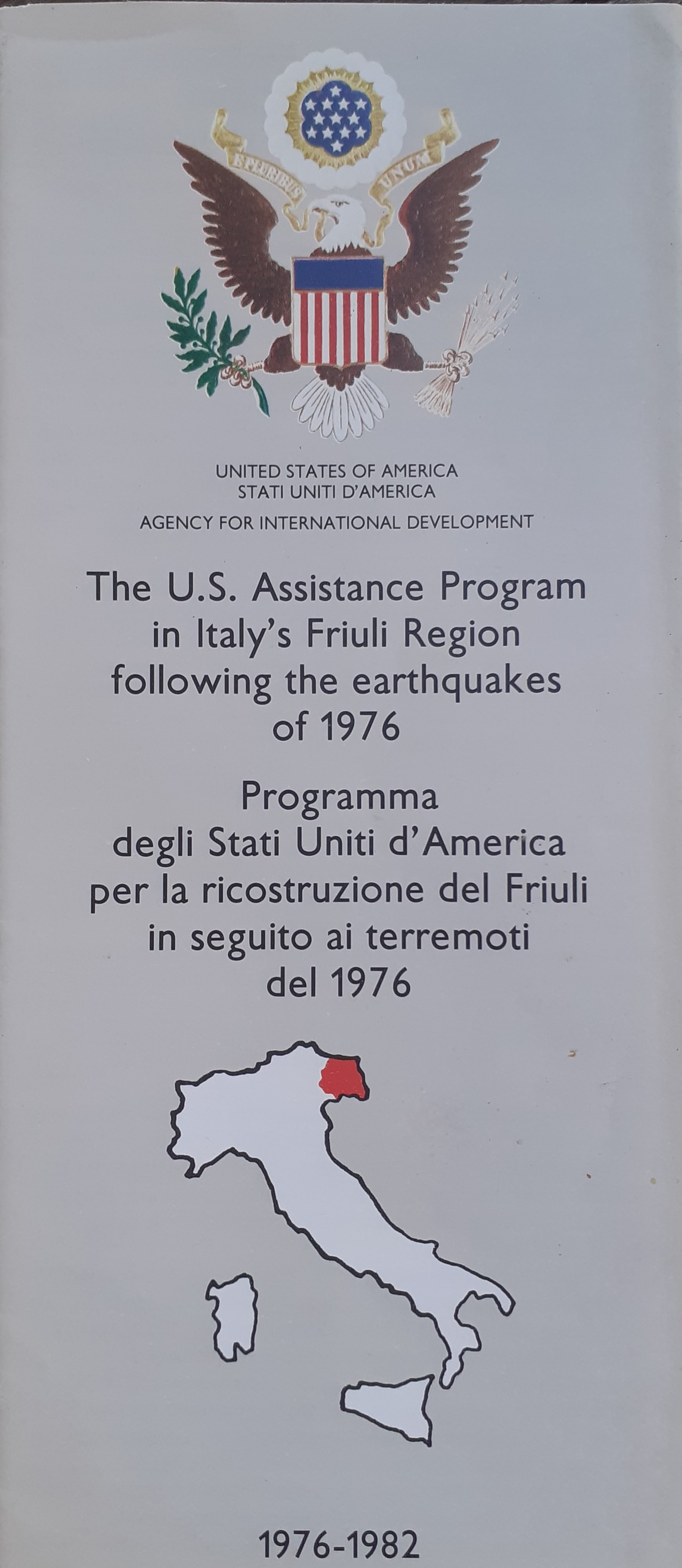
The Americans responded quickly to the emergency sending a task force to assess and report on the damages. Immediate help was provided by the military already present in Friuli. Then through Congress, the USA released $25 + $25 million (in total $50 million) for relief assistance.
These funds had to be channeled into a program and managed appropriately and this is when the A.I.D. (Agency for International Development) Office opened in Italy. A.I.D. provided foreign aid and assistance worldwide but did not have an office in Italy as it mainly provided its missions to low-income countries needing assistance in socio-economic development. Italy’s program was opened as a disaster-relief program and was not meant to be a long-term mission.
My father was quickly identified as the right person to run the resident office in Udine. He had a number of fundamental characteristics: he was fluent in English and Italian, he lived in the territory and had numerous relationships, he had administrative experience and he had personal affection to the area, having friends and relatives directly involved and having lived there prior to his departure for the States. I can’t think of a better match!
What was the American contribution?
The American contribution was meant to provide long-lasting and tangible evidence of their help.
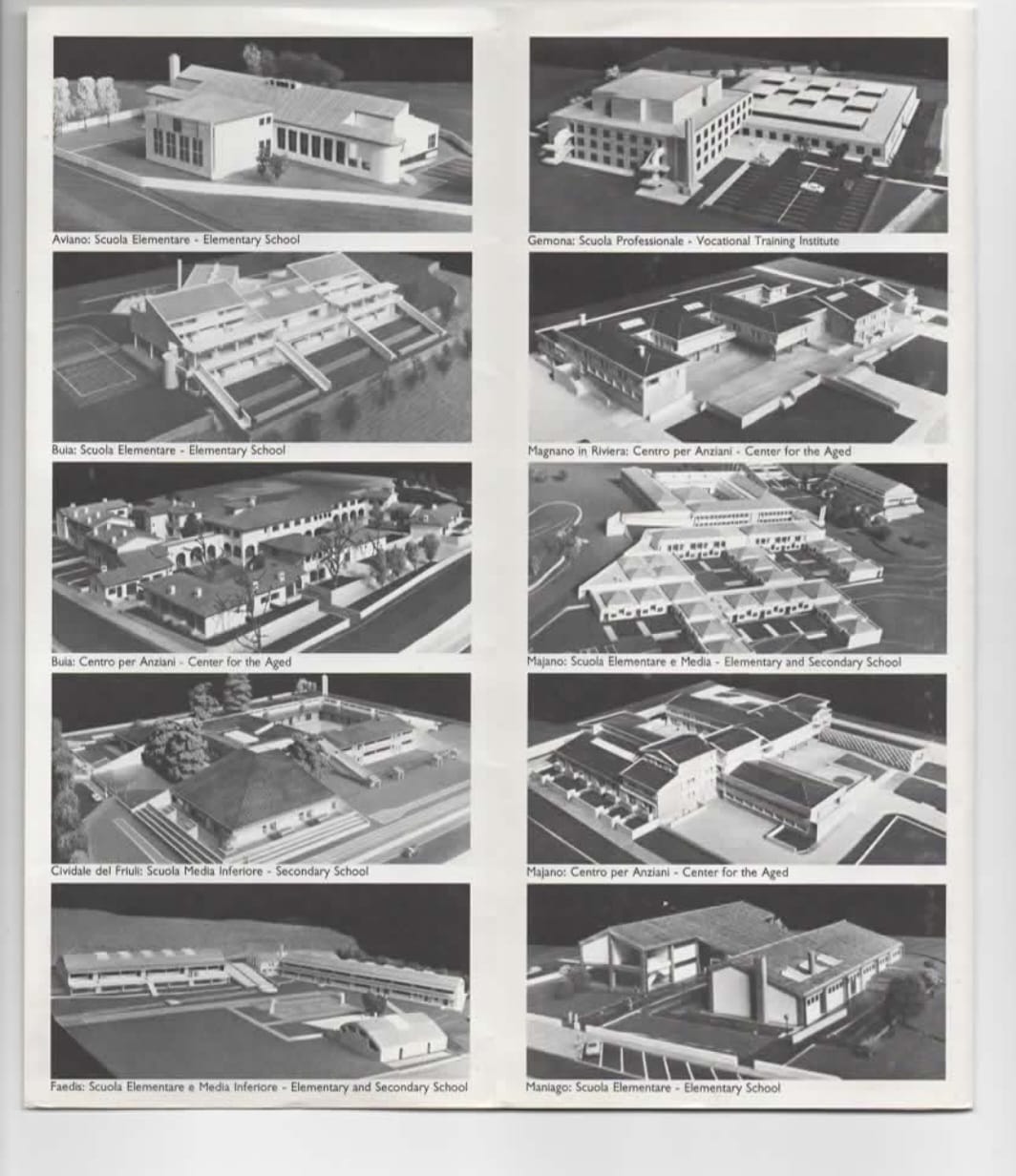
The funds came in two phases. The first $25 million were released following the May 6th tremor and were meant to cover the expenses for the building of 8 schools and 4 centers for the aged. The second $25 million were released following the September 16th tremor and were committed to build 6 additional schools and 3 more centers for the aged.
The program heads had identified the young and the old as beneficiaries of their help, as they represented the more fragile ends of the communities. The construction of schools would guarantee the presence of families and the centers for the aged would allow the elderly not to leave, thus keeping the legacy with their towns and avoiding them from being abandoned.
The A.I.D. Task Force worked very rapidly to identify the communities in which to build the facilities. Once chosen, an agreement was made with the local administrators. Projects were commissioned to top-notch architects both from the US and from Italy and were built in accordance with American seismic codes.
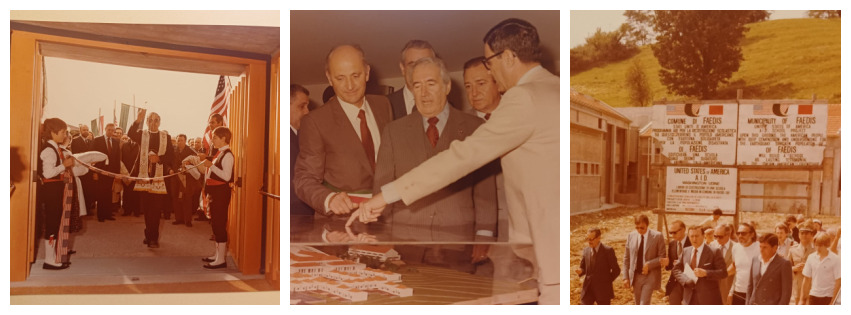
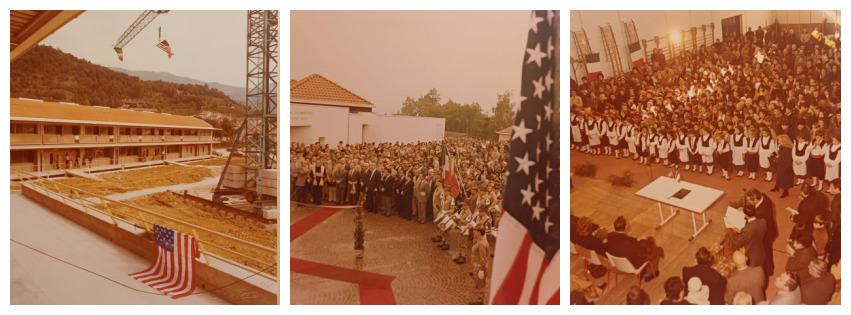
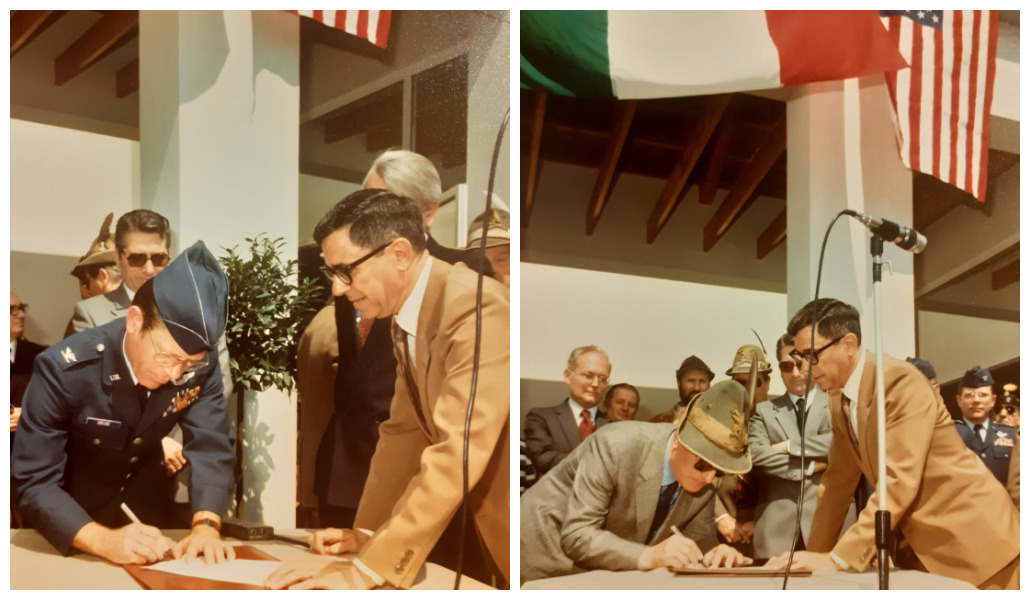
When the construction was to begin, a formal initiation ceremony was held in the presence of both the Italian and American authorities to formalize the cooperation and emphasize the importance of the event. The local priest blessed a symbolic hollow “first brick” inserting a parchment on which was an oath of friendship and solidarity, and then the work officially began.
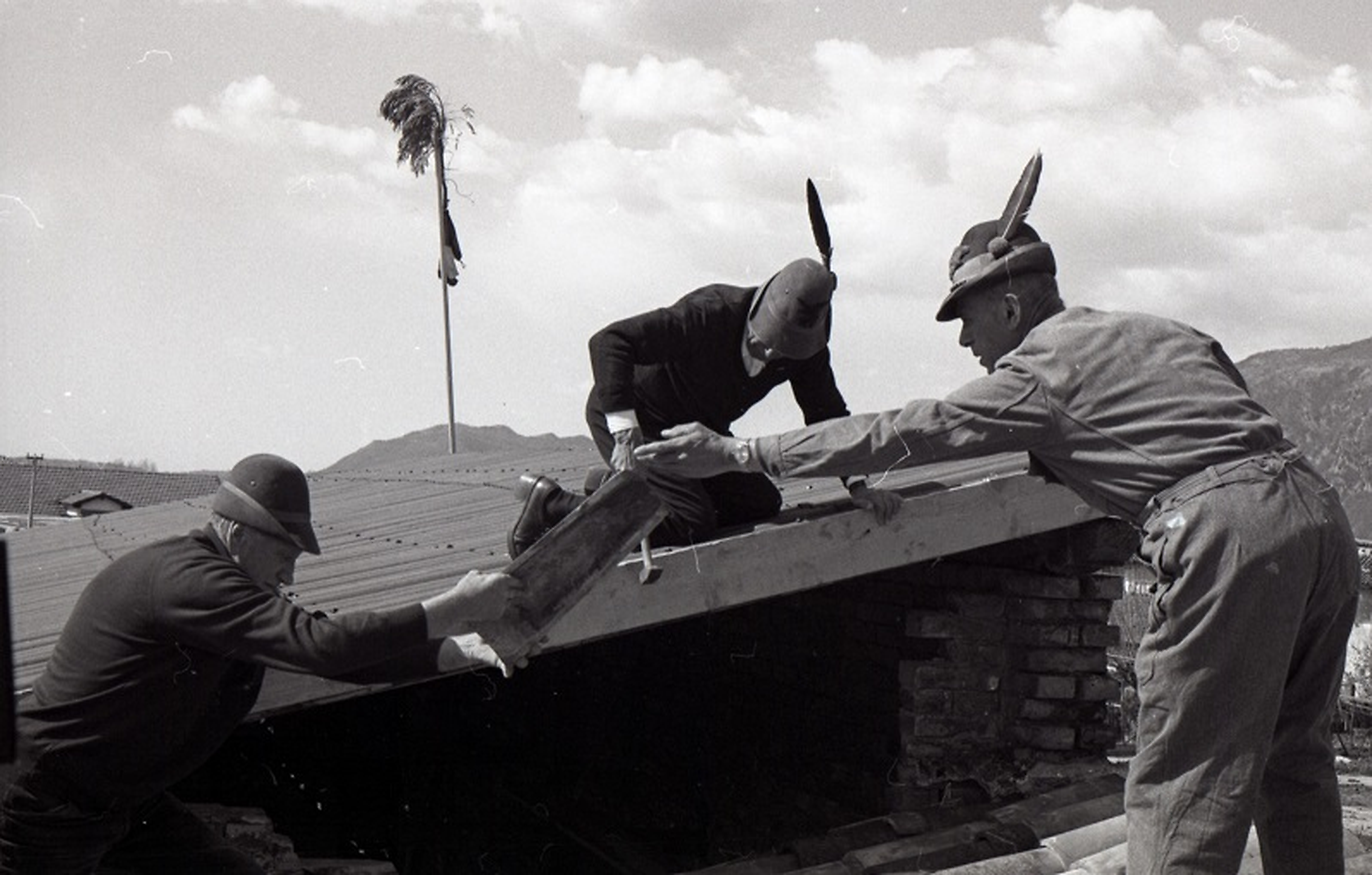
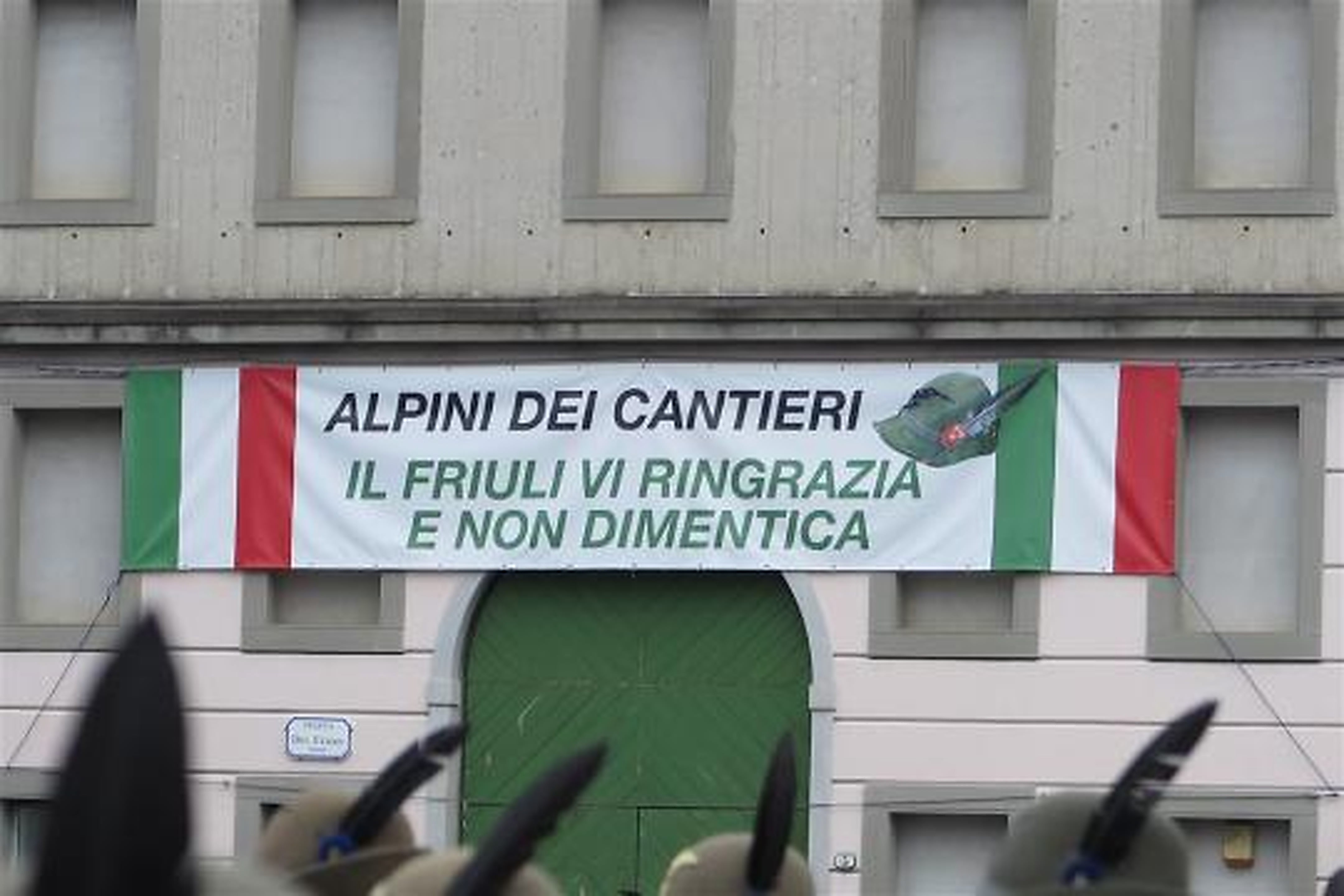
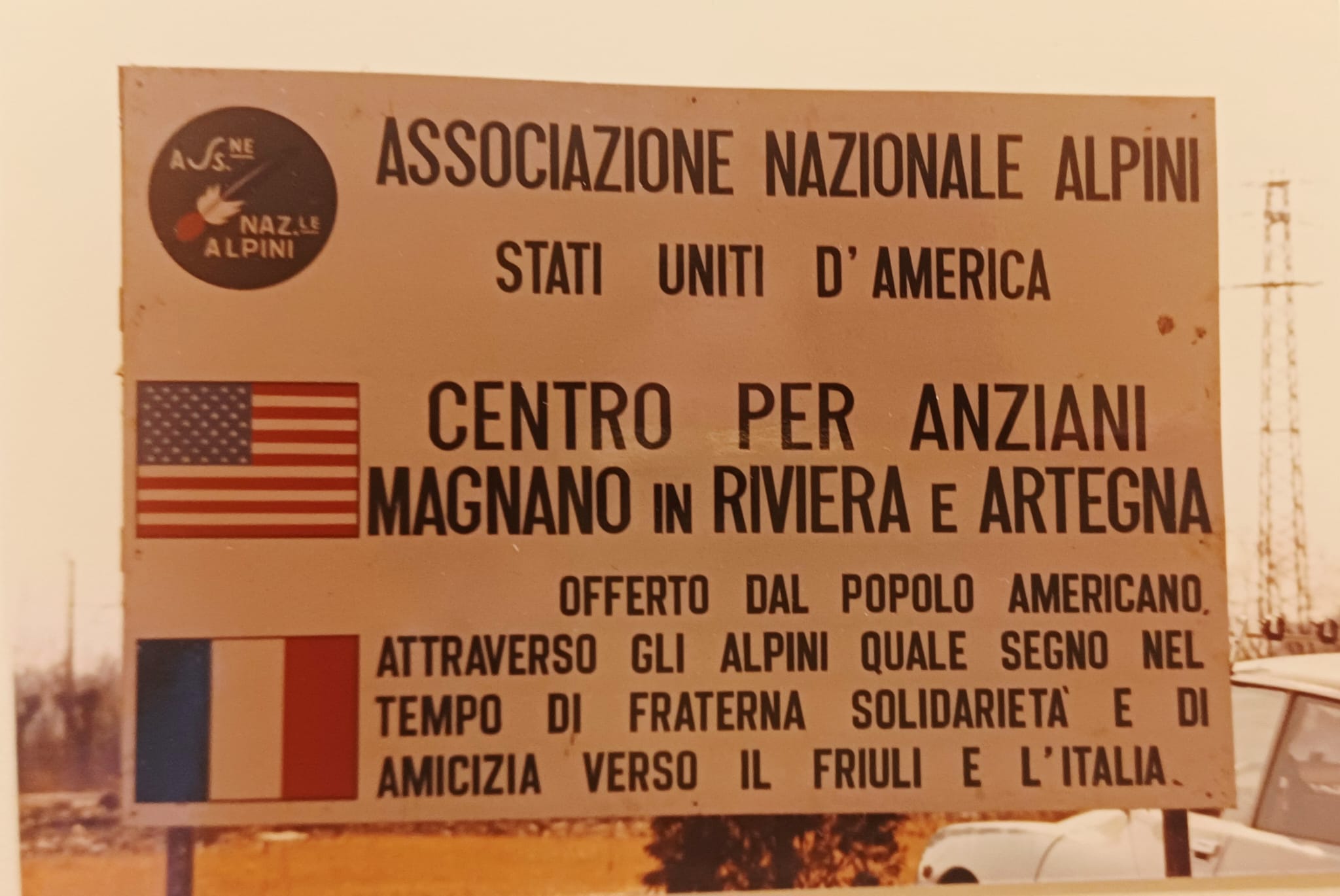
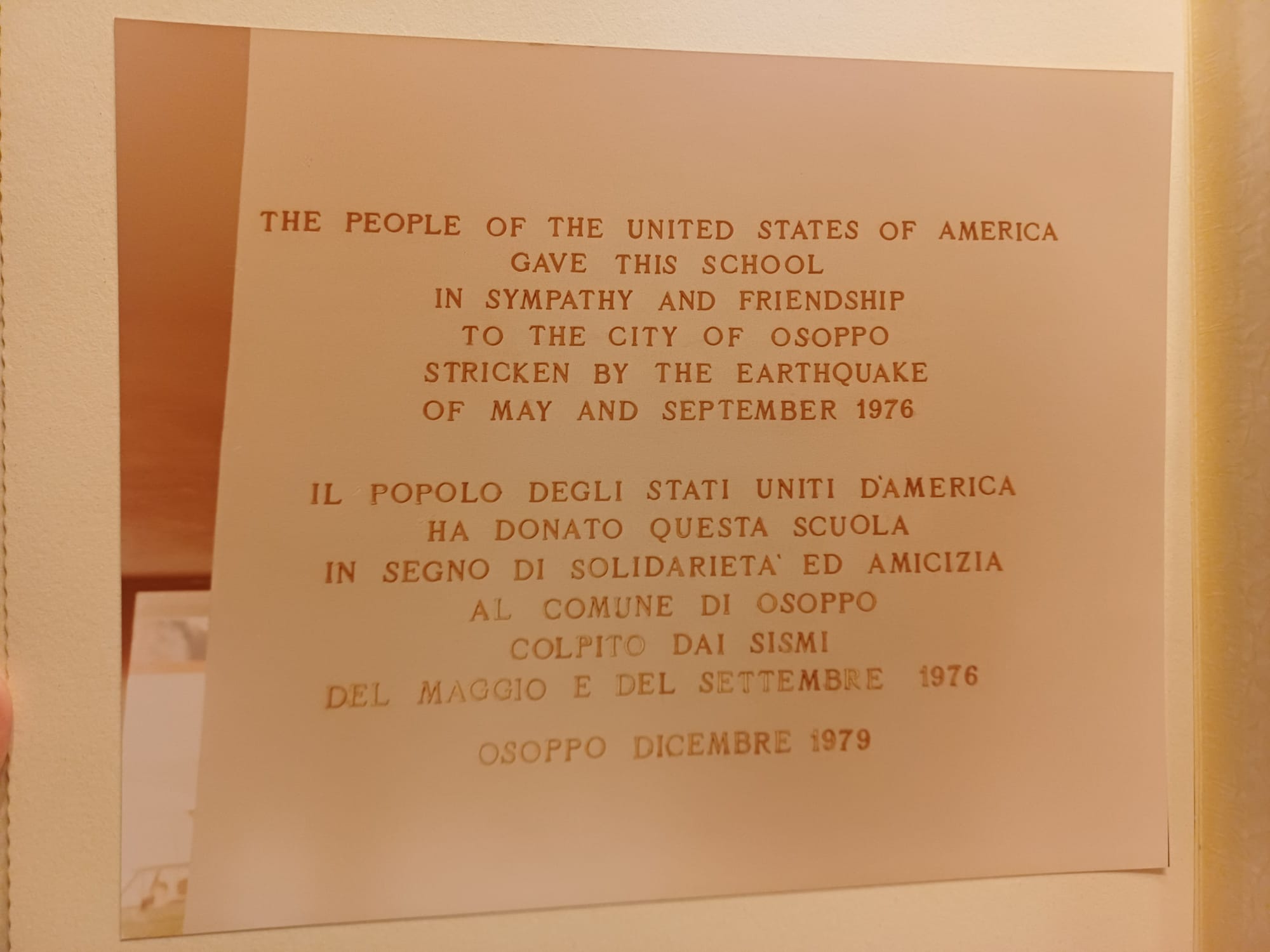
The construction sites were run and supervised by the Alpini, the association of retired mountain troops, who were and still are renowned for their loyalty and integrity. All projects were monitored regularly and executed rapidly. Each completed project had a permanent plaque placed in a prominent position stating that the facility is a gift of the people of the United States.
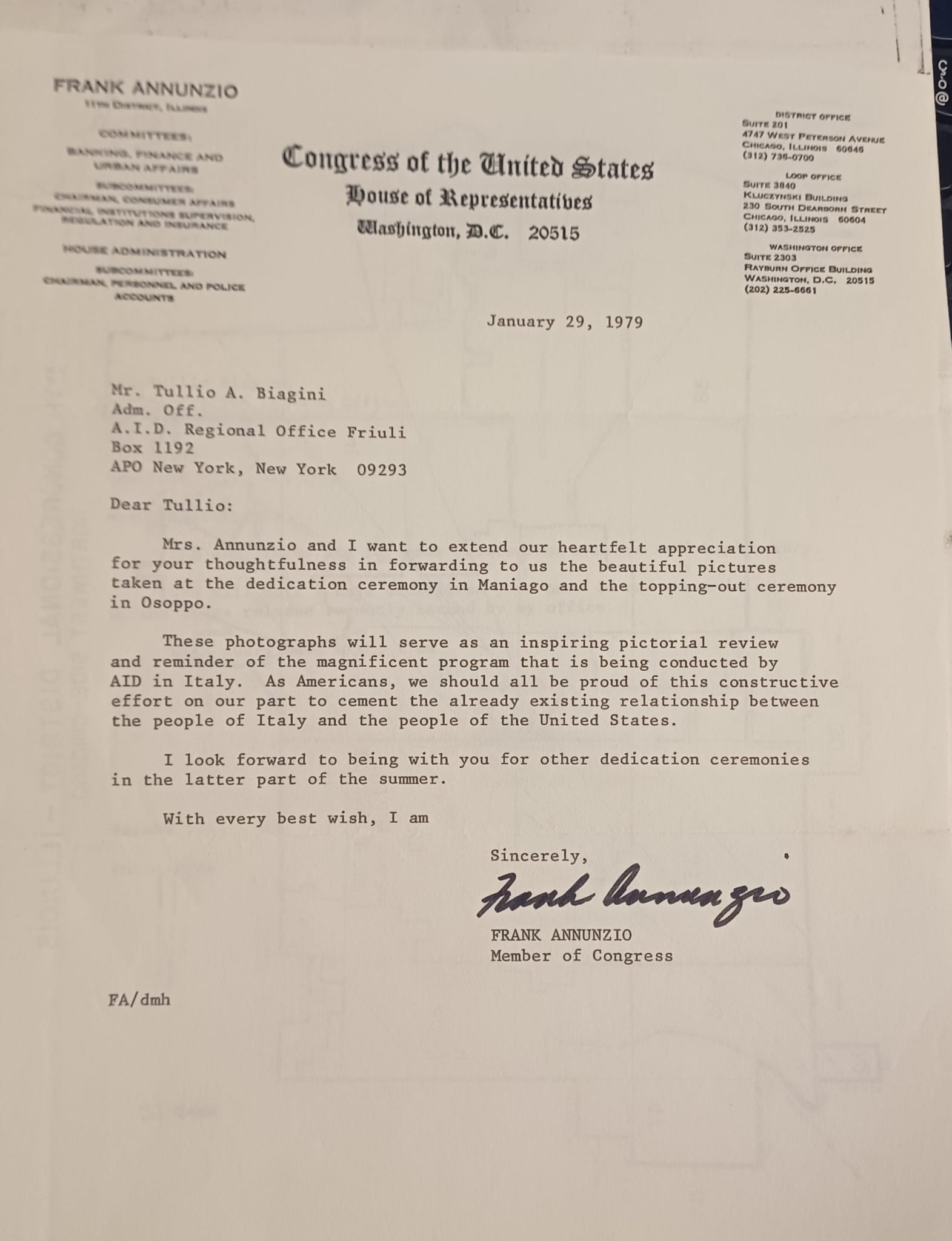
Upon completion, an impressive “Opening Ceremony” was held with speeches, music, gift exchanging, happiness and gratitude. American Congressmen involved in the approval of funds were invited to Italy for the ceremonies and were greeted like kings by the local population.
Overall the program was a great success and my father received extensive recognition from both sides. Not only was he conferred the Italian title of Commendatore, an honorific title given to citizens who have distinguished themselves in diverse fields, but he was also awarded the U.S. Meritorious Service Medal for the exceptional quality of his work and contribution to the effectiveness of the A.I.D. mission.
Your father’s work in coordinating the American aid was so highly appreciated that he was called upon to lead the relief efforts for another earthquake – the one that struck Irpinia in 1980…
Yes, when the 1980 earthquake hit Irpinia, another A.I.D. program was opened with the same objectives as in Friuli. My father was again assigned Liasion Manager/Administrator of the new office located in the American Consulate in Naples. Again, the Italian Americans called on a task force to evaluate the damages in order to release funds. Jeno Paulucci, my father’s first sponsor, was in charge of presenting the overview to President Carter!
The program set-up for the Irpina region ($50 + $30 million) yielded the construction of 28 schools. A part of the funds were channeled in smaller side projects which included the set-up of a modern computerized data center to monitor seismic and volcanic activity in the Flegrean Fields and a Fellowship program to send 40 university professors to the US for a one year research period.
The two programs together spanned 10 years. They have been two extraordinary programs which prove how much the American people have a strong connection with Italy and how Americans and Italians can successfully work together.
In questo anno di importanti anniversari, ce n'è uno che riguarda una regione italiana, un tragico terremoto e un'eccezionale prova di amicizia e solidarietà fornita dagli Stati Uniti all'Italia. 50 anni fa, nel maggio del 1976, il Friuli Venezia Giulia fu colpito da un forte terremoto.
In quel momento, la presenza degli Stati Uniti in Friuli Venezia Giulia era significativa soprattutto dal punto di vista militare. Il punto principale era la base aerea di Aviano, vicino a Pordenone, utilizzata dall’US Air Force nell’ambito della NATO durante la Guerra Fredda. La base ospitava personale militare americano e rappresentava uno dei principali presìdi strategici statunitensi nel Nord-Est dell’Italia. Questa presenza favoriva anche rapporti costanti con il territorio, sia con le autorità locali sia con la popolazione.
Gli Stati Uniti avevano un Consolato Generale a Trieste, che all’epoca era ancora attivo e svolgeva funzioni diplomatiche e consolari per l’intera regione. Proprio grazie alla presenza della base di Aviano e ai rapporti già consolidati tra autorità italiane e americane, gli aiuti statunitensi poterono essere organizzati e coordinati con grande rapidità dopo il terremoto.
Nel piccolo ma efficace team che gestì gli aiuti americani per la ricostruzione del Friuli Venezia Giulia, un ruolo fondamentale fu svolto da Tullio Biagini: italiano, americano, friulano. Siamo lieti di accogliere con noi sua figlia, Jane, che ci potrà raccontare la storia di suo padre e degli aiuti americani al Friuli Venezia Giulia, uno dei tanti motivi per cui siamo grati agli Stati Uniti.
Ciao Jane, benvenutagsu We the Italians. Prima di tutto, ti chiederei di raccontarci brevemente un po’ la tua storia e quella della tua famiglia
Grazie Umberto. Sono nata in una base militare americana nel North Carolina e, anche se ci sono rimasta solo cinque anni, ho alcuni ricordi molto chiari di quel periodo. La Toyota gialla di papà, aver visto Gli Aristogatti al cinema, l’asilo e come cercavano inutilmente di farmi scrivere con la mano destra (sono mancina!).
Poi però ci siamo trasferiti in Italia e ho capito da dove venivo. All’improvviso avevo nonni, zii, zie, cugini: era lì che appartenevamo! Nel 1974 ci siamo trasferiti in Friuli e tutto lì era legato alla mia famiglia.
Ma la storia di mio padre iniziò molto prima, nel 1922, in Istria, una regione italiana a est del Friuli che era stata parte dell’Impero austro-ungarico. Visse lì e, dopo essere stato arruolato per la Seconda guerra mondiale, finì prigioniero dei tedeschi, costretto a lavorare nelle miniere di carbone vicino alle Fiandre fino alla liberazione nel 1945. L’arrivo dei soldati americani gli restituì la libertà e questa fu la prima ragione per cui fu grato agli Stati Uniti.
Mentre tornava a casa scoprì che l’Istria era minacciata dal regime comunista di Tito e che la popolazione stava fuggendo. Non sarebbe mai più tornato nella casa della sua infanzia e fu costretto a fermarsi in Friuli, dove i suoi genitori avevano trovato ospitalità e rifugio presso alcuni parenti.
Negli anni del dopoguerra lavorò come insegnante in Friuli, finché si presentò l’opportunità di andare negli Stati Uniti. Gli italoamericani avevano offerto di aiutare i loro connazionali fornendo lavoro e mio padre, insieme a un suo cugino, decise di accettare la proposta e partire per l’America. Si imbarcarono su una nave della Marina statunitense – la USS Gen. R. M. Blatchford – da Bremerhaven, in Germania, e arrivarono a Ellis Island (New York) nell’autunno del 1951.
L’italoamericano che lo assunse al suo arrivo fu Jeno Paulucci, un importante imprenditore di seconda generazione di Duluth, Minnesota, fondatore della Chun King, la società numero uno negli alimenti cinesi industriali. Mio padre iniziò a lavorare nella nuova divisione di “pizza surgelata”, ma presto le temperature gelide del Minnesota diventarono un problema per la sua salute. Gli anni nelle miniere di carbone avevano indebolito il suo sistema respiratorio e il clima freddo gli provocò una forte asma. Jeno aiutò mio padre a trovare un nuovo lavoro in California e si separarono, restando amici. Jeno sarebbe poi diventato un importante membro del Congresso e si sarebbero incontrati di nuovo.
Dopo aver cambiato diversi lavori, mio padre finì per essere arruolato nell’Aeronautica militare e iniziò la sua carriera a Clovis, nel New Mexico. Nel 1957 divenne cittadino americano naturalizzato e fu per sempre grato agli Stati Uniti per avergli dato l’opportunità di una nuova vita. Rimase nell’Air Force per vent’anni come sottufficiale con il grado di Chief Master Sergeant, il più alto possibile, e fu coinvolto nella creazione della base aerea di Aviano in Italia grazie alla sua conoscenza delle lingue e alla familiarità con il territorio friulano. La base di Aviano fu la sua ultima destinazione militare.
Che cosa ricordi dei giorni del terremoto del Friuli Venezia Giulia del 1976?
Il terremoto del 1976 fu devastante. Ero una bambina e non sapevo davvero cosa fosse un terremoto, ma fu spaventoso. Dormimmo in macchina quella notte e il giorno dopo corremmo a vedere come stavano i nonni. La casa non era più sicura: i miei nonni montarono una tenda nel giardino e dopo un paio di settimane ricevettero un camper.
Da bambina il camper mi piaceva: era accogliente. Ricordo gli edifici crollati e le crepe nei muri, ricordo le chiese danneggiate e le continue scosse. A scuola ci insegnavano a nasconderci sotto i banchi in caso di terremoto e ancora oggi la mia prima reazione a una scossa è mettermi sotto il tavolo. Nella mia vita c’è un “prima” e un “dopo” il terremoto.
Il ruolo di tuo padre nel coordinamento degli aiuti americani fu determinante e mi sono commosso quando me lo hai raccontato. Ti chiederei di descriverlo anche ai nostri lettori
Gli americani risposero rapidamente all’emergenza inviando una task force per valutare e riferire sui danni. Un aiuto immediato fu fornito dai militari già presenti in Friuli. Poi, attraverso il Congresso, gli Stati Uniti stanziarono 25 + 25 milioni di dollari (in totale 50 milioni) per gli aiuti.
Questi fondi dovevano essere inseriti in un programma e gestiti in modo appropriato ed è in quel momento che l’ufficio dell’A.I.D. (Agency for International Development) aprì in Italia. L’A.I.D. forniva aiuti e assistenza all’estero in tutto il mondo, ma non aveva un ufficio in Italia, poiché normalmente operava in paesi a basso reddito che necessitavano di assistenza per lo sviluppo socio-economico. Il programma italiano fu aperto come programma di soccorso in caso di disastro e non era pensato come una missione a lungo termine.
Mio padre fu rapidamente individuato come la persona giusta per dirigere l’ufficio residente a Udine. Aveva diverse caratteristiche fondamentali: parlava fluentemente inglese e italiano, viveva nel territorio e aveva numerosi rapporti, aveva esperienza amministrativa e aveva anche un legame affettivo con la zona, avendo amici e parenti direttamente coinvolti e avendo vissuto lì prima di partire per gli Stati Uniti. Non riesco a immaginare una persona più adatta!
Quale fu il contributo americano?
Il contributo americano fornì una prova duratura e tangibile del loro aiuto.
I fondi arrivarono in due fasi. I primi 25 milioni furono stanziati dopo la scossa del 6 maggio e dovevano coprire le spese per la costruzione di 8 scuole e 4 centri per anziani. I secondi 25 milioni furono stanziati dopo la scossa del 16 settembre e destinati alla costruzione di altre 6 scuole e 3 centri per anziani.
I responsabili del programma avevano individuato nei giovani e negli anziani i beneficiari degli aiuti, perché rappresentavano le fasce più fragili delle comunità. La costruzione delle scuole avrebbe garantito la presenza delle famiglie e i centri per anziani avrebbero permesso agli anziani di non andarsene, mantenendo così il legame con i loro paesi ed evitando l’abbandono dei centri abitati.
La task force dell’A.I.D. lavorò molto rapidamente per identificare le comunità in cui costruire le strutture. Una volta scelte, venne raggiunto un accordo con le amministrazioni locali. I progetti furono affidati ad architetti di altissimo livello sia statunitensi sia italiani e costruiti secondo i codici sismici americani.
Quando i lavori dovevano iniziare, si teneva una cerimonia ufficiale di avvio alla presenza delle autorità italiane e americane per formalizzare la cooperazione e sottolineare l’importanza dell’evento. Il parroco locale benediceva una simbolica “prima pietra” cava, inserendo una pergamena con un giuramento di amicizia e solidarietà, e poi i lavori iniziavano ufficialmente.
I cantieri erano gestiti e supervisionati dagli Alpini, l’associazione dei militari delle truppe alpine in congedo, allora come oggi noti per la loro lealtà e integrità. Tutti i progetti venivano monitorati regolarmente ed eseguiti rapidamente. Su ogni edificio completato veniva posta una targa permanente in posizione ben visibile che dichiarava che la struttura era un dono del popolo degli Stati Uniti.
Al completamento si teneva un’imponente “cerimonia di inaugurazione” con discorsi, musica, scambio di doni, gioia e gratitudine. I membri del Congresso americano coinvolti nell’approvazione dei fondi venivano invitati in Italia per le cerimonie ed erano accolti come re dalla popolazione locale.
Nel complesso il programma fu un grande successo e mio padre ricevette ampi riconoscimenti da entrambe le parti. Non solo gli fu conferito il titolo italiano di Commendatore, un’onorificenza assegnata ai cittadini che si sono distinti in vari campi, ma ricevette anche la Meritorious Service Medal degli Stati Uniti per l’eccezionale qualità del suo lavoro e il contributo all’efficacia della missione dell’A.I.D.
Il lavoro di tuo padre nel coordinamento degli aiuti americani fu così apprezzato che fu chiamato a dirigere gli aiuti per un altro terremoto, quello che colpì l’Irpinia nel 1980…
Sì, quando il terremoto del 1980 colpì l’Irpinia, fu aperto un altro programma A.I.D. con gli stessi obiettivi di quello del Friuli. Mio padre fu nuovamente nominato Liaison Manager/Administrator del nuovo ufficio situato nel Consolato americano di Napoli. Ancora una volta gli italoamericani chiamarono una task force per valutare i danni al fine di stanziare i fondi. Jeno Paulucci, il primo sponsor di mio padre, fu incaricato di presentare il rapporto al presidente Carter!
Il programma organizzato per la regione irpina (50 + 30 milioni di dollari) portò alla costruzione di 28 scuole. Una parte dei fondi fu destinata anche a progetti collaterali più piccoli, tra cui la creazione di un moderno centro dati computerizzato per monitorare l’attività sismica e vulcanica nei Campi Flegrei e un programma di borse di studio per inviare 40 professori universitari negli Stati Uniti per un anno di ricerca.
I due programmi insieme durarono dieci anni. Furono due programmi straordinari che dimostrano quanto forte sia il legame tra il popolo americano e l’Italia e come americani e italiani possano lavorare insieme con successo.