
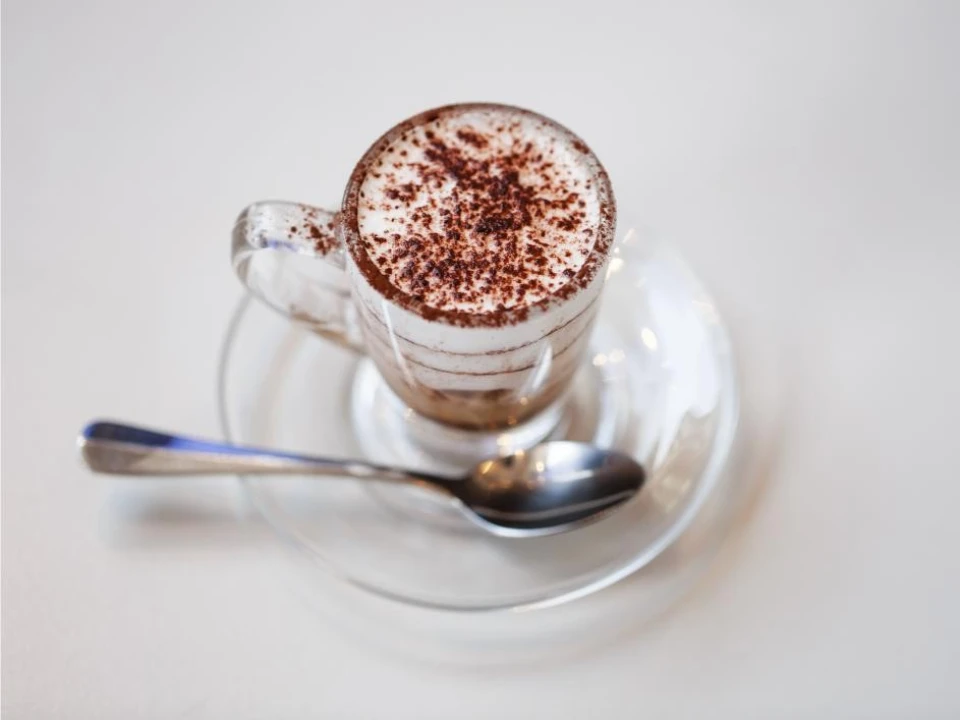
If you had walked into a café near Teatro alla Scala in the early nineteenth century, you would not have found anyone balancing a porcelain cup in one hand while glancing at a watch; back then, coffee in Milan did not yet belong to haste, it meant staying and enjoying the moment.
The square around the theater functioned almost as an extension of the performance itself: people arrived early, lingered afterward, unfolded newspapers, exchanged impressions, negotiated business, and allowed the afternoon to stretch without urgency. Musicians, merchants, journalists, and spectators shared the same rooms, and in that atmosphere a quick, concentrated drink would have felt oddly out of place.