



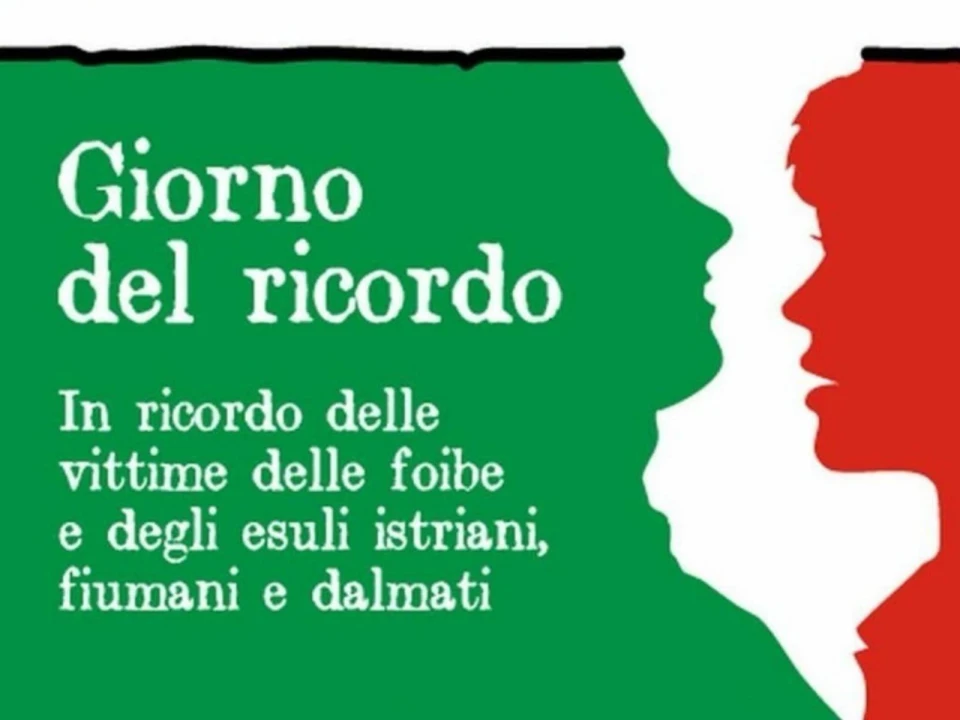
Established twenty years ago, this commemoration aims to keep alive the memory of the victims along the eastern border in the post-World War II era and of the exodus of Italians from Istria, Fiume, and Dalmatia following the advance of Tito’s army. A year ago, the government approved a bill to establish the Museum of Remembrance in Rome.
The foibe are karst sinkholes found in Istria—deep, natural chasms. In places like these, at the end of World War II, thousands of soldiers and civilians were thrown in, some still alive. The wave of violence and summary executions, involving partisans, Germans, fascists, and the army of Yugoslav dictator Tito, lasted until 1947.
